As an Amazon Associate, we earn from qualifying purchases. Some links on this site are affiliate links at no extra cost to you. Our recommendations are based on thorough research and editorial judgment.


Creating Beetle Banks to Attract Predatory Insects

Creating beetle banks is a smart way to attract beneficial insects. Start by choosing a sunny spot near your crops. Plant a mix of native grasses and wildflowers; these plants invite friendly predators like ground beetles and spiders. Regular mowing helps manage weeds while keeping the habitat lush. It’s like inviting pest-fighting superheroes to your garden! With a little care, your beetle bank can thrive and boost your crops. Stick around, and you’ll discover more essential tips for success.
Key Takeaways
- Establish beetle banks in fields over 20 hectares, placing 3-4 evenly spaced banks for optimal effectiveness in attracting beneficial insects.
- Create raised mounds about 40 cm high and 3-5 meters wide, utilizing a mix of native grasses and flowering plants suited for local soil.
- Regularly mow beetle banks once or twice annually to control weeds and maintain a thriving habitat for predatory insects.
- Implement buffer zones around beetle banks to minimize chemical exposure and protect the environment for beneficial insects.
- Engage with community organizations like the Xerces Society for resources and workshops on creating and maintaining effective beetle banks.
Understanding Beetle Banks and Their Importance
When considering how to support your crops, beetle banks often come into play, offering a practical solution for farmers. These are strips of native grasses specifically designed to provide shelter for beneficial insects. By attracting predatory insects, like ground beetles and spiders, beetle banks aid in natural pest control. Picture a cozy home for these helpful critters right next to your fields! Careful planning is essential, as a mix of grasses and flowering plants should be included. The result? Enhanced biodiversity and healthier crops. By maintaining these banks, you’ll foster an environment where beneficial insects thrive, reducing your reliance on chemical pesticides. It’s worth noting that beneficial nematodes play a crucial role in managing soil-dwelling pests, thereby complementing the pest control efforts of beetle banks. It’s like inviting nature’s pest-fighting team to set up camp in your backyard!
Benefits of Attracting Ground Beetles
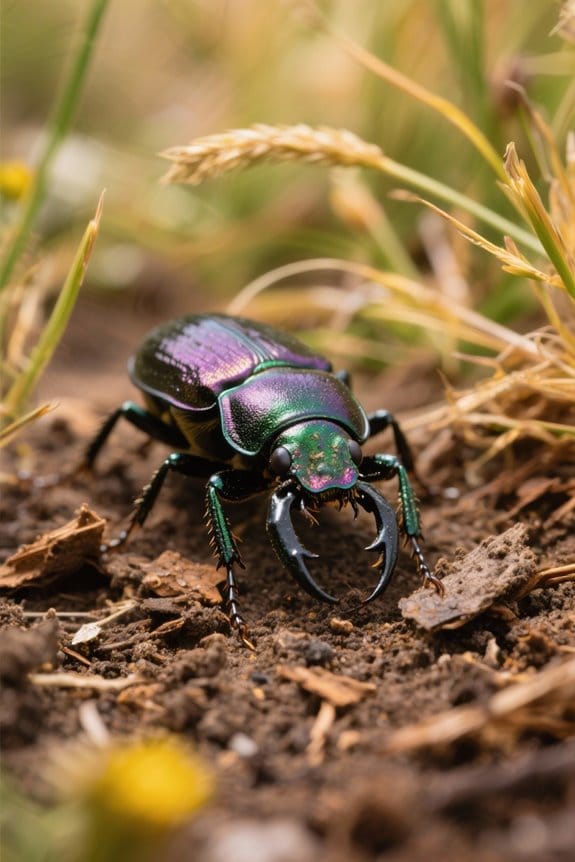
Ground beetles are like nature’s little bodyguards for your crops. These predatory ground beetles love to munch on crop pests like cutworms and aphids, making them incredibly beneficial for farmers. By attracting these beetles, you can create a natural pest control system. Beetle banks provide essential habitat and resources, boosting beetle populations in nearby fields. This not only helps to reduce chemical insecticide use but also enhances biodiversity within your ecosystem. Studies show that areas near beetle banks experience fewer cereal aphids, which means healthier crops. Think of ground beetles as your farm’s secret weapon. When you invite these allies into your fields, you’re promoting sustainability and giving pests a run for their money!
Planning Your Beetle Bank Location

Selecting the perfect spot for a beetle bank can feel like a puzzle, but it’s easier than it seems. Opt for plot fields over 20 hectares for the best results. In larger plots—30 to 50 hectares—consider adding 3 to 4 evenly spaced beetle banks. A strategic location near crop fields is essential, as beneficial insects, like ground beetles, prefer staying close to their habitat. Align the banks with your cultivation direction and keep them about 2 to 6 feet wide and 40 centimeters high. Avoid historic features to maintain landscape integrity. Remember, when in doubt, think like a beetle: close to food and a safe home, life’s a lot easier! Organic pest control solutions generally minimize harm to beneficial insects, making them an eco-friendly choice for maintaining a healthy garden ecosystem. Happy planning!
Steps to Build Your Beetle Bank
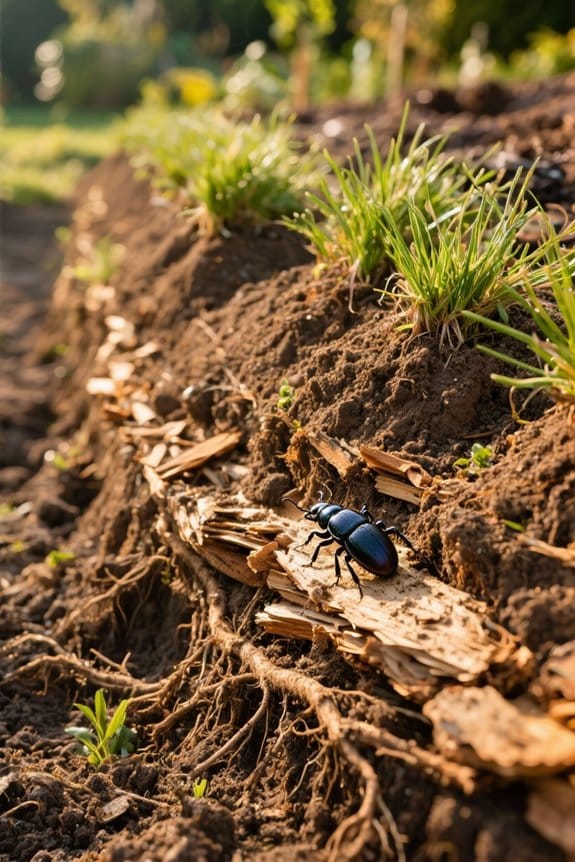
Building a beetle bank is an exciting step towards boosting local ecosystems. Start by plowing the area in two directions to create a raised mound about 40 cm high and 3 to 5 meters wide. This will become essential habitat for beneficial insects. Next, choose a seed mix featuring 3-4 native bunch grasses and some wildflowers suited to your soil. Scatter the seeds across the bank using a fertilizer spreader or by hand to keep the soil intact. After sowing, roll the area for better seed-soil contact and to lock in moisture. Finally, maintain your beetle banks by mowing at regular intervals in the beginning. This helps manage weeds and supports a thriving environment for those helpful critters! To enhance your garden’s ecosystem, consider incorporating beneficial insects like Ladybugs which naturally prey on garden pests and reduce the need for chemical treatments.
Recommended Products

Native Perennial Wildflower Mix: Grow a curated blend of North American native wildflowers that provide vibrant, season-long blooms year after year.

100% Pure, Non-GMO Seeds - No fillers, favorites only! Includes 20 easy-to-grow species: Cornflower Dwarf Blue, Lance Leaf Coreopsis, Wild Cosmos, Blanket Flower, Black Eyed Susan, Wild Perennial Lupine, Purple Coneflower, Russel Lupine, Plains Coreopsis, Siberian Wallflower, Blue Flax, Scarlet Flax, Annual Phlox, Orange Cosmos, Gloriosa Daisy
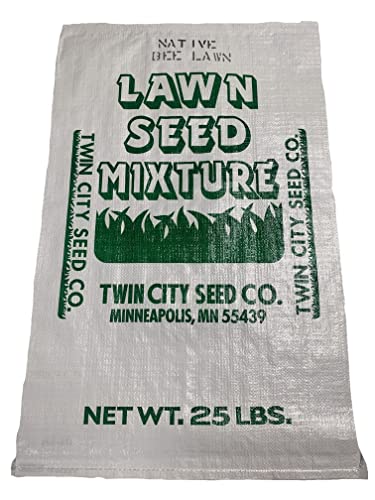
Be Bee Friendly: The Bee Lawn Mix gives residents a chance to help and give pollinating insects (60 + bee species) a food source in their own, aesthetically beautiful, home lawn
Selecting the Right Plant Species

When it comes to creating a thriving beetle bank, choosing the right plant species is key. Start by selecting 3-4 tussocky grass species. These grasses provide much-needed structure and shelter for predatory insects. Next, add 2-3 finer grass and flowering plants. This diversity makes the habitat more inviting. It’s best to choose native grass species suited to your soil type for ideal growth. Don’t forget to incorporate native wildflowers, which enhance floral resources for beneficial insects, including pollinators. Prioritizing local native species guarantees that the plants adapt well to your climate and support wildlife effectively. Remember, a well-planned beetle bank can be a bustling haven for predatory insects, making your farm healthier and more productive! Additionally, for effective pest control, consider using propane models outdoors as they provide odorless fogging with long-lasting effects, which can enhance your beetle bank’s environment by reducing competitive pest pressure.
Best Practices for Sowing Seeds
Sowing seeds for a beetle bank can feel intimidating, but it doesn’t have to be! To guarantee success, choose a seed mix with 3-4 tussocky grass species and 2-3 finer grasses and flowers suitable for your local soil. Aim for a sowing rate of about 20 kg per hectare. You can scatter seeds with a fertilizer spreader or even by hand—just handle them gently! After spreading, rolling the area aids seed-to-soil contact, vital for germination. Timing is key; sow during favorable conditions. Early fall is ideal for autumn planting, giving seeds time to establish before winter. With a little care and the right approach, your beetle bank will thrive, attracting beneficial predatory insects. Consider using natural and eco-friendly solutions to maintain your garden’s health, ensuring safety for both beneficial insects and your plants.
Recommended Products

Shade-Tolerant Grass Blend – Designed specifically for lawns with limited sunlight; thrives under trees, between houses, and in north-facing areas.

SPREADER APPLICATION RATE: Use a grass seed spreader to apply grass seeds at a rate of 4.6 lbs. seed/1,000 sq. ft. when establishing a new lawn and 2.3 lbs. seed/1,000 sq. ft. when overseeding an existing lawn
SPREADER APPLICATION RATE: Use a grass seed spreader to apply these tall fescue grass seeds at a rate of 8 lbs. seed/1,000 sq. ft. when establishing a new lawn and 4 lbs. seed/1,000 sq. ft. when overseeding an existing tall fescue lawn
Timing Your Beetle Bank Construction
Timing can make all the difference in creating a successful beetle bank. Ideally, construction occurs in spring or early autumn. This allows you to establish native grasses before winter’s chill. If you start in the autumn, the banks can settle and weather over the winter, leading to better seed germination in spring. Just remember to avoid extreme weather; those native seeds like consistency, not chaos! Spring construction might need some extra watering if the sun is acting too stingy with rain. So, keep an eye on local weather patterns. The right timing guarantees your beetle bank gets a solid foundation, making it a magnet for those helpful predatory insects. After all, nature likes to play fair when you follow her lead! A well-timed beetle bank can be as effective as natural pest control methods, similar to those seen in various fruit fly traps.
Maintenance Tips for Successful Beetle Banks
Building a beetle bank is just the beginning; maintaining it is where the real magic happens. Regular maintenance in the initial years involves mowing one to two times. This helps control pesky annual weeds and promotes the growth of native grasses. Keep a watchful eye on weeds over these 2-3 years; your goal is a thick, lush habitat that keeps them at bay. If weeds emerge later, spot-spraying or manual removal can save the day. Mowing in the summer after the first year should be like a careful dance—don’t disturb those critters! Finally, create buffer zones around your beetle bank to minimize chemical exposure. Remember, a little effort now can yield big benefits for beneficial insects down the line! For effective pest management, consider integrating non-toxic options that prioritize safety around children and pets.
Engaging With the Community and Resources
How can communities come together to support beetle banks and the beneficial insects they harbor? The Xerces Society provides valuable resources for community engagement. They offer guidance on creating and maintaining beetle banks that effectively attract beneficial insects. Joining the Xerces Society keeps you informed about grants and contests to support your gardening efforts. Remember, a little knowledge goes a long way. Workshops and community events help deepen understanding of sustainable pest management strategies, making biodiversity a shared goal. The more we learn, the more we can do. Imagine neighbors sharing tips over coffee while discussing the joys of attracting ladybugs! Together, communities can foster a thriving environment for these helpful insects, ensuring healthy ecosystems for all. Integrated Pest Management practices, such as rotating active ingredients and focusing on long-term solutions, can enhance the effectiveness of beetle banks and support sustainable gardening.
Frequently Asked Questions
How to Attract Predatory Beetles?
To attract predatory beetles, one must create a healthy beetle habitat that incorporates diverse food sources and beneficial characteristics. This approach aids in natural pest control and promotes ecosystem balance, fostering diverse insect populations.
How to Encourage Predatory Wasps?
To encourage predatory wasps, one must consider their nesting preferences, promote beneficial insect diversity, and utilize habitat restoration techniques. This fosters pollinator partnerships, enhancing natural pest control while supporting a thriving ecosystem.
What Are the Three P’s of Beneficial Insects?
The three P’s of beneficial insects are predators, parasitoids, and pollinators. These insects enhance pest control strategies, influence insect life cycles, promote garden biodiversity, offer environmental benefits, and support organic farming practices, ultimately sustaining sustainable ecosystems.
How to Make a Habitat for a Beetle?
To create a thriving beetle habitat, one must meticulously select beetle species, fulfill habitat requirements with ideal moisture levels, integrate native plants, and provide diverse shelter options, establishing a vibrant ecosystem essential for their survival.