As an Amazon Associate, we earn from qualifying purchases. Some links on this site are affiliate links at no extra cost to you. Our recommendations are based on thorough research and editorial judgment.

Building Soil Health to Resist Pest Damage

Building healthy soil is key to resisting pest damage. Healthy soil boosts plant defenses, making them less appealing to pests. Regularly add organic matter, like compost, to nourish soil and encourage beneficial insects. Nitrogen management is essential; too much can attract pests. Mindful tillage practices can break pest cycles while protecting soil health. Cover crops can also help. With the right steps, your plants can thrive pest-free! Keep exploring these practices to enhance your garden’s resilience.
Key Takeaways
- Enhance soil organic matter to boost plant vigor and resilience against pests, reducing the need for chemical interventions.
- Implement cover cropping and crop rotation to disrupt pest life cycles while improving overall soil health.
- Maintain balanced nitrogen levels to support beneficial predator populations that naturally control pest issues.
- Practice mindful tillage to manage pest populations while preserving organic matter and soil microbial health.
- Use eco-friendly pest control methods, minimizing harmful pesticide use to protect beneficial soil organisms and overall soil vitality.
The Importance of Soil Health in Pest Management
Soil health plays an essential role in pest management, and here’s why you should care. Healthy soils boost plant defense mechanisms, making crops more resilient to pests. Think of it this way: when plants are happy, they’re like fortified castles against invaders! Practices like cover cropping can even save you money—southern Georgia growers report up to $100 savings per acre. Adding soil organic matter enhances these benefits, as studies show reduced insecticide use in cotton over eleven years. Integrated Pest Management is more effective when you focus on soil health. Maintaining soil through crop rotations and compost is crucial, reducing pesticide need. Remember, healthy soil is the first line of defense in keeping those pesky pests at bay! It’s important to note that organic pest control solutions generally minimize harm to beneficial insects, further supporting a balanced garden ecosystem.
Understanding the Role of Nitrogen in Soil

Nitrogen plays an essential role in soil health and plant growth. It’s like the fuel that powers plants. However, too much nitrogen can backfire, making plants weak and more susceptible to pests. Research shows that over-fertilization can attract pesky critters, like aphids and mites, leaving your crops vulnerable. Healthy soils, rich in organic matter, create a solid foundation for plant vigor and resilience. They enhance natural pest control by promoting beneficial predators. Attracting beneficial insects can significantly aid in managing pest populations naturally. So, keeping nitrogen levels balanced is vital! Think of it as a recipe: too much salt spoils the dish. Focus on nurturing your soil, and your plants will stand stronger against pests. Healthy soils mean happier plants and less pest trouble in the long run.
Exploring the Soil Food Web

Beneath our feet lies a bustling universe—one that’s often overlooked but essential for plant health. This underground network, known as the soil food web, consists of soil organisms like bacteria, fungi, and protozoa that work together to recycle nutrients. Healthy soil fosters these relationships, increasing soil health and resilience against pest damage. When the soil food web is thriving, it supports more beneficial arthropods, those tiny predators that keep pest populations in check. For example, using cover crops and compost helps improve soil organic matter, making these beneficial allies more active. Healthy soils can reduce pest damage and lessen the need for harmful pesticides. In short, happy soil leads to happy plants—and isn’t that what everyone wants? Incorporating natural pest control methods, such as using products like Wondercide Flea, Tick & Mosquito Spray, can further enhance the beneficial relationships within the soil ecosystem.
The Diversity of Soil Organisms

A vibrant community of organisms thrives in healthy soils, providing essential support for plants. This diverse soil microbial diversity is key to successful pest management. Many beneficial soil organisms, like certain arthropods, actively control pest populations. Research highlights over 120 species of these helpful critters, found in soil rich with organic matter. When soil health is strong, plants develop better defenses against pest attacks. Practices such as crop rotations and cover cropping not only boost soil health but also encourage a rich diversity of organisms that compete with pests. Introducing beneficial insects such as Green Lacewings can further enhance pest control by targeting specific pests like aphids and spider mites. So, nurture your soil; it’s the underdog champion of your garden! Healthy soils are like a fortress, making your plants resilient and less vulnerable to pests and diseases.
The Impact of Tillage on Soil Health

While tillage can often seem like a gardener’s best friend, its impact on soil health requires careful consideration. Tillage can disrupt insect pest life cycles by exposing them to natural predators, helping to control their numbers. However, too much tillage can deplete soil organic matter and microbial food sources, leading to long-term soil health issues. Fall tillage proves effective in destroying crop debris, which eliminates potential overwintering sites for pests. Yet, balance is key—excessive tillage can lead to increased pesticide applications, which harm the environment. By practicing mindful tillage, gardeners can manage pest populations while maintaining soil health. Remember, a healthy soil is like a sturdy ship; it carries your plants safely through any storm! Additionally, incorporating HARRIS Diatomaceous Earth as an organic pest control method can further enhance soil health by providing a chemical-free alternative to traditional pesticides.
Utilizing Mulches for Pest Control
Utilizing mulches can be a game-changer for garden pest control. In organic farming, mulches not only improve soil health but also tackle pesky pest problems. For instance, reflective mulches can send pests packing while keeping virus diseases at bay. Straw mulch is another champion, creating a safe haven for predators that feast on Colorado potato beetles, leading to better crop yields. If you’re wondering about plastic mulch, it boosts early growth and fortifies plants against pests. Plus, it’s like a cozy blanket that moderates soil moisture and temperature, making it less inviting for troublesome critters. Additionally, the use of fossil fuels in traditional heat treatment processes can contribute to greenhouse gas emissions, highlighting the need for environmentally friendly practices in all aspects of agriculture. So, embrace mulches! They make your garden healthier while cleverly evicting unwanted guests. Who knew pest control could be this simple?
Recommended Products
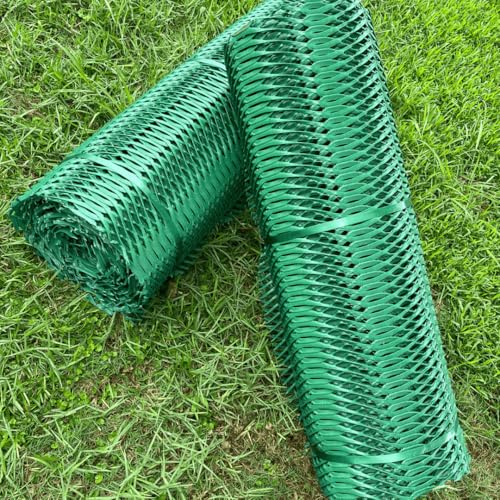
Simple to Install; Immediate Use: Packaged in rolls to provide a quick and simple installation with instant use. Simply unroll the protection mesh directly atop the desired surface and lock into place using 6" or 8" u-shaped ground staples, per site specifications. View installation procedures on RutGuard's Website. U-shaped ground staples are not included and can be purchased separately/locally.

Organic Paper Mulch: A natural and soil-compatible paper mulch designed for vegetable gardens and annual plantings where simple weed control and soil-friendly coverage are needed

COVERS UP TO 2,400 SQ. FT. – 32 oz super-concentrate makes up to 5 gallons of ready-to-spray solution, ideal for large beds and professional jobs.
Best Practices for Soil Sanitation
Cleaning up the garden can make a world of difference. Regularly removing debris, fallen fruit, and leaves can cut down pesky overwintering pests. This helps lower the risk of future infestations. Implementing cover cropping and crop rotation disrupts pest life cycles, while promoting soil health. Think of it as a two-for-one deal! Using organic mulches, like straw, not only enhances the soil but also attracts helpful predators that keep pests at bay. Don’t forget your stored crops—proper sanitation practices prevent soil-borne diseases too. No-till farming combined with regular soil testing improves soil structure, creating healthier agricultural systems. By following these best practices, gardeners can cultivate an environment that resists pest damage without relying heavily on pesticide use. Additionally, integrated pest management helps employ a combination of eco-friendly control methods, ensuring long-term sustainability and pest resistance.
The Benefits of Cover Cropping
Cover cropping offers a fantastic way to boost soil health and manage pests naturally. Farmers who use cover crops have reported savings of $50–$100 per acre on insect control. That’s a nice chunk of change! These plants support beneficial insects early in the season, enhancing natural pest control. Some growers have even stopped using pesticides altogether, relying solely on cover crops. Imagine growing peanuts and cotton without fungicides or insecticides for years—that’s impressive! A study found 120 beneficial species in cotton residues, showing how cover crops can foster biodiversity. Plus, the added organic matter makes soil healthier, which helps plants resist pests better. It’s a win-win situation for both your wallet and the environment! Incorporating Bacillus Thuringiensis products can effectively target specific pests without harming beneficial species, providing an additional layer of natural pest control.
Recommended Products

Food plot seed blend contains four even mixed parts of ladino, white, red, & crimson clover seeds.

VERSATILE BIENNIAL FORAGE CROP: Our Alsike Clover Seed offers a flexible solution for hay, grazing, and pasture mixes, making it an ideal choice as deer food plot seed, and diverse agricultural needs. Growing at 24 to 48 inches tall, its adaptability makes it especially useful in cooler regions, performing reliably as a short-lived perennial often treated as a biennial.

BULK 5 POUNDS (5x ONE POUND BAGS): Embark on a wildflower journey with our generous five pounds of seed, bursting with over 240,000 pure live seeds! Transform 8,000 square feet into a vibrant haven for nature.
Integrating Pest Management With Soil Health
When it comes to farming, integrating pest management with soil health can feel like solving a complex puzzle. Healthy soils bolster pest resistance by enhancing plant defenses. For example, crop rotations and cover cropping can cut pest numbers while also enriching organic matter. Southern Georgia growers even saved $50–$100 per acre on insect control! The University of Georgia showed farmers could go eleven years without insecticides using cover crops—talk about success! However, balance is key; over-fertilization may weaken plants. Keep in mind, healthier soils often invite beneficial insects, which enjoy suppressing pesky pests. Moreover, employing eco-friendly pest control options, like chemical-free wasp traps, can complement soil health strategies by reducing harmful insect populations without environmental damage. So, while it might not be a walk in the park, focusing on soil health is worth it for a thriving farm and reduced pest problems.
Recommended Products

HIGH-YIELD, NUTRITIOUS FORAGE FOR LAWNS & GRAZING: Our Arrowleaf Clover Seed produces over 2 tons of dry matter per acre, making it an ideal choice for pasture and livestock grazing as well as for a resilient, green clover lawn. Ideal for feeding cattle, deer, and other grazing animals, this nutrient-dense forage is also suitable as a ground cover alternative to grass cover.

100% Pure, Non-GMO Seeds - No fillers, favorites only! Includes 24 easy-to-grow species: Cornflower Dwarf Blue, Birds Eyes, Clarkia, African Daisy, Arroyo Lupine, Chinese Houses, Cornflower Tall Blue, Lance Leaf Coreopsis, Wild Cosmos, Blanket Flower, Black Eyed Susan, Wild Perennial Lupine, Purple Coneflower, Russell Lupine, Plains Coreopsis, Siberian Wallflower, Blue Flax, Scarlet Flax, Annual Red Phlox, Bright Lights Cosmos, Gloriosa Daisy

PERENNIAL & VERSATILE: Ladino Clover is a giant white clover thriving as a perennial across USDA Zones 3-10. It is perfect for erosion control, food plots, green manure, and pasture mixtures, offering high nutritive value and palatability for livestock and wildlife such as rabbits, turkey and deer.
Innovative Research and Future Directions
As farmers endeavor for healthier soils, innovative research is paving the way for smarter pest management strategies. Studies from Penn State and Cornell University reveal that improper pesticide use harms soil health. They found that consistent pesticide application decreases beneficial arthropod populations and slows down microbial decomposition. However, maintaining higher organic matter helps control pests and boosts plant health. That’s a win-win! Future research aims to harmonize pest management with soil health practices. This means using pesticides wisely within an Integrated Pest Management framework, which balances effective pest control and the preservation of biological diversity. Expect newsletters and meetings to share these findings, helping you fine-tune your farming practices while keeping soil life thriving. Remember, healthier soil means healthier crops! Additionally, adopting organic pest control solutions can reduce chemical exposure and support sustainable gardening practices, contributing to a healthier ecosystem.
Frequently Asked Questions
How to Make Sure Soil Is Pest Free?
To guarantee soil is pest-free, one should implement soil sterilization techniques, utilize organic amendments, introduce beneficial microorganisms, and conduct regular soil testing, fostering an environment that discourages pest development and promotes healthy plant growth.
How Do I Make My Soil Healthier?
To improve soil health, one should embrace compost benefits, recognize earthworm importance, practice crop rotation, and incorporate organic amendments. These strategies guarantee a thriving ecosystem, leading to healthier, more productive soils in the long run.
What Is the Most Sustainable Way to Manage Soil Health?
The most sustainable way to manage soil health involves implementing cover cropping, applying organic amendments, conducting regular soil testing, and fostering microbial diversity, all of which contribute to enhanced soil vigor and ecosystem resilience.
How Long Does It Take to Improve Soil Health?
Improving soil health typically requires three to five years. Regular soil testing, compost application, crop rotation, and mulching techniques contribute to gradual enhancements, with noticeable results over time as microbial communities develop and soil structure improves.