As an Amazon Associate, we earn from qualifying purchases. Some links on this site are affiliate links at no extra cost to you. Our recommendations are based on thorough research and editorial judgment.

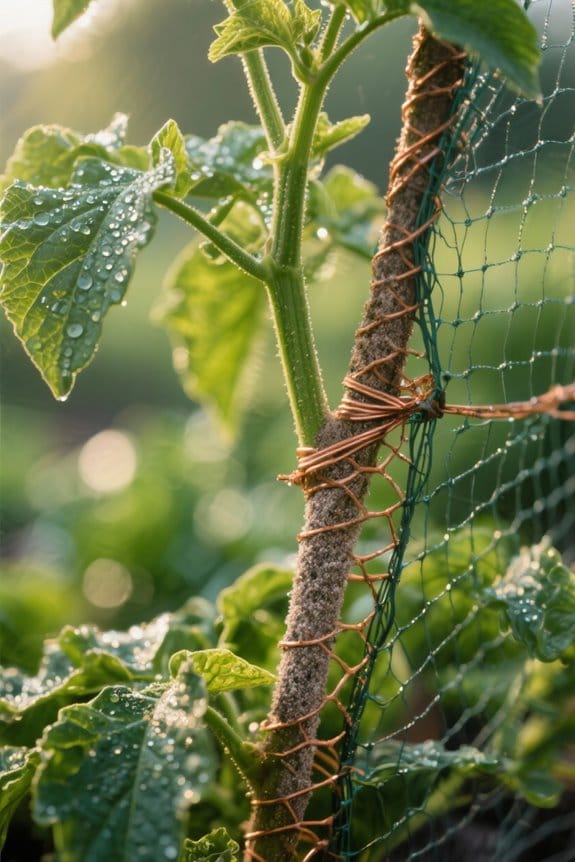
Creating Physical Barriers Against Garden Invaders

Creating physical barriers is your best bet against garden invaders like rabbits and deer. Start with sturdy fences—an 8-foot high woven wire fence can keep deer out, while chicken wire will deter smaller pests. Bury the base to stop burrowing critters. Use row covers to shield young plants from birds. Remember—“A good fence makes the best neighbors!” Maintain and inspect your barriers regularly for effectiveness. Keeping these tips in mind will lead to a thriving garden. You’ll discover even more strategies soon!
Key Takeaways
- Install sturdy fences at least 8 feet high for deer and 2-3 feet high for rabbits, using durable materials like woven or chicken wire.
- Bury mesh fencing 6-12 inches underground to prevent burrowing pests from accessing plants.
- Use row covers and wire cloches to protect fragile young plants from birds and insects while allowing air and moisture circulation.
- Regularly inspect barriers for damage and clear the surrounding area to minimize hiding spots for invading pests.
- Combine physical barriers with additional deterrents like repellents and scarecrows for enhanced protection against garden invaders.
Understanding Garden Invaders
In the vibrant world of gardening, some visitors are more unwelcome than others. Garden invaders, such as rabbits, deer, squirrels, and birds, can wreak havoc on a well-tended plot. Each pest poses unique threats, from rabbits munching tender shoots to deer feasting on nearly every plant. To protect your garden, it’s essential to identify signs of these pests. Look for trampled vegetation or distinctive droppings. Understanding their habits will guide you in maintaining effective physical barriers. Think about high fences for deer or wire cloches for delicate plants. Many gardeners say, “A good fence makes the best neighbors”—and it’s true! By implementing these defenses, you can protect your plants from unwelcome invaders and enjoy a flourishing garden. Incorporating multi-surface compatibility in pest barriers ensures they are versatile and effective against various garden invaders.
Characteristics of Common Garden Animals
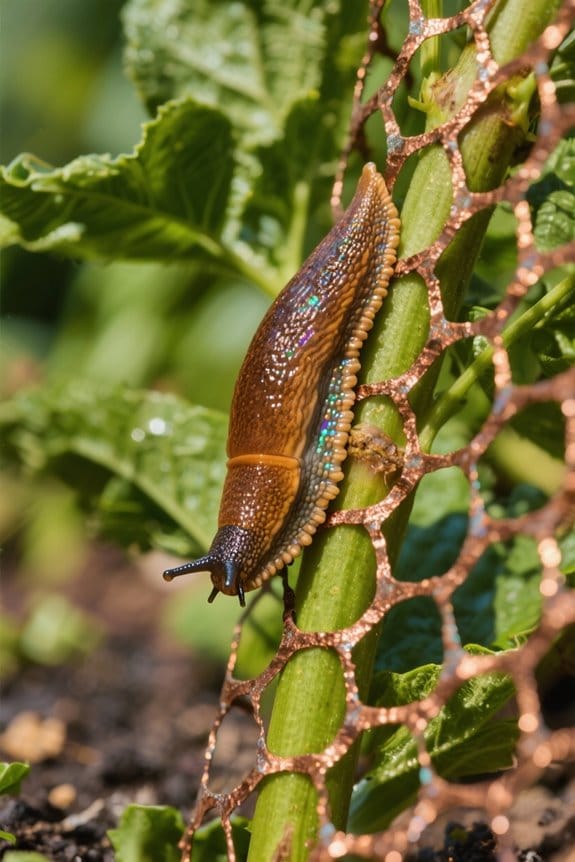
Garden animals come with unique characteristics that can shape your gardening experience. Rabbits have a strong taste for tender shoots, wreaking havoc on vegetables and flowers. Similarly, deer are voracious eaters, threatening any plant in their path. Squirrels take delight in digging up bulbs, while birds enjoy pecking at fruits and vegetables. Their antics can make protecting your garden from pests feel like an uphill battle. Meanwhile, moles, though not directly damaging to plants, disrupt root systems, creating unsightly tunnels. Introducing beneficial insects can help reduce the reliance on chemical pesticides and promote a balanced ecosystem in your garden. To keep your garden healthy, employing natural deterrents can be beneficial. By understanding these pests, you’ll find that your garden is less susceptible to invasion, allowing for a flourishing landscape filled with happy, thriving plants.
Choosing the Right Fencing Materials

Selecting the right fencing materials can bring peace of mind to any gardener facing unwanted visitors. Woven wire is a durable choice, perfect for keeping larger animals like deer at bay. It withstands harsh weather and can last for years. For smaller critters, chicken wire with a mesh size of 1 inch or smaller is your best bet. Electric fencing is another option; it delivers a mild shock to deter small mammals without harm. Just remember, deer need a fence at least 8 feet tall or a clever double fence trick to stop their leaps. Regular maintenance is key. Keep an eye out for wear and verify gates are secure to maintain barrier effectiveness. Many gardeners also prefer using eco-friendly solutions to manage pests without harming beneficial species. Happy gardening!
Recommended Products

Complete Garden Fencing Solution - Transform your outdoor space with our 100FT flat top garden fencing kit. Includes 12 sturdy 5 x 8 feet fence panels, providing ample coverage for gardens, backyards, and more. Enhance accessibility with a fencing gate included in the set. Secure installation is ensured with 14 durable fence posts and 80 connectors, offering stability and longevity to your fencing project. Enjoy convenience and reliability with this all-in-one solution for your fencing needs.

Manufactured In: Canada

PREDATOR-PROOF PROTECTION: Our high-quality 1" heavy-duty knotted netting shields your cherished flock from game birds and formidable predators like hawks, ensuring their safety
Effective Fence Designs for Specific Animals

How can a gardener effectively keep specific animals at bay? Effective fence designs are key to protecting your garden. For deer, aim for a sturdy fence at least 8 feet high, possibly with an angled top to deter climbing. A double fence spaced 4-5 feet apart can also confuse those pesky deer. When it comes to rabbits, chicken wire with a mesh size of 1 inch or smaller is vital, and don’t forget to bury it 6-12 inches deep! Electric fencing can help keep smaller mammals away without harm. Regular maintenance is essential. This means checking for damage and ensuring gates are secure. Remember, a well-guarded garden is a happy garden! Additionally, using eco-friendly bug killers can help manage insect pests without harming children or pets, ensuring your garden remains both safe and thriving.
Recommended Products
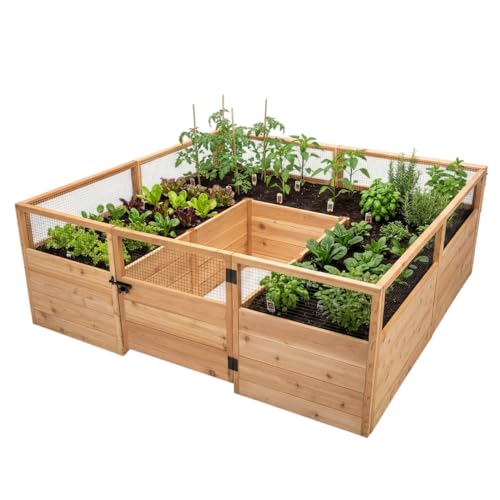
Exterior dimensions: 92W x 95D x 33.5H in.

DURABLE MATERIAL- Our Coarbor fence material is made of 100 % high-density HDPE which is 150 GSM heavy-duty. Breathable fabric allows water and air to go through freely. With this material, it will not tear or rip under normal weather conditions.

DURABLE MATERIAL- Our Coarbor fence material is made of 100 % high-density HDPE which is 150 GSM heavy-duty. Breathable fabric allows water and air to go through freely. With this material, it will not tear or rip under normal weather conditions.
The Role of Height in Fencing Effectiveness

Height plays a pivotal role in the effectiveness of fencing. Tall fences create a less inviting barrier for garden invaders like deer, who can jump over anything shorter than eight feet. For smaller pests, a fence height of 2-3 feet can work, but digging is a sneaky threat—so bury it 6-12 inches underground! Angled tops can also help by deterring climbing animals. Remember, electric fencing is useful for smaller critters, requiring just about three feet for a mild shock. Ensuring the height and integrity of your fence is essential. Regular checks and swift repairs make it harder for pests to access those vulnerable crops. For a non-toxic solution, consider using Mighty Mint Peppermint Oil to repel smaller pests. Keeping your garden safe can feel like a battle, but with these tips, you can win!
Incorporating Wire Mesh for Ground Protection
After tackling the height of fencing, another layer of protection comes into play—wire mesh for the ground. This barrier is essential in safeguarding your garden against burrowing animals like rabbits and moles. To use wire mesh effectively, bury at least 12 inches deep and extend it outward. This deters those sneaky critters from tunneling in. Opt for a mesh with small openings, no larger than 1 inch, to block even the tiniest pests while still allowing water and nutrients to flow. Sturdy materials, like galvanized steel, provide long-lasting defense against garden invaders. Don’t forget regular inspections to check for damage or displacements—it’s much easier to fix a little problem than a big one! Additionally, organic pest control solutions can complement physical barriers by targeting pests that might bypass them, ensuring a comprehensive approach to garden protection.
Recommended Products

TOUGHEST 6 INCH STAPLES ON THE INTERNET: This 8 gauge steel staple breaks through the hardest and rockiest soil. It's 40% THICKER than standard 11 gauge staples on Amazon! Unlike our competitor’s thinner 11 gauge staples that bend in hard soils, these landscape staples will pierce through the hard soil and get the job done - saving you valuable time & frustration. Great for desert environments such as Southern California that have very rocky soil!

Durable Material: Wire mesh is made from multiple strands of 304 stainless steel wire braided and twisted for strength, durability and rust resistance. Ideal for indoor and outdoor use, except coastal applications

Solar Powered LED Lights for Nighttime Ambiance: Our gazebos come with 4 built-in solar powered LED lights, absorbing solar energy automatically in daytime to supply power at night. It delivers soft warm lighting and extends outdoor leisure time without extra electricity cost, ideal functional hardtop gazebo for evening gatherings.
Utilizing Cloches for Individual Plant Defense
While a sturdy fence and buried wire mesh provide solid defenses, cloches are the secret weapon in the gardener’s arsenal. These wire cloches act as a natural barrier to protect your plants from small wildlife and bad weather. They offer individualized protection for delicate seedlings, fitting various shapes and sizes for effective coverage. Cloches help maintain a healthy humidity and temperature around your plants, creating an ideal environment for growth. Most importantly, they come with adjustable openings for ventilation, preventing overheating. Plus, these temporary solutions are easy to remove or reposition as needed. So, when those garden invaders come knocking, cloches will help safeguard your garden with style and grace—like a bouncer for your plants! For those seeking pesticide-free solutions, insecticidal soaps with all-natural ingredients could complement the protection strategy by addressing pest infestations without chemicals.
Recommended Products

All-Weather Garden Cover Protection: This garden cover offers robust defense against harsh elements like frost, heavy rain, strong winds, and hail, ensuring your plants thrive through every season and extending your growing period by months—even through winter in mild climates.

PROTECTS BETTER THAN OTHERS. DOESN’T BREAK, DOESN’T DEFORM Thicker (1.1 mm) mesh, unlike some others (0.8 mm) that are flimsy and break easily. Pack of 12 garden cloches for plants, 12" diameter x 20" height plant cloche

【Upgrade Larger Size】 Kalolary plant protectors from animals has been upgraded with a larger size for optimal plant protection. Measuring 20”high and 14”diameter of each pack, this plant cage provides ample space for plants and flowers to grow without being compromised by small animals. With 8 packs of garden protectors in one package, you’ll receive a total of 16 panels, making it easy to use and replace as needed.
Maintenance Tips for Long-lasting Barriers
How can garden enthusiasts guarantee their barriers last through the seasons? Regular maintenance is key for effective defense against pest populations. Inspect fences and barriers often for any signs of damage. Replace any compromised sections swiftly to confirm protection. Keeping the area around your barriers free of debris is also crucial; it decreases cover for sneaky pests. For added security, reinforce the bottom of fences by burying a portion or using wire mesh. Don’t forget to apply protective paint or sealants on wooden barriers to prevent rot. Finally, confirm your gates operate smoothly and latch securely—you wouldn’t want an opportunistic raccoon waltzing in like it owns the place! Your hard work will pay off with a thriving garden. Consider using pet-safe ant traps like those from ORTHO, TERRO, Raid, and Maggies Farm to further protect your garden from ant invasions without harming your pets.
Combining Fencing With Other Deterrent Strategies
Effective garden protection often requires more than just sturdy barriers. Combining fencing with additional deterrent strategies creates a powerful defense against garden invaders. For instance, a robust fence should be at least 8 feet high for deer and 2-3 feet for rabbits, complemented by buried mesh to deny animal access. Adding physical barriers like row covers and wire cloches protects young plants from smaller pests. Don’t forget to use repellents, both homemade and commercial, to create an unpleasant environment. Visual aids, such as scarecrows, can also enhance this multi-layered defense. Just remember, a little bit of creativity can go a long way; after all, “A fence might keep out deer, but a good scarecrow keeps the drama on TV!” Breathable fabrics like polypropylene are recommended for row covers to ensure air and moisture circulation while protecting plants from frost and pests.
Recommended Products


EASY INSTALLATION: Designed for homeowner, farmer, pet owner and more. No professional installation required

Power Source Type: Manual
Evaluating the Effectiveness of Your Barriers
A sturdy fence stands as the first line of defense against hungry critters. To guarantee barriers remain effective, regularly evaluate them for gaps, damage, or wear. Check the height of fences—deer fences should be at least 8 feet tall, while rabbit fences need to stand 2-3 feet high. Don’t forget to assess how deep those underground components go; they should reach 6-12 inches to thwart digging pets. As seasons change, observe pest behavior and adjust protections during peak activity months. Gather data from your garden to identify successful deterrents. Strategic placement of barriers can significantly enhance their effectiveness against invaders. Remember, persistence pays off in gardening! With careful tweaking, your barriers will effectively protect your plants from pesky invaders. Happy gardening!
Frequently Asked Questions
What Is the 70/30 Rule in Gardening?
In the garden’s grand design, the 70/30 rule emphasizes a soil composition favoring local plants, ensuring ideal sunlight exposure, thoughtful plant spacing, effective water management, and nutrient balance while allowing for experimental growth and crop rotation.
What Are the Physical Barriers for Pest Prevention?
Physical barriers for pest prevention include row covers to shield crops, garden fences to deter larger animals, mulch layers to obstruct pests, netting solutions for smaller intruders, raised beds for height advantage, and companion planting for natural defense.
What Is the Best Barrier to Stop Weeds?
The best barrier to stop weeds involves landscape fabric combined with organic mulch types. This approach offers effective weed suppression through various barrier options, enhancing garden borders and promoting healthier soil with organic solutions.
What Are the Barriers to Gardening?
Barriers to gardening include garden pests, invasive species, soil erosion, and climate extremes. Additionally, poor water drainage and animal feeders can hinder plant growth, creating challenges for gardeners aiming to maintain healthy, productive gardens.


