As an Amazon Associate, we earn from qualifying purchases. Some links on this site are affiliate links at no extra cost to you. Our recommendations are based on thorough research and editorial judgment.

Creating a Pollinator-Friendly Pest Management Strategy

Creating a pollinator-friendly pest management strategy is easier than it sounds. Focus on using native plants that attract beneficial pollinators like bees and butterflies. Companion planting, such as pairing basil with tomatoes, can help keep pests away naturally. Regularly check your plants for signs of trouble—catching issues early makes a big difference. Remember, avoiding pesticides near flowers protects pollinators and your garden will thrive. Stick around to discover more strategies that keep your garden buzzing and blooming!
Key Takeaways
- Implement Integrated Pest Management (IPM) techniques to prioritize natural pest controls and minimize harmful pesticides in your garden.
- Plant diverse, native flowers and practice companion planting to attract beneficial pollinators and deter pests naturally.
- Use mechanical and physical barriers, like row covers, to protect plants from pests while safeguarding pollinator populations.
- Regularly monitor pest populations and ecosystem health by observing plant damage and the presence of beneficial insects and pollinators.
- Utilize non-toxic homemade pest deterrents, such as garlic and onion sprays, to manage pest issues without harming pollinators.
The Importance of Pollinator-Friendly Pest Management
Pollinator-friendly pest management is essential for a healthy environment, especially since these little creatures help feed the world. Bees and butterflies play a significant role in pollinating over 75% of flowering plants. Sadly, harmful pesticides threaten their populations. However, by using pollinator-friendly pest management techniques, we can protect them. Strategies like Integrated Pest Management (IPM) focus on natural controls and minimize chemical usage. Imagine creating gardens full of native plants. These not only attract pollinators but also help with pest control. Healthy ecosystems thrive when their plant diversity is high. A balanced garden can be achieved by attracting beneficial insects and using eco-friendly pest control solutions that protect both plants and pollinators. So, let’s embrace pollinator-friendly practices to keep these invaluable friends buzzing around. After all, “If you want a beautiful garden, plant a little love and a lot of flowers!”
Sustainable Practices for Effective Pest Control

When it comes to managing pests, gardeners can choose sustainable practices that not only protect plants but also support the ecosystem. Techniques like companion planting—think of those tomatoes snuggling with basil—can keep pesky bugs at bay while inviting friendly pollinators. Healthy, nutrient-rich soil made from organic matter helps plants stand strong against pests, cutting down the need for chemical sprays. Consider using native plants; they encourage local insect diversity and are better at managing pests naturally. Physical barriers like row covers? Clever choices! They keep unwanted critters out without bothering our buzzing friends. By embracing these sustainable practices for effective pest control, gardeners can enjoy a thriving garden that’s kind to pollinators and effective at pest management through Integrated Pest Management. A great option for gardeners is Kates Peppermint Oil Bug Spray, which is child-safe and naturally repels various pests, offering an eco-friendly alternative to chemical sprays.
Monitoring Pest Populations and Ecosystem Health

Monitoring pest populations is a wise practice that serves as the backbone of any effective pest management strategy. By closely observing your plants, you can spot the good guys—those beneficial insects that naturally help control pests. Regular checks for pest damage help determine if populations are manageable, saving you from unnecessary pesticide use. Keep an eye out for pollinators, too, as their presence signals a healthy ecosystem. Tracking pest numbers over time is like reading a story; you can see whether pests are getting tough or staying in check. Engaging in consistent monitoring encourages a proactive, rather than reactive, approach. As they say, “An ounce of prevention is worth a pound of cure!” Beneficial insects like Green Lacewings and Ladybugs can play a crucial role in maintaining the balance in your garden by targeting specific pests such as aphids and mealybugs. Happy gardening!
Mechanical and Cultural Pest Control Methods

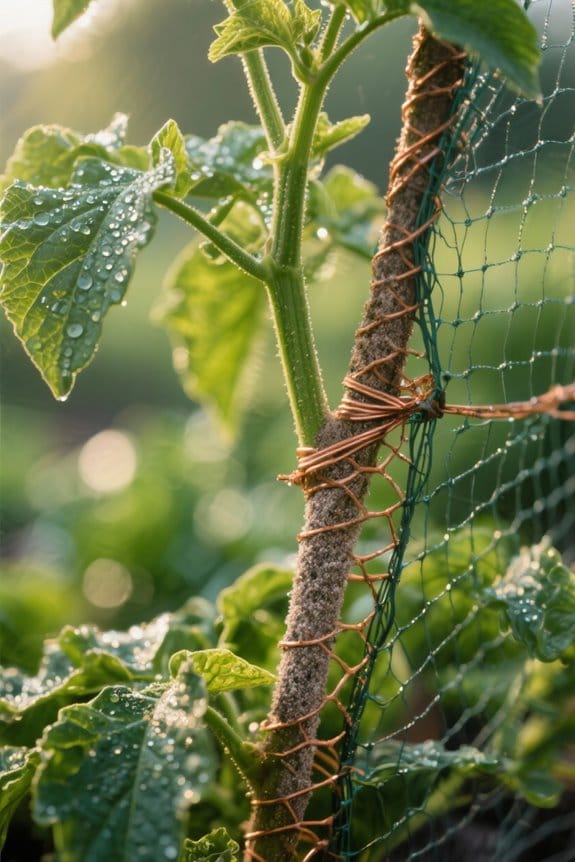
Though pests can be a gardener’s bane, the right mechanical and cultural control methods can considerably reduce their impact. Mechanical pest control methods, like tilling and cutting, disrupt pest habitats without resorting to chemicals. Couple this with cultural techniques such as crop rotation and intercropping, which keep your soil healthy while making it hard for pests to thrive. Don’t forget about barriers! Row covers and insect netting keep pests away from your precious plants, allowing sunshine and moisture to do their job. Regularly checking on your plants helps catch problems early, preventing pest damage. Just remember, a little diversity in your garden is like a buffet for beneficial insects that do the pest control work for you. Trifecta Crop Control is a highly rated organic pesticide option that is effective against various pests and safe for kids and pets. Gardening can be fun and rewarding!
Recommended Products

𝐏𝐑𝐄𝐌𝐈𝐔𝐌 𝐉𝐔𝐓𝐄 𝐂𝐎𝐍𝐒𝐓𝐑𝐔𝐂𝐓𝐈𝐎𝐍: Our Soil Saver Erosion Control mat is made from premium-quality jute, a natural and biodegradable material renowned for its superior erosion control capabilities. Its long-lasting nature makes it suitable for prolonged use in various environmental conditions.

🌱Note: Garden bed not included.This size matches perfectly with our Classic series 10 in 1 garden beds by 4' x 8'.

Spacious Crop Cages- Our ultra long tunnel crop cage measures 12.3 feet in length and 4.1 feet in width, with height options of 4.1 feet or 6 feet. the weight is around 16 pounds,easy to carry and portable,designed to cover large raised beds
Promoting Biological Control Through Native Predators

Creating a vibrant garden is not just about what to plant; it’s also about who you invite to the party. Promoting biological control through native predators, like ladybugs and lacewings, can greatly reduce pest populations. These beneficial insects feast on pesky garden nuisances such as aphids. By incorporating a diverse range of native plants, you create a welcoming habitat and food sources for these helpful critters. Studies show that gardens brimming with biodiversity attract 60% more native insect species. Planting flowers from the carrot and aster families—with dill and coneflowers being prime choices—can enhance your pest-fighting allies. This balanced approach helps maintain a healthy ecosystem and reduces risk to pollinators, making gardening a more harmonious and enjoyable experience. Additionally, using chemical-free cleaning solutions in your garden can prevent harmful residues, ensuring the safety of pollinators and other beneficial insects.
Minimizing Pesticide Use Near Pollinator Habitats
As gardeners endeavor for vibrant blooms and healthy plants, they often face the challenge of pest management, especially near pollinator habitats. To minimize pesticide use, it’s vital to read labels carefully. This guarantees safe application methods and appropriate rates. Timing is everything; spraying during calm evenings or early mornings when pollinators are resting can dramatically reduce their exposure. Imagine a sleepy bee saying, “No thanks, I’ll take a nap!” It’s also wise to steer clear of flowering plants when applying pesticides. This protects essential food sources for those buzzing buddies. Finally, regular monitoring of pollinator populations helps assess any impact, allowing gardeners to adjust practices to prioritize their health, guaranteeing all can thrive in harmony. Incorporating natural solutions such as peppermint oil repellents can effectively manage pests while minimizing harm to pollinators.
Implementing Vegetative Buffer Zones
Establishing vegetative buffer zones can be a game changer for garden enthusiasts seeking to protect local pollinators. These strips of vegetation act like guardians, filtering out harmful chemicals from pesticide application areas. Research indicates that buffer zones can reduce pesticide drift by over 66%. That’s a big win for bees and butterflies! Aim for a buffer zone of at least 10 to 30 feet. Planting native flora not only defends pollinators but also provides them with food and shelter. Regular maintenance and a diverse mix of plants can work wonders. Remember, a vibrant garden can be a safe haven. So, dig in, get your hands dirty, and create a pollinator paradise right in your backyard! Incorporating beneficial insects into your garden can also enhance the ecosystem by naturally managing pests and reducing the need for chemical pesticides.
Utilizing Natural Repellent Solutions
While creating a safe garden space for pollinators through vegetative buffer zones is essential, another effective strategy lies in utilizing natural repellent solutions. Neem oil mixed with warm water and mild soap works wonders against soft-bodied pests. Apply it during cooler times to keep those leaves safe. Regular application every 7-10 days is essential for optimal pest management and plant health. Homemade sprays using garlic, onion, or cayenne serve as non-toxic deterrents. You can even blend essential oils like clove and lavender as effective pest repellents that are safe for our buzzing friends. Just a spritz of garlic or pepper can keep unwanted critters away! Regularly using these natural repellent solutions not only protects your plants but also boosts the garden’s biodiversity. Who knew pest control could be this friendly?
Recommended Products

SUPER CONCENTRATE MAKES 1,000 GALLONS - Earth's Ally 3 in 1 Plant Spray Super Concentrate creates 1,000 gallons of multi-purpose pest and fungus spray that works as an insecticide, miticide and fungicide. The formula effectively controls insects and common plant diseases with a synergistic blend of botanical oils.

EFFECTIVE SPIDER MITE, POWDERY MILDEW & PLANT DISEASE CONTROL – Natural miticide and spider mite killer effective against two-spotted spider mites, broad mites, russet mites, whiteflies, aphids, powdery mildew, and downy mildew on vegetables, flowers, houseplants, indoor plants, ornamentals, and garden crops.

BEST NATURAL SOLUTION TO DEFEAT MILDEW, MITES AND MOLD - Crop Control is hands down the BEST choice to prevent and cure Powdery Mildew, Spider Mites, Russet Mites, Broad Mites, Botrytis, Grey Mold, Aphids, fungal and parasitic species on plants. Uses plants natural defense systems to defend with zero harsh chemicals or toxins.
Creating a Bug-Friendly Garden
Creating a bug-friendly garden is crucial for promoting a healthy ecosystem, especially when it comes to encouraging beneficial insects. Start by planting a diverse range of native flowers. This choice alone can increase the presence of these helpful creatures by 60%. Flowers from the carrot family, like dill and coriander, attract predatory insects that help manage pests. Allowing your basil and cilantro to bloom can provide essential food for these allies. Additionally, diversify your plant families with asters and verbena to bring in larger predators like ladybugs. It’s all about understanding pest biology—it’s not just about keeping pests away! Remember, a little biodiversity can go a long way in creating a thriving garden environment. Consider integrating non-toxic, eco-friendly options such as spider traps to safely manage pest populations without harming beneficial insects.
The Role of Companion Planting
Companion planting plays an essential role in natural pest management. When you pair specific plants, you not only deter pesky invaders but also invite helpful insects. For instance, basil placed near tomatoes can keep those pesky flies away while attracting delightful bees to boost your harvest. Marigolds are your new best friends; they repel nematodes and partner well with tomatoes and cucumbers. Ever heard of nasturtiums? They act as trap crops, happily luring pests from precious brassicas like cabbage. And let’s not forget the Three Sisters method—corn, beans, and squash work together to support each other while inviting pollinators. Embracing companion planting can transform your garden into a thriving ecosystem while keeping pests at bay. Who wouldn’t want that? It’s also beneficial to incorporate environmental nematodes into your garden, as they offer a non-toxic, safe option for targeting pests like thrips and whiteflies.
Strategies for Effective Pest Trapping
Trapping pests effectively can be a game changer for your garden. Utilizing designated trap plants, like Shasta daisies for black aphids, draws pests away from your prized crops. Simple yellow sticky traps catch aphids and whiteflies easily, letting you monitor pest populations. For slugs, a beer trap can entice them into a container where they won’t cause trouble anymore. Just imagine that! Additionally, placing diatomaceous earth around plants forms a barrier against crawling insects while being safe for pollinators. Regular monitoring is key—keep an eye on trap plants and take action quickly if pests show up. With these strategies, you’ll have effective pest control without harming the beneficial friends of your garden. Happy gardening!
Recommended Products

Fit for Heavy Infestation & Commercial Use:You will receive 900 pcs sticky traps for gnats and 900 pcs twist ties, a great deal. Sticky trap bulk is ideal for large gardens, greenhouses, farms, warehouses, or severe indoor pest problems. No need for frequent restocking—a cost-effective, long-term pest control solution

[Complete Fly Trap Kit] – Each set includes 4 PVC trap balls, 1 air pump. Everything you need is provided to set up quickly and start reducing flying insect problems outdoors

Replacement Kit Includes: (6) Bug Ball trap, (6) inflation needle
Resources for Further Learning and Support
Finding reliable resources can greatly enhance one’s understanding of pest management, especially when it comes to safeguarding pollinators. The U.S. Department of Agriculture offers valuable guidance on Integrated Pest Management (IPM). Local Master Gardener Programs give advice tailored to your area that can make pest management less intimidating.
Don’t forget about your extension offices and universities; they often hold workshops full of useful information! Check out your Regional Integrated Pest Management Centers for research-based practices that are friendly to beneficial insects.
Lastly, browse USA.GOV for government resources to find programs and initiatives. With these helpful resources, managing pests while protecting pollinators becomes a team effort—just like a garden that blooms with buzzing friends!
Frequently Asked Questions
How Do I Identify Beneficial Insects in My Garden?
To identify beneficial insects in a garden, one must focus on insect identification techniques, such as observing physical features, behaviors, and habitats. Resources like field guides and local extension services can be invaluable for accurate identification.
What Are Some Common Signs of Pest Infestations?
One might ponder the silent whispers of nature that reveal pest infestations through signs like wilting leaves, unusual holes, sticky residues, or the presence of frass. Effective pest identification becomes essential to maintaining garden health.
Are There Specific Plants That Attract Pollinators?
Certain native flora, such as coneflowers, bee balm, and milkweed, effectively attract pollinators. These plants provide essential nectar and habitat, fostering healthy ecosystems and promoting biodiversity essential for sustaining local pollinator populations.
How Can I Create a Pollinator Habitat in Small Spaces?
Urban gardening in small spaces can create vibrant pollinator habitats. Curiously, studies show that urban gardens can attract up to 50% more pollinators than rural areas, enhancing biodiversity while using containers, window boxes, and vertical gardens effectively.
What Should I Do if I’m Unsure About Pesticide Safety?
If unsure about pesticide safety, one should explore pesticide alternatives, such as organic solutions or integrated pest management techniques. Researching these options and consulting local agricultural extensions can provide safer, effective strategies for pest control.