As an Amazon Associate, we earn from qualifying purchases. Some links on this site are affiliate links at no extra cost to you. Our recommendations are based on thorough research and editorial judgment.

Choosing Native Plants for Natural Resistance

Choosing native plants for natural resistance is a smart move for your garden. They thrive in your local climate and need less water and maintenance. For example, Nebraska’s Purple Coneflower draws in pollinators and keeps pests away. Their deep roots also benefit soil health, preventing erosion. Plus, native plants are like a buffet for local wildlife—a real win-win! In the next section, you’ll discover more about selecting the best native plants for your yard.
Key Takeaways
- Select native plants that are well-adapted to your local climate for increased resilience against local pests and diseases.
- Incorporate a diverse range of native species to create a robust ecosystem that can withstand environmental stresses.
- Plant in appropriate soil and sunlight conditions to ensure optimal growth and reduce vulnerability to pests.
- Utilize local native plant guides to identify species that are naturally resistant to common local challenges.
- Use organic pest control methods with native plants to maintain a healthy balance of beneficial insects and wildlife.
Benefits of Using Native Plants
When it comes to creating a beautiful garden, the benefits of using native plants shine brightly. These local species are perfectly adapted to the local climate, requiring less water compared to their non-native relatives. This means less irrigation and more savings for you! Native plants thrive with minimal fuss, needing less fertilization and pest control, making them a gardener’s dream. They also provide essential food and habitat for pollinators, helping to sustain biodiversity. Plus, their deep roots boost soil health by preventing erosion. Picture a resilient garden that looks fantastic and helps the environment. By choosing native plants, you’re not just creating beauty; you’re becoming a steward of nature with a bit of green thumb magic. Additionally, using organic pest control solutions can further enhance your garden’s eco-friendliness by minimizing harm to beneficial insects and ensuring safety for pets and children.
Recommended Products

Native Perennial Wildflower Mix: Grow a curated blend of North American native wildflowers that provide vibrant, season-long blooms year after year.
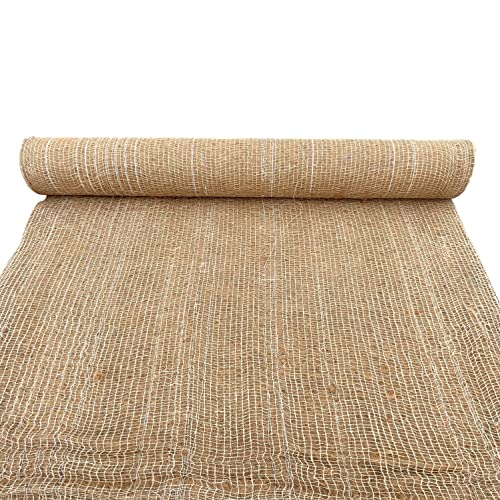
100% COCONUT FIBER FOR EROSION CONTROL: Made from 100% coconut fiber, this mat stabilizes steep slopes and controls erosion while supporting natural seed germination in eco-restoration and highway landscaping projects.

Non-GMO Bulk Bee Balm Wild Bergamot Flower Seeds Monarda fistulosa
Selecting Native Plants for Your Landscape

Creating a vibrant landscape starts with the wise selection of native plants. Begin by understanding your local ecosystems to find the best local species. Assess your climate and soil conditions, like moisture and sunlight exposure, to choose the right plants. Incorporating a diverse range of native plants not only adds beauty but supports pollinators and provides habitat for local wildlife. Select plants that offer year-round visual interest, ensuring that your yard remains lively in every season. Remember, choosing native plants is like throwing a party for nature—everyone’s invited! For extra help, local native plant societies can guide you toward species that thrive in your area. Happy planting! Introducing beneficial insects into your garden can enhance natural pest management and reduce the reliance on chemical pesticides.
Examples of Native Plants in Nebraska

Nebraska boasts an incredible variety of native plants that can transform any garden into a lively oasis. For instance, grasses like Big Bluestem and Little Bluestem excel at soil stabilization, preventing erosion with their deep roots. Add wildflowers such as Purple Coneflower and Black-Eyed Susan to attract pollinators, creating a burst of natural beauty. Shrubs like American Hazelnut provide food and shelter for local wildlife. Meanwhile, majestic trees like Bur Oak thrive in Nebraska’s local climate and soil, offering cool shade and contributing to carbon capture. Groundcovers like Prairie Smoke enhance moisture retention, enriching the ecosystem. By choosing these species, you can create a flourishing habitat that not only looks great but also supports Nebraska’s unique wildlife. Incorporating diatomaceous earth, known for its OMRI certification, can further benefit your garden by providing a natural pest control solution that is safe for both plants and animals.
Recommended Products

🌸This exclusive selection of 8 varieties of annual and perennial flower seeds provides gorgeous and easy-to-grow wildflower seeds . Wildflower seeds bulk for planting in your garden, farm, or field. Our Midwestern Wildflower Seed Mix is specially formulated to thrive in midwestern states of the USA including Iowa, Kansas, Nebraska, Minnesota, Michigan, & more.


Mesotrione, a potent herbicide, immediately absorbs and starts working upon application, yet it may take 2-3 weeks for full weed death. Activation requires water; if no rainfall occurs within 10 days, apply 0.15 inches of water.
Planting and Maintenance Tips for Native Species

To guarantee a thriving native garden, timing is everything. Plant native plants in the fall or early spring, when temperatures are cooler and moisture is abundant. This helps establish deep root systems. Initially, they do require consistent watering, but once settled, they typically need minimal extra care. Using organic mulch can help retain that moisture, control weeds, and protect roots. Just don’t pile it too high—think of it like a cozy blanket, not a mountain! Pruning should only be done to remove damaged branches, as many species prefer natural growth. Beneficial insects like Green Lacewings enhance garden health by reducing pests, making them a valuable addition to your planting strategy. Mixing different native species enhances biodiversity and creates a resilient landscape. So, get ready to reap the rewards of pest control and a healthy ecosystem—all while enjoying a flourishing garden!
Creating a Sustainable Native Plant Garden

A successful native plant garden is like a well-orchestrated symphony, harmonizing nature with human creativity. To create such a garden, consider your local soil and climate. Choosing plants that thrive in your conditions means lower maintenance and healthier growth. Proper planting techniques, including using organic mulch, help retain moisture and keep pesky weeds at bay. Replacing traditional lawns with native grasses can conserve water and prevent soil erosion. A diverse range of native plants not only enhances the beauty of your landscape but also provides food and shelter for local wildlife. Incorporating species that bloom at different times keeps your garden lively year-round. Remember, a well-planned garden can help prevent headaches down the road—talk about a win-win! Additionally, using natural ingredient aerosol sprays can effectively control pests in the garden without harming children or pets.
The Role of Native Plants in Supporting Local Wildlife
How can native plants really make a difference for local wildlife? They create essential habitats for native species, acting as food sources and homes. For instance, native plants support up to 15 times more caterpillar species than non-natives. This is good news for birds like chickadees and bluebirds that feast on these caterpillars to feed their young. Additionally, planting native flowers can attract diverse pollinators, benefiting ecosystem health and plant reproduction. These plants also help establish habitat corridors, connecting fragmented landscapes and allowing bees and butterflies to thrive. With enhanced chemical resistance, native plants naturally boost biodiversity, creating a thriving environment for all. In short, choosing native plants enriches both your garden and local wildlife’s lives. Many gardeners prefer eco-friendly options because they reduce chemical exposure for plants, pets, and humans.
Frequently Asked Questions
What Is the 70/30 Rule in Gardening?
The 70/30 rule in gardening recommends utilizing 70% native plants for their benefits like soil compatibility, local climate adaptation, biodiversity enhancement, and pest resistance, while 30% accommodates non-natives, maintaining ecological balance and seasonal interest with lower maintenance requirements.
What Is the Rule of 3 in Landscaping?
“Three’s a charm” in landscaping refers to the Rule of 3, which emphasizes harmonious plant combinations for aesthetic balance, seasonal interest, pollinator support, soil health, drought tolerance, and maintenance simplicity in habitat design.
What Is the 3 Year Rule in Gardening?
The 3 Year Rule in gardening emphasizes a timeline for plant establishment, highlighting that growth patterns evolve with seasonal growth. Understanding soil health and environmental factors aids in creating an effective maintenance schedule and supporting long-term planning.
How to Select Native Plants?
To select native plants, one must consider local ecosystems, soil suitability, and climate conditions. These plants exhibit remarkable adaptations, enhancing pest resistance, aesthetic appeal, and biodiversity benefits while accommodating seasonal variations for a harmonious landscape.


