As an Amazon Associate, we earn from qualifying purchases. Some links on this site are affiliate links at no extra cost to you. Our recommendations are based on thorough research and editorial judgment.

Integrated Pest Management Principles Explained

Integrated Pest Management (IPM) is all about balancing pest control with environmental health. Think of it as a toolbox—where you use biological controls like ladybugs, cultural practices like crop rotation, and, only when necessary, thoughtful chemical applications. It’s like being a pest detective, where monitoring helps decide when to act. By reducing pesticide use by half, you protect crops and the planet. Stick around, and you’ll uncover more IPM strategies that can help your garden thrive.
Key Takeaways
- IPM integrates multiple pest control strategies, including biological, cultural, mechanical, and chemical methods, to manage pest populations effectively.
- Continuous monitoring and accurate identification of pests are essential for establishing action thresholds and determining when intervention is needed.
- Prevention focuses on promoting healthy crops and creating unfavorable conditions for pests to reduce infestations before they occur.
- Less risky management strategies, like using natural solutions first, minimize harm to humans and the environment while controlling pests.
- Implementing OMRI Listed products ensures compliance with organic practices, supporting sustainable pest management and enhancing biodiversity.
What Is IPM?
Integrated Pest Management, or IPM, serves as a smart solution for tackling pest problems. This environmentally sensitive approach combines various pest control methods to keep pest populations in check. Imagine it as using a toolbox with tools like biological control, which relies on natural enemies, before reaching for chemical solutions. IPM focuses on monitoring pest life cycles. It also sets action thresholds to determine the right moments for intervention. By applying these sustainable pest management strategies, both agricultural and non-agricultural settings benefit. This method minimizes risks to human health and the environment. Organic pest control solutions are often used in IPM to reduce reliance on synthetic pesticides, offering safe options for pets and children. It might not wear a fancy organic label, but IPM is an essential step toward reducing our reliance on synthetic pesticides. After all, healthy plants lead to happier harvests!
How Does IPM Work?

When it comes to managing pests effectively, understanding how IPM works can make all the difference. IPM relies on continuous monitoring and accurate pest identification. This guarantees you’re targeting the right nuisance, not just swinging at shadows. Prevention is key; healthy crops and unfavorable conditions for pests are your first lines of defense. Think of it like setting the table to discourage unwanted guests. Control tactics are prioritized based on effectiveness and health risks, so you might try natural solutions before reaching for chemicals. Plus, establishing action thresholds helps determine when intervention is necessary, optimizing resources and minimizing economic risks. Fast-acting gels, such as those effective against pests, can yield quicker results while minimizing the need for multiple applications. So, embrace this sustainable approach, and watch your worries shrink alongside pests!
Key Principles of IPM

Pest management can feel like a never-ending battle. Fortunately, Integrated Pest Management (IPM) offers a sustainable approach. The key IPM principles revolve around combining various pest control methods, including biological control and cultural practices. Continuous monitoring is essential—it helps identify pests and establish action thresholds, ensuring interventions occur only when necessary. You wouldn’t want to send in the chemical pesticides too soon, would you? By focusing first on less risky pest management strategies, IPM minimizes harm to both people and the environment. The ultimate goal is effective pest population management while optimizing crop yields. For instance, using OMRI Listed products ensures compliance with organic practices while providing a natural pest control solution. So, embrace IPM principles for a healthier garden and peace of mind—your plants will thank you, and so will the planet!
Benefits of Implementing IPM

Embracing the benefits of Integrated Pest Management (IPM) brings a sense of relief for gardeners and farmers alike. By considerably reducing pesticide use—up to 50%—IPM helps maintain crop yields and quality. This approach utilizes biological control methods that promote biodiversity, creating healthier ecosystems filled with helpful insects. Cost savings are also a perk; for every dollar invested in IPM, farmers can save up to $30. Furthermore, IPM fosters a sustainable agricultural system that protects human health by minimizing chemical runoff. Ultimately, these strategies enhance food security and public health outcomes, making farming not just profitable but also safe for the community. As they say, “A penny saved is a penny earned!” Many gardeners prefer organic due to environmental concerns, which aligns closely with the principles of IPM that emphasize reducing chemical usage.
Recommended Products

Organic

SUPER CONCENTRATE MAKES 1,000 GALLONS - Earth's Ally 3 in 1 Plant Spray Super Concentrate creates 1,000 gallons of multi-purpose pest and fungus spray that works as an insecticide, miticide and fungicide. The formula effectively controls insects and common plant diseases with a synergistic blend of botanical oils.

𝐏𝐨𝐰𝐞𝐫𝐟𝐮𝐥, 𝐀𝐥𝐥-𝐏𝐮𝐫𝐩𝐨𝐬𝐞 𝐏𝐞𝐬𝐭 𝐂𝐨𝐧𝐭𝐫𝐨𝐥: Eliminator Insecticide and Fungicide Concentrate tough away and controls mildew, fungus, mold, aphids, spider mites, whiteflies, fungus gnats, thrips, mealybugs, flies, and more – ideal for gardens, crops, greenhouses, and residential spaces.
Monitoring and Pest Identification
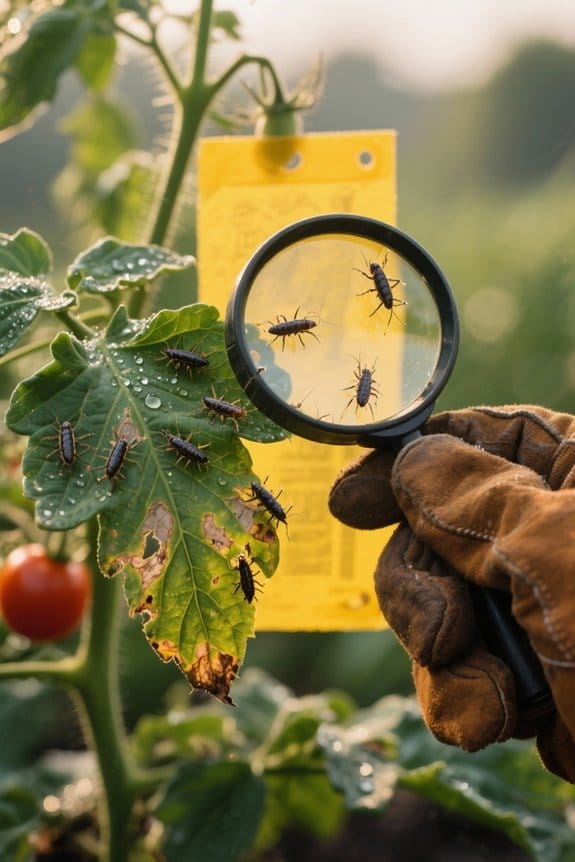
Gardening and farming without a solid strategy for managing pests can feel like steering a ship in a storm. Monitoring and pest identification are your guiding stars. Regular inspections help assess pest population levels and the damage they cause. Accurate pest identification is key; mistaking one pest for another can lead to ineffective control measures. Establishing action thresholds helps determine when it’s time to intervene. Tools like traps and visual assessments enhance these processes. Just remember, documentation is essential—keeping track of monitoring results is like taking notes in class; it informs future pest management decisions. With a little diligence, you can navigate through the storm and keep your plants sailing smoothly! Products like Green Gobbler Fruit Fly Killer+ have received positive feedback for their effectiveness and practicality in pest management.
Recommended Products

Trelona ATBS Annual Bait Stations give ongoing structural protection through colony elimination; however, conditions such as competing insects, floods, the presence of alternative food sources, and cold weather may alter complete structural protection

Attracts & Traps: Designed to effectively attract and retain stubborn carpenter bees, our Ultimate Pro bee remover trap features an industry-exclusive plastic-lined internal Bee Vault, extra-large external receptacle, and integrated bee bait cup

Attracts & Traps: The Carpenter Bee Turbo Trap 2.0 insect trap features an internal four-chamber Turbo funnel 2.0 that effectively attracts and retains stubborn carpenter bees, ensuring your home remains protected from annoying, unwelcome visitors
Control Methods in IPM
A variety of control methods can be utilized in Integrated Pest Management (IPM) to tackle pest issues effectively. These include biological controls, which involve using beneficial insects to target pests. Cultural controls, like crop rotation or choosing pest-resistant plants, can make your garden less inviting to unwanted critters. Mechanical controls, such as traps or barriers, help keep pests at bay—or even remove them by hand if needed! Chemical control is about using pesticides wisely, applying them only after monitoring shows they’re necessary. By blending these strategies, IPM enhances pest management while minimizing risks to people and the environment. Remember, combining different methods can lead to a healthier garden—like a well-balanced diet for your plants! Introducing beneficial insects like ladybugs and nematodes can naturally manage pests and support a balanced ecosystem.
Recommended Products


125LB GRANULES: Nature’s Mace Snake Repellent is easy to use and will cover up to 66,000 sq ft. Snake MACE repels snakes fast and prevents their return. For both commercial and home/garden use. Our formula repels by disrupting snakes Jacobson Gland, irritating the snake, causing it to turn back and seek a more pleasant environment. Snake Mace repels snakes fast and prevents their return. For both commercial and home/garden use.

EFFECTIVE SPIDER MITE, POWDERY MILDEW & PLANT DISEASE CONTROL – Natural miticide and spider mite killer effective against two-spotted spider mites, broad mites, russet mites, whiteflies, aphids, powdery mildew, and downy mildew on vegetables, flowers, houseplants, indoor plants, ornamentals, and garden crops.
Practicing IPM in Home Gardens
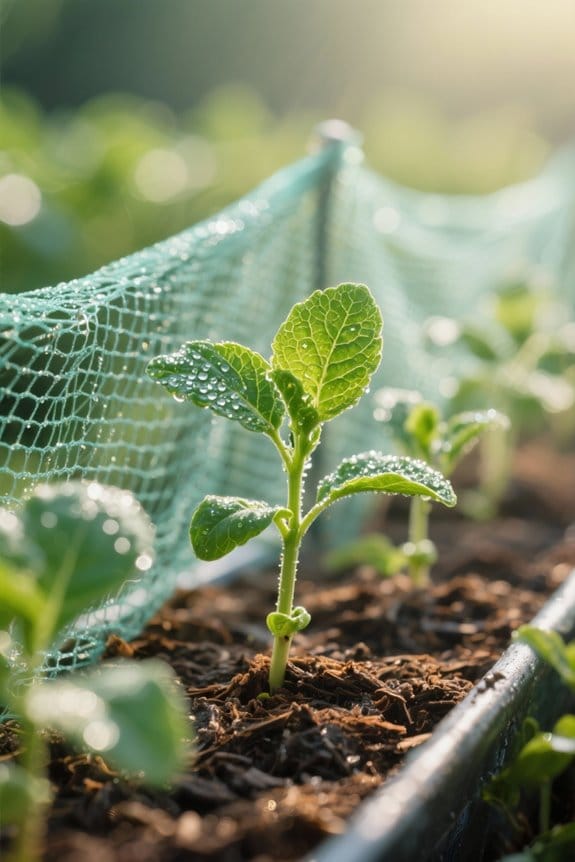
Many home gardeners find that practicing Integrated Pest Management (IPM) can transform their gardening experience. By closely monitoring pests and identifying them accurately, gardeners can decide when to take action. For instance, healthy crops often stem from practices like crop rotation and planting disease-resistant varieties. These methods help keep pests at bay naturally. Using physical barriers, like row covers, can protect plants without resorting to chemical pesticides. Regular checks for pests help establish thresholds for intervention, so you know when to step in. Local Extension Services provide valuable resources and guidance, making IPM even easier to adopt. Remember, a little patience and proactive care can turn a pest problem into a minor bump on your gardening journey! Using durable row covers made from breathable materials like polypropylene can enhance plant health by maintaining optimal conditions, helping to protect against frost and pests effectively.
Recommended Products

Breathable: air circulation will keep internal temperature of your bales lower, and allow ground moisture to escape to keep your hay in pristine condition

Premium Landscape Fabric: The weed barrier is crafted from high-quality and durable material, made of woven polypropylene material. ! ! ! Width folded and rolled up packaging so the box is only half the actual width. Open to return to actual size
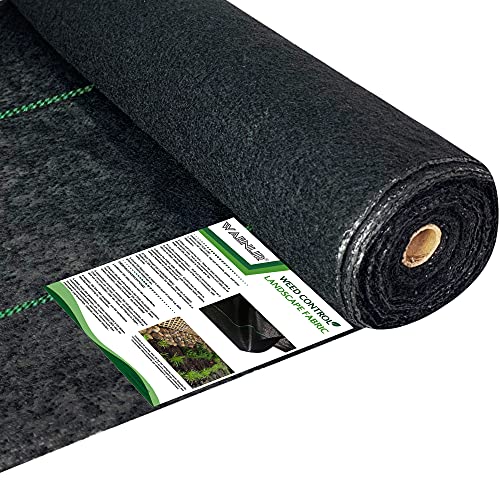
High Strength & Longevity: 5.8oz heavy duty landscape weed barrier fabric, made of tightly woven polypropylene fabric needle punched with UV-stabilized. 98.7% opaque to light, prevents weed seeds buried in the soil beneath from sprouting. The long-lasting weed blocker fabric will highly increase your productivity and economic benefits. Save time on buying standard fabrics and reinstalling!
Frequently Asked Questions
What Are the 4 Principles of IPM?
Pest control principles encompass prevention, monitoring, threshold-setting, and control. By balancing ecological methods and cultural practices through vigilant monitoring techniques, they prioritize biological methods, minimize chemical applications, consider environmental impact, and adhere to economic thresholds for effective pest identification.
What Are the 7 Steps of Integrated Pest Management?
The seven steps of integrated pest management include pest identification methods, monitoring techniques, setting economic thresholds, implementing control strategies through biological control, cultural practices, and chemical application, evaluating effectiveness, and maintaining detailed records while considering environmental impacts.
What Are the Three Basic Rules of an IPM Program?
The three basic rules of an IPM program include pest identification through monitoring techniques, establishing pest thresholds for control decisions, and applying a combination of biological control, cultural practices, and careful chemical application for sustainable agriculture.
What Are the Principles of Pest Management?
The principles of pest management include effective pest identification strategies, ecological pest control, vigilant pest monitoring techniques, sustainable agriculture practices, and integrated control measures that combine biological control methods with chemical pest management and pest resistance management.