As an Amazon Associate, we earn from qualifying purchases. Some links on this site are affiliate links at no extra cost to you. Our recommendations are based on thorough research and editorial judgment.


Drain Maintenance to Prevent Fly Breeding

Regular drain maintenance is essential to keep pesky flies away. Dirty drains create the perfect home for insects. Cleaning drains stops organic build-up that attracts flies. Use a stiff brush to clear debris and pour boiling water to dissolve grease. Consider microbial cleaners to break down stubborn waste. And remember, keeping drains covered can help, too! With a bit of routine upkeep, you’ll keep flies at bay. There’s plenty more you can do to make your kitchen a fly-free zone!
Key Takeaways
- Regularly inspect and clean drains to remove organic buildup that attracts flies.
- Use a stiff brush and boiling water to clear grease and debris from pipes.
- Employ bacteria-based cleaning products to digest organic matter effectively.
- Install screens over drains to limit access for flies and prevent debris accumulation.
- Schedule routine plumbing maintenance to address leaks and hidden buildup issues.
Understanding the Role of Drains in Fly Breeding
Drains can be sneaky little troublemakers in the fight against flies. They create a moist environment that’s perfect for breeding. Accumulated organic material like food particles and grease forms biofilm, which is a favorite nesting site for fly eggs. When you have slow or clogged drains, stagnant water becomes a fly’s paradise. These factors all lead to a potential fly infestation. Regular cleaning of drains is essential to remove this build-up and keep flies at bay. Think of it like a battle: if your drains are clean and flowing, the enemy (flies) simply can’t invade. So, roll up your sleeves, grab a brush, and tackle those drains! You’ll make your kitchen a much less attractive spot for these pesky creatures. Regular maintenance and reapplication are essential to avoid re-infestations and ensure that your efforts in keeping the drains clean are effective.
Common Types of Flies Found in Drains

When it comes to the unwelcome guests that may take up residence in your drains, a few distinct types of flies tend to show up. Drain flies, often the most notorious, breed in damp areas and are attracted to decaying organic matter. Fruit flies, those pesky little critters measuring about 1/8 inch, love hanging near kitchen sinks, drawn by rotting fruits and vegetables. Small flies like vinegar flies also find their way to drains, preferring sugary and fermenting food debris. To eliminate breeding sites for these pests, establish a regular cleaning routine. Regular drain cleaning is essential to keep these breeding grounds at bay. A clean drain means fewer flies—a win-win for your home! Additionally, comprehensive coverage of larger areas with suitable traps can help manage beetle populations and reduce the risk of fly breeding by controlling beetle infestations that may contribute to organic waste.
Best Practices for Drain Cleaning

Keeping drains clean can be a game-changer in fly prevention. Regular drain cleaning should be part of your cleaning routine, especially after food prep. A stiff drain cleaning brush is essential for tackling debris. Don’t forget to clean around the drain cover too! Boiling water can help flush out grease, while bacteria-based cleaning products digest organic matter. These methods not only help with sanitation practices but also minimize the risk of fly problems. And remember, don’t skip thorough inspections! Focus on those tricky, hard-to-reach areas where drain flies might lurk. Automated drain line injection systems can also help combat grease buildup. For an eco-friendly approach, consider using rechargeable batteries in your cleaning devices to reduce waste and promote sustainability. With vigilant care, your drains can remain fly-free and revitalizing—like a refreshing breeze in your kitchen!
Recommended Products
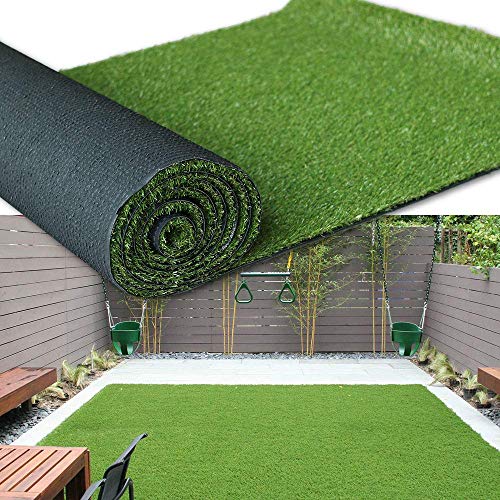
Realistic Artificial Grass: Grass Height about 1.38" in length, high-density artificial grass. With 4-tone Color, soft and lush and the thatch looks & feels like real natural grass. Providing you with Year round Green and turf enjoyment, perfect for all indoor and outdoor projects.

ULTRA-RIGID 100% CARBON FIBER CONSTRUCTION – Built entirely from high-grade carbon fiber for unmatched strength and stiffness; virtually eliminates flex or bending even under heavy load with attached tools.

FEEL LIKE REAL GRASS: XLX TURF fake grass rug use for indoor outdoor, come with 4 tones & C shape, 84.6 oz/sq.yard, lusher, natura, reaistic appearance, comforable perfect for both indoor and outdoor landscapes, withstand heavy foot traffic and weather conditions
Preventative Measures to Avoid Fly Infestations

Proper drain maintenance lays the groundwork for an extensive fly prevention strategy. To effectively prevent fly infestations, regular inspection and cleaning of drain pipes are essential. This eliminates organic buildup, a prime food source for flies. Using a good drain cleaner helps digest waste, disrupting fly larvae’s lifecycle. Cover drains with drain screens when not in use. This simple step limits flies’ access and curbs organic matter accumulation. Additionally, routinely flush rarely used drains to keep water flowing and avoid stagnation. Finally, sealing gaps around plumbing fixtures minimizes moisture retention. By being proactive, you create an inhospitable environment for those pesky flies. Remember, a little effort now saves a lot of headaches later—nobody wants a fly party in the kitchen!
For additional protection against pests, non-toxic formulations found in some fly traps can be safely used around children and pets, complementing your drain maintenance efforts.
Importance of Regular Plumbing Maintenance

Regular plumbing maintenance is not just a good idea; it’s crucial for a healthy home. Consistent upkeep of drains can prevent annoying fly breeding. By following a regular cleaning schedule, homeowners can tackle organic buildup that attracts these pests. Professional plumbers use special tools like inline cameras to spot issues you might miss, such as hidden buildup or damaged p-traps. Addressing leaks and moisture problems proactively keeps flies at bay. Additionally, using microbial drain cleaners disrupts the flies’ development cycle. So, keeping your drains in tip-top shape guarantees proper water flow and prevents stagnation. Remember, a little plumbing care can save you from a swarm of unwelcome guests—drain flies! Using eco-friendly kits for pest control in your garden aligns with sustainable practices that can also be applied to household maintenance.
Signs of Potential Fly Issues in Your Drains
When tiny flies start to hover around the kitchen sink or bathroom drain, it’s a clear sign that trouble may be brewing. These adult flies, often known as drain flies, thrive in ideal conditions, especially where organic material builds up. Look out for small dark spots on the drain walls—they can indicate food residue that attracts flies. Unpleasant odors are another red flag, hinting at decay and fermentation. Overflowing or stagnant water in rarely used drains also creates breeding grounds. If you notice fly activity, it’s time to act. Regular inspections and cleaning can prevent these pesky nuisances. So, don’t let the flies win—be proactive and keep those drains clear! A clean drain is a happy drain!
Frequently Asked Questions
How to Stop Drain Flies From Breeding?
To stop drain flies from breeding, employ effective drain cleaning techniques, utilize organic drain treatments, conduct regular plumbing inspections, eliminate water stagnation, install drain covers, and utilize DIY solutions and fly traps for pest control.
How to Stop Flies From Coming Through the Drain?
In a bustling kitchen, regular drain cleaning and proper sanitation keep pestilent flies at bay. By employing natural repellents, conducting regular inspections, and ensuring moisture control, one can mitigate infestations through effective trap installation and ventilation improvement.
Can You Permanently Get Rid of Drain Flies?
Permanently eliminating drain flies involves thorough prevention methods, effective traps, and cleaning techniques. Regular sanitation tips, addressing drainage solutions, and utilizing natural repellents disrupt their breeding cycle, making professional pest assistance beneficial for lasting results.
Can House Flies Breed in Drains?
House flies can breed in drains, particularly where stagnant water and organic waste accumulate. A hypothetical case involving poor plumbing and biofilm buildup exemplifies how neglecting sanitation practices leads to significant fly larvae infestations and persistent drain odors.