As an Amazon Associate, we earn from qualifying purchases. Some links on this site are affiliate links at no extra cost to you. Our recommendations are based on thorough research and editorial judgment.

How to Pest-Proof Your Home Naturally

To pest-proof your home naturally, start by sealing entry points like gaps around windows and doors. Sprinkle coffee grounds in the garden to keep ants and slugs away. Incorporate insect-repelling plants such as lavender and peppermint, which make your space lovely too! Regularly clean up clutter and food spills to eliminate hiding spots. Finally, consider inviting beneficial insects like ladybugs to help control pests. Trust me, following these steps can make a significant difference, and there’s more to explore!
Key Takeaways
- Seal entry points around windows, doors, and cracks with caulk, foam, or metal mesh to prevent pests from entering your home.
- Maintain cleanliness by regularly cleaning living spaces and removing clutter to eliminate nesting sites and food sources for pests.
- Use natural repellents such as essential oils and coffee grounds to deter common pests like ants, mosquitoes, and cockroaches.
- Incorporate insect-repelling plants, such as lavender and citronella, in your garden to create a protective barrier against pests.
- Introduce beneficial insects, like ladybeetles, and practice biological controls to naturally manage pest populations without chemicals.
Use Natural Repellant Ingredients
To keep pesky invaders at bay, homeowners can tap into the power of natural repellents. One effective method uses coffee grounds. Simply brew and dry them, then sprinkle around your home. Not only does this reduce waste, but it’s also great for repelling ants, slugs, and snails. Essential oils offer another fantastic option. Eucalyptus oil deters flies and roaches, while citronella oil is a proven mosquito repellent. A splash of peppermint oil can keep ants and spiders at bay too! For an added layer of protection, consider using neem oil sprays which are effective against various pests like aphids and spider mites. These DIY methods are cost-effective and safe. If the problem persists, consider pest control services to provide additional support. Remember, a little effort can save you from a full-on bug invasion—so roll up those sleeves and get started!
Recommended Products

AUTOMATIC YARD CARE: the patented Sprinkler Magician system works through your existing sprinklers to automatically apply a whole range of products to all lawns and gardens. From our potent Mosquito Magician concentrate, to natural fertilizers, and even animal repellents, this system will automatically and accurately manage your entire yard!

WHOLE SUMMER SOLUTION: With a commercial grade gas powered backpack fogger and 2 gallons of potent Mosquito Magician concentrate, you can spray an average property 20 - 30 times. The 2 supplied gallons cover up to 256,000 sq feet, enough to last most customers right through the whole summer – bug free!!

Large (treats 4 acres outdoors, 1,800 sq. ft. indoors): 1 Gallon Cedarcide Original (w/ Empty Quart), 1 gallon Outdoor Bug Control (w/ Hose End Sprayer), and 4 bags of Cedar Granules
Incorporate Insect-Repellant Plants

Creating a pest-free paradise in your yard can be as simple as planting the right flowers and herbs. Insect-repellent plants like lavender, marigolds, and citronella grass emit strong scents that naturally deter mosquitoes and other pests. Consider adding catmint to your garden; it’s known to repel pesky mosquitoes too! Rosemary, basil, and sage aren’t just culinary delights; they also fend off flies and mosquitoes when placed around seating areas. Plant these green guardians in pots near entry points or patios to create a natural barrier against pest problems. This holistic approach beautifies your landscape, promotes healthy growth, and minimizes reliance on chemical insecticides. Organic pest control methods, such as using Diatomaceous Earth, provide additional protection by effectively targeting crawling insects without harming beneficial insects. So, roll up your sleeves and get planting; nature’s got your back!
Incorporate Biological Controls

After planting those insect-repellent beauties, gardeners looking to further their pest management can take advantage of biological controls. These effective natural methods involve using living organisms, known as natural enemies, to combat pests. For example, ladybeetles and predatory mites are great for munching on pesky aphids and spider mites. If you’re facing caterpillar trouble, consider introducing Bacillus thuringiensis (Bt), a friendly bacterium that acts like a superhero against those munchers. Additionally, parasitoids like Aphelinid wasps target specific pests by laying eggs inside them. Incorporating beneficial insects such as ladybugs and nematodes can naturally reduce the use of chemical pesticides, enhancing garden health and biodiversity. Integrating these biological controls into your pest management strategy not only keeps your garden healthy but also minimizes harmful chemicals. It’s all part of a holistic approach called Integrated Pest Management. Happy gardening!
Recommended Products
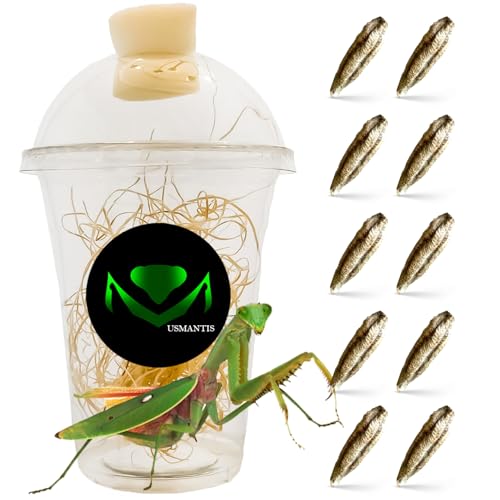
Discover the Fascinating Life Cycle: Hatch your own Tenodera angustipennis mantis nymphs from an ootheca (egg case). This unique species, native to Asia and parts of Oceania, offers a captivating opportunity to observe their development from egg to adult. Each ootheca can produce 10–150 nymphs, making it a rewarding experience for nature lovers and educators alike.

5 Praying Mantis Egg Cases - Live Praying Mantis & 1,500 Ladybugs

Three Immersive Projects Included in One! Learn about butterfly and ladybug metamorphosis and ant behavior all at once! Insect Lore’s Summer Bug Camp includes a Butterfly Garden with live baby caterpillars, Ladybug Land with live ladybug larvae, and Ant Mountain with live Western Harvester Ants, 3 sets of life cycle figurines, 3 STEM Journals, and all necessary supplies. 3 Different Kits, 3 Different Insects, Limitless Learning.
Seal Up Entry Points

Many homeowners are surprised to learn that a tiny gap can be an open invitation for pests. To effectively seal up entry points, start by inspecting your home for gaps around windows and doors. Use caulk or expanding foam for smaller openings, and consider metal mesh for larger ones. This simple step can help prevent rodents, who can slip through holes as small as a dime! Don’t forget areas like chimneys and vents; protective barriers, like caps, are essential. Regularly check and patch cracks in your foundation and siding. Adding weatherstripping around doors enhances energy efficiency while keeping pests out. Ultimately, sealing entry points not only protects your home but can also reduce the need for professional pest control down the line. For non-toxic options, consider using adhesive traps or plant-based formulas that are safe for families and pets.
Recommended Products

SPRAY FOAM INSULATION KIT INCLUDES: 216 Pcs Spray Foam Insulation (25.4 oz. - 750 ml), 12 Foam Gun Cleaner (9.9 oz./500 ml), 12 Teflon Coated Spray Insulation Foam Gun, 216 Pcs Red Nozzle (A-B), 24 Pcs Short, 24 Long Foam Gun Nozzle Tips, 216 Pcs Spray Foam Can Nozzles, 12 Safety Suit Coverall, 12 Safety Goggle, 72 Pcs Disposable Gloves, 12 Pcs Safety Mask, 1 Pcs Foam Gun User Guide. (Also you can see on each can’s how to use instructions)

MEGA SIZE SPRAY FOAM INSULATION: Covers up to 23 board feet (based on standard application thickness); actual yield may vary depending on temperature, humidity, and application conditions. Our Mega Size spray foam insulation is easy to use and ideal for demanding applications. Simply shake the can thoroughly to ensure proper mixing, then apply the foam precisely to your desired area using the ixirpro Spray Foam Gun. Allow a full curing cycle before cutting or shaping. Before the foam cures, remove any excess material using a suitable solvent or cleaner.

FIRE RATED FOR MAXIMUM SAFETY: Akfix Fire Rated ThermCoat Spray Foam Insulation is Class-A Fire Rated and tested to meet stringent fire safety standards such as ASTM E84,Engineered to provide enhanced fire protection in residential, commercial, and industrial applications.
Clean Up Vegetation

Once entry points are sealed, the next step is to tackle the foliage around the home. Pruning back vegetation, especially plants that touch the house, eliminates potential access points for pests. Regularly clear away brush, leaves, and debris near the foundation to reduce hiding spots for rodents and insects. A tidy yard not only looks nice but greatly decreases pest infestations. Stack firewood off the ground and away from the house—think of it as giving those critters the boot! Keeping grass trimmed short and removing leaf litter disrupts pesky habitats for ticks and mosquitoes. Remember, a little effort goes a long way. Your effort today means fewer unwelcome guests tomorrow! Additionally, consider using eco-friendly pest control solutions to further protect your home and garden from unwanted pests while ensuring safety for your family and the environment.
Store Food Properly
Properly storing food can make all the difference in keeping pests at bay. To achieve this, it’s essential to store food properly. Use chew-proof containers made of plastic, glass, or metal for all edible items. This will thwart those sneaky rodents from accessing your snacks! Remember to clean up spills and crumbs immediately—those little morsels can entice pests quicker than you can say “uninvited guest.” Avoid leaving pet food out overnight; instead, serve meals at designated times. Keep grains, snacks, and sugary products in airtight containers. Regularly check pantry staples for signs of pest damage. When food is secure, your kitchen can remain a pest-free zone, and you can relax knowing you’ve taken the right steps to protect your home! For those looking to maintain a pest-free environment naturally, consider using products like EcoSMART Organic Insect Killer, which is made from plant-based ingredients and safe for both pets and people.
Remove Nesting Sites
A cluttered home can be an open invitation for pests looking to settle in. To control these unwelcome guests, it’s crucial to remove nesting sites around your living space. Regularly clean out garages, attics, and storage areas. Old furniture and debris can provide great hiding spots for rodents and insects. Make it a habit to dispose of anything that’s no longer useful. “One man’s trash is a pest’s treasure!” Keep your home organized and clutter-free. Don’t forget to check insulation and woodpiles, as these can also entice pests. Trim back overgrown plants and maintain a tidy outdoor environment. These simple steps will help guarantee that pests don’t find a comfortable place to call home. Organic pest control methods help reduce chemical residues on plants, ensuring the safety of edible plants.
Call in Professional Pest Control
Calling in professional pest control can be one of the smartest moves for a pest-free home. These experts can quickly identify entry points you might have missed, stopping infestations before they start. They use eco-friendly solutions that target pests effectively, keeping the environment safe. Imagine enjoying your home knowing that a trained team is watching for issues. Professional pest control also offers ongoing monitoring—it’s like having a watchful guardian! With advanced treatment methods, they provide long-term protection that DIY efforts alone often can’t achieve. Plus, many companies have promotions for new customers, making this valuable service more affordable. So why not give your home the gift of expert care? After all, peace of mind is priceless! Consider using Evolve Rat Birth Control as a non-toxic option to safely reduce rat populations over time.
Frequently Asked Questions
What Keeps Bugs Away From the House Naturally?
Herbal repellents, highlighted by essential oils and citrus scents, effectively deter unwanted bugs. Vinegar solutions and garlic sprays further fortify defenses, creating a natural barrier that keeps pesky pests at bay throughout the home.
Can Dawn Dish Soap Be Used as an Insecticide?
Dawn dish soap demonstrates effectiveness as a natural pest control due to its insecticidal properties. Its usage in gardens can target soft-bodied pests, but caution is advised to guarantee safety for pets and sensitive plants.
What Smell Do All Bugs Hate the Most?
Many bugs detest strong scents, particularly garlic spray and vinegar solutions, while essential oils like citrus and peppermint repel them effectively. Coffee grounds also emit odors that insects find unbearable, serving as natural deterrents in various settings.
How Do You Rodent Proof a House?
To rodent-proof a house, seal entry points thoroughly, inspect insulation gaps, and maintain proper food storage. Additionally, setting rodent traps in strategic areas like crawl spaces can help deter infestations effectively.