As an Amazon Associate, we earn from qualifying purchases. Some links on this site are affiliate links at no extra cost to you. Our recommendations are based on thorough research and editorial judgment.
Protecting Seedlings From Early Season Pests

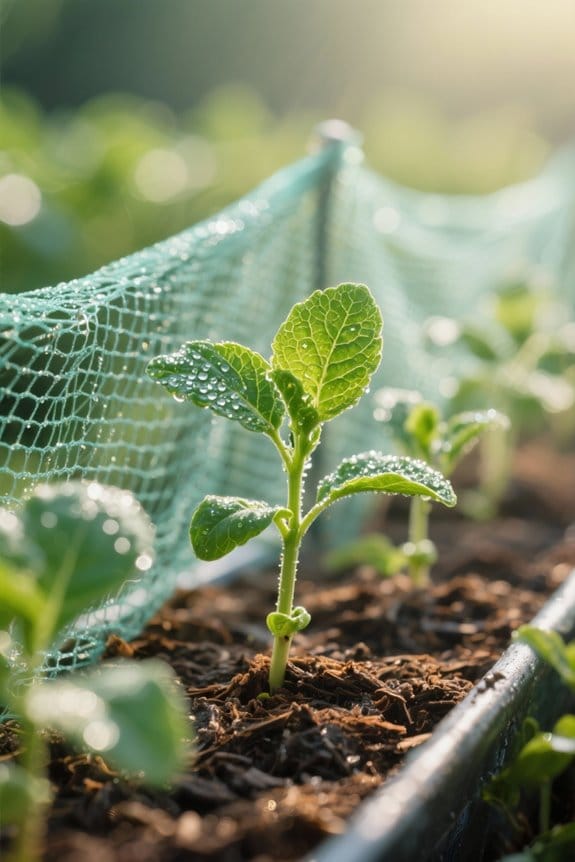
Protecting seedlings from early-season pests is vital for a thriving garden. Cutworms, slugs, and aphids love to snack on your young plants. Use floating row covers to block pests while letting in air. Newspaper collars around seedlings fend off cutworms, while beneficial insects like ladybugs can help too. Don’t forget to pair plants; marigolds with tomatoes work wonders. Keep an eye on your garden with regular checks to catch issues early. There’s always more to discover about keeping your seedlings safe!
Key Takeaways
- Use floating row covers to create a protective barrier while allowing air circulation for seedlings.
- Implement newspaper collars around seedlings to shield them from cutworms and wildlife damage.
- Encourage beneficial insects like ladybugs and predatory wasps to naturally control pest populations.
- Monitor seedlings regularly for signs of pests, such as chewed leaves or visible insects.
- Practice companion planting by pairing crops to enhance growth and repel harmful pests effectively.
Importance of Protecting Seedlings
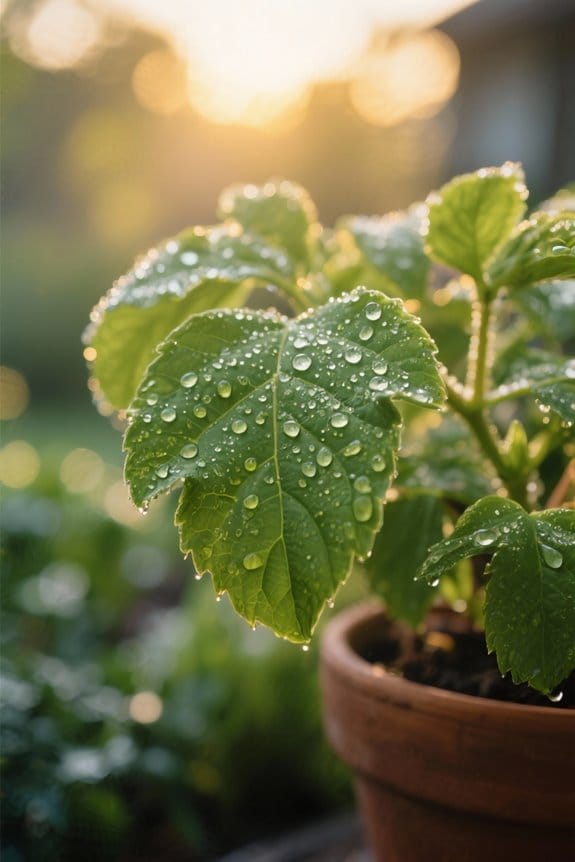
Protecting seedlings is essential, especially because they face many threats early in their growth journey. Young plants are like a buffet for pests, with cutworms and aphids among the sneakiest. A floating row cover can save the day by providing a barrier that keeps these pests at bay. In addition, using newspaper collars around the base of seedlings can shield them from wildlife trying to snack on their tender leaves. Regularly observing your seedlings helps catch potential pest activity before it spirals out of control. Remember, healthy soil and crop rotation can build resilient plants, making them tougher in the long run. Think of it as giving your seedlings a superhero cape—they’ll thank you with lush growth! For added protection, consider using organic pest control solutions that are safe for children and pets to ensure a secure gardening environment.
Common Early-Season Pests

Seedlings face a variety of early-season pests that can wreak havoc on their growth. Common culprits include cutworms, which can swiftly sever stems, and aphids, those little green troublemakers that cluster on new shoots. Flea beetles create tiny holes in leaves, especially in eggplants and brassicas, while tomato hornworms, large green caterpillars, will devour foliage with gusto. Don’t forget slugs and snails, who thrive in damp early spring conditions and leave irregular holes in their wake. Regular inspections are essential. Look for signs of these insect pests, and consider using row covers to protect your precious plants. With alertness and a proactive approach, you can safeguard seedlings and watch them thrive. Insecticidal soaps, such as Natria insecticidal soaps, can be an effective and affordable solution for managing pest infestations in a pesticide-free and organic gardening environment. After all, every garden needs a vigilant guardian!
Effective Physical Barriers

Creating effective physical barriers is a gardener’s secret weapon against early-season pests. Floating row covers are a fantastic way to shield your seedlings. They allow air circulation while keeping out insects and retaining warmth. For larger pests, hardware cloth with half-inch openings stands strong, letting light and moisture flow in. You might even fashion protective tunnels from eaves trough screening, deterring pesky birds or small animals. Another handy tip? Newspaper collars around seedlings keep cutworms at bay, breaking down naturally as the plants grow. And if your plants are especially vulnerable, consider doubling up on protective mesh. Remember, a little extra effort now saves you from a lot of frustration later. Happy gardening! Neem oil sprays are also highly effective against various pests like aphids and spider mites, providing an additional layer of protection for your plants.
Recommended Products

Thickened Frost Cloth -- This plant frost cover is made of lightweight, breathable, and durable 1.5 oz/yd non-woven polypropylene fabric.

Agfabric standard netting is made of high quality mesh cloth with PE material

※Big Size to cover large area : The size of our plant cover is 10x50ft, the size can cover large areas. You can cut the plant covers freeze protection into different sizes for different use. You can cover it over the plant such as shrub tomato, pepper, pumpkin, and so on.
Utilizing Beneficial Insects

Nurturing a thriving garden often involves more than just planting seeds; sometimes, it requires inviting a few friendly guests. Beneficial insects, like ladybugs and lacewings, feast on harmful pests such as aphids. By utilizing these natural allies, gardeners can enhance pest management effortlessly. Predatory wasps, which lay their eggs on pests, tackle caterpillars effectively during their larval stage. To attract these helpful bugs, consider planting diverse flowering plants, which create a welcoming environment. Introducing beneficial nematodes into the soil specifically targets pests like cutworms that threaten seedlings. Natural pest management reduces the use of chemical pesticides, promoting a balanced ecosystem and supporting biodiversity. Remember, “An ounce of prevention is worth a pound of cure,” especially when it comes to pests. So, let beneficial insects do the heavy lifting and watch your garden flourish!
Recommended Products
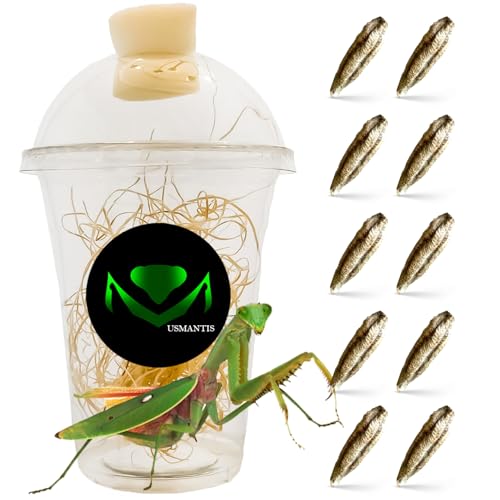
Discover the Fascinating Life Cycle: Hatch your own Tenodera angustipennis mantis nymphs from an ootheca (egg case). This unique species, native to Asia and parts of Oceania, offers a captivating opportunity to observe their development from egg to adult. Each ootheca can produce 10–150 nymphs, making it a rewarding experience for nature lovers and educators alike.

EASY TO USE: 10-pack Michigan Peat General All-Purpose Premium Potting Soil is ready to use right out of the bag with no additional mixing
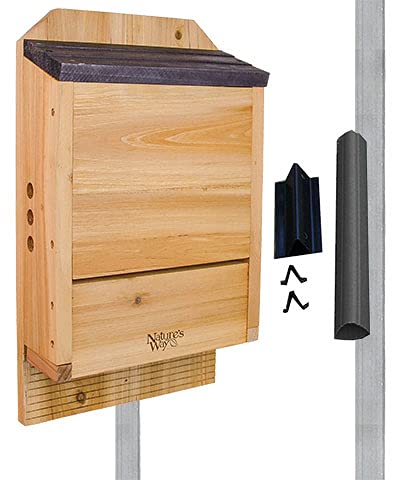
BAT HOUSE AND POLE PACKAGE – Add a beneficial wildlife feature to your yard with this complete bat house and pole package. Designed to create a dedicated roosting spot in the garden, this set includes the shelter and pole components needed for placement, making it a convenient option for establishing a backyard bat habitat.
Companion Planting Techniques

When it comes to growing a vibrant garden, companion planting can be a game changer. Pairing crops together enhances growth and repels pests. For example, planting marigolds with tomatoes helps deter those pesky nematodes and aphids. Aromatic herbs like basil and mint can confuse pests by masking vegetable scents—what a sneaky trick!
Using leguminous plants, such as beans and peas, alongside corn or squash also enriches the soil with nitrogen. The classic “Three Sisters” method beautifully combines corn, beans, and squash for natural support and weed suppression. Studying how these plants interact can attract beneficial insects like ladybugs, making pest control a breeze. Incorporating beneficial insects into your garden can further enhance sustainability by promoting natural pest deterrence. Incorporating companion planting aligns perfectly with integrated pest management strategies, enhancing your garden’s health and well-being.
Regular Monitoring and Maintenance
Growing a garden is much like caring for a child—regular check-ups are key to guaranteeing everything thrives. Monitoring seedlings frequently is essential. Gardeners should inspect for signs of pests, like chewed leaves or lurking insects. Maintaining a garden journal helps track observations and changes in seedling health. Consistent inspections can also reveal if plants are thriving or struggling. Sticky traps are a clever way to identify pest populations visually. Non-toxic traps such as sticky glue traps are particularly useful for monitoring and managing pest numbers without harming beneficial insects. Incorporating weekly checks during peak pest seasons will help protect your seedlings from possible damage. Think of it this way: “An ounce of prevention is worth a pound of cure!” Keeping a watchful eye promotes healthy growth and guarantees that your little green babies flourish.
Recommended Products

Tomcat Glue Traps effectively capture rats, mice, and other household pests like snakes, cockroaches, spiders, or scorpions without the use of bait

Long-lasting, weather-proof traps attracts all kinds of flying insects and pests

Double Sided Stickiness for Maximum Catch:Our yellow sticky traps feature a double-sided design, effectively trapping a variety of flying pests, including fungus gnats, whiteflies, aphids, leaf miners, fruit flies, and other small flying insects. The vibrant yellow color naturally attracts pests, providing all-day protection for your plants.
Frequently Asked Questions
How to Keep Pests From Eating Seedlings?
To keep pests from eating seedlings, one can utilize natural repellents, implement physical barriers, and practice companion planting. These methods effectively deter pests, while promoting healthier growth and minimizing damage to vulnerable seedlings.
What Is the 70/30 Rule in Gardening?
What if nurturing plants outshone pest control? The 70/30 Rule in gardening emphasizes soil mixture benefits and plant companion strategies, dedicating 70% to strengthening health and 30% to implementing organic pest solutions for sustainability.
How Do You Protect New Seedlings?
To protect new seedlings, he emphasized seedling nutrition, regular pest identification, and employing organic deterrents like natural repellents and barriers. Continuous monitoring of environmental conditions also guaranteed optimum growth and defense against harmful pests.
How to Protect Seedlings From Pill Bugs?
To protect seedlings from pill bugs, use pill bug traps, apply diatomaceous earth around plants, and introduce organic repellents. Maintaining proper moisture levels and cleanliness helps deter these pests and safeguard the tender seedlings.