As an Amazon Associate, we earn from qualifying purchases. Some links on this site are affiliate links at no extra cost to you. Our recommendations are based on thorough research and editorial judgment.
How Birds Help Control Garden Insect Populations

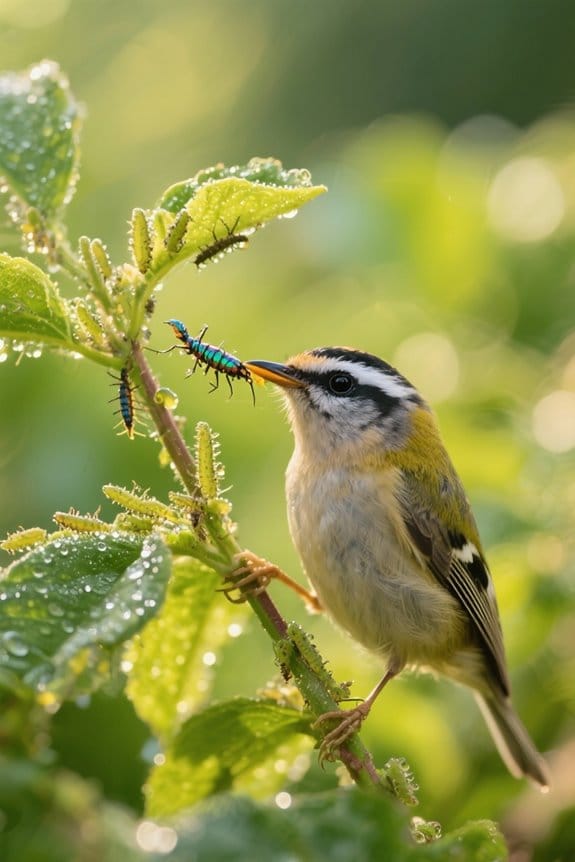
Birds are your garden’s best friends when it comes to pest control. They happily munch on garden pests like caterpillars and aphids, reducing insect damage by up to 70%. Warblers and chickadees target those pesky caterpillars, while swallows feast on flying bugs like mosquitoes. Plus, their foraging aerates the soil, helping plants thrive. By inviting these feathered helpers into your garden, you can naturally cut down on harmful insects. And that’s just the beginning of what birds can do for you!
Key Takeaways
- Birds significantly reduce insect populations in gardens by consuming pests like caterpillars and aphids, leading to healthier plants.
- Diverse bird species can decrease insect damage by up to 70% through natural pest control.
- Insectivorous birds, such as warblers and chickadees, specifically target common garden pests, enhancing pest management efforts.
- Birds also aerate the soil during foraging, facilitating better nutrient access for plants.
- Maintaining bird-friendly habitats decreases reliance on chemical pesticides and promotes sustainable gardening practices.
The Importance of Birds in Pest Control
Birds play an essential role in keeping insect populations in check, and that’s good news for every gardener. These avian helpers are vital to natural pest control services. They feast on pesky insects like caterpillars, beetles, and aphids, helping to prevent unwanted plant damage. During non-outbreak years, birds can gobble up to 98% of certain pests, promoting a healthier garden. Imagine reducing insect damage by 70%—that’s the power of diverse bird species like bluebirds and robins! Maintaining habitats for these birds lessens your need for chemical pesticides. It’s a win-win for your greens and local ecosystems. As they say, “A bird in the hand is worth two in the bush!” So, give birds a cozy spot in your garden. Incorporating organic pest control solutions into your gardening practices can further support the health of your garden while minimizing harm to beneficial insects.
Recommended Products

125LB GRANULES: Nature’s Mace Snake Repellent is easy to use and will cover up to 66,000 sq ft. Snake MACE repels snakes fast and prevents their return. For both commercial and home/garden use. Our formula repels by disrupting snakes Jacobson Gland, irritating the snake, causing it to turn back and seek a more pleasant environment. Snake Mace repels snakes fast and prevents their return. For both commercial and home/garden use.

Humane Solution: Live‑capture system confines squirrels for responsible relocation. Durable wire construction and a 2‑door entry foster confident approaches and quick, low‑stress containment without poisons.
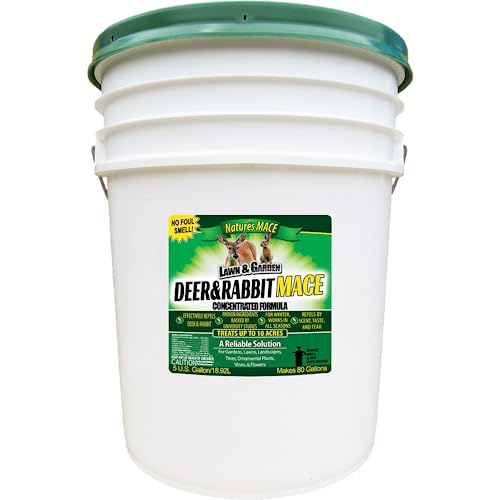
3-PRONGED-APPROACH: Our Deer Repellent Combines fear, scent, and taste-based technology into one ultimate product. There's no need for product rotation. It prevents deer browsing and works to keep deer out. It also works to prevent deer rubbings, which can damage trees and plants. Many plants are deer attractants. It's important to protect before the damage is done!
Types of Birds That Control Insects
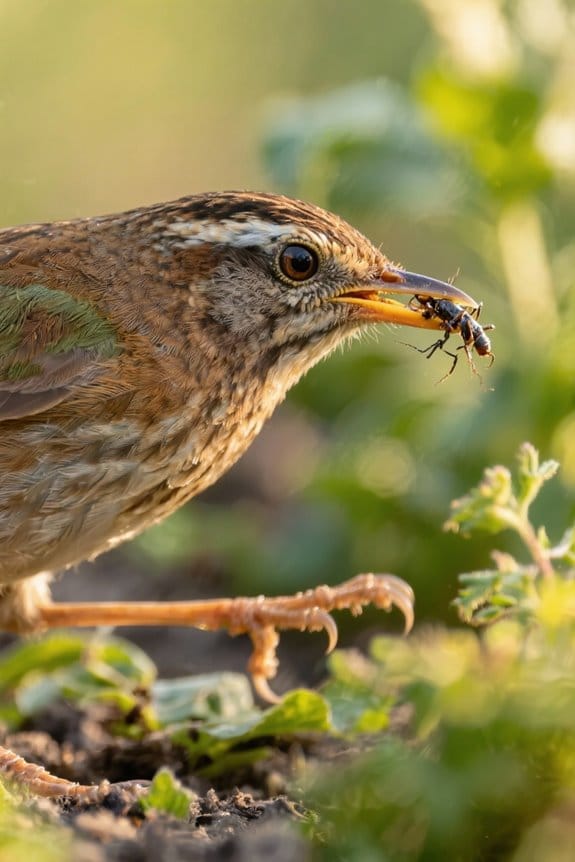
Gardening enthusiasts often find themselves facing the pesky problem of insect infestations. Thankfully, various bird populations step up to manage these pests. Insectivorous birds, like warblers and chickadees, feast on caterpillars and aphids, working diligently for your garden. Swallows and purple martins swoop in, targeting flying nuisances like mosquitoes and flies. Meanwhile, woodpeckers and nuthatches tackle ants and larvae, adding balance to your ecosystem. Thrushes and robins join the fray by munching on slugs and snails that threaten your plants. Studies show that welcoming a diverse bird community can reduce pest populations by up to 70%. Neem oil sprays are effective against various pests like aphids and spider mites, providing natural pest management alongside your feathered friends. So, let those feathered friends do the hard work! After all, “Why fight pests when you can invite the neighborhood bird crew?”
The Impact of Birds on Garden Health
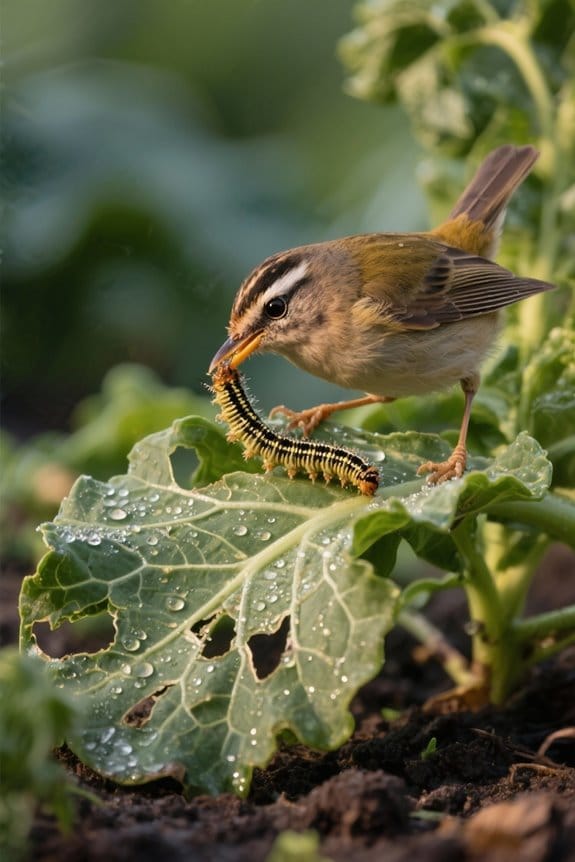
An army of feathery friends tirelessly patrols the garden, keeping pesky insects in check. These birds munch on a variety of insect pests like caterpillars and aphids, protecting your plants from damage. In gardens buzzing with diverse bird populations, studies reveal up to a 70% reduction in insect damage! Imagine healthier plants and increased yields—now that’s a win-win. During breeding season, birds help create a natural pest control cycle, as they feast on abundant insects. Plus, their foraging activities aerate the soil, allowing roots better access to nutrients and water. By maintaining bird-friendly habitats, like feeders and birdhouses, you improve garden health naturally, reducing the need for chemical pesticides. Introducing beneficial insects alongside birds can enhance sustainable gardening practices and further support your garden ecosystem. So, let those feathered friends work their magic!
Attracting Beneficial Birds to Your Garden
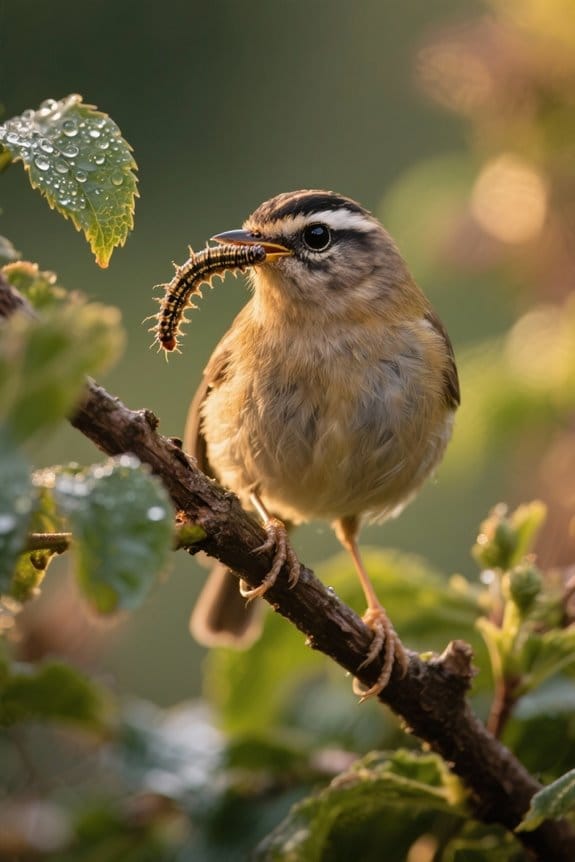
Creating a haven for beneficial birds can transform any garden into an ecosystem buzzing with life. Start by installing birdhouses to provide essential nesting sites for friendly species like bluebirds and wrens. These delightful visitors will help with pest control. Set up bird feeders with seeds or suet, attracting finches and chickadees that feed almost exclusively on pesky insects. Don’t forget bird baths; they’re vital for hydration and bathing. By offering clean water, you’ll entice insectivorous birds such as warblers and sparrows. Finally, nurture a variety of habitats like hedgerows and flower beds. Birds provide natural pest management, and a flourishing garden will be the envy of the neighborhood—just remember, a happy bird is a busy bug-eater! Additionally, consider integrating beneficial insects like ladybugs and green lacewings to further enhance pest control efforts in your garden.
Recommended Products

Bell-shaped, pure copper roof with a white-painted, long-lasting hardwood base

Proudly made in Pennsylvania, Amish handmade 2-8 compartments birdhouses, with real copper roof and dual mounting bracket, these houses will elevate the living space of your feathered friends!

* Invite bluebirds, Wrens, Chickadees, and Titmice among others for constant avian in your backyard with this 4 nesting compartment US handmade birdhouse Size: 27'' H x 12.5'' W x 12.5'' D.
How Bird Feeding Habits Benefit Pest Management
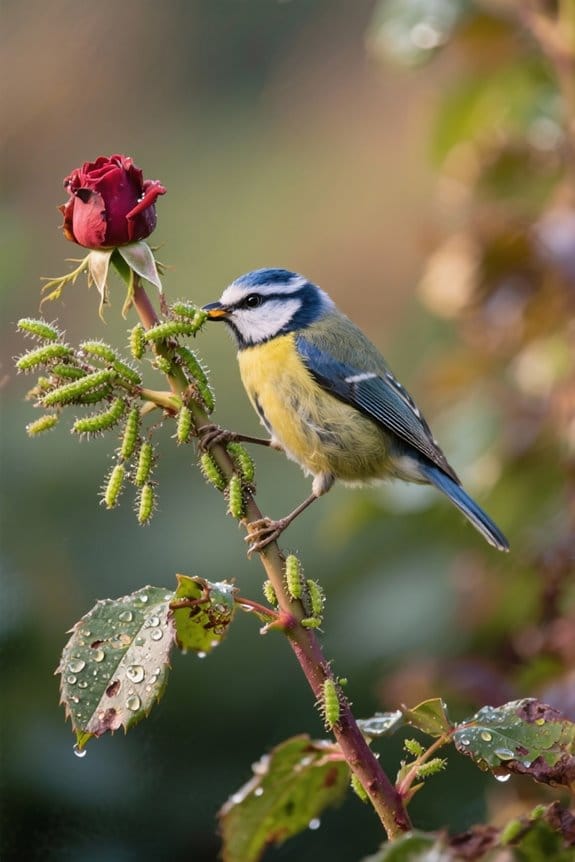
While many may see gardens as serene retreats, they often play host to a wide array of pests. Birds are nature’s little pest controllers. Species like swallows can devour thousands of flying insects each day, directly cutting down insect populations. Chickadees and nuthatches enjoy munching on caterpillars and aphids, protecting your plants from damage. Even seed-eating birds, such as finches, help by feasting on excess seeds, reducing competition from unwanted plants. Ground-foraging birds like robins tackle pesky slugs and snails. Their combined feeding habits not only control pests but also lead to a healthier garden ecosystem. Additionally, organic pest control solutions offer eco-friendly options that reduce chemical exposure for plants, pets, and humans. So, when you hear the cheerful chirping of birds, remember they’re your garden’s best friends, working hard to keep those pests at bay!
The Economic Advantages of Bird-Mediated Pest Control
Birds are not just beautiful creatures; they are superheroes of the agricultural world. They help control pest populations effectively, saving farmers money. In North America, the economic value of bird-mediated pest control is about $5.4 billion! Coffee plantations benefit greatly, as farmers save around $310 per hectare thanks to our feathered friends. Birds reduce the need for chemical pesticides, which means fewer operational costs and healthier crops. Imagine a farm where birds decrease insect damage by up to 70%! This not only enhances pest management but also underscores sustainability. So, consider inviting birds to your garden. They’ll help your plants thrive and your wallet too! As they say, “A bird in the bush saves you bucks!” Additionally, beneficial insects play a crucial role in maintaining a balanced ecosystem, offering natural pest control solutions that complement bird activity.
Recommended Products

POWERFUL INSECT KILLER | High Quality Electronic Bug Zapper Handles Your Property’s Flying & Biting Pest Problem Via High-Intensity UV Black Light, Powerful Fly Sex Lure/Octenol Mosquito Attractant [450-Hour Cartridge Included] & Supercharged 5600-Volt Instant Kill Grid, Compared to Competitors’ Standard 4,200 Volts.

⭐【FEATURES 1】Half inch hardware cloth is made of black annealed steel wire material, galvanized again after welding, super anti-corrosion and anti-rust. Carton packaging and shipping.

♥ 【Outstanding rust resistance】 The welded wire fencing is made of galvanized steel wire and coated with black vinyl to maximize protection against rusting and corrosion. The defect rate is low. We have over 10 years of expertise in manufacturing hardware cloth. You can feel confident purchasing from us.
Creating a Bird-Friendly Environment
Transforming a garden into a bird-friendly haven can seem intimidating, but it’s easier than it looks. Start by installing birdhouses; these attract nesting birds like bluebirds and wrens, essential helpers during the breeding season to control pesky caterpillars. Add bird feeders filled with seeds to welcome finches and sparrows, which will help curb unwanted plant growth. Don’t forget a bird bath! It provides much-needed hydration and keeps birds happy. Planting native flora creates an inviting habitat, increasing biodiversity and supporting species that prey on insect pests. Finally, maintaining snags or dead trees offers extra foraging spots for woodpeckers. Creating a bird-friendly environment not only charms your garden but also turns it into a natural pest control powerhouse! Additionally, incorporating natural deterrents such as marigolds can enhance the garden’s resilience against pests.
Frequently Asked Questions
Do Birds Control Insect Populations?
Birds control insect populations through effective bird feeding, promoting insect diversity and enhancing garden health. Their presence in backyard habitats contributes to ecological balance, ensuring that pest numbers remain manageable and supporting overall ecosystem robustness.
How Do Birds Help With Pest Control?
Birds bolster biodiversity by bird feeding, serving as natural predators that maintain insect diversity within garden ecosystems. Various bird species actively mitigate pest populations, promoting healthier environments and reducing dependency on chemical interventions for pest control.
Do Birds Help Keep Bugs Away?
Birds indeed help keep bugs away through their diverse feeding habits. Their behavior targets various insect types, promoting garden harmony and contributing to ecosystem balance by naturally regulating pest populations without the need for chemical interventions.
Is It Good to Have Birds Around Your Garden?
Having birds around a garden is beneficial, enhancing garden aesthetics and attracting wildlife. Setting up bird feeders promotes biodiversity, positively influences the environment, and contributes to a balanced ecosystem, enriching the overall gardening experience.


