As an Amazon Associate, we earn from qualifying purchases. Some links on this site are affiliate links at no extra cost to you. Our recommendations are based on thorough research and editorial judgment.
The 5 Best Companion Planting Combinations for a Thriving Garden

Want a thriving garden? Try pairing tomatoes with basil! They love each other’s company. Then, plant carrots alongside onions to keep pests away. Marigolds work wonders against nematodes and are pretty too! Don’t forget to combine beans with corn—beans fix nitrogen while corn provides support. Finally, grow peppers with spinach for a tasty team-up. These combos can help boost growth and ward off pests. Stick around to discover even more tips for your garden!
Key Takeaways
- Tomatoes and Basil: Planting basil alongside tomatoes enhances growth, flavor, and pest resistance while providing a delightful culinary pairing.
- Carrots and Onions: These two crops mutually deter pests, with onions repelling carrot flies and carrots masking onion scents to reduce pests.
- Cabbage and Marigolds: Marigolds planted near cabbage fend off aphids and caterpillars, promoting healthier cabbage development.
- Beans and Corn: Beans fix nitrogen in the soil, benefitting corn, while corn provides necessary support for climbing bean vines.
- Lettuce and Radishes: Radishes grow quickly and can help break up compacted soil, while lettuce benefits from their shade in warmer weather.
Basic Companion Planting Chart Poster for Garden Decor
If you’re a gardening enthusiast looking to spruce up your space, the Basic Companion Planting Chart Poster is a must-have! This vibrant 12×18-inch poster serves as both a decorative piece and a handy reference guide. Imagine having this beauty hanging in your living room or bedroom, looking sharp and helping you remember what plants thrive together. Plus, it’s made from durable canvas, so it’ll hold up better than flimsy paper. Just remember to handle it with care! Trust me; you’ll want this striking design brightening your home while guiding your planting adventures. Happy gardening, and may your plants flourish!
Best For: Gardening enthusiasts looking for a decorative and functional reference guide for companion planting.
Pros:
- Durable Material: Made from canvas, providing a longer shelf life compared to traditional paper posters.
- Aesthetic Appeal: Features a modern graphic design that enhances any room’s decor while serving as a useful guide.
- Fresh Production: Posters are produced shortly after purchase, ensuring high color quality without fading.
Cons:
- Unframed: The poster is unframed, which may require additional effort to display it properly.
- Handling Caution: Needs careful handling to maintain the quality and integrity of the print.
- Size Limitation: At 12×18 inches, it may not be suitable for larger wall spaces without additional framing or arrangement.
LUSH&DEW Companion Plants Heirloom Seed Bank (30,000+ Non-GMO Vegetable Seeds)

Lush&Dew Companion Plants Heirloom Seed Bank, Gardening Gifts for Women Men
- USA-Sourced & Non-GMO: 32 easy to grow varieties of heirloom seeds, 30,000+ companion planting seeds for peppers, potatoes, radishes, tomatoes, lettuce, corn, onions...
- Full Companion Plant Seeds for Mutual Benefits: Harvest fruits and vegetables such as onion, zucchini, lettuce, sunflower, zinna, cantaloupe by companion planting. Plant...
- High Germination Rates: These seeds for companion planting have been tested with high germination rates, and premium packaging preserves seed viability for future...
Are you looking to boost your garden’s productivity and enjoy fresh veggies all year? The LUSH&DEW Companion Plants Heirloom Seed Bank is your golden ticket! With over 30,000 non-GMO seeds across 32 heirloom varieties, you’ll have plenty to choose from. Imagine planting tomatoes alongside basil or peppers and watching them thrive together—it’s a game changer! Plus, these seeds come in a charming wooden storage box, making them easy to organize. Great for both emergencies and everyday success, these seeds help guarantee your garden’s bounty is always ready. So, get planting, and let nature do its magic!
Best For: Gardeners looking to enhance their planting with diverse, non-GMO heirloom seeds that support companion planting and sustainable living.
Pros:
- Large selection of over 30,000 non-GMO heirloom seeds across 32 varieties.
- Wooden storage box with individually labeled containers for easy organization.
- High germination rates and supportive of emergency food supplies.
Cons:
- Limited to specific heirloom varieties, which may not suit all gardening preferences.
- The weight may be cumbersome for some users when moving or storing.
- Higher initial investment compared to standard seed packs.
Clyde’s Garden Planner – Vegetable Planting Slide Chart
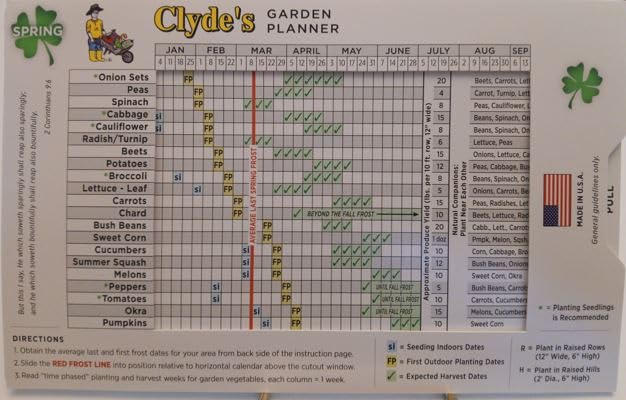
CDM Planning Clyde's Garden Planner - Vegetable Planting Slide Chart, (UNDATED), Perpetual Garden...
- Chart Provides Both Indoor and Outdoor Seeding Dates for 22 Commonly Grown Garden Veggies, (Chart Size = 51/8" x 81/2", 12 Point Cardstock Paper).
- Comes with listing of Local Spring & Fall Frost Dates, USA and Canada (Has a Sliding Frost Line)
- Gives Seed Quantity, Seeding Dimensions: Planting Depths, Distance Between Rows & Between Plants, Essential Tool for any Gardener, and for Homesteading!
Clyde’s Garden Planner – Vegetable Planting Slide Chart is perfect for home gardeners who want to maximize their vegetable yields while maneuvering tricky planting dates. This handy tool helps you track indoor and outdoor seeding dates for 22 popular veggies. You can easily manage your frost dates, making it a breeze to plan your garden.
With details on planting depths and row spacing, you’ll feel like a garden pro. Plus, its companion planting guide can prevent disasters like tomatoes overshadowing your delicate lettuce! A little preparation goes a long way, and this chart can be your garden’s best friend.
Best For: Home gardeners looking to optimize their vegetable planting schedules and yields.
Pros:
- Provides indoor and outdoor seeding dates for a variety of vegetables.
- Includes local frost dates to help manage planting schedules effectively.
- Features a companion planting guide to promote healthier plant growth.
Cons:
- Less useful in regions where frost dates are not a concern, such as Southern California and South Florida.
- May not cover all vegetable varieties that some gardeners wish to plant.
- Limited to a size that may not include more detailed gardening information.
Lush&Dew Companion Plants Seed Bank (32 Varieties Non-GMO Heirloom Seeds)
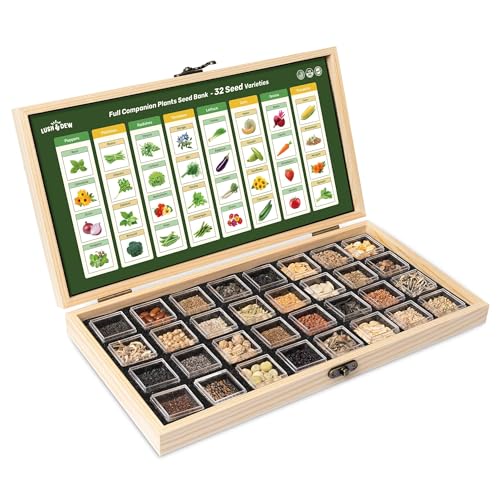
Lush&Dew Full Companion Plants Seed Bank, Gardening Gifts, 32 Varieties Non-GMO Heirloom Seeds for...
- USA-Sourced, Non-GMO and Heirloom Seeds: 32 easy to grow varieties of over 20,000 companion plant seeds for peppers, potatoes, radishes, tomatoes, lettuce, corn, onions...
- High Germination Rates: Seeds have been tested with high germination rates within 7-14 days, and keep viable for 1-3 years in cool and dry condition.
- Full Companion Plant Seeds for Mutual Benefits: Harvest up to 15,000 fruits and vegetables from 3,000 seeds per variety, such as tomato, onion, zucchini, lettuce...
Looking to spice up your garden? The Lush&Dew Companion Plants Seed Bank is your go-to solution! With 32 varieties of non-GMO heirloom seeds, you can plant everything from zesty peppers to sweet strawberries. Imagine harvesting over 15,000 fruits and veggies from just 3,000 seeds—now that’s a garden dream! The seeds germinate quickly in 7-14 days, making green thumbs like yours feel like champs. Plus, a handy wooden storage box keeps things organized. It’s perfect for seasoned pros or gardening newbies. Just remember, plants love sun—so give ‘em plenty! Get ready to dig in and enjoy your garden journey!
Best For: Gardening enthusiasts, whether seasoned pros or beginners, looking to enhance their gardening experience with a diverse selection of heirloom seeds.
Pros:
- High germination rates within 7-14 days ensure rapid plant growth and satisfaction.
- Diverse selection of 32 varieties allows for planting a wide range of vegetables, herbs, flowers, and fruits.
- Organized storage solution with a wooden box and acrylic containers makes seed management easy and aesthetically pleasing.
Cons:
- Requires full sun exposure and regular watering, which might not suit all gardening environments.
- Viability of seeds is limited to 1-3 years, necessitating timely planting.
- Packaging comes in random colors, which might be a minor drawback for those who prefer specific aesthetics.
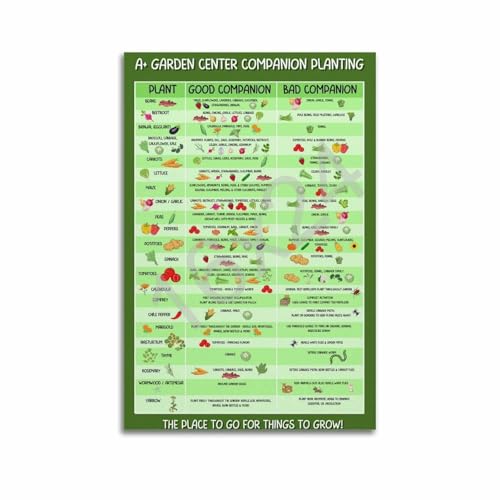
Vegetable Companion Planting Guide Poster (12×18 inch)
GHJFDF Vegetable Companion Planting Guide Poster Garden Poster Vegetable Varieties Poster Poster for...
- Size : 5 size for choice(1 inch=2.54cm)
- The poster is printed on canvas which is one kind of best material for poster. It is waterproof,moisture proof and high tensile strength.The poster has rich printing...
- If you need other sizes, please leave me a message. We can also customize any design, you can send pictures to us, or create pictures for you.
If you’re passionate about growing your own vegetables, the Vegetable Companion Planting Guide Poster is a must-have. This handy 12×18 inch poster is a visual gem! It’s printed on canvas, so it’s waterproof and durable, ready to face any kitchen spill. Hang it in your favorite gardening nook or even in your college dorm.
And did I mention customization? You can tweak the size or even send in your own design. Just picture it! A personalized poster tailored for your garden space. This guide won’t just hang there; it’ll be your go-to resource for thriving veggies and happy plants!
Best For: Garden enthusiasts and beginner vegetable growers looking for an easy reference to companion planting.
Pros:
- Durable Material: Printed on waterproof canvas, making it resistant to spills and moisture.
- Customizable: Options available for size adjustments and personal design customization.
- Versatile Display: Ideal for various locations such as kitchens, living rooms, or even college dorms.
Cons:
- Color Variability: Actual colors may differ from product images due to display differences.
- Size Limitation: While customizable, the standard size may not fit all spaces or preferences.
- Limited Usage: Primarily focused on companion planting, which may not appeal to all gardeners.
Factors to Consider When Choosing Companion Planting
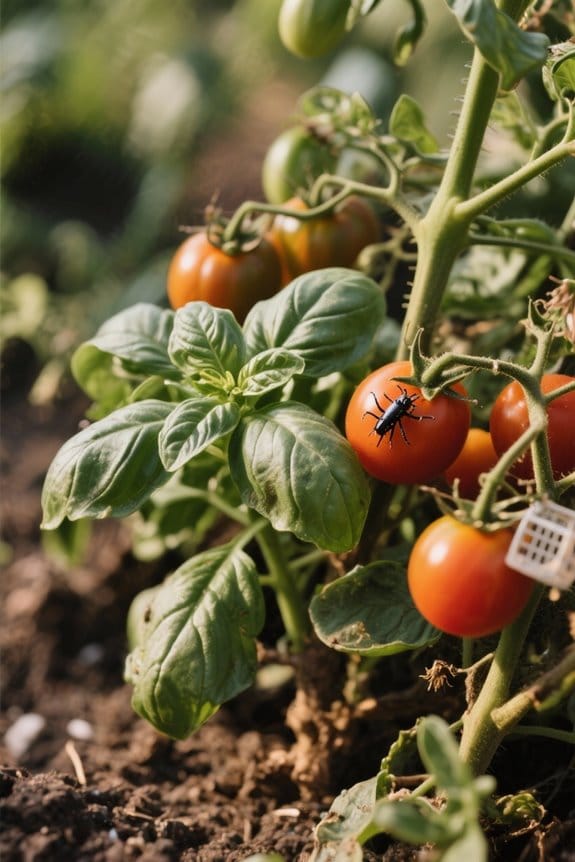
When picking companion plants, you need to think about a few key factors. Consider how compatible the plants are and their specific growth conditions. Also, don’t forget about pest control strategies and their nutrient needs—after all, you want a happy garden crew!
Plant Compatibility and Benefits
To maximize your garden’s potential, you need to choose plant pairings wisely. Some plants, like marigolds and nasturtiums, love to keep pests at bay. Tomatoes and basil, on the other hand, join forces to enhance each other’s growth and flavor. It’s like they’re best buddies! Consider corn and beans; they play a neat role reversal, using each other’s strengths to thrive together. Understanding the growth habits and nutrient needs of your plants makes for smarter space management and healthier crops. Plus, you’ll attract beneficial insects, like pollinators, to your garden for free pest control! So, choose your companions with care, and watch your garden flourish—it’s a beautiful dance of nature you won’t want to miss!
Growth Conditions and Zones
Selecting the right plants for companion planting goes beyond just picking what looks good together. First, check the USDA hardiness zones of your plants. They need to thrive within similar temperature ranges. Next, consider the soil type. Some plants love sandy soils, while others prefer rich loam. You don’t want to plant a diva in the wrong dirt! Pay attention to light requirements, too. Some need full sun, while others are shade lovers. Also, match their moisture needs to avoid the drama of over or under-watering. Finally, think about growth habits—tall plants can provide shade, but you don’t want them hogging all the resources. With careful planning, your garden will thrive beautifully!
Pest Control Strategies
While it might seem intimidating at first, using companion planting for pest control can be quite straightforward and effective. Start by planting marigolds near your vegetables. Their scent repels nematodes and keeps pesky insects at bay. You can also interplant tall crops with shorter ones. This creates shade and airflow, which makes it tougher for pests to invade.
Mixing your plants disrupts pests’ life cycles. They can’t find their favorite lunch when everything’s jumbled up! Adding garlic or onions can also help; those little bulbs pack a punch with their natural deterrents. So embrace the chaos! With the right combos, you’ll not only keep pests away but also enjoy a thriving garden. Remember, a diverse garden is a happy garden!
Nutrient Requirements and Sharing
When you’re planning your garden, understanding nutrient requirements is key to thriving companion planting. Different plants have different needs; some crave high nitrogen while others thrive on phosphorus or potassium. For example, legumes can fix nitrogen in the soil, helping nearby plants like peppers. Pair heavy feeders, like tomatoes, with lighter feeders, such as onions, to balance nutrient demands effectively.
Don’t forget about soil health! More diversity in your garden leads to happier microbes, which boost nutrient cycling. Deep-rooted plants can access minerals lower in the soil, sharing them with shallower roots. Think of it this way: You wouldn’t want your friends fighting over the cookies, right? Together, you can create a garden that’s both productive and cheerful!
Harvest Timing Coordination
To make the most of your garden, think about the timing of your harvests. Selecting companion plants with similar harvest periods helps maximize your garden’s efficiency. It reduces competition for resources, allowing your plants to thrive together. Consider pairing tomatoes with basil; they’re ready around the same time, making them a dynamic duo in your culinary dishes! Understanding the maturation times of your veggies is essential—don’t mix slow growers with speedy ones, or you’ll end up with a crazy garden race! By tracking harvest windows, you can plan your planting schedule better. This guarantees you maintain consistent yields and easily manage crop rotation. After all, who wants a garden that feels like a chaotic mess? Happy planting!
Space Management Techniques
Getting your garden’s layout right is essential for successful companion planting. Space management can make or break your garden’s productivity. Try planting climbing veggies on trellises; using vertical spaces lets you grow more with less ground clutter. Don’t forget to stagger your planting schedule. This way, you’ll keep your garden lush throughout the year, avoiding those annoying empty patches. Mixing fast-growing crops with slower ones also works wonders. They’ll shield each other from pesky weeds while maximizing your space. Ultimately, group plants with similar light and water needs. They’ll thrive together, reducing competition. Think of it this way: a happy garden resembles a well-rehearsed dance, where every plant knows its partner! Immerse yourself and embrace these tips!
Frequently Asked Questions
Can Companion Planting Improve Pest Control Effectively?
Studies show that companion planting can reduce pests by up to 50%. When you mix plants like basil with tomatoes, basil repels those pesky tomato hornworms. Plus, marigolds can ward off nematodes and other garden nuisances. So, don’t just plant in rows! Think creatively. Embrace this fun tactic to protect your crops while boosting growth. It’s like giving your garden a superhero sidekick, and who wouldn’t want that?
How Do I Know Which Plants Pair Well Together?
You’ll want to look at a few key factors to know which plants pair well together. Check their growing habits—some plants thrive in shade, while others love the sun. For instance, tomatoes and basil make a great duo; basil wards off pests. Trust your instincts, too! If it feels right, it probably is. Just remember: it’s not rocket science—more like gardening magic! So, dig in and have fun experimenting!
Are There Any Plants That Should Never Be Paired?
Absolutely, some plants just don’t play nice together! For instance, avoid planting tomatoes with potatoes; they’re both prone to similar diseases. Also, keep mint away from carrots; mint’s aggressive nature can overpower them. You might say it’s like inviting the bull into the china shop! Trust me, pairing the wrong plants can lead to unhappy crops. Stick to known companions, and your garden will thrive without the drama. Gardening’s meant to be fun!
How Does Companion Planting Affect Soil Health?
Companion planting can seriously boost your soil health, so don’t roll your eyes just yet! It’s not just for show—it helps with nutrient balancing and pest control. When you mix plants like legumes with corn, the legumes fix nitrogen in the soil, giving corn a tasty treat! Plus, some plants shade others, preserving moisture and preventing weeds. So, while it might seem confusing, it’s actually a garden superhero in disguise!
Can Companion Planting Enhance Flavor in Vegetables?
Absolutely, companion planting can boost the flavor of your veggies! When you plant basil alongside tomatoes, for example, the basil enhances their flavor while keeping pests away. You’ll get better-tasting tomatoes and a happy garden. Even herbs like parsley can elevate the taste of carrots when planted nearby. So, give it a shot! As they say, “Good friends make great meals,” and your garden will agree!


