As an Amazon Associate, we earn from qualifying purchases. Some links on this site are affiliate links at no extra cost to you. Our recommendations are based on thorough research and editorial judgment.

Benefits of Companion Planting for Pest Prevention

Companion planting is like nature’s best-kept secret for gardeners. It helps keep unwanted pests at bay. For instance, basil is a tasty companion for tomatoes, repelling aphids while enhancing flavor. Marigolds are fabulous as they deter many pests and attract helpful insects. This natural approach not only protects plants but also boosts soil quality and health. You’ll find your garden thriving with these clever combinations, so let’s explore more about creating your perfect pest-free paradise!
Key Takeaways
- Companion planting naturally repels harmful pests with fragrant herbs like basil and mint, reducing the need for chemical pesticides.
- Trap cropping utilizes sacrificial plants to lure pests away from valuable crops, protecting overall garden health.
- Combining plants like tomatoes and basil enhances flavor while deterring pests, improving both yield and taste.
- Diverse plant combinations confuse pests, minimizing damage and fostering a healthier garden ecosystem.
- Introducing annual flowers attracts beneficial insects that provide natural pest control and enhance overall garden appeal.
Importance of Companion Planting
Companion planting is important because it supports a thriving garden ecosystem. By pairing plants that work together, you can naturally keep pest populations in check. This method offers organic pest control without resorting to chemicals. For instance, planting marigolds with tomatoes can repel unwanted insect pests while attracting beneficial insects like pollinators. These mutual relationships help improve soil quality and enhance plant health. Imagine your garden buzzing with life—beneficial insects creating a balanced habitat! Additionally, flowering herbs can confuse hungry pest insects with their strong scents, making them think twice before targeting your crops. Utilizing beneficial insects enhances sustainable gardening practices and reduces the reliance on harmful chemical pesticides. Embracing companion planting can transform your garden into a lively, productive haven where plants work hand in hand, rather than competing for attention.
Natural Pest Control Mechanisms

When it comes to keeping pests at bay, nature has a few tricks up its sleeve. Companion plants like basil and mint can help repel pests and protect your vegetable garden. They work hard, giving off strong scents that send harmful insects packing. Additionally, trap cropping is a fun tactic where you grow sacrificial plants to lure pests away from your prized crops. Flowers like marigolds attract beneficial insects, such as ladybugs, which keep pesky aphids under control. You might be surprised to find that pairing tomatoes with basil not only deters hornworms but also boosts flavor. These natural pest control mechanisms can transform your gardening experience. Remember, it’s all about teamwork—plants can be mighty allies! Moreover, using organic pest control solutions can complement your natural strategies by reducing chemical exposure and supporting sustainable gardening practices.
Recommended Products

Encourages Healthy Digestion: Make a fun coop for your pet chickens without using harsh or synthetic chemicals by adding WormBGone herbs for chickens to your chicken nest boxes.

Square Foot Gardening Guide Wall Art Collections: This collection features practical, informative designs that simplify square foot gardening, offering clear plant spacing guidance for hobby gardeners and beginners alike

12 Pods & 5X Faster Growth:Plant up to 12 different herbs, vegetables, and fruits simultaneously—from basil, tomatoes, strawberries, to peppers. Our professional 24W full-spectrum LED system delivers 5 times faster growth than soil. Perfect for a small apartment balcony, a sunny kitchen corner, or even a compact spare room – enjoy high-yield, quick harvests all year round.
Enhancing Plant Diversity for Reduced Pests

While many gardeners focus solely on their favorite vegetables, enhancing plant diversity can be a game-changer in pest management. A diverse garden attracts a variety of beneficial insects. These helpful critters naturally control pests, making your life easier. Including flowers and herbs can confuse and repel unwanted pests, too. For instance, strong-scented herbs can deter specific insects while looking lovely in your garden. Plus, creating homes for beneficial insects, like ladybugs, promotes a balanced ecosystem. Research shows gardens with diverse species face fewer pest problems. By introducing beneficial insects like Green Lacewings and Ladybugs, you can significantly reduce the need for chemical treatments while supporting a healthier ecosystem. So, embrace companion plants! You’ll lessen your reliance on pesticides while enjoying a flourishing and vibrant garden. Remember, a little diversity goes a long way—it’s like throwing a party for nature’s best helpers!
Key Companion Plants for Effective Pest Management

A handful of carefully chosen companion plants can greatly improve pest management in any garden. For instance, marigolds are champions at repelling a wide range of pest insects. Basil, a favorite companion plant for tomatoes, not only enhances flavor but also helps deter pests like aphids. If you grow cabbage, consider thyme; it can effectively deter cabbage worms. Nasturtiums are great trap crops, effectively luring aphids away from your prized kale and peppers. Dill and fennel attract beneficial insects, like ladybugs, which feast on aphids. By enriching your soil with these plants, you create a natural pest barrier. Remember, a happy garden is one that uses nature’s own defenses, making pest problems feel less overwhelming and a bit more manageable. Many organic pest control solutions are designed to be safe around children and pets, making them a great addition to any eco-friendly garden.
Recommended Products
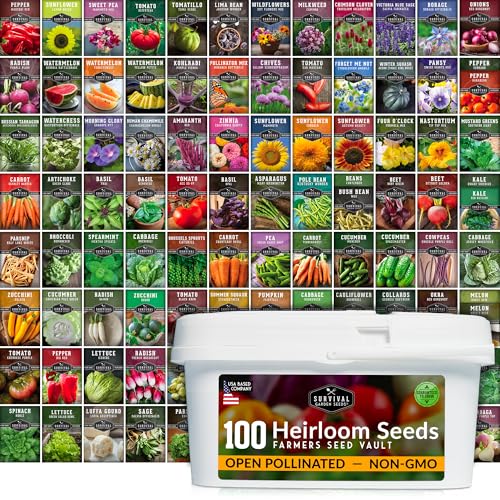
100 HEIRLOOM SEED PACKETS – Bulk collection survival seed vault of non-GMO heritage vegetable, herb, and fruit seeds for planting a self-sufficient Victory Garden in most USDA zones
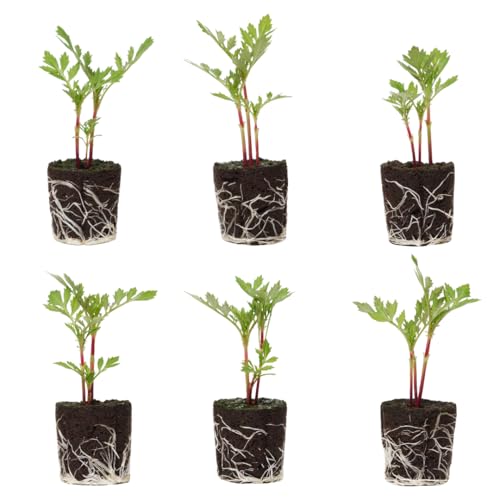
We grow a variety of edible seasonal seedlings (aka plugs/starts/transplants) that will flourish in your soil or hydroponic garden.
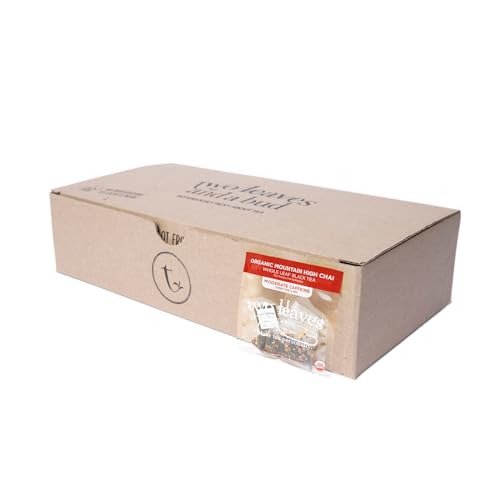
Delicious and Organic Chai Tea Bags - The foundation of this organic chai tea is top-quality, whole leaf black tea. Then we add whole spices like cinnamon, ginger, and cloves for a bold, yet balanced blend.
Testing Companion Planting Combinations

Growing companion plants is a smart strategy, but figuring out which combinations work best can feel like a puzzle. Testing various plant pairings can help you attract beneficial insects while drawing pests away from your crops. For example, thyme is a superstar in repelling cabbage worms, while marigolds near zucchini fend off squash bugs. You may find basil and thyme together also repel pesky armyworms. Engaging in trials and error can lead to effective pest management outcomes. With the right plant combinations, you can enhance your garden’s overall health. Remember, gardening is a journey, not a race. So, don’t fret if some pairings flop—it’s all about discovering what works for you! Happy planting! Additionally, integrating beneficial insects into your garden promotes sustainability and helps naturally deter pests like thrips, contributing to a thriving garden ecosystem.
Creating Habitats for Beneficial Insects
Creating an inviting habitat for beneficial insects can transform a garden into a thriving ecosystem. By planting diverse plants, you can attract ladies and lacewings, which naturally help manage pests. Flowering plants like marigolds and cosmos provide essential shelter and food sources. Their vibrant blooms are not just pretty; they entice beneficial insects to your crops. Additionally, consider including strong-scented herbs such as mint and dill—they confuse pests while attracting their natural predators. Trap crops like nasturtiums lure unwanted pests away from your valuable plants. This balanced approach doesn’t just suppress weeds; it enhances pollination and increases your garden’s resilience. Remember, a well-designed garden isn’t just about growing food; it’s about creating a welcoming space for nature. To protect your home from indoor pests, consider using non-toxic traps that are safe around children and pets.
Transitioning Away From Chemical Pesticides
After fostering a welcoming environment for beneficial insects, many gardeners begin to contemplate their reliance on chemical pesticides. Shifting away doesn’t happen overnight, but it’s a rewarding journey. Handpicking those pesky bugs is one way to go—who knew gardening could be a workout? Floating row covers also create a barrier, protecting your plants and reducing chemical needs. Focusing on soil fertility through organic practices like plant companions and cover crops will help your garden flourish too. This enhances nutrient availability and helps grow robust plants that naturally deter pests. With patience and dedication, you’ll find fewer pests buzzing around. Embrace the process; gardening is a dance with nature, and sometimes, it takes a little time to perfect those steps! Additionally, consider using ultrasonic pest control solutions as an eco-friendly way to keep pests at bay without harming beneficial insects.
Recommended Products

Simple Compatibility Check: Specifically designed for iPad Air 11 inch M2/M3/M4, iPad Air 4th/5th generation and iPad Pro 11 inch 1st/2nd/3rd/4th generation,which Model numbers is A2316, A2324, A2325, A2072, A2588, A2589, A2591, A2590, A2902, A2903, A2904, A3266, A3267, A3270, A3459, A3460, A3463, A1980, A2013, A1934, A1979, A2228, A2068, A2230, A2231, A2377, A2459, A2301, A2460, A2759, A2761, A2762, A2435. Double-check your model now! ➔ Find your iPad’s model number in Settings > General > About or on the back case (small text near the bottom). Not sure? Send us your serial number—we’ll confirm fit!

Garden Friends: our garden netting product works great as a family for your garden which will protect vegetables, flowers, plants and fruits

Large Coverage & Easy to Customize: Each plant cover measures 10 ft x 50 ft, offering expansive protection for garden rows, multiple beds, or small trees. The lightweight fabric can be easily trimmed to fit shrubs, raised beds, or greenhouse setups without fraying
Practical Tips for Successful Companion Planting
Revealing the secrets of companion planting can transform an ordinary garden into a thriving ecosystem. To reap the benefits of companion planting, start by selecting fragrant herbs like basil that repel pests. Dill and mint can help, too. Don’t forget to incorporate flowers like nasturtiums, which lure pest attention away, protecting your precious crops. Pairing thyme with cabbage is a smart move to deter cabbage worms. Annual flowers fill your garden with beauty while attracting predatory insects that feast on harmful pests. By mixing flowers and herbs, you create a diverse garden that confuses pests. Remember, gardening is about experimenting. So roll up your sleeves, and enjoy creating your lush garden paradise, while keeping those pesky pests at bay! A useful addition to your garden could be the Diatomaceous Earth Food Grade for an eco-friendly pest control method, ensuring your garden remains safe and chemical-free.
Frequently Asked Questions
Does Companion Planting Deter Pests?
Companion planting effectively deters pests by enhancing crop rotation and promoting garden diversity. This practice fosters ecological balance through plant synergy, utilizing natural repellents like flowering herbs to disrupt pest lifecycles and reduce pest attraction.
What Is the 70/30 Rule in Gardening?
The 70/30 rule in gardening emphasizes allocating 70% to staple crops and 30% to companion species, enhancing crop diversity, soil health, and nutrient balance, cultivating synergistic relationships that promote ecological balance and optimize garden layout.
What Is the Best Plant for Pest Control?
The best plants for pest control include herbal allies like basil, fragrant herbs such as thyme, and flower companions like marigolds. These attractant plants promote beneficial insects and act as natural insecticides in vegetable pairings.
Why Does Intercropping Reduce Pests?
Intercropping diminishes pests through scent masking techniques, plant diversity benefits, and ecological balance maintenance. By nurturing beneficial insects and enhancing soil health, it improves crop yield while subtly redirecting pest attraction factors and fostering root competition effects.