As an Amazon Associate, we earn from qualifying purchases. Some links on this site are affiliate links at no extra cost to you. Our recommendations are based on thorough research and editorial judgment.
Whitefly Management in Greenhouse Settings

Managing whiteflies in greenhouses can feel like a never-ending battle, but don’t worry! Start by monitoring for these tiny pests with yellow sticky traps. The sooner you spot them, the better. Healthy plants are your best defense, so keep an eye on growing conditions. Use insecticidal soaps and oils for a more organic approach. Remember, good sanitation and the right timing for treatments can make a world of difference. Stick around to discover even more helpful tips!
Key Takeaways
- Regular monitoring with yellow sticky traps aids in early detection of whitefly populations, essential for effective management in greenhouses.
- Implement preventive measures such as quarantine for new plants and removing plant residues to reduce whitefly introduction.
- Application of insecticidal soaps and horticultural oils should be timed for cooler parts of the day to minimize plant stress.
- Introduce biological controls, like parasitoid wasps, and use neem oil to manage whitefly populations while preserving beneficial insects.
- Maintain thorough records of pest control methods to ensure compliance with regulations and track management effectiveness over time.
Identification of Greenhouse Whitefly
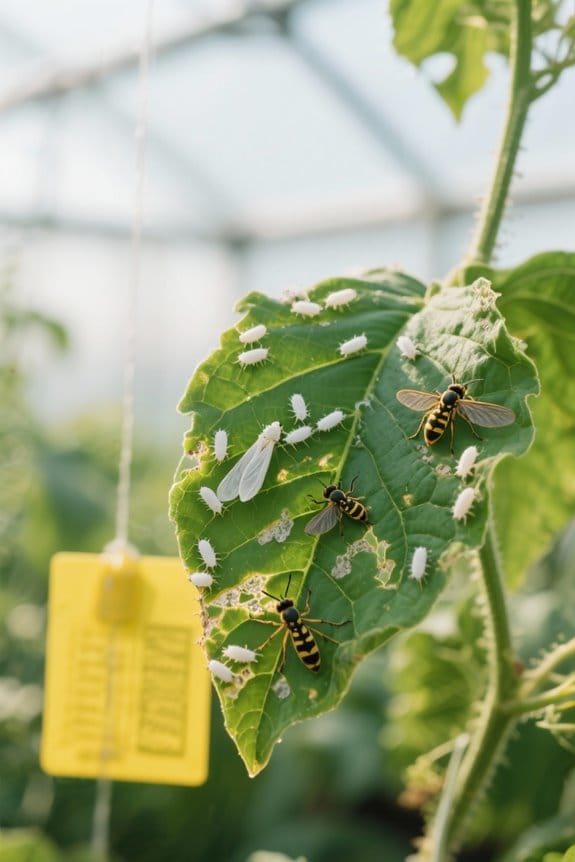
Identifying the greenhouse whitefly can feel a bit like playing detective in your garden. This tiny pest, around 1/16 to 1/10 inch long, has a distinct triangular shape and white wings. Look closely on the undersides of leaves for semicircular patterns of eggs, which hatch into mobile crawlers. As they grow, nymphs develop into stationary forms, recognized by their pillbox shape and long waxy filaments. The adults often swarm when disturbed and suck sap from your plants. Keep an eye out for yellowing foliage and shiny honeydew—indicators of potential damage. Remember, these pests reproduce rapidly, so early identification is key to keeping your plants healthy. Happy gardening! When dealing with ants in greenhouses, consider using pet-safe ant traps to ensure that beneficial insects remain unharmed while effectively controlling ant populations.
Life Cycle and Habits

Understanding the life cycle and habits of the greenhouse whitefly is essential for effective management. The life cycle lasts about three weeks and includes eggs, nymphs, and adult stages. Females lay up to 400 eggs on the undersides of leaves. These hatch into nymphs within five to seven days. The first nymph stage can crawl, but later stages become immobile. Adults, measuring about 1/16 inch, have four white, membranous wings and tend to swarm when disturbed. Populations can explode in warm weather, leading to increased feeding on plant sap. This results in yellowing foliage and stunted growth. Organic pest control solutions generally use natural ingredients, reducing risks associated with synthetic chemicals, which can be beneficial when managing whitefly populations. Knowing their habits helps you stay ahead in the battle, turning potential frustration into a manageable challenge. Just remember: vigilant eyes lead to healthy plants!
Damage and Host Plants
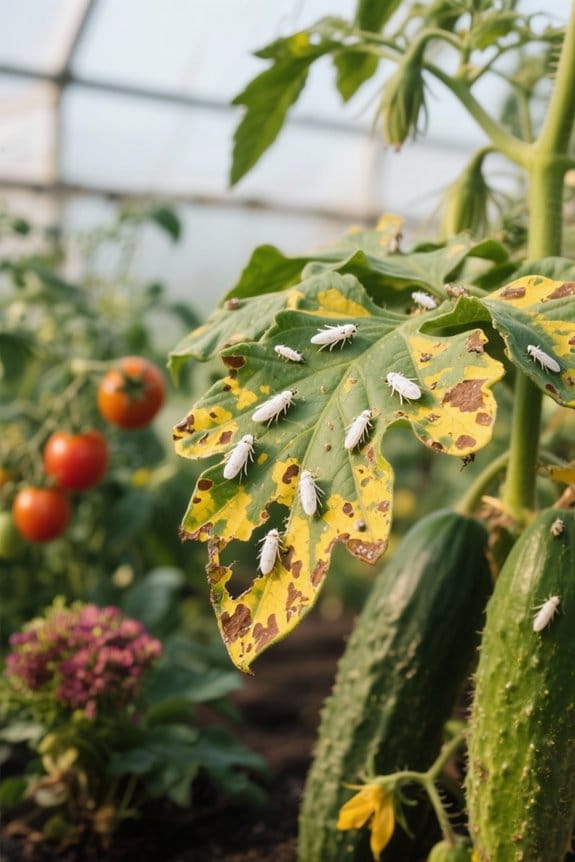
While it may be hard to believe, the tiny greenhouse whitefly can wreak havoc on your plants. These pesky insects feed on sap, leading to stunting and yellowing leaves, which can make your prized tomatoes and cucumbers look less than their best. Their feeding produces honeydew, a sticky substance that encourages the growth of sooty mold, which further complicates plant health. With over 250 host plants to choose from, greenhouse whiteflies can drastically reduce crop vigor and market value. Even worse, they can transmit plant viruses during feeding! Healthy plants are your best defense, so maintaining ideal growing conditions will help keep these nuisances at bay. Remember, a happy plant is a strong plant! To manage whiteflies effectively, consider using organic pest control solutions that are eco-friendly and safe for beneficial insects, ensuring a sustainable approach to gardening.
Seasonal Behavior and Vulnerability

Often, greenhouse whiteflies become a more significant challenge during the winter months when temperatures drop outside. In these cozy greenhouses, the rapid life cycle of the greenhouse whitefly allows for quick population increases. Monitoring is essential. You can use yellow sticky traps to catch these pests early and manage their presence. During winter, lack of seasonal hosts outside means whiteflies may turn to your ornamental and vegetable crops for sustenance. This makes vigilance vital. Remember, those stubborn whitefly eggs can withstand many insecticides, so remaining proactive is key. If you spot adult whiteflies swarming, it’s time to act! Yellow sticky traps serve as effective monitoring tools, allowing users to keep track of pest populations. Think of it this way: catch them early, and you can dodge a disaster—like a dance-off no one wants to join!
Preventive Measures

Preventing whitefly infestations is like putting up a sturdy fence before a storm – it keeps the pests at bay and protects your plants. Regular inspection is key; always quarantine new plants to make certain they don’t harbor whiteflies before introducing them into the greenhouse. Implement effective sanitation practices by clearing away plant residues and weeds, which can secretly host whitefly nymphs. Establish host-free periods by leaving the greenhouse empty of host plants for at least two weeks, as adult whiteflies can’t thrive without food. Adding reflective mulches around crops can also deter these pests. Finally, use yellow sticky traps for monitoring populations, placing them strategically to catch those sneaky adult whiteflies early on. Integrating beneficial insects like ladybugs and nematodes can naturally manage pest populations and promote a healthy greenhouse ecosystem. With these preventive measures, your plants can thrive in peace!
Monitoring Techniques
Monitoring techniques are essential for keeping whitefly populations in check, especially in a greenhouse setting. One effective method is using yellow sticky traps, ideally one to four traps per 1,000 square feet. Regularly replace these traps to guarantee they stay effective and free of non-target pests. You should aim for an action threshold of 0.5 whiteflies per card per day, indicating it’s time for control measures. Additionally, conduct weekly visual inspections of your plants, focusing on the undersides of leaves for unhappy little whitefly eggs and nymphs. Keep an eye out for honeydew residue too; it’s the sticky sign of a whitefly feast. Remember, early detection can save your plants from bigger headaches down the road! Non-toxic formulas are commonly used in pest traps for their safety and effectiveness around children and pets.
Chemical Control Options
When dealing with those pesky whiteflies in a greenhouse, knowing the right chemical control options can make a world of difference. Imidacloprid, often found as Marathon, stands out for targeting nymph stages through soil application. However, it is limited to flowers and houseplants, so keep that in mind. Successful control often requires multiple insecticide applications since eggs and pupae resist treatments. Opt for oils and soaps early in the day to reduce phytotoxicity. Always stay on top of pesticide recommendations, especially as neonicotinoids face classification changes. Remember, using chemicals can harm beneficial insects and pollinators. Mixing in biological control and integrated management strategies can provide a balanced, effective approach. After all, nature’s allies deserve a fighting chance! For those looking for a more environmentally friendly approach, products like Bonide Captain Jacks offer ready-to-use formulas that simplify application and adhere to organic gardening standards.
Recommended Products

𝐏𝐨𝐰𝐞𝐫𝐟𝐮𝐥, 𝐀𝐥𝐥-𝐏𝐮𝐫𝐩𝐨𝐬𝐞 𝐏𝐞𝐬𝐭 𝐂𝐨𝐧𝐭𝐫𝐨𝐥: Eliminator Insecticide and Fungicide Concentrate tough away and controls mildew, fungus, mold, aphids, spider mites, whiteflies, fungus gnats, thrips, mealybugs, flies, and more – ideal for gardens, crops, greenhouses, and residential spaces.

EFFECTIVE SPIDER MITE, POWDERY MILDEW & PLANT DISEASE CONTROL – Natural miticide and spider mite killer effective against two-spotted spider mites, broad mites, russet mites, whiteflies, aphids, powdery mildew, and downy mildew on vegetables, flowers, houseplants, indoor plants, ornamentals, and garden crops.
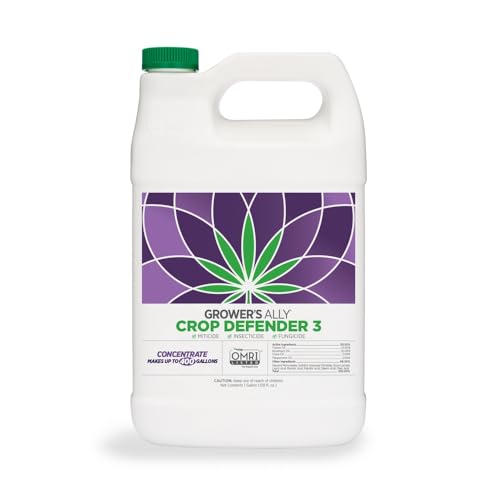
MAXIMIZE YIELDS – Grower’s Ally Crop Defender 3 is a highly effective triple-action crop protection formula intended for weekly use to kill powdery mildew, spider mites, russet mites, thrips, aphids and other soft-bodied insects as well as their eggs on contact.
Biological Control Agents
While maneuvering through the challenges of whiteflies in a greenhouse, biological control agents offer a promising silver lining. For instance, *Encarsia formosa* targets whitefly nymphs effectively, making it a favorite in integrated pest management. Additionally, ladybird beetles like *Delphastus catalinae* munch on both nymphs and adults, giving you a two-for-one deal! Just remember, maintaining proper environmental conditions is key because these beneficials need a safe space to thrive. If you’re feeling adventurous, consider using *Beauveria bassiana*, a fungal pathogen that can also help control whitefly populations, albeit more slowly. The secret ingredient? Thorough monitoring of the whitefly populations to see which agents are making a difference. With patience and strategy, success is just around the corner! For those battling Japanese beetles, strategic placement of traps is crucial to enhance capture rates and reduce garden damage.
Organic Control Methods
With a solid foundation in biological control, exploring organic methods can further bolster efforts against whiteflies in greenhouse settings. One effective approach involves using insecticidal soaps, which suffocate those pesky whitefly nymphs and eggs—be sure to target the undersides of leaves! Horticultural oils, like SunSpray, can also coat and smother these unwelcome guests but remember to reapply every 7-10 days for optimum results. Introducing parasitoid wasps, such as *Encarsia formosa*, offers biological control by preying on nymphs, though they thrive in specific conditions. Finally, neem oil can reduce populations and disrupt feeding without harming beneficial insects. Time your applications for early morning or late evening to enhance effectiveness. Neem oil sprays are effective against various pests like aphids and spider mites. You’ve got this!
Recommended Products

CROP, GARDEN & HOUSEPLANT INSECT CONTROL. Trifecta Crop Control plant based formula targets spider mites, aphids, whiteflies, fungus gnats and other soft bodied pests on indoor and outdoor plants. Safe for edible crops and biodegradable.
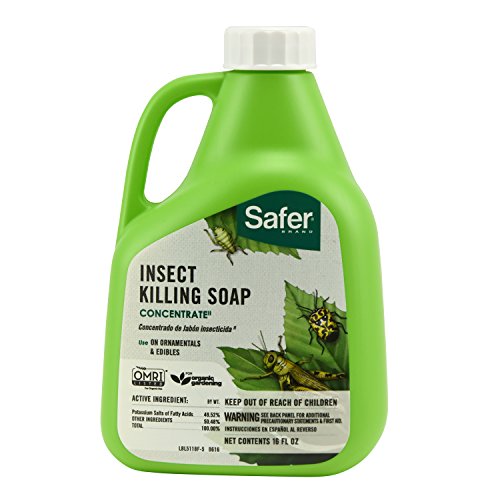
Protect Plants from Insects - Kills a variety of soft-bodied insect pests, including aphids, mealybugs, whiteflies, leafhopper, spider mites, and more
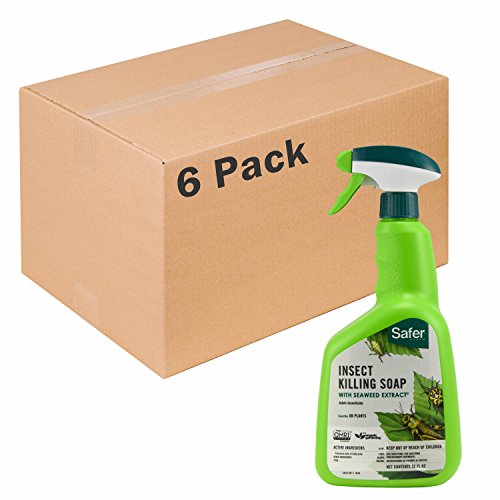
Targets & kills aphids, earwigs, grasshoppers, Harlequin bugs, leafhoppers, mealy bugs, mites, plant bugs, psyllids, sawfly larvae, soft scales, spider mites, squash bugs, blossom trips & whiteflies
Application Techniques
To effectively manage whiteflies in a greenhouse, proper application techniques are essential. First, timing is vital—apply insecticidal soaps and horticultural oils during cooler parts of the day to avoid plant stress. Use yellow sticky traps, placing 1-4 per 1,000 square feet, to monitor for adult whiteflies. Aim for thorough coverage on plant surfaces, especially the undersides of leaves where these pests like to hide. Since whitefly eggs can resist control methods, plan to reapply your insecticides every 7-10 days. To keep whiteflies from outsmarting you, rotate chemical control agents to combat resistance. Consider using OMRI Listed products, which are designed to protect beneficial insects while targeting specific pests. Remember, managing whiteflies takes persistence, but with diligence, you’ll keep those pesky bugs at bay!
Recommended Products

CROP, GARDEN & HOUSEPLANT INSECT CONTROL. Trifecta Crop Control all-natural, plant-based formula effectively combats destructive spider mites, aphids, whiteflies, fungus gnats, and other soft-bodied pests on indoor and outdoor plants. Our biodegradable, eco-friendly solution is safe for use on edible crops, without chemical residues. Our gentle yet potent plant spray suffocates and dehydrates pests without harming beneficial insects or the environment, making it ideal for organic gardening.

Leaves a natural shine

3 GARDEN PRODUCTS IN 1: Fungicide, insecticide & miticide product kills eggs, larvae and adult stages of listed insects and prevents fungal attack of plant tissues
Resource and Legal Considerations
Traversing resource and legal considerations is essential for successful whitefly management in greenhouses. As of July 1, 2026, some neonicotinoid products will be classified as limited-use pesticides. Pest control applicators must check local pesticide regulations to avoid getting into hot water! Keeping up with the latest recommendations from Cooperative Extension offices can make all the difference. When using biological control agents like *Encarsia formosa*, it’s imperative to plan. Some chemical applications can thwart their effectiveness. Integrated pest management strategies combine different control measures effectively. Record-keeping is essential; documents show compliance and track what works against whiteflies. With careful attention to these factors, you can tackle whiteflies confidently while staying on the right side of the law!
Frequently Asked Questions
How to Control Whiteflies in a Greenhouse?
Like a vigilant sentinel, effective whitefly control in greenhouses combines scouting techniques, sticky traps, biological controls, insecticidal soaps, and neem oil, alongside temperature regulation, crop rotation, and companion planting to optimize environmental factors and discourage infestations.
Can I Use Fly Spray in a Greenhouse?
Using fly spray in a greenhouse may harm beneficial insects and compromise pest management. Its effectiveness varies, while organic alternatives pose less environmental impact. Adopting targeted application techniques considers insect behavior, ensuring improved crop health and safety.
What Is the Fastest Way to Get Rid of Whiteflies?
To quickly eliminate whiteflies, utilize insecticidal soap alongside sticky traps, introduce natural predators, consider neem oil, and manage environmental factors. Additionally, promoting crop rotation and plant resistance aids in disrupting the whitefly lifecycle and achieving biological control.
What Temperature Kills Whiteflies?
Temperatures below 50°F (10°C) and above 95°F (35°C) serve as critical temperature thresholds, affecting the whitefly life cycle. Effective thermal treatments within greenhouse conditions can disrupt pest resistance while safeguarding beneficial insects amidst fluctuating environmental factors.