As an Amazon Associate, we earn from qualifying purchases. Some links on this site are affiliate links at no extra cost to you. Our recommendations are based on thorough research and editorial judgment.


Dealing With Leafhopper Populations

Dealing with pesky leafhopper populations can feel like a never-ending battle. These tiny insects can cause big headaches for grapevines. Regular neem oil sprays every 7-10 days can help keep them in check. Using yellow sticky traps will catch those cheeky leafhoppers, giving you a clearer picture of the problem. Don’t forget about their natural enemies like lady beetles—they’re nature’s little superheroes! Stick around to discover more strategies for a thriving vineyard.
Key Takeaways
- Regularly monitor leafhopper populations using yellow sticky traps to assess their numbers and plan management strategies effectively.
- Apply neem oil sprays every 7-10 days to help control leafhopper populations organically.
- Implement cultural controls like maintaining vine health to reduce leafhopper susceptibility and damage.
- Utilize insecticidal soaps, which are OMRI-approved, for effective pest control while minimizing chemical residues.
- Encourage beneficial insects like lacewings and lady beetles to naturally target leafhopper populations and their eggs.
Description of Leafhoppers
Leafhoppers are intriguing little insects, typically measuring between 1/8 to 1/4 inch long. These wedge-shaped pests can be found on the undersides of leaves, where adult leafhoppers lay eggs. Nymphs emerge and begin their life cycle of feeding. Unfortunately, their feeding can cause visible damage such as stippling and yellowing. This feeding damage can weaken plants, leading to economic damage, especially in grape production. Additionally, leafhoppers can transmit plant diseases, turning your cherished garden into a waiting room for trouble. If you notice honeydew on leaves, be alert; this sticky substance can foster sooty mold growth. Don’t let these tiny critters steal the sunshine from your garden; with attention and care, you can manage them effectively! Regular application of neem oil sprays every 7-10 days can help manage pest populations and promote plant health.
Identification and Characteristics

With their small size and distinctive markings, identifying different types of leafhoppers can be a manageable task. The grape leafhopper is about 0.12 inch long and light yellow, while the variegated leafhopper is similar but darker, boasting mottled browns and greens. Look for their eggs too; grape eggs resemble tiny bean-shaped blisters, whereas variegated eggs sit near leaf veins. Nymphs are helpful for identification as well—grape nymphs are white with yellow spots, while variegated nymphs turn orange-brown as they grow. Virginia creeper leafhoppers have unique red spots behind their eyes, making them easy to spot. Knowing these characteristics simplifies identification and can make you feel more prepared in the garden. Remember, every leafhopper counted is a step towards better management! Opting for non-toxic solutions can help manage leafhopper populations without posing risks to beneficial insects or the surrounding environment.
Damage to Grapes

Damage from leafhoppers can be a serious concern for grape growers. These pests feed on grape leaves, causing visible leaf stippling and pale spots. While low infestations may go unnoticed, high populations result in leaf yellowing and significant leaf drop. This reduction in leaves affects photosynthesis, increasing the risk of fruit sunburn on hot days. Young vines are especially vulnerable; their droppings can cause berry spotting, impacting grape quality. Disruptions to grape cluster growth delay ripening and hinder sugar accumulation, leading to yield compromise. Managing these pests is essential to guarantee healthy vines. A little monitoring can help reduce populations and protect your grape crop. Furthermore, integrating eco-friendly control methods like those used for thrips can enhance vineyard sustainability. Remember, a healthier vineyard means happier harvests!
Recommended Products

INSECT KILLER - our pest control is great for use on aphids, beetles, caterpillars, certain ant species, mealybugs, mites, leafhoppers, scale, trips, fungus gnats, whitefly, adelgids, plant bugs, sawfly larvae, spittlebugs and more.
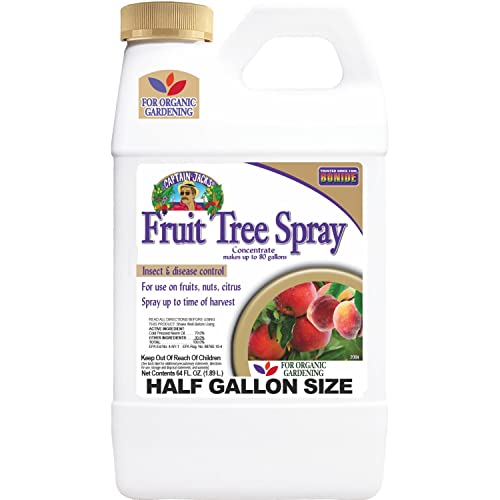
Control diseases and insects in your garden with Captain Jack’s Fruit Tree Spray Concentrate! Use on a variety of listed fruits, nuts and citrus plants.
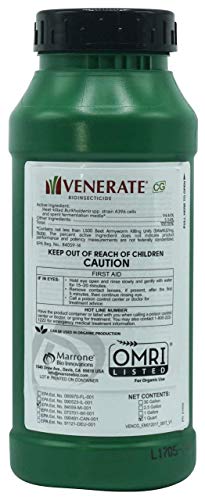
Venerate CG to control aphids, leafhopper, lygus, stink bug, thrips & more
Management Strategies

Managing leafhopper populations is a proactive way to protect grapevines from potential harm. To start, regularly monitor leafhopper populations using yellow sticky traps and inspect your vines weekly. This helps determine treatment needs based on established thresholds. Implement cultural controls like maintaining healthy vines and using resistant varieties to lessen pest pressure. Additionally, organic pest control methods help reduce chemical residues on plants, ensuring the safety of edible plants. If you seek chemical treatments, target them during the nymph stage, especially for second-generation populations. Effective insecticides with various modes of action can prevent resistance. For those interested in organic management, consider OMRI-approved options like insecticidal soaps, while carefully following the product label. With diligent care, you can keep leafhoppers at bay and guarantee a thriving vineyard. Remember, a little prevention today means a bountiful harvest tomorrow!
Biological Control Options
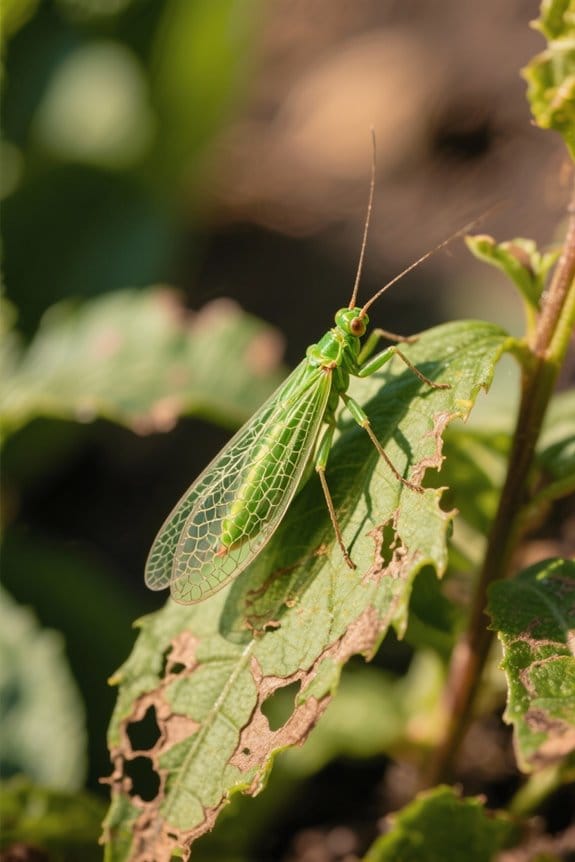
While it may seem intimidating to tackle leafhopper populations, nature offers some effective allies. Natural enemies like lacewings, lady beetles, and predatory bugs target leafhoppers at all life stages. Parasitic wasps, especially Anagrus species, wreak havoc on leafhopper eggs, achieving near 100% parasitism in perfect conditions. A diverse ecosystem in your vineyard invites these beneficial insects to help manage adult populations. Monitoring for those telltale brick-red leafhopper eggs informs you about your biological control efforts. Remember, promoting the survival of natural enemies after any chemical interventions is key to preventing population rebounds. In the world of pests, friendly foes can be your best friends—“Keep your friends close, and your predators closer!”
Monitoring and Treatment Thresholds
Keeping an eye on leafhopper populations is key to vineyard health. Regular inspections of grapevines, especially the undersides of leaves, help in monitoring for nymphs and evaluating leaf damage. Treatment thresholds for wine grapes recommend action if nymph counts exceed 20 per leaf during the first generation. For table grapes, the threshold is 15 nymphs. During peak populations, consider insecticide application, but allow parasitic wasps time to do their job. Look for parasitized eggs, which appear brick-red; they can signal a reduction in treatment needs. Utilizing yellow sticky traps also aids in finding out leafhopper numbers, giving you a clearer picture before you act. Remember, a proactive approach leads to healthier vines and happier harvests! Incorporating eco-friendly pest control solutions can minimize environmental impact while effectively managing leafhopper populations.
Organic Pest Management Techniques
How can growers effectively manage leafhoppers without resorting to chemicals? Organic pest management is a smart route. First, monitor populations using yellow sticky traps. They catch those pesky leafhoppers before they wreak havoc. Natural predators like ladybugs and parasitic wasps can also help control the pest population—nature’s little helpers! Crop rotation and diverse plantings disrupt the leafhoppers’ life cycles too. Timing matters; apply treatments during the vulnerable nymph stage for better results. OMRI-approved insecticidal soaps, pyrethrins, and kaolin clay offer effective options while ensuring organic compliance. Remember, keeping beneficial insects in the mix is key. With these strategies, you’ll manage leafhopper populations while keeping your plants happy and healthy—no chemicals needed! Additionally, OMRI Listed products ensure compliance with organic practices, making them ideal for maintaining a balanced ecosystem while targeting specific garden pests.
Frequently Asked Questions
How Do You Get Rid of Leafhoppers?
To eliminate leafhoppers, one might utilize organic insecticides, insecticidal soap, or neem oil. Employing cultural practices, companion planting, trap crops, and sticky traps helps protect beneficial insects while controlling the pest population effectively.
What Do Leafhoppers Hate?
Leafhoppers hate strong scents from insect repellent plants like basil and marigolds, as well as the environmental influences of high humidity. Companion planting and organic pest solutions, including essential oils, effectively deter their feeding habits and attractants.
How Do You Manage Leafhoppers?
To manage leafhoppers effectively, one must weave a tapestry of leafhopper resistance strategies, employing cultural control methods, organic pesticide options, and habitat manipulation, while monitoring populations and timing interventions through the seasons’ ebb and flow.
What Are the Natural Enemies of Leafhoppers?
Natural enemies of leafhoppers include predatory insects, beneficial beetles, and parasitic wasps. Employing habitat diversity, companion planting, and natural pesticides fosters their populations, while bird feeders and nematode control further enhance organic gardening efforts against leafhoppers.