As an Amazon Associate, we earn from qualifying purchases. Some links on this site are affiliate links at no extra cost to you. Our recommendations are based on thorough research and editorial judgment.

Summer Garden Pest Challenges

Summer garden pests can wreak havoc on your plants. Aphids and whiteflies love to sip sap, while Japanese beetles munch on leaves like they’re at a buffet. The good news? You can shield your garden. Start with healthy soil and protective mulch. Keep an eye out for signs like yellowing leaves or sticky residue. And if you spot trouble, don’t worry! There are natural solutions to manage these pesky invaders. Stick around to discover more ways to protect your plants!
Key Takeaways
- Common summer pests include aphids, whiteflies, Japanese beetles, and caterpillars, all of which can damage plants significantly.
- Implementing preventive measures like composting and using mulch helps establish healthier plants that are more resistant to pests.
- Regular monitoring and inspection of plants can lead to early detection of pest issues, minimizing potential damage.
- Natural pest control options, such as neem oil and insecticidal soap, provide effective treatments while being eco-friendly.
- Mammals like deer and rabbits require robust barriers and repellents to prevent them from damaging garden plants during the summer.
Common Summer Pests Affecting Your Garden
While summer brings warmth and vibrant blooms, it also invites a host of garden pests that can wreak havoc on plants. Common pests include aphids, which suck sap from leaves, causing yellowing and distortion. They also leave behind honeydew, attracting sooty mold. Whiteflies love hiding on the undersides of leaves, feeding off sap and potentially transmitting viruses. Japanese beetles are notorious for skeletonizing foliage, leaving your plants looking like they survived a battle. Don’t forget about caterpillars, such as cabbage loopers, which voraciously munch away at your leaves and fruits. Early detection is essential. Thankfully, beneficial insects can lend a hand. Adopting Integrated Pest Management techniques helps you maintain a healthy garden, ensuring your summer blooms thrive despite the challenges. For those seeking eco-friendly options, organic pest control solutions like Trifecta Crop Control offer effective protection while being safe for kids and pets.
Preventive Measures to Protect Your Plants

To keep summer pests at bay, gardeners can embrace a variety of proactive measures. Establishing healthy soil is vital; composting helps create a resilient environment that fends off pests and disease. Using mulch not only retains soil moisture but also chokes out pesky weeds. Opting for pest-resistant varieties can protect your plants from common culprits like aphids and beetles. Regular monitoring is essential for early detection—catching a problem before it spirals can save your garden. Linking up with beneficial insects, like ladybugs, can naturally reduce pest populations. Additionally, implementing physical barriers, such as nets and row covers, shields crops while allowing sunlight in. Beneficial nematodes are eco-friendly and target soil-dwelling pests, adding another layer of natural pest control. So, take these proactive steps and keep your garden thriving this summer!
Recommended Products

ORGANIC SLUG AND SNAIL CONTROL - Sluggo is one of the best snail and slug control products to protect your plants from snail and slug damage. Use in lawns, gardens, greenhouses, ornamentals, vegetables, fruits, berries, citrus and crop plants.
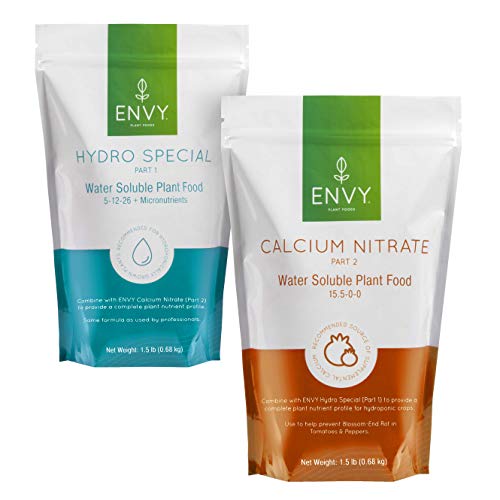
2 PART FORMULA - Use with ENVY Hydro Special Part 1 to provide a complete nutrient supply for hydro, soil & coco-coir grows of herbs and vegetables

【Spacious Planting Space】Raised garden bed with legs dimensions: 70.9x22.8x31.5 in, boasting a deep 11.8" raised planter box—way beyond the standard 8". With room for 80 gallons of soil, your veggies, fruits, herbs, and flowers will thrive.
Monitoring and Early Detection Techniques

Regular monitoring is the gardener’s best friend when it comes to keeping pests at bay. Start by regularly inspecting the undersides of leaves and stems for early signs of pests. Look for discoloration, holes, or sticky substances that signal aphids are nearby. Use yellow sticky traps to catch and monitor flying pests like whiteflies. These traps are like pest magnets! Keep a garden journal to track pest occurrences and treatments, which helps identify patterns. Additionally, implement row covers as cultural controls to protect plants while allowing sunlight to nourish them. Regularly removing weeds and debris shrinks pest habitats and makes monitoring easier. With these techniques, gardeners can enjoy healthier plants and a more bountiful garden. For those seeking environmentally friendly pest control, organic insecticides and fungicides provide safe, effective solutions for vibrant gardens.
Natural and Organic Pest Control Options

Finding effective pest control options can feel like searching for a needle in a haystack, but many natural and organic methods can transform your garden into a thriving oasis. Neem Oil is a powerful ally, disrupting pests’ life cycles while treating fungal issues. Insecticidal Soap targets soft-bodied insects like aphids effectively, leading to their swift dehydration. Don’t forget diatomaceous earth, which acts like tiny shards of glass for crawling insects, damaging their exoskeletons. Encourage beneficial insects by planting nectar-rich flowers; ladybugs and lacewings will gladly help keep pests at bay. Consider using Bacillus thuringiensis for caterpillar control—it’s effective and safe. Regular application of neem oil every 7-10 days is essential for optimal pest management and plant health. By embracing these solutions, you cultivate a clean garden full of energy and joy without relying on harsh chemicals.
Recommended Products

SUPER CONCENTRATE MAKES 1,000 GALLONS - Earth's Ally 3 in 1 Plant Spray Super Concentrate creates 1,000 gallons of multi-purpose pest and fungus spray that works as an insecticide, miticide and fungicide. The formula effectively controls insects and common plant diseases with a synergistic blend of botanical oils.

EFFECTIVE SPIDER MITE, POWDERY MILDEW & PLANT DISEASE CONTROL – Natural miticide and spider mite killer effective against two-spotted spider mites, broad mites, russet mites, whiteflies, aphids, powdery mildew, and downy mildew on vegetables, flowers, houseplants, indoor plants, ornamentals, and garden crops.

BEST NATURAL SOLUTION TO DEFEAT MILDEW, MITES AND MOLD - Crop Control is hands down the BEST choice to prevent and cure Powdery Mildew, Spider Mites, Russet Mites, Broad Mites, Botrytis, Grey Mold, Aphids, fungal and parasitic species on plants. Uses plants natural defense systems to defend with zero harsh chemicals or toxins.
Challenges With Mammal Pests and Solutions

When it comes to summer gardening, the joy of lush greenery is often overshadowed by unwelcome visitors like deer, rabbits, and javelinas. These mammal pests can cause significant damage by munching on plants and uprooting your hard work. To keep deer at bay, consider sturdy fences and deer-resistant plants. For rabbits, wire mesh fences and plant-based repellents, like coyote urine, can create a sense of danger. Now, javelinas? They love to uproot, so strong barriers and motion-activated lights work wonders! Don’t forget about squirrels—they’ll steal your fruits too! Control methods involve physical barriers and traps. Remember, a bit of diligence and creativity can protect your garden from these fur-covered foes and guarantee your plants thrive. For dealing with slugs, consider organic solutions that are both effective and safe for the environment.
Recommended Products
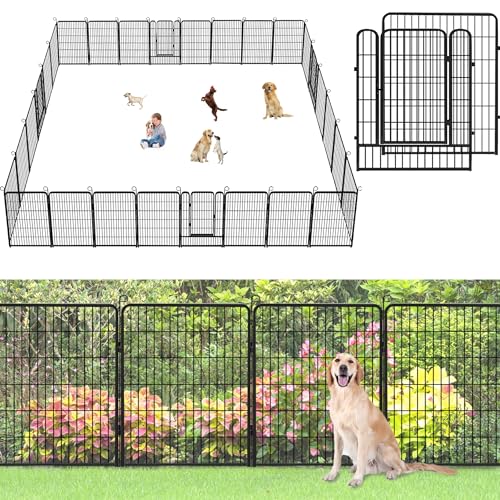
【Extra Wide Size】-With an improved width of 32 inch, this 38 panels (33panels+5gates) metal garden fence offers a total length of 101ft, 818 Sq.ft range. Great for defining borders in your yard to protect plants, trees, patio landscapes, and flower beds, the 40inch height effectively keeps small to medium animals out of your garden, and keep pets like dogs and rabbits contained
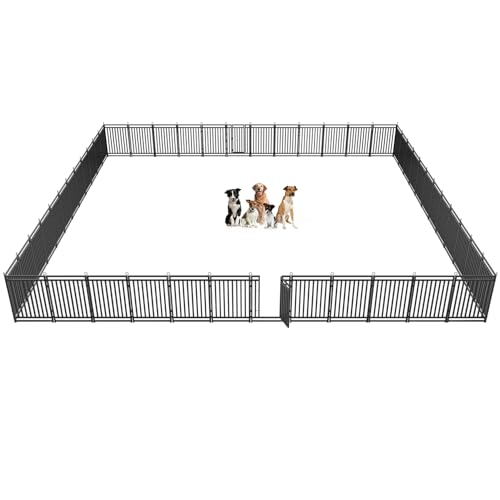
【Rust-Proof & Durable Design】The metal dog kennel is crafted using premium thickened iron with a black, silver powder-coated finish. This advanced anti-rust treatment ensures long-lasting durability against rust, corrosion, water, and UV damage. It is perfect for both indoor and outdoor use, significantly extending the lifespan of the pet enclosure. The sturdy metal pipes offer enhanced stability, making it a reliable choice for your pet’s safety.

Everything you need in one convenient package to temporarily fence poultry in the backyard or on the pasture.
Frequently Asked Questions
What Happened to Michelle Obama’s Vegetable Garden?
Michelle Obama’s vegetable garden once flourished, symbolizing sustainable practices and healthy eating; however, neglect led to decline. Renewed efforts under the Biden administration aim to restore its design, emphasizing gardening benefits and food security through community gardens.
Why Are Bugs Worse in the Summer?
Bugs are worse in summer due to pest population explosion. Increased humidity and warmer temperatures enhance seasonal breeding, while plant stress and habitat expansion diminish vegetable vulnerability, disrupting predatory behavior and attracting more pollinators, exacerbating infestations.
How Do I Tell What Animal Is Eating My Garden?
To identify the animal eating the garden, examine animal tracks, analyze bite marks and droppings, and monitor plant damage. Using garden cameras and noting nocturnal visitors can help reveal early signs of culprits.
How to Get Rid of Overwintering Garden Pests?
To eliminate overwintering garden pests, implement pest control strategies like seasonal monitoring, garden hygiene, and natural repellents. Encourage beneficial insects, utilize trap techniques, and apply organic methods such as companion planting and mulch benefits for effective management.