As an Amazon Associate, we earn from qualifying purchases. Some links on this site are affiliate links at no extra cost to you. Our recommendations are based on thorough research and editorial judgment.


Sticky Trap Placement Strategies

Sticky trap placement is key to catching those pesky critters. Position traps near entry points like doors and windows, and don’t forget corners behind appliances. It’s like setting up a bug buffet! Adjusting trap height as crops grow can also improve catch rates. Keep an eye on your traps weekly, and replace them if they lose their stickiness. With a little creativity, you can even fit traps into tight spots. Want more tips? There’s plenty to explore!
Key Takeaways
- Position sticky traps near entry points like doors and windows to catch pests entering buildings.
- Place traps at the base of walls and behind appliances to target pest travel routes efficiently.
- Deploy one trap every 5 to 10 feet for comprehensive coverage in high-risk areas.
- Customize traps for difficult spots; cut, invert, or fold traps to fit snugly in tight spaces.
- Regularly check traps at least once a week for effectiveness and replace when necessary.
Importance of Strategic Placement
Strategic placement of sticky traps guarantees effective pest monitoring. A reputable pest control company emphasizes the importance of positioning these traps near entry points, like doors and windows. After all, that’s where pesky intruders sneak in! Place traps at the base of walls, parallel to them, to catch insects more easily. Don’t forget those hidden spots, too—attics, garages, and basements are high-risk areas. Yellow sticky traps serve as effective monitoring tools, allowing users to keep track of pest populations. For the best results, set a trap every 5 to 10 feet where pests are known to roam. Regularly check these traps; if they lose stickiness or fill up, they won’t be much help! Remember, a proactive approach can save you from future frustrations. After all, nobody wants to turn their home into a pest playground!
Ideal Locations for Sticky Traps

Where should you really place those sticky traps for the best results? Start by positioning them near entry points like doors and windows. This will intercept pests before they invade your space. Next, install sticky traps at the base of walls. Pests often travel along walls, so this is a great way to catch them. Don’t forget concealed spots behind appliances or cabinets—they love those nooks! In your garden, place yellow sticky traps around potted plants to attract flying pests like whiteflies. For effective coverage, aim for one trap every 5 to 10 feet. With these strategies, you can outsmart those pesky intruders and create a more peaceful environment. After all, a bug-free home is a happy home! Additionally, non-toxic traps minimize risks to children and pets, and reduce chemical exposure while effectively managing pests.
Recommended Products
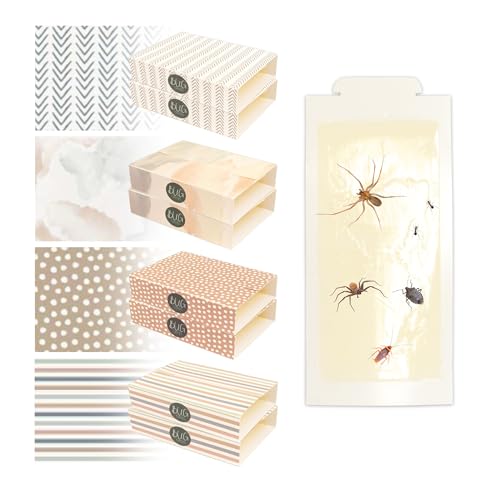
DECORATIVE DESIGNS: BUG Beds are cute. Do you want to monitor pests and protect your home from insects and spiders without sacrificing its aesthetic appeal? Other sticky traps are glaring white and have pictures of bugs, spiders and mice on them. Our glue pads will catch pests without looking out of place in your home.

6 PACKS OF 72 TRAPS: Max Catch glue traps offer effective pest control for mice, spiders, roaches, and crickets. Perfect for offices and warehouses, these ready-to-use traps come in bulk packaging for easy storage and quick access, ensuring a professional, pest-free environment.

INDUSTRIAL STRENGTH UV TRAP: Catchmaster's Insect Vector 30 Light Trap is remarkably discreet and undemanding to maintain. It's made with airplane-grade aluminum casing and an industrial-strength design for increased durability. This ultra-sturdy indoor fly trap for home comes with 1 replaceable glue board and 2 shatterproof 15-Watt bulbs (Philips TL-D 15W Actinic BL).
Adjusting Trap Height With Crop Growth

Sticky traps are a great way to catch pests that sneak into your garden or home. As your plants grow, don’t forget to adjust the height of your traps. Aim for about half a foot (15 cm) above the crop canopy. Keeping that distance guarantees they effectively capture a range of flying insects. Regularly check your plants and raise the traps as needed. This adjustment not only boosts pest capture but also protects your sticky material from getting damaged by the crops. Effective ant management requires not only choosing the right traps but also engaging in continuous monitoring and strategic placements. Think of it like giving your traps a little lift—just like a good cup of coffee! By maintaining the right height, you’ll have a better shot at spotting pest problems early on. Happy gardening!
Recommended Products

Long-lasting, weather-proof traps attracts all kinds of flying insects and pests

You will receive (3) 5-Packs of Sticky Thrips Leafminer Traps and (3) 5-Packs of Yellow Stick Aphid Whitefly Traps

READY TO USE: Catchmaster Large Double Sided Sticky Traps are intended for use without fly bait. The bug catcher helps protect live plants from Fungus Gnats, White Flies, Fruit flies, Fungus Gnats, Aphids, Thrips, Leaf Miners, Sciarid Flies, Lepidoptera, and other crawling insects. Sticky Cards are designed for up to one year of use, depending on the environment they are placed
Utilizing Airflow to Attract Insects

To effectively attract insects to sticky traps, it’s important to contemplate how airflow can play an essential role. Positioning traps near airflow sources like fans or vents maximizes their effectiveness. This strategy draws insects in, so make sure the traps are visible to them. Placing sticky traps at ground level helps capture those trying to escape stronger breezes. You might even use vertical sticks to raise traps at various heights in a crop canopy, targeting insects at different levels. Keep an eye on insect movements; adjusting trap placement based on observed activity can make a big difference. In the battle against pests, a little airflow goes a long way—just think of it as setting the stage for a bug “come and get it!” Using refillable sprayers for applying non-toxic insect attractants can further enhance the performance of your sticky traps by ensuring even distribution and reducing environmental impact.
Recommended Products
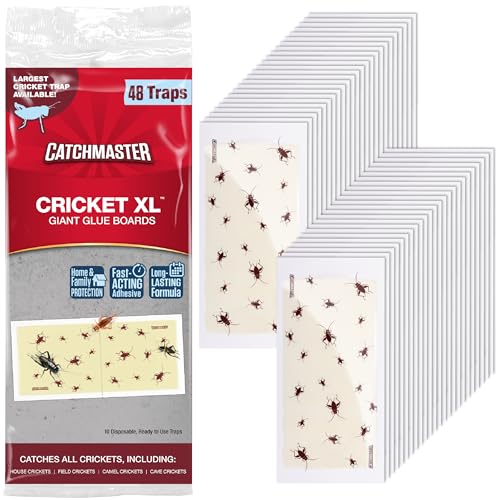
READY TO USE: Cricket XL Giant Glue Traps are intended for use without bait. For best use, place glue boards along known or suspected pest pathways and refrain from touching or moving the trap. The printed design on the Cricket XL Glue Trap helps to specifically attract crickets and is more discreet at hiding trapped pests than other glue traps.
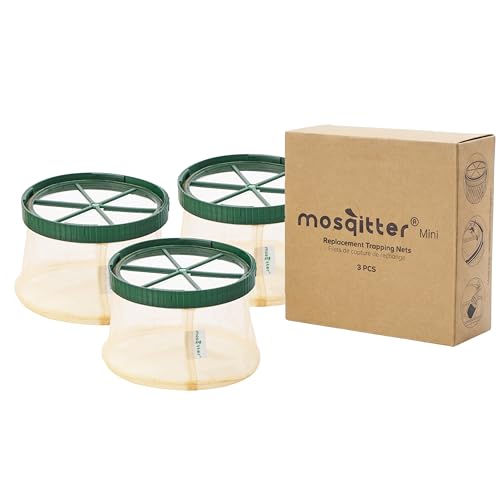
Easy replacement system: The built-in system ensures quick and easy attachment to the Mosqitter Mini device, while maintaining a tight, seal designed for maximum mosquito capture.

READY TO USE: Bug & Fly Clear Window Traps are waterproof, easy-to-apply, disposable, and pesticide-free fly traps for indoors and outdoors. For best use, peel off the thin white lining and stick the bug and fly trap to a window sill, patio door or garage; remove the rest of the lining and let the trap take care of your flying insect problems!
Monitoring Pest Activity Effectively

Effective monitoring of pest activity can greatly enhance the success of any pest control effort. Yellow sticky traps attract insects and should be placed near entry points like doors and windows. These areas are high-risk for pest activity and yield valuable data. Position traps at the base of walls where pests roam. Checking these traps weekly is key; it helps track insect populations. Make sure the stickiness lasts for ongoing effectiveness. It’s essential to choose non-toxic traps to ensure the safety of children and pets in your home. Aim for a trap density of one every 5 to 10 feet for ideal coverage. Summarizing trap data over time reveals trends that guide pest management decisions. Remember, “A stitch in time saves nine”—stay ahead of pests before they multiply!
Creative Applications for Difficult Areas
While pests often find their way into the most unexpected nooks and crannies, creative trap placement can make all the difference. Sticky traps can be cut to fit snugly in tight spaces, ensuring no pest is left behind. Want a cleaner cutting experience? A dab of soap on scissors does wonders! Inverting traps and tucking them under sinks or into closets captures sneaky pests hiding out of sight. Folding traps into tents attracts pesky gnats, especially in compost areas. For those tricky spots between cabinets and walls, use tabs to anchor traps. This versatility is essential for Integrated Pest Management. With these clever strategies, you can conquer pest problems one sticky trap at a time! Additionally, Catchmaster Glue Traps are pesticide-free and designed for monitoring spider activity, making them a safe option for homes with children and pets.
Recommended Products

Tomcat Glue Boards effectively capture mice and other pests like cockroaches, spiders, or scorpions without the use of bait

Economical Fly Strips Roll Package: you will get 15 rolls hanging fly tapes, which size are 30 feet long, 10 inch wide; Our one sided flying insect trap roll contains 3, 600 square inches of quality fly catching surface, keep your family protected

[Ready To Use]: Jumbo rat mouse and insect glue traps are pre scented and are intended for use without additional bait; Simply place 2 sticky mouse trap apart in areas frequented by rats, snake, roaches, scorpions rodents or insects; You can simply carry the glue traps to the bin and no need to physically contact with the mouse corpse; Using these sticky traps for mice and rats will help you achieve an effective result
Regular Maintenance and Monitoring
Creative trap placements in those difficult areas are only part of the equation. Regular maintenance is essential for effective monitoring pests. Inspect sticky traps at least once a week. Look for fullness and loss of stickiness; traps that aren’t effective are just decorations. If they need replacing or cleaning, don’t hesitate! A little waterless hand cleaner can remove sticky residue, keeping traps ready for action. Remember, place traps every 5 to 10 feet to cover pest hotspots. Documenting trap counts is also important. Track conditions to uncover trends. Think of it this way: a well-maintained trap is like a detective—always on the lookout for clues, so you can swiftly outsmart those pesky intruders! Non-toxic options ensure safety near children and pets, making them ideal for family homes.
Analyzing Trap Data for Pest Management
How can analyzing trap data transform pest management strategies? By regularly summarizing your trap data, you can spot population trends and identify pest peaks and declines. Graphing these average pest numbers gives a clear picture of significant changes linked to things like weather or pesticide usage. Factors such as canopy density affect trap catches too, so keep those in mind! Monitoring adult trap counts post-treatment is critical. It helps time your next moves and evaluate if your efforts are working. Good data interpretation leads to smarter pest management decisions. This means optimizing your interventions and reducing the need for chemicals. As they say, “Better data, fewer pests!” Embrace the insights from your traps to outsmart those pesky critters. Additionally, incorporating beneficial insects like Ladybugs and Green Lacewings can further enhance your pest management strategy by naturally controlling pest populations without chemicals.
Integrating Sticky Traps Into IPM Strategies
Integrating sticky traps into Integrated Pest Management (IPM) strategies is crucial because they serve as an invaluable monitoring tool. Placing insect sticky traps near high-risk areas, like doors and windows, captures pests effectively. This gives you timely data to make informed decisions. Regularly check and summarize trap data to spot pest population trends. This helps determine the right time to use other control measures, such as insecticides. Plus, by incorporating different colored traps, like yellow for whiteflies, you enhance your pest control efforts. Think of it this way: sticky traps are like your pest detectives, helping you stay one step ahead. Integrating these traps guarantees a more sustainable, effective approach to pest management. To maximize effectiveness, it’s essential to place traps in areas where pests are most active, as this increases capture rates and provides more accurate monitoring.
Recommended Products

Special design: made of durable plastic and stainless steel, this carpenter bee traps for outside resists rust and heat. In addition, the wasp traps outdoor hanging can add a few sugar water or honey into the hornet trap and hanging it on the places which have lots of insects, you will easily and quickly resolve the rid of annoying wasps
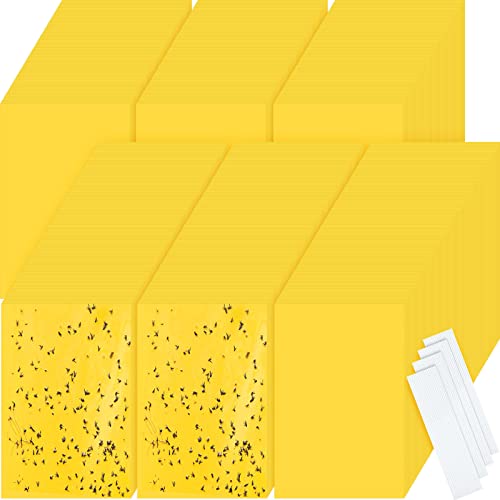
Fit for Heavy Infestation & Commercial Use:You will receive 900 pcs sticky traps for gnats and 900 pcs twist ties, a great deal. Sticky trap bulk is ideal for large gardens, greenhouses, farms, warehouses, or severe indoor pest problems. No need for frequent restocking—a cost-effective, long-term pest control solution

Fly Trap Roll Package: you will get 20 rolls sticky fly traps for indoor and outdoor, each roll measures 13.12 feet long and 10 inches wide, total length of 16 rolls is 262.4 feet long. Our single sided fly tape outdoor can meet most of your indoor or outdoor use needs
Frequently Asked Questions
How to Properly Place Glue Traps?
To properly place glue traps, positioning them at effective locations such as baseboards, near entry points, and approximately 15 cm above the ground guarantees ideal catch rates. Regular inspection and adjustment improve overall trapping success.
Why Are Mice Avoiding My Sticky Traps?
Like shadows evading light, mice often avoid sticky traps due to their natural behavior. Mice navigate low to the ground, seeking sheltered paths and avoiding exposed areas, eluding traps that lack strategic placement or attractants.
How to Attract a Mouse to a Sticky Trap?
To attract a mouse to a sticky trap, using effective attractant options such as peanut butter or sunflower seeds can greatly increase the chance of capture. Positioning the trap ideally enhances its effectiveness in drawing mice in.
Why Are Glue Traps Being Banned?
Glue traps are being banned due to ethical concerns regarding animal suffering and ineffectiveness in controlling rodent populations. Advocacy for humane pest management alternatives continues to grow, prompting legislative action against these inhumane devices.