As an Amazon Associate, we earn from qualifying purchases. Some links on this site are affiliate links at no extra cost to you. Our recommendations are based on thorough research and editorial judgment.

Removing Pest Habitats Around Your Property

Removing pest habitats around your property is essential for a healthy home. Start by eliminating standing water, as it attracts bugs faster than a picnic draws ants. Inspect your plumbing for leaks and keep trash areas clean—who wants a buffet for pests? Regularly check for entry points like cracks or gaps, and don’t forget to tidy up your yard. With a little effort, your home can be pest-free. Stick around to discover more tips for a pest-resistant space!
Key Takeaways
- Conduct regular property inspections to identify and eliminate potential pest hiding spots and breeding areas, such as cracks and clutter.
- Reduce standing water by clearing clogged gutters and fixing leaks to minimize mosquito breeding sites and related health risks.
- Maintain cleanliness in trash and recycling areas by using metal bins, washing containers, and scheduling frequent pickups.
- Utilize Florida-Friendly landscaping techniques, such as trimming trees and removing debris, to create an environment less conducive to pest habitation.
- Implement eco-friendly pest control solutions and consider professional services for more persistent issues, ensuring compliance with local regulations.
Understanding Pest Habitats
Pest habitats are like unwelcome little neighborhoods popping up around your home. These areas thrive on food, water, and shelter, making your property attractive to pests. To combat this, regular property inspections are essential. They help identify potential pest hiding spots before they escalate. You can also enhance your home’s defenses through effective landscaping techniques. Keep plants spaced and trimmed, eliminating overgrown vegetation where pests can hide. Sanitation practices matter too. Always dispose of rotting fruit and trash promptly. Remember, a clean yard is less inviting to unwanted guests. As the saying goes, “Don’t let pests throw a block party in your backyard!” With proactive measures, your home can be a no-pest zone. Additionally, using eco-friendly pest control solutions can manage pest populations without harming the environment.
The Importance of Eliminating Standing Water
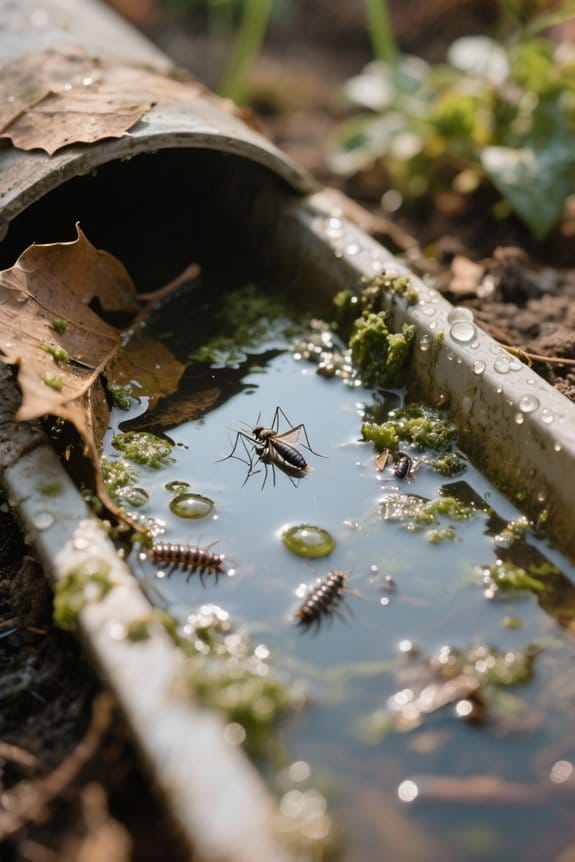
Eliminating standing water is essential for keeping mosquitoes at bay. Even a tiny amount, like a capful, can be a breeding ground. A female mosquito can lay up to 300 eggs at once, leading to rapid population growth. These pesky insects can mature quickly, so it’s vital to eliminate standing water promptly. Regular maintenance of gutters is key; clogged systems can create pools that attract mosquitoes. By reducing standing water around your property, you not only tackle the mosquito population but also lower the risk of diseases like West Nile virus and Zika virus. Mosquito dunks target larvae before they mature, providing an effective solution for treating standing water without harming the environment. So, take a good look around your yard—if you find water just sitting there, it’s time to take action. No one wants to host mosquitoes!
Recommended Products

Brand New in box. The product ships with all relevant accessories


Quantity of (4) 20 packs (80 Dunks Total) : Mosquito Dunks Biological Mosquito Control
Managing Leaks and Moisture Sources
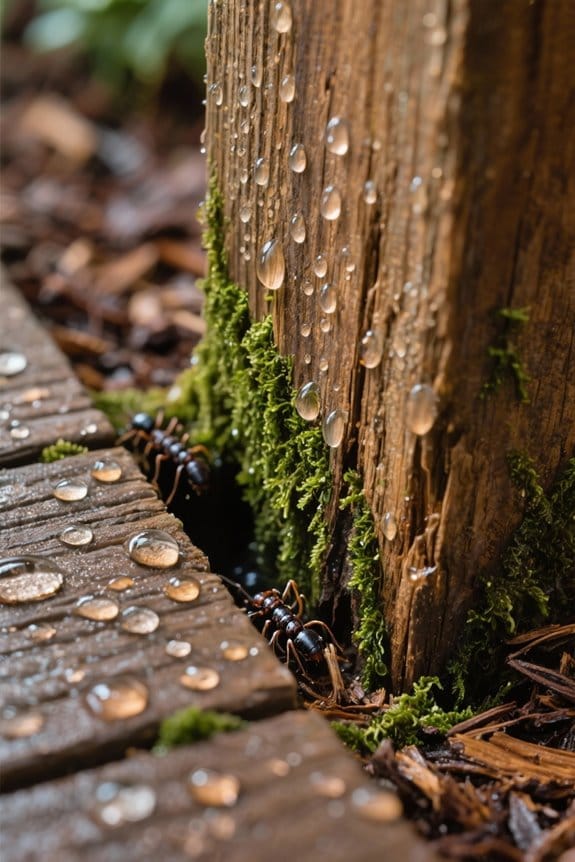
When a home has leaks or excess moisture, it can unwittingly become an inviting haven for various pests. Leaky pipes, faucets, and roof drains create those pesky moisture points that attract critters. To prevent this, homeowners should promptly repair leaks and regularly inspect plumbing components. Don’t let clogged gutters create standing water; keep them clear to avoid becoming a mosquito buffet. Proper ventilation in basements and crawl spaces is essential too. It lowers humidity levels and stops mold, which draws in silverfish and termites—no thank you! Using dehumidifiers can also help in moisture-prone areas. It’s a simple but effective way to keep pests at bay. For those looking for eco-friendly solutions, consider using ultrasonic pest control to safely deter pests without harmful chemicals. If the problem persists, don’t hesitate to reach out to professional pest control services for help.
Recommended Products

✔️<b>ADVANCED COMMERCIAL INDUSTRIAL LGR DEHUMIDIFER TECHNOLOGY<b>:The new XD-85L2 Commercial dehumidifier With handle/wheels is capable of achieving relative humidity levels as low as 25% to intensify a deeper water migration process from sub floors, walls and/or saturated surfaces.Auto purge pump with 40 ft.long drainage hose automatically purges when full. 85 Pints/Day at AHAM (80°F, 60% RH), Operation temperature range:33°F–105°F (0.6°C – 40.6°C)With Digital display monitors,25 Ft. power cord

Commercial Grade Dehumidifier: This commercial dehumidifier with high airflow of 210 CFM to maximize the drying performance, is capable of removing up to 180 pints of water from the air per day at saturation (90°F, 90%) and 85 PPD @ AHAM, a top choice for the drying and water damage restoration industry in large space up to 2,300 square feet.

Commercial Grade Dehumidifier: This commercial dehumidifier with high airflow of 210 CFM to maximize the drying performance, is capable of removing up to 180 pints of water from the air per day at saturation (90°F, 90%) and 85 PPD @ AHAM, a top choice for the drying and water damage restoration industry in large space up to 2,300 square feet.
Maintaining Clean Trash and Recycling Areas
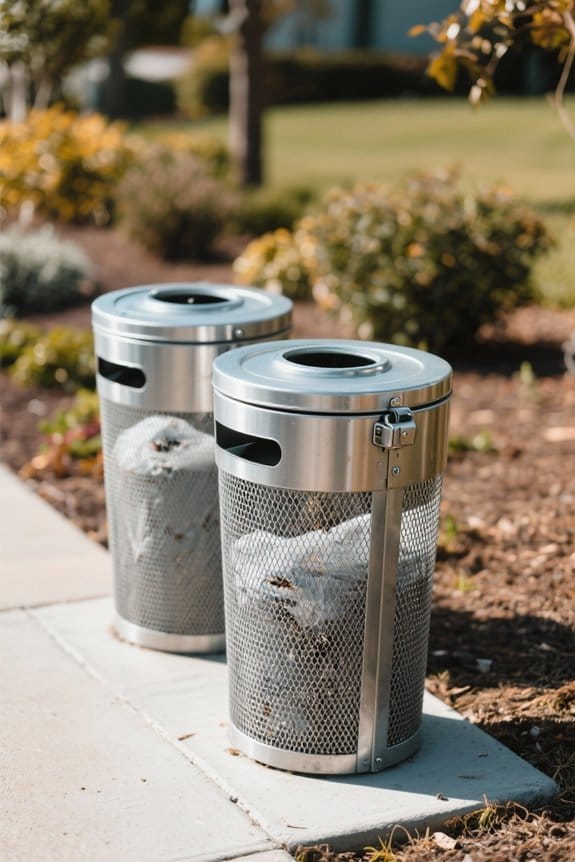
A home’s cleanliness goes beyond its interior—it extends to outdoor trash and recycling areas too. Cleanliness in these spaces is essential for keeping pests at bay. Washing recyclable containers removes food residues that attract unwanted critters. Opt for metal bins instead of plastic; they’re harder for pests to chew through. Keep garbage areas tidy and store dumpsters at least three feet from buildings to limit pest habitats. Tight-fitting lids on outdoor trash cans are a must! They keep pests from easy food access. Schedule frequent pickups to maintain cleanliness. Remember, a clean area today means fewer pests tomorrow, so don’t let garbage and recycling become a buffet for uninvited guests! Additionally, consider using natural alternatives and DIY solutions like soap and water mixtures, neem oil, and garlic spray to keep pests away from these areas effectively.
Recommended Products

✔️ BUILT FOR OUTDOOR COMMERCIAL USE: Heavy-duty powder-coated steel and galvanized panels resist rust, weather, and impact for long-lasting outdoor performance.

MODERN STYLING. Evos Outdoor and Indoor Steel Trash Can features four stylish perforated panels on a heavy-duty steel frame with a galvanized base to resist rust and corrosion while keeping high traffic areas clean and litter free.

Heavy-Duty Galvanized Steel: Built from durable galvanized metal for long-lasting performance indoors or outside. Resistant to rust, dents, and weather exposure, making it ideal for everyday utility use.
Regular Property Inspections for Entry Points
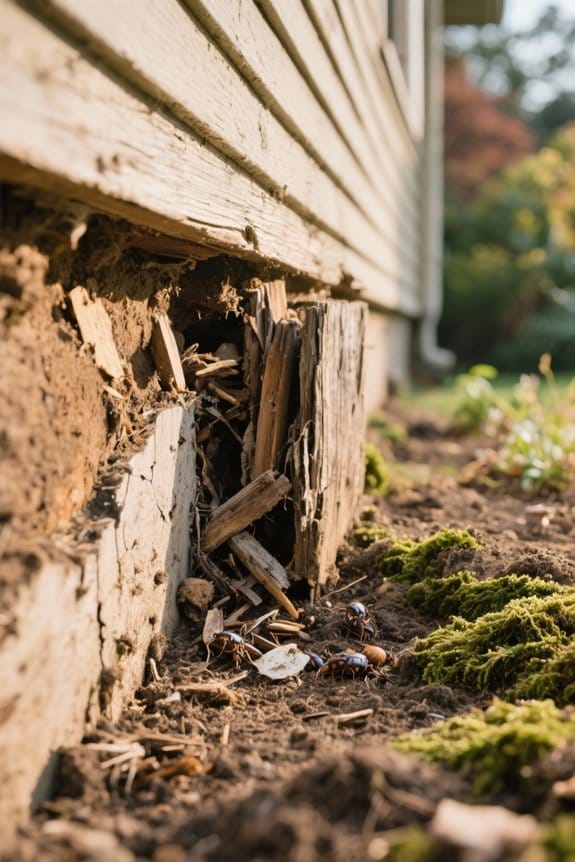
Regular property inspections play an essential role in keeping unwanted pests at bay. By conducting regular inspections, homeowners can identify entry points and potential nesting sites before they become problematic. Inspect all areas of your property, from attics to crawl spaces, looking for signs like droppings and gnaw marks. Think of it as a treasure hunt, but instead of gold, you’re seeking out pesky intruders! These inspections facilitate timely pest prevention strategies, ensuring that any vulnerabilities are addressed promptly. By sealing identified entry points with durable materials, homeowners can save themselves the headache of future infestations. Remember, a little vigilance today can save you a lot of trouble tomorrow. Keep pests out, and enjoy peace of mind! Consider using Evolve Rat Birth Control as a long-term strategy to reduce rodent populations after identifying entry points.
Sealing Windows and Doors
Sealing windows and doors is an essential step in keeping pests out of the home. By sealing these areas, homeowners can effectively block potential entry points for unwanted visitors. Products like weatherstripping and caulk are fantastic for this job. They prevent drafts and deter pests like ants, spiders, and rodents. Don’t forget to repair damaged screens, as these can be easy access points for insects. Installing door sweeps on exterior doors is another smart move; even the smallest opening can invite trouble. Regularly checking seals around windows and doors helps catch weaknesses before they turn into major issues. After all, who wants to host an uninvited mouse party? Taking these steps can notably help keep your sanctuary pest-free. Additionally, using durable materials such as heavy-duty plastic in bait stations ensures long-term usage and effectiveness in outdoor settings.
Recommended Products


GARAGE DOOR SEAL – This Garage Door Weatherstrip Door Seal from Randall Manufacturing seals out drafts, leaves, dust, and unwanted guests from around the top and sides of your garage door. These garage door seals come in a pack of 15 and are recommended for use on all types of garage doors.
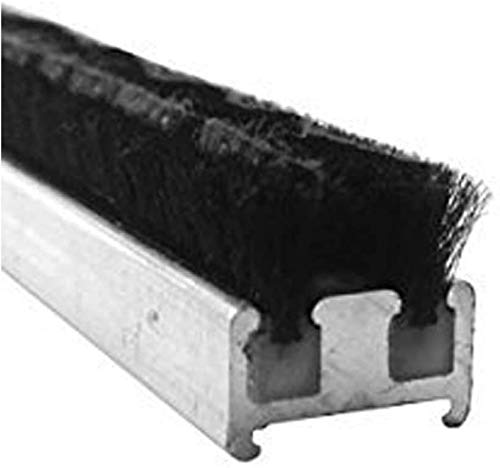
Commercial door astragal seal
Effective Garbage Management Techniques
Managing garbage effectively is key to keeping pests at bay. Storing dumpsters and trash cans on hard surfaces at least three feet away from buildings minimizes pest access. Utilizing outdoor trash receptacles with self-closing lids helps contain waste and deter scavengers. Regular pickups of garbage are essential—after all, overflowing trash can seem like an all-you-can-eat buffet for pests! Cleaning recyclable containers eliminates food residues that attract unwanted guests. Lining bins with garbage bags simplifies cleanup, ensuring less waste spills out. Finally, conduct regular inspections and maintain cleanliness in garbage areas to reduce pest habitats. Regular cleanliness and maintenance, such as using products like Rockwell Labs Invade, can enhance treatment outcomes and prevent infestations. Remember, an ounce of prevention is worth a pound of cure, so keeping your garbage managed effectively can keep pests scurrying in the other direction!
Creating an Inhospitable Environment for Pests
Creating an inhospitable environment for pests starts with a tidy landscape. Regularly remove debris like leaves and brush piles, as these act as cozy homes for pests. Prune trees and shrubs to let in sunlight and improve air circulation, discouraging unwanted guests. Ascertain no food sources are left out; that half-eaten apple is a buffet for pests! Sealing any cracks and crevices around your home is essential. These pest entry points provide convenient access for critters. Finally, tackling standing water is key—fix leaks and clean gutters to prevent future infestations. Some non-toxic options offer safe pest control solutions that are suitable for homes with children and pets. By implementing these steps, you are well on your way to creating an inhospitable environment for pests, leaving them no choice but to find a new hangout!
The Role of Routine Monitoring
Keeping an eye on the property is essential for effective pest management. Routine monitoring can catch pest populations and entry points early. This means timely interventions, preventing full-blown infestations. Regular inspections by trained professionals often identify environments that invite pests, like excess moisture or clutter. By spot-checking these areas, proactive maintenance can take place before issues escalate. In addition, tracking pest sightings helps create effective control strategies. Remember, involving maintenance staff in these inspections enhances attention to structural integrity, stopping pests from getting in. When you implement a monitoring schedule, you boost your pest management efforts, allowing quick actions based on observed activities. In short, a watchful approach keeps your property safer and pest-free—who doesn’t want that? Incorporating natural solutions such as peppermint oil can also play a significant role in keeping pest populations at bay while ensuring safety for kids and pets.
Landscaping Tips to Deter Pests
Pests can turn a beautiful garden into a nightmare quicker than you can say “bug off.” Luckily, there are simple landscaping tips that can help keep these unwanted visitors at bay. Start by choosing Florida-Friendly plants that naturally deter pests. Maintain proper sanitation by clearing debris and keeping your landscape tidy. Trim limbs and remove dead leaves regularly to eliminate cozy spots for wildlife like rodents and termites. Introduce beneficial insects such as ladybugs and nematodes to naturally manage pest populations while promoting a healthy garden ecosystem. Authorize proper air flow by spacing plants at least two feet away from your home. Don’t let ripe fruit sit too long; pick it promptly to avoid attracting pests. Finally, store firewood away from your house to limit pest access. With a bit of effort, your garden can flourish pest-free!
Recommended Products

Year-Round Animal Control: Effectively repels deer, rabbits, elk, moose, hares, voles, squirrels, chipmunks and other herbivores throughout all seasons

CROP, GARDEN & HOUSEPLANT INSECT CONTROL. Trifecta Crop Control all-natural, plant-based formula effectively combats destructive spider mites, aphids, whiteflies, fungus gnats, and other soft-bodied pests on indoor and outdoor plants. Our biodegradable, eco-friendly solution is safe for use on edible crops, without chemical residues. Our gentle yet potent plant spray suffocates and dehydrates pests without harming beneficial insects or the environment, making it ideal for organic gardening.

For year round control of deer, rabbits, elk, moose, hares, voles, squirrels, chipmunks and other herbivores
Safe Practices for Outdoor Spaces
A well-maintained outdoor space can greatly reduce pest troubles. To effectively manage pest control, focus on simple practices. First, remove standing water from buckets, bird baths, and gutters. Mosquitoes love to set up camp in these spots. Next, make certain your landscaping techniques help reduce moisture by opting for drought-tolerant plants. Trim shrubs and trees regularly to enhance sunlight and airflow, preventing those pesky dark corners pests adore. Store firewood 20 feet from your house and off the ground; it’s a prime rodent nest. Don’t forget to clean up any fallen fruit or debris. These small efforts can considerably remove pests and keep wildlife issues at bay. Remember, a tidy yard is a happy yard!
Professional Help for Persistent Pest Issues
Sometimes, homeownership can feel like a never-ending battle against uninvited guests. When pests persist, it may be time to call in the pros. Licensed pest control professionals have the expertise to conduct thorough inspections, identify potential entry points, and develop targeted strategies for humane wildlife removal. Their methods comply with local regulations and guarantee effective solutions tailored to your specific needs. Beyond immediate control, these experts often implement Integrated Pest Management (IPM) approaches, sealing entry points and educating homeowners on sanitation. This ongoing monitoring minimizes structural damage and reduces the risk of future infestations. Remember, enlisting professional help can make the difference between a forever pest war and reclaiming your peaceful home—because, after all, nobody wants to share their space with pests!
Frequently Asked Questions
What Is the Hardest Pest to Get Rid Of?
Among the pests, bed bugs stand out as the hardest to eradicate, their bites tormenting victims while termite damage silently crumbles structures. Effective pest control often requires innovative approaches, including rodent traps and challenging wasp nests.
What Does Wildlife Removal Typically Cost?
Wildlife removal typically costs between $100 and $500, influenced by inspection costs and pest control pricing. Average removal fees may increase based on additional animal exclusion expenses and necessary repairs, reaching up to $1,500 in some cases.
How Do You Landscape to Discourage Rodents?
Effective landscape design incorporates plant choices and outdoor cleanliness to enhance rodent prevention. Research indicates that maintaining a distance of two feet from structures and implementing pest barriers considerably reduces rodent attraction and nesting opportunities.
How Much Does Terminix Charge for Wildlife Removal?
Terminix’s wildlife removal prices vary considerably, typically ranging from $200 to $2,000. Various pest control companies may offer differing wildlife removal services, while DIY wildlife solutions can serve as alternative pest management strategies for homeowners.