As an Amazon Associate, we earn from qualifying purchases. Some links on this site are affiliate links at no extra cost to you. Our recommendations are based on thorough research and editorial judgment.
Mulching Practices That Deter Pests

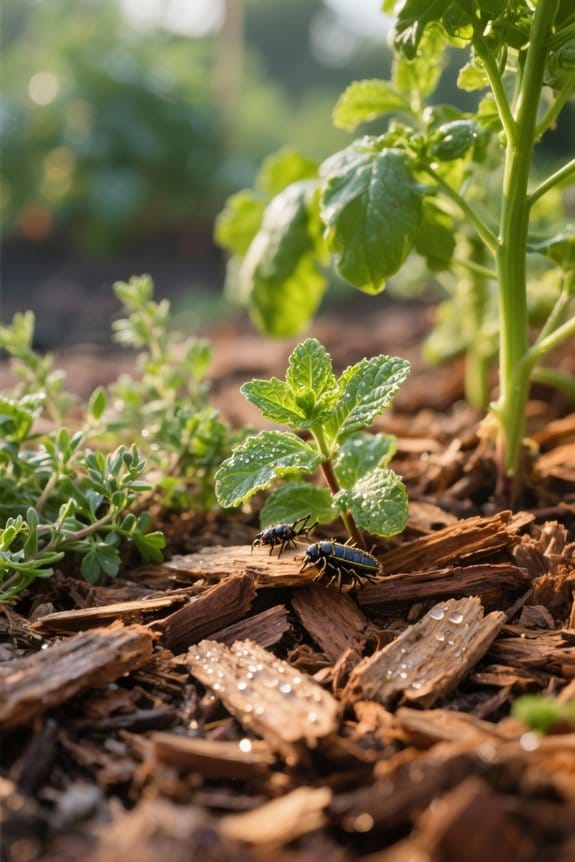
Mulching is a savvy way to deter pests in the garden while keeping your plants happy. Using cedar or cypress mulch forms a protective barrier, as their natural aromas repel unwanted insects. Keep a depth of 2-4 inches for maximum impact. Don’t forget to inspect and replenish your mulch annually to maintain its pest-fighting powers. Think of it as giving your garden a cozy blanket! Stick around to discover more tips and tricks for pest control.
Key Takeaways
- Use cedar or cypress mulch for their natural insect-repelling properties to create a barrier against pests.
- Apply mulch at a depth of 2-4 inches to retain moisture and disrupt pest habitats effectively.
- Regularly inspect and replenish organic mulches annually to maintain their pest-repelling benefits.
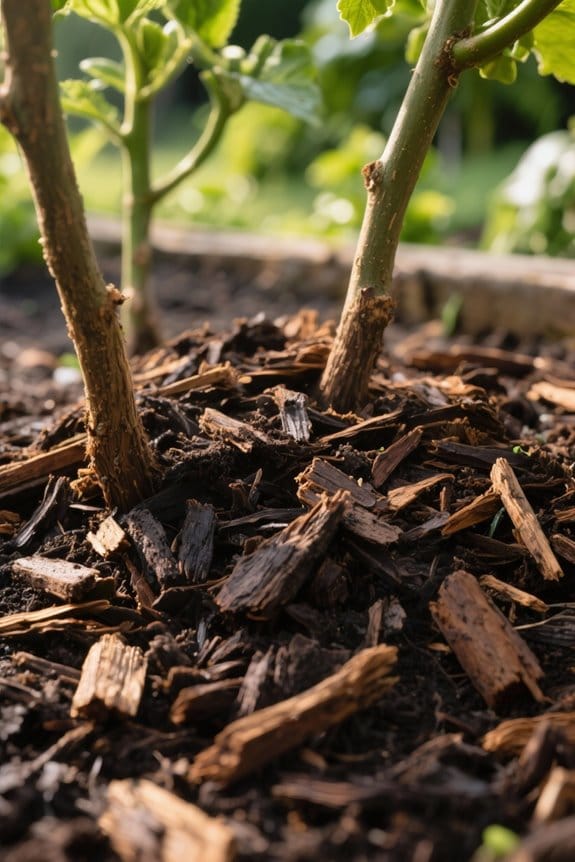
- Keep mulch away from plant stems to enhance air circulation and prevent pest bridges.
- Incorporate beneficial insects alongside mulch to promote ecological balance and natural pest control.
Key Mulch Types and Their Pest-Repelling Properties
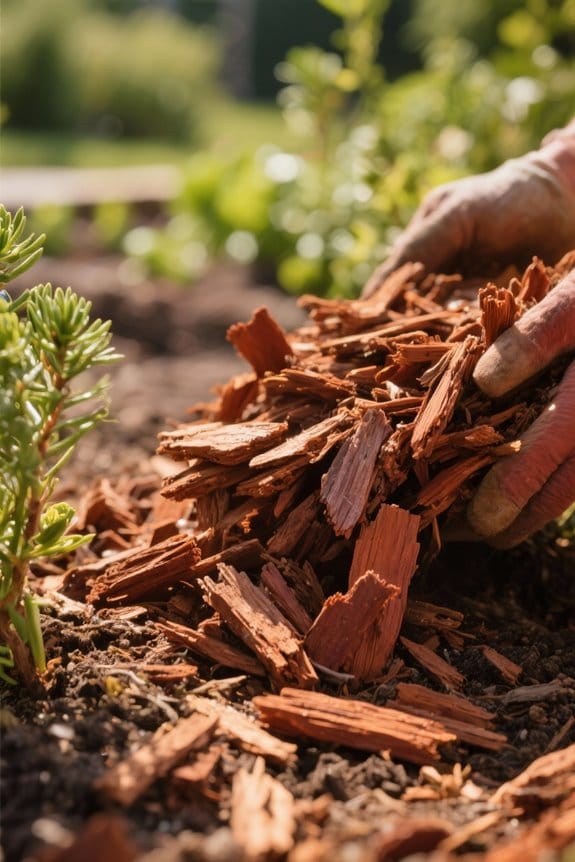
When it comes to tackling garden pests, choosing the right type of mulch can often make all the difference. Cedar mulch, for example, contains thujone, a natural insect repellent perfect for keeping mosquitoes and fleas at bay. Cypress mulch, with its strong aroma, repels termites while offering durability—you won’t need to replace it often. Cocoa bean shells are visually appealing and great for pest control, but keep in mind they’re toxic to dogs. Melaleuca mulch not only smells good but also improves soil aeration, making it a pest deterrent. Straw mulch excels at moisture retention and weed growth suppression, creating an unwelcoming home for many pesky insects. Incorporating organic methods fosters a balanced garden, enhancing the effectiveness of mulch in deterring pests. Who knew your mulch could pull double duty?
Recommended Products

Protect Nature With Nature: Harnessing the power of cedarwood oil, this all natural bug spray provides effective pest control against mosquitoes, ticks, fleas, and ants. Kills and Repels at All Life Stages-from larvae to adults-for total yard protection

PET & FAMILY-SAFE: Made of all natural ingredients for worry-free bug protection

💚 PET-FRIENDLY & FAMILY-SAFE: With Cedarcide Outdoor, you can protect your pets and children from bugs without compromising their safety.
Comprehensive Benefits of Using Mulch
Mulch offers a wealth of benefits beyond just pest control. It plays a key role in pest management by acting as a barrier, making it hard for pests like slugs to reach your plants. Organic mulches include options like cedar and cypress, which release natural insect-repellent properties that discourage unwanted guests. Moreover, insecticidal soaps are effective against soft-bodied pests such as aphids and spider mites, providing an additional layer of pest control when used in conjunction with mulch. Mulch also excels at weed control, preventing those pesky plants from taking over space in your garden. Furthermore, adding mulch improves soil health by regulating moisture and temperature, creating a more harmonious environment for your plants. By regularly applying mulch, you give your garden a fighting chance against diseases and pests, all while keeping your garden looking neat and tidy. Happy gardening!
Maintenance and Replenishment Strategies
Caring for your mulch can feel a bit like tending to a garden pet; it requires attention and regular upkeep. Maintaining a healthy mulch layer is essential for pest deterrence and soil health. Regularly inspect mulch for signs of degradation. Aim for a consistent depth of 2-4 inches. Don’t forget to replenish organic mulches annually to keep their pest-repelling properties strong. Watch for fungal growth or unusual insect activity—these can signal it’s time for early reapplication. Always keep mulch a few inches away from plant stems to prevent pest bridges and enhance air circulation. Remember, too thick a layer can attract pests like slugs, so adjust according to local environmental conditions. Like parenting, it’s all about balance! Consider using natural and eco-friendly solutions for pest control to complement your mulch practices and ensure a safe, sustainable garden environment.
Integrating Mulch Into Pest Management Strategy
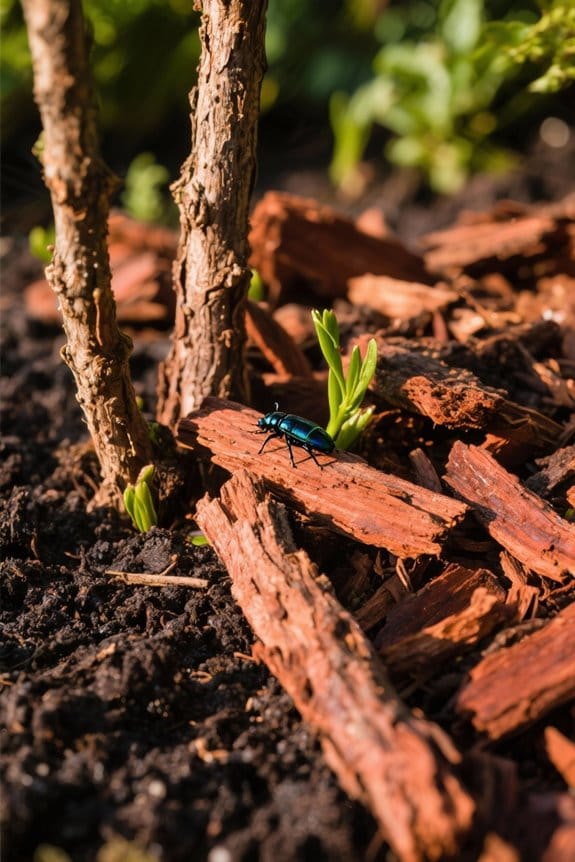
A well-maintained mulch layer is more than just eye candy for the garden; it can play a starring role in pest management. By integrating pest-repelling types of wood mulch, like cedar and cypress, you create a highly effective barrier against common pests such as termites and mosquitoes. Applying mulch around plants at a depth of 2-4 inches helps retain soil moisture and disrupts pest habitats. Combine this with landscape fabric for extra protection. Don’t forget to keep an eye on those pesky invaders through regular monitoring. You’ll stay ahead of any issues and keep your garden thriving. After all, healthier soil means happier plants—who knew pests would be so easy to control? Additionally, incorporating beneficial insects such as ladybugs and nematodes into your garden can further reduce pest populations and help maintain ecological balance.
Recommended Products

✅ PROTECT YOUR ENTIRE HOME: Indoor Outdoor Scorpion Treatment Kit protects your entire home from scorpions; indoors and outdoors. Seal out Scorpions with Scorpion Shield inside your home and Scorpion Defense outdoors to kill and repel scorpions as well as the harmful insects in all stages of life.

💚 PET & FAMILY-SAFE: Made of 100% natural ingredients for worry-free bug protection

GRANULES, NOT POWDER: Solid incense cedar granules stay put through rain and sprinklers - no white dust cloud, no chalky film on plants, and no washing away with the first storm. The natural cedar oils keep working right where you spread them.
Practical Tips for Using Mulch in Pest Control
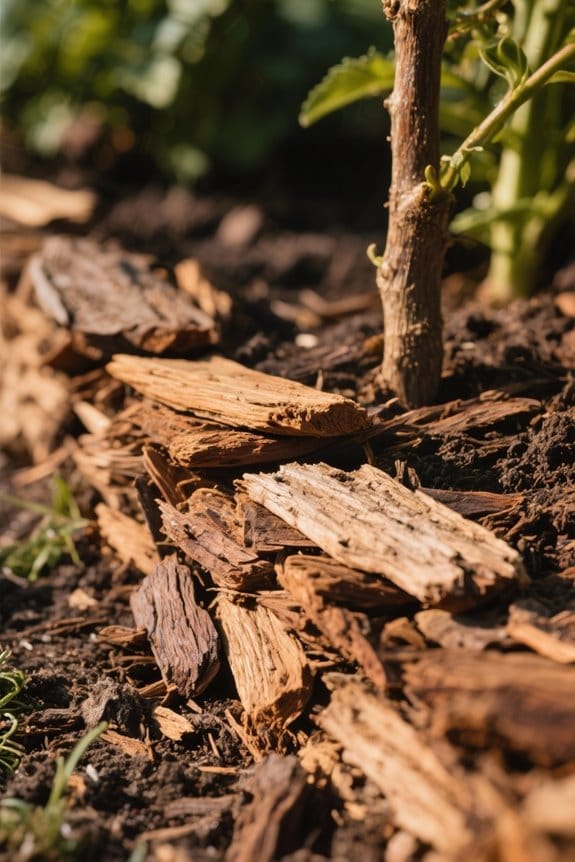
Creating a barrier between garden plants and pesky invaders can feel like a formidable task. To achieve success, apply mulch at a recommended thickness of 2-4 inches. This thickness helps to suppress weeds while retaining soil moisture. Opt for pest-resistant mulches like cedar or cypress, as they have natural oils that repel insects. Remember to keep mulch a few inches away from plant stems to prevent pests from bridging onto your plants. Regularly inspect the mulched areas for any signs of pest activity or deterioration. Rotating or replacing organic mulches is also essential. This practice prevents pest accumulation and adds nutrients to the soil. With effective mulching, you can create an eco-friendly barrier against various pests, reducing the need for chemical interventions. With these practical tips, you can tackle pest control with confidence and keep your garden thriving!
Recommended Products

125LB GRANULES: Nature’s Mace Snake Repellent is easy to use and will cover up to 66,000 sq ft. Snake MACE repels snakes fast and prevents their return. For both commercial and home/garden use. Our formula repels by disrupting snakes Jacobson Gland, irritating the snake, causing it to turn back and seek a more pleasant environment. Snake Mace repels snakes fast and prevents their return. For both commercial and home/garden use.

💚 PET-FRIENDLY & FAMILY-SAFE: With Cedarcide Outdoor, you can protect your pets and children from bugs without compromising their safety.

Top-Grade Quality - Our Double Tree Mulch incense cedar chips are crafted meticulously, guaranteeing perfect size and uniformity for optimal landscaping and garden enhancements.
Common Pests Associated With Mulch
While mulch can be an excellent ally in the garden, it can also inadvertently attract a range of pests that thrive in its cozy, damp environment. Common pests like termites and carpenter ants are enticed by organic mulches, seeking out moist, decaying material for nesting. Slugs and snails love the dampness too, often munching their way through young plants. Earwigs take to the shadows under mulch, feasting on both pests and fungi. Meanwhile, fungus gnats find excess moisture perfect for laying eggs, targeting fragile seedlings. To minimize these issues, maintaining an ideal mulch thickness of 2-3 inches is essential. This helps curb excess moisture and makes your garden a less inviting place for these troublesome intruders. For indoor spaces, using non-toxic and pesticide-free traps can also help manage pest populations effectively.
Preventative Measures and Mulch Management
Managing mulch effectively can make a world of difference for gardeners. To safeguard your garden ecosystem, maintain mulch thickness around 2-3 inches. Too much mulch can trap excess soil moisture, inviting pesky pests for a feast. Keep mulch a few inches from plant stems to block pest highways. Inspect and turn organic mulch regularly; think of it as a pest deterrent aerobics class! Choose types like cedar or cypress, which offer natural insect-repellent properties. Don’t forget to replenish mulch annually; this keeps it fresh and effective for pest control. Ultimately, these preventative measures in mulch management pave a smoother path toward a thriving garden, giving pests the boot while leaving your plants happy and healthy. When choosing pest control methods, consider humane traps as an ethical approach to managing unwanted rodents.
Recommended Products
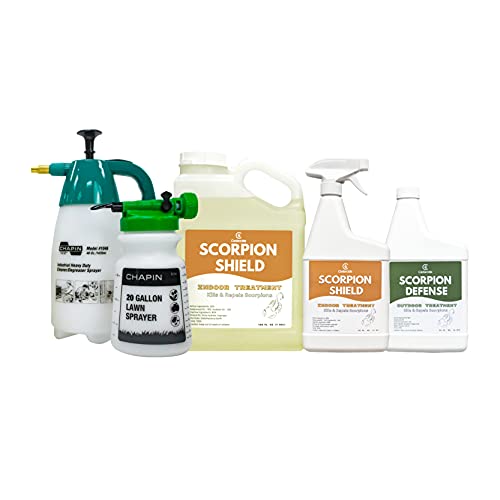
✅ PROTECT YOUR ENTIRE HOME: Indoor Outdoor Scorpion Treatment Kit protects your entire home from scorpions; indoors and outdoors. Seal out Scorpions with Scorpion Shield inside your home and Scorpion Defense outdoors to kill and repel scorpions as well as the harmful insects in all stages of life.

💚 WORRY-FREE INGREDIENTS; NATURAL CEDAR OIL: Effectively repels mosquitoes, ticks, fleas, chiggers, and ants with the power of cedar oil.

💚 PET & FAMILY-SAFE: Made of 100% natural ingredients for worry-free bug protection
Specialty Mulches
Choosing the right specialty mulches can elevate any garden experience. Specialty mulches, like cedar and cypress, possess natural oils that provide effective pest deterrence. These wood chips not only keep bugs at bay but also enhance soil quality by breaking down into organic matter. Melaleuca mulch, with its delightful fragrance, improves drainage while offering pest-repelling properties. Cocoa bean shells are visually stunning but be cautious if pets are around, as they can be toxic. For a no-fuss option, rubber mulch offers durability and minimal pest invasion with a non-porous barrier. Treating these mulches with specific additives can further boost their pest-repelling qualities. With the right choice, your garden can become a thriving, insect-free haven! Additionally, organic pest control solutions are available to complement these mulches by reducing synthetic chemical use and promoting a safe environment for pets and children.
Recommended Products
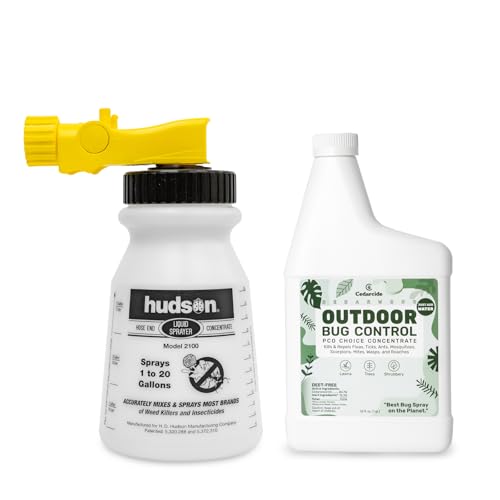
💚 PET-FRIENDLY & FAMILY-SAFE: With Cedarcide Outdoor, you can protect your pets and children from bugs without compromising their safety.

Natural mulch processed from cedar trees

100% Cedar Bark and Cedar Wood Fiber.
Bug Tech Services Overview
Bug Tech Services brings a wealth of experience to pest control, ensuring homes and businesses are shielded from pesky intruders. Located in Lubbock, Texas, their tailored solutions effectively address certain pests in both residential and commercial areas. They believe in eco-friendly and integrated pest management practices, prioritizing customer satisfaction through proven strategies. By emphasizing mulching practices, they help enhance soil moisture and promote healthy plant growth. A well-designed trap can provide humane solutions while also covering various environments both indoors and outdoors. If you’re looking to deter pests while nurturing your garden, Bug Tech Services has the know-how to assist. They maintain community partnerships, sharing valuable tips online. For inquiries or service requests, you can reach them at 806-771-5142 or [email protected]. Remember, a healthy garden is a happy garden!
Frequently Asked Questions
What Kind of Mulch Keeps Bugs Away?
Cedar mulch effectiveness, combined with straw mulch uses and rubber mulch properties, creates an effective pest barrier. Additionally, coffee grounds mulch and pine needles mulch offer organic benefits, while gravel mulch advantages enhance garden aesthetics without attracting insects.
What Is the 3-3-3 Rule for Mulch?
“An ounce of prevention is worth a pound of cure.” The 3-3-3 rule emphasizes appropriate mulch types and application: maintaining 3-inch depth, distance from plant stems, and structures improves soil health, weed prevention, and landscape aesthetics while aiding pest control.
Does Mulching Prevent Pests?
Mulching aids in pest prevention by using organic or chemical types, creating layers that enhance soil health while reducing pest attraction. Proper mulch applications offer significant benefits, establishing an unfavorable environment for pest habitation and reproduction.
What Is a Major Downside to Mulching?
A major downside to mulching includes mulch decomposition effects, which can create pest habitats. Additionally, moisture retention trade-offs may hinder soil health, attract fungi, and increase weeds, necessitating careful mulch type considerations and pest management strategies.


