As an Amazon Associate, we earn from qualifying purchases. Some links on this site are affiliate links at no extra cost to you. Our recommendations are based on thorough research and editorial judgment.


Japanese Beetle Life Stages Explained

The Japanese beetle’s life stages start with tiny white eggs laid in the soil. After hatching, the larvae, or grubs, munch on plant roots for about 10 months. Then, they pupate in the soil, morphing into adults over two weeks. By late spring, those shiny green beetles emerge ready to feast on your garden, creating a visible mess. Don’t worry! There are effective ways to manage their growth and protect your plants. Discover more about these crafty critters.
Key Takeaways
- Japanese beetles undergo four life stages: egg, larva (grubs), pupa, and adult, each with distinct characteristics and impacts on plants.
- Female beetles lay 40 to 60 white eggs in soil, which incubate before hatching into damaging larvae.
- Grubs develop through five instars over approximately 10 months, feeding on plant roots and potentially causing significant lawn damage.
- The pupal stage lasts about two weeks and involves metamorphosis, crucial for effective pest control strategies.
- Adult beetles emerge in late spring, feeding on over 300 plant species and causing skeletonizing damage to foliage.
Eggs
When it comes to Japanese beetles, their life begins as tiny white eggs, often looking like miniature, oval-shaped pearls nestled in the soil. A female lays 40 to 60 eggs during her lifetime, depositing 1 to 5 eggs at a time. She carefully chooses locations away from plants, ensuring the eggs have the best chance of developing. These Japanese beetle eggs incubate in the soil, soaking in warmth and moisture before hatching. Once they hatch, they enter the larvae stage, a vital phase in the beetle’s life cycle. While these larvae are still underground, they spend their time feeding on plant roots, further influencing beetle populations. It’s a clever, if mischievous, part of nature’s plan! Many ant traps, such as TERRO Ant Killer Bait Stations, are designed to be effective for up to six months, providing long-lasting pest control solutions.
Larvae

In the hidden world beneath your lawn, Japanese beetle larvae, or grubs, are busy at work. After the eggs hatch, these grubs develop through five instars, or molts, over about 10 months. They feast on the roots of grasses and crops, which can cause significant damage. Imagine this: if grubs are having a banquet, your lawn could end up with unsightly bare patches. As the grubs mature, they may become mobile, increasing their ability to wreak havoc. Despite the challenges they pose, you can fight back! Healthy turf management, like proper mowing heights and sufficient watering, helps minimize grub damage. Think of it as giving your lawn a fighting chance against those hungry grubs! Additionally, using BioAdvanced Fertilizer Concentrate can provide year-long protection against Japanese beetles while nourishing your plants.
Pupae

After grubs have enjoyed their feast beneath your lawn, they enter the pupal stage. These pupae, about 1/2 inch wide, shift from fully developed grubs, resting in the soil. During this time, their color shifts from cream to reddish brown as they undergo metamorphosis into adult beetles. This pupation stage typically occurs in late spring, right before the emergence of adult beetles seeking fresh feeding sources. Lasting about two weeks, this vital phase highlights the lifecycle of the Japanese beetle. Understanding pupae helps you implement effective pest control. Strategic trap placement can significantly influence the effectiveness of capturing adult beetles as they emerge from the pupal stage. So, stay vigilant! The emergence of these pests is near, and taking action now could save your garden in the busy season ahead. After all, an ounce of prevention is worth a pound of cure!
Adults

Adult Japanese beetles are a sight to see, but not in the way gardeners hope. These oval-shaped pests, with their metallic green and coppery-brown bodies, emerge around late May to early June. Their feeding period peaks in late June, lasting for 4 to 6 weeks. During this time, adult Japanese beetles feed on over 300 plant species, causing damage that leaves a characteristic skeletonizing effect. As they munch away, these highly destructive beetles attract more of their kind with a pleasant floral scent. Additionally, females lay between 1 to 5 eggs at a time, totaling over 40 eggs. If you’re facing a beetle invasion, stay optimistic—there are control methods to manage these little rascals! Many gardeners use Bacillus Thuringiensis products to target and control specific pests without harming beneficial insects in their garden.
Damage Caused

When it comes to damage, Japanese beetles are no laughing matter. Adult Japanese beetles love to munch on over 300 types of plants. They skeletonize leaves, especially on roses and fruit trees, creating an eye-catching but sad tableau of devastation. The grubs, or larvae, wreak havoc underground as they feed on roots, leading to weak plants and unhealthy lawns. You might notice unsightly bare patches where grass once thrived. This root damage can really stress your turf, or worse, kill it altogether. The economic losses can add up fast, especially for farmers and gardeners who depend on healthy crops. It is crucial to use effective pest control solutions to mitigate the impact of these beetles and protect your garden investments. So, while these beetles might look pretty, they can be quite a handful!
Recommended Products
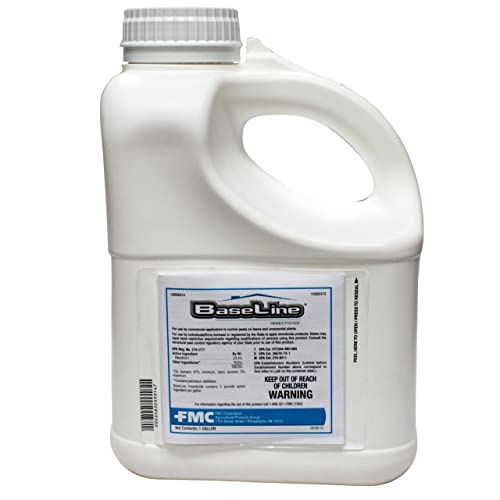
Description: The BaseLine Insecticide is a professional concentrate for over 50 common insect control for commercial accounts on lawns and ornamental plants.

KILLS & REPELS. A preventative and a treatment, this plant-powered spray is handcrafted with natural essential oils. Kills mosquitoes, ants, fleas, ticks, roaches, flies, crickets, japanese beetles, no-see-ums, gnats, and more. Safe alternative to conventional pesticide sprays, baits, ant granules, zappers or foggers when used as directed.

Natural Beetle Control: (2) 40oz bags provide an efficient way to naturally control Japanese beetle grubs in lawns before they can grow to maturity.
Control Methods
Taking control of Japanese beetles requires a mix of strategies to tackle both adults and grubs effectively. You can start by handpicking Japanese beetle adults early in the morning when they’re less active. This time-honored method helps reduce their numbers without fuss. Chemical control options are available; however, always consider pollinator safety before using insecticides like carbaryl and imidacloprid, which can be harmful. For grubs, applying preventive insecticide applications just before the eggs hatch—usually in mid-June—can be a game-changer. Additionally, biological control with nematodes can manage grub populations effectively. Just remember to water after application; they’re like little soldiers needing some hydration. To achieve long-lasting grub control, consider using products like Milky Spore Granular, which can provide effects lasting up to 15 years. So, with patience and the right methods, you can keep root damage at bay!
Recommended Products

Natural Beetle Control: (3) 15lb bags provide an efficient way to naturally control Japanese beetle grubs in lawns before they can grow to maturity.

Broad-Spectrum control of other soil and surface feeding insects.

Natural Grub Control: Utilizes Milky Spore, a naturally occurring bacteria, to effectively target and kill Japanese beetle grubs, providing an eco-friendly solution for lawn and garden care.
Encounters and Concerns
As summer rolls in, homeowners often find themselves facing the pesky Japanese beetle. These beetles can swarm, often feeding on plants, leaving behind a lace-like pattern on leaves. They make quite a scene, resembling a wild garden party! However, it’s not just the adults causing trouble. The white grubs, or larvae, develop underground and create lawn damage by munching on roots. This can lead to ugly bare spots in your yard. As these grubs grow into adults, beetle populations can explode, bringing even more chaos. Homeowners must be vigilant about monitoring their plants and lawns to manage these pests effectively. Remember, with careful attention and prevention, you can keep these pesky pests at bay! Using organic pest control solutions can be an effective way to manage Japanese beetles while protecting beneficial insects and maintaining environmental safety.
Recommended Products

Quantity of (5) : 40 OZ, Concentrate, Milky Spore Grub Control

Beneficial Nematodes

Resources
To keep those pesky Japanese beetles at bay, homeowners can tap into a wealth of resources. Understanding the Japanese beetle life cycle is essential. They start as tiny eggs laid in the soil. Grubs, or larvae, develop underground for about ten months before pupation. During this grub stage, they feast on roots, causing plant damage. Adult beetles emerge in late spring, ready to munch on over 300 plant species. Effective control includes monitoring your yard for these beetles, particularly between late June and early August, when they’re most active. You might use insecticides or introduce beneficial nematodes to combat Japanese beetle populations. Remember, a little diligence can go a long way in protecting your garden from these hungry nuisances! Integrating beneficial insects minimizes reliance on chemical treatments, promoting a healthier ecosystem.
Recommended Products

Quick Knockdown and Lasting Residule Control


ENVIRONMENTALLY RESPONSIBLE: Take control of your pest problem without harming the planet; Our formula is eco-friendly yet highly effective
Frequently Asked Questions
Recommended Products

Method of Application:Compressed air sprayer, ULV cold fogger, Power sprayer,Automatic misting system

LONG-LASTING PREMISE SPRAY: Use Sector Misting Concentrate mosquito insecticide to kill mosquitos and other bothersome flying insects.

What Is the Lifecycle of a Japanese Beetle?
The lifecycle of Japanese beetles involves egg laying, larval development, pupation, and adulthood, emphasizing their habits and mating behaviors. Effective control includes traps and prevention methods to mitigate damage caused by these invasive insects in various habitats.
What Are the 4 Stages of the Beetle Life Cycle?
Like a clock with distinct gears, the beetle’s lifecycle progresses through four stages: egg, larva, pupa, and adult. Effective beetle management addresses pest impacts, feeding habits, and habitats while considering organic controls and natural predators.
What Month Do Japanese Beetles Go Away?
By late August, Japanese beetles typically decline considerably, marking their seasonal departure. Effective removal methods like beetle traps and organic solutions enhance garden care, while pest control strategies mitigate their impact on lawns and landscape management.
What Kills Japanese Beetles Immediately?
With the swiftness of a lightning strike, insecticidal soap and pesticides provide immediate beetle control. Organic solutions, like essential oils and nematode treatment, complement preventive measures, while traps placement and natural predators aid ongoing management.


