As an Amazon Associate, we earn from qualifying purchases. Some links on this site are affiliate links at no extra cost to you. Our recommendations are based on thorough research and editorial judgment.


Flea Life Cycle and Development Timeline

The flea life cycle is a slippery slope. It starts with eggs, which hatch into larvae that thrive on organic debris. After a pupating stage in a comfy cocoon, adult fleas emerge, ready to leap for a blood meal. Did you know a female can lay up to 600 eggs in her lifetime? Understanding this cycle is key to managing these pesky critters. Stick around to learn how to break the flea cycle for good!
Key Takeaways
- The flea life cycle consists of four stages: eggs, larvae, pupae, and adult fleas.
- Female fleas lay 20 to 40 eggs daily, contributing to a large population.
- Eggs hatch into larvae within 1 to 12 days under optimal conditions.
- Larvae develop for 4 to 18 days, feeding on organic debris before pupation.
- Adult fleas emerge from cocoons and require a blood meal to reproduce shortly after.
Overview of the Flea Life Cycle
In the fascinating world of fleas, their life cycle unfolds like a tiny drama. The flea life cycle consists of four main stages: eggs, larvae, pupa, and adult fleas. Female fleas are quite prolific, laying 20 to 40 eggs daily, contributing greatly to the flea population. Once these eggs hatch, the larvae emerge within a week, feeding on organic debris in dark, humid environments. After a while, they enter the pupal stage, spinning protective cocoons. This stage is quite critical, as the larvae can remain dormant for months, waiting for the right environmental conditions, like warmth and movement. Finally, adult fleas emerge, craving a blood meal to reproduce, turning this tiny drama into a lively tale of survival! For effective flea management, considering affordable flea control options can provide long-lasting protection and help break the flea life cycle.
Flea Eggs: Formation and Hatching

Flea eggs, often overlooked, play a crucial role in the flea life cycle. Adult fleas lay between 4 to 8 eggs right after a satisfying meal. These oval-shaped eggs, which are white or cream and about 0.5 mm long, are not sticky. This means they easily drop off their host into the surroundings. Under ideal conditions, flea eggs can hatch in just 1 to 12 days. However, colder environments can drastically reduce their survival. Astonishingly, about 50% of the flea population consists of these small, unassuming eggs. Their significant role in the overall flea population reminds us that even tiny things can make a big difference in nature. So, don’t underestimate the power of a little egg! To effectively combat fleas, incorporating treatments like ADAMS Plus Carpet Powder can target these eggs along with adult fleas, ensuring a comprehensive approach to pest control.
Recommended Products

For control of bed bugs, fleas, ticks, lice, roaches, ants, firebrats, silverfish, spiders, mites and drywood termites

FOR ORGANIC GARDENING: Can be used up to day of harvest – OMRI (Organic Materials Review Institute) Listed.

NATURAL AND NON-TOXIC: Made from natural essential oils Premo Poultry Spray is a safe alternative to harsh chemicals like permethrin, and mite dusts. Veterinarian and farm approved. Apply directly on all poultry. Treat your entire flock, pens, roosts, coops, nest boxes, and yards. Enjoy peace of mind knowing that your chickens and other poultry is protected naturally and safely
Flea Larvae: Development and Feeding Habits
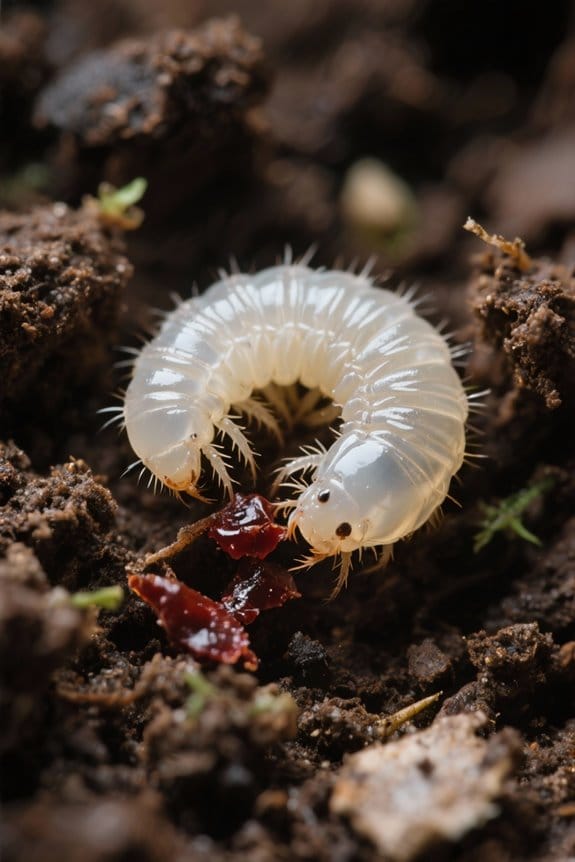
Once they hatch, the larvae enter a fascinating world of growth and survival. Measuring around 3-5 mm, flea larvae are initially blind and seek dark environments to thrive. They prefer hidden spots like deep carpet fibers or soil, avoiding strong light. These little critters feed on organic debris, including dead skin cells and adult flea feces, which are essential for their growth. In humid conditions—above 45-50%—they develop through their life stages, lasting between 4 to 18 days. Unfortunately, many conventional insecticides aren’t effective against them. That’s why using thorough control methods is key. Keeping things clean and dry can greatly help manage their population. Remember, persistence pays off when tackling these hidden nuisances! Using treatments such as Vets Best Indoor Flea Spray, which utilizes a natural formula, can effectively eliminate fleas while being safe for pets and surfaces in your home.
Recommended Products


𝐅𝐚𝐬𝐭 𝐀𝐜𝐭𝐢𝐧𝐠 𝐈𝐧𝐝𝐨𝐨𝐫 𝐨𝐫 𝐎𝐮𝐭𝐝𝐨𝐨𝐫: Water soluble granules provide powerful non-pyrethroid, non-repellent pest control inside, outside and off-structure enabling you to target the insect at the source; Quick and effective elimination of a broad range of insects

Large (treats 4 acres outdoors, 1,800 sq. ft. indoors): 1 Gallon Cedarcide Original (w/ Empty Quart), 1 gallon Outdoor Bug Control (w/ Hose End Sprayer), and 4 bags of Cedar Granules
Flea Pupae: Cocoon Formation and Dormancy

As flea larvae shift to the pupal stage, they enter a remarkable phase of development. Flea pupae create a protective silk-like cocoon, where they can remain dormant for several months. This cocoon gets covered in dirt and debris, providing excellent camouflage against predators and environmental hazards. While under this disguise, pupae can wait for ideal conditions to emerge. When they sense stimuli like warmth or vibrations, it’s their cue to break free. In perfect surroundings, they can emerge within 5 to 10 days. However, in less favorable environments, dormancy can last up to a year. Once they finally emerge, adult fleas need a blood meal right away to survive and kickstart their reproductive cycle. Patience pays off! For those dealing with hornet issues, consider eco-friendly options like the 3 Pack Wasp Traps to maintain a safe environment for children and pets while managing pest control.
Recommended Products

Can be use around Animal, Pets and Plants

Natural Pest Control: Loaded with 100 million steinernema carpocapsae nematodes, our Ecomask targets and kills common pests for effective flea control! Active close to the soil surface, they hunt and eliminate cutworms, chinch bugs, iris borers and many more.

KILLS & REPELS. Using natural essential oils, this spray is proven to kill by contact, repel, and prevent 98-100% of fleas, ticks and mosquitoes in laboratory testing. It breaks the flea life cycle by eliminating eggs, larvae, and adults.
Adult Fleas: Behavior and Reproduction

When adult fleas emerge from their pupal stage, they’re hungry and ready to make their mark. These little acrobats can leap up to eight inches, seeking a blood meal from unsuspecting pets or humans. Within 24 to 48 hours after feasting, female fleas begin mating and rapidly lay eggs, about 20 to 40 daily. That adds up to an alarming 600 eggs in a lifetime! The environmental conditions around them—like humidity and temperature—greatly impact their reproduction rate and lifespan. As you can see, a few fleas can quickly lead to infestations. Understanding their behavior is essential for effective flea control, making it crucial to tackle these agile critters before they take over your home. Utilizing a comprehensive flea treatment program can help in managing infestations effectively and prevent them from spreading.
Strategies for Breaking the Flea Life Cycle
To effectively break the flea life cycle, a multi-pronged approach is essential. First, treat all pets simultaneously with veterinarian-approved flea treatments. This eliminates adult fleas and helps prevent new eggs from hatching. Next, regularly vacuum infested areas to remove eggs and larvae. Wash pet bedding in hot water for extra effectiveness. Insect growth regulators (IGRs) are also crucial; they prevent larvae from developing into adults. For those sneaky critters hiding in carpets, use targeted household flea sprays that penetrate deep. Finally, manage outdoor spaces by keeping grass trimmed and removing debris. A little diligence can go a long way. Remember, consistent effort today means fewer flea infestations tomorrow—because nobody wants an unexpected flea party! Consider using ADAMS Flea & Tick Home Spray, which provides up to seven months of protection from reinfestation, for a long-lasting solution.
Frequently Asked Questions
How Long Does the Flea Life Cycle Take?
The flea life cycle typically takes 3 to 8 weeks, influenced by environmental controls and seasonal flea patterns. Effective flea prevention methods and treatment options involve understanding flea growth speed and breeding habits alongside regular pet grooming tips.
How to Break the Cycle of Fleas?
Like a stubborn weed, breaking the flea cycle requires vigilance. Effective flea control combines natural remedies with household treatments, emphasizing pet hygiene, consistent vacuum habits, yard maintenance, and chemical options to spot infestation signs early.
What’s the Worst Month for Fleas?
August marks the worst month for fleas, characterized by peak activity due to warm weather and host availability. Environmental factors elevate indoor infestations, necessitating effective pest control treatment methods in both outdoor environments and affected living spaces.
How Quickly Do Fleas Multiply in a House?
Flea populations can multiply rapidly within a home, producing countless flea eggs amid ideal temperature and humidity impacts, triggering infestation signs. Effective home treatments and pet protection are essential for controlling proliferation rates and establishing prevention methods.


