As an Amazon Associate, we earn from qualifying purchases. Some links on this site are affiliate links at no extra cost to you. Our recommendations are based on thorough research and editorial judgment.

Understanding the Life Cycle of Garden Aphids

Garden aphids are small, soft-bodied insects that feast on plant sap. They reproduce quickly, leading to serious infestations. Their life cycle begins with wingless females who can produce live young daily. In spring, they form large colonies on new growth. As populations swell, some develop wings to spread to other plants. Remember, a healthy garden is less likely to face these pests! Stick around to learn how to control and manage these pesky aphids effectively.
Key Takeaways
- Garden aphids have over 4,000 species, displaying colors like green, yellow, or red, depending on their host plants.
- Their life cycle starts with wingless females reproducing asexually, producing multiple nymphs daily for rapid population growth.
- Aphid populations grow significantly in spring, with winged forms developing during overcrowding for dispersal to new host plants.
- They undergo four nymphal stages, maturing before overwintering as eggs on woody plants that hatch in spring.
- Host plant alternation is crucial for aphid life cycles, allowing seasonal reproduction and transmission of plant viruses.
What Are Aphids?
Aphids are like the pesky little burglars of the garden. These small, soft-bodied insects belong to the superfamily Aphidoidea and come in over 4,000 different species. They usually measure less than 6 mm and can be green, yellow, or even red, depending on which plant species they decide to target. Their specialized mouthparts allow them to suck sap from plants, leading to painful infestations if left unchecked. You’ll often find them clustered on the undersides of leaves, sneaking in their damaging work. What’s fascinating is that aphids can reproduce both sexually and asexually, producing winged forms to spread further. Introducing ladybugs and maintaining biodiversity will naturally control aphid populations. So, keep an eye on your garden; those little thieves can cause some serious trouble!
How Do Aphids Affect My Plants?

Many gardeners discover that their beloved plants are under siege. Aphids can wreak havoc, sapping the life out of them. As they feed, they cause yellowing leaves and curled foliage. You might even notice stunted growth in your prized blooms. High populations lead to aphid infestations that threaten entire gardens. Plus, these tiny pests produce honeydew, a sticky substance that invites the growth of black sooty mold. This mold can block sunlight, hampering photosynthesis and weakening plants’ health. Young leaves and buds are especially vulnerable, twisting and distorting into sad little shapes. But don’t lose hope! With proper management and vigilance, you can protect your plants. Remember, every gardener faces challenges—it’s part of the journey! Consider using organic pest control solutions, which are safe and effective for managing aphid infestations without harming the environment.
The Aphid Life Cycle Explained

Understanding the challenges posed by aphids isn’t just about fighting them off; it also involves knowing how they grow and spread. The aphid life cycle starts with wingless females that reproduce asexually, leading to rapid population growth. In perfect conditions, they can produce multiple nymphs daily! Many aphids overwinter as eggs on woody plants, waiting for warmer days to emerge. These critters undergo four nymphal stages before maturing into adults, with some completing this process in just a week. When crowded, winged aphids develop to disperse to new plants. Organic pest control solutions can help manage aphid populations while minimizing harm to beneficial insects. Knowing these details equips you for battle. Remember, sometimes you have to outsmart your foes before you can shoot them away! So, be prepared and stay optimistic!
Recommended Products

SUPER CONCENTRATE MAKES 1,000 GALLONS - Earth's Ally 3 in 1 Plant Spray Super Concentrate creates 1,000 gallons of multi-purpose pest and fungus spray that works as an insecticide, miticide and fungicide. The formula effectively controls insects and common plant diseases with a synergistic blend of botanical oils.

𝐏𝐨𝐰𝐞𝐫𝐟𝐮𝐥, 𝐀𝐥𝐥-𝐏𝐮𝐫𝐩𝐨𝐬𝐞 𝐏𝐞𝐬𝐭 𝐂𝐨𝐧𝐭𝐫𝐨𝐥: Eliminator Insecticide and Fungicide Concentrate tough away and controls mildew, fungus, mold, aphids, spider mites, whiteflies, fungus gnats, thrips, mealybugs, flies, and more – ideal for gardens, crops, greenhouses, and residential spaces.

EFFECTIVE SPIDER MITE, POWDERY MILDEW & PLANT DISEASE CONTROL – Natural miticide and spider mite killer effective against two-spotted spider mites, broad mites, russet mites, whiteflies, aphids, powdery mildew, and downy mildew on vegetables, flowers, houseplants, indoor plants, ornamentals, and garden crops.
Spring and Summer Colonies

As the sun warms the garden in spring, it’s like a green light for aphid colonies. These tiny pests kick off their season by growing rapidly on tender new growth. Mostly composed of wingless females, they reproduce asexually, producing live young within just a week. With ideal temperatures, they can generate multiple generations in the warm months. The sheer numbers can be impressive, as these colonies thrive on host plants, often leaving a trail of sticky honeydew. While it may be frustrating to see them multiply, this natural cycle helps remind us about the connectedness of garden life. Besides, a little aphid drama keeps the garden interesting, doesn’t it? Just remember to keep an eye out for these enthusiastic invaders! A good way to manage aphids is by using insecticidal soaps that are effective against soft-bodied pests and are safe for edible plants.
Development of Winged Forms

With the explosion of wingless aphid colonies in spring and summer, a fascinating transformation looms on the horizon: the development of winged forms, or alates. These winged aphids appear in response to environmental stressors like overcrowding or declining plant health. They allow aphid populations to disperse to new host plants, which is a smart survival tactic. Just imagine them packing their bags and heading off! As they migrate, even a small number of winged aphids can transmit plant viruses, potentially causing havoc in new areas. The presence of alates often signals overpopulation, urging gardeners to take proactive steps to manage their colonies effectively. After all, a little prevention can save a whole garden’s worth of plants! To effectively manage these pests, gardeners should consider organic pest control solutions that target specific pests without harming beneficial species.
Overwintering Strategies
Aphids have their own unique ways to outsmart winter’s chill. Many aphid species lay eggs on woody host plants, ensuring they survive the cold months. Others, like the Green Peach Aphid, bravely stick it out, reproducing on sheltered plants throughout winter. When spring arrives, those eggs hatch into wingless female offspring, ready to multiply quickly. However, overcrowding can prompt some to sprout wings, seeking new, undamaged infested plants. Understanding these overwintering strategies is key to good pest management. By recognizing how aphids live through winter, you can plan for early spring interventions. Remember, a little knowledge can keep your garden thriving and reduce those pesky infestations later. After all, every aphid wiped out is one less for you to deal with! Additionally, incorporating Integrated Pest Management practices can help prevent aphid resistance and promote a sustainable approach to controlling these pests.
Host Plant Alternation
Steering through the world of garden aphids can feel a bit like a game of hide and seek. Host plant alternation plays an essential role in their life cycles. Many aphid species, like the green peach aphid, thrive on primary host plants such as peach and apricot in winter. Then, as the weather warms, they shift to secondary host plants, including tomatoes and potatoes. This clever switch allows aphid populations to explode during the growing season. However, it comes at a cost! These pests can transmit viruses between plants, wreaking havoc in gardens. While finding these sneaky sap-suckers can be frustrating, understanding their patterns gives gardeners a fighting chance to maintain healthy plants. To combat these pests, gardeners can use pesticide-free solutions that are safe for food crops up to the harvest day. So gear up and stay vigilant!
Exceptions in Aphid Life Cycles
How do some garden aphids manage to break the mold of their expected life cycles? Some species, like the Green Peach Aphid, cleverly winter as eggs on host plants. When spring arrives, they spring into action and reproduce asexually, leading to rapid population growth. Others, such as the Cabbage Aphid, have the option to survive winter as either eggs or adults. This flexibility helps them thrive in tough conditions. Curiously, instead of laying eggs, aphids can give birth to live nymphs, making them quick to capitalize on plentiful resources. Still, this rapid growth can lead to aphid control challenges in your garden. Understanding these exceptions is key to managing these persistent pests. Some effective household insect killers contain active ingredients like pyrethroids or plant-based options which can assist in managing aphid infestations in a garden setting.
How Long Do Aphids Live For?
Life cycles of garden aphids can be quite dramatic, especially when considering how long they actually live. The lifespan of aphids varies by species and can range from just a few weeks to several months. In ideal conditions, nymphs become adults in about 7 to 10 days! That’s fast, right? Female aphids can really get busy, reproducing up to 12 offspring each day. As you can imagine, this quick reproduction can lead to populations exploding. But don’t fret! Aphids typically overwinter as eggs on host plants, laying low until spring. This dormancy helps them survive unfavorable environmental conditions. Remember, knowing their lifespan helps in managing these little critters effectively in your garden. Happy gardening! Additionally, using non-toxic options like those in effective fly traps can help maintain a healthy garden environment without harming beneficial insects.
Aphid Control Measures
Controlling aphids can feel like a never-ending battle, but a solid plan makes it manageable. Regular monitoring is key. Check your plants twice a week for curled leaves or distorted growth. Integrated pest management (IPM) is a smart approach; introducing natural enemies like ladybugs can keep aphid numbers down without harsh chemicals. Hosing off small aphid populations with a strong jet of water works wonders too. Remember to prune back infested areas! Applying horticultural oils and insecticidal soaps helps target aphids while protecting your garden’s helpful bugs. To prevent aphids, inspect new plants before introducing them and avoid excessive nitrogen in your soil. With these aphid control measures in place, you’ll be well on your way to a thriving garden! For those dealing with ant infestations in addition to aphids, consider using Combat Indoor and Outdoor Ant Killing Gel, which exterminates ants within hours and eliminates entire colonies in 3 to 5 days.
Recommended Products

DEFENDS YOUR PLANTS - Monterey 70% Neem Oil controls black spot, powdery mildew, rust, needle rust, downy mildew, twig & twip blight, anthracnose, scab and flower, botrytis, alternaria, and other fungal diseases.
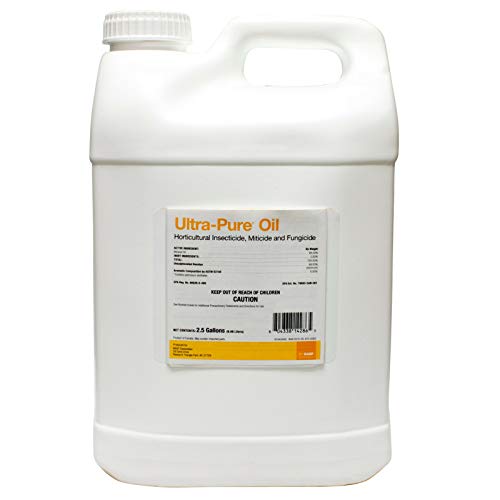
Horticultural Oil: 98% mineral oil insecticide, miticide, and fungicide for comprehensive plant protection; Effective horticultural spray oil
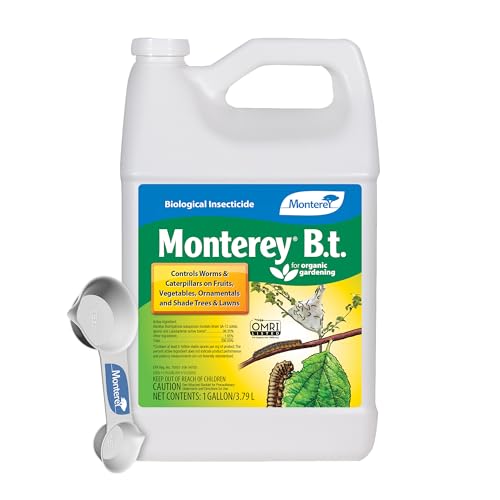
Monterey B.t. Bundled with Measuring Spoon - Biological Insecticide for Organic Gardening - 1 Gallon
INSECT KILLER - This pest control is designed for use on caterpillars and worm type insects, such as cabbage looper, bagworm, gypsy moth, fall cankerworm, elm spanworm and many more.
Biological Control Methods
Harnessing the power of nature can be a game-changer in the battle against aphids. Biological control methods rely on introducing natural enemies, such as ladybugs and lacewings, which gobble up those pesky pests. Don’t forget about parasitoids! These tiny wasps, like Aphidius colemani, lay their eggs inside aphids, making for a highly efficient aphid control strategy. Entomopathogenic fungi, such as Isaria fumosoroseus, can also do the trick, effectively infecting and killing aphids. By minimizing chemical pesticide use, gardeners can conserve those valuable predator insects, enhancing control efforts. Combining these natural enemies offers a sustainable solution to managing aphid populations. Think of it like inviting nature’s very own pest police to your garden party!
Effective Monitoring Techniques
When it comes to spotting aphids before they wreak havoc, staying vigilant is key. Regular monitoring, ideally twice a week, helps detect aphid infestations early. Don’t forget to inspect both the upper and underside of leaves, as aphids love to hide there, especially on tender new growth. Using yellow sticky traps can capture winged aphids and reveal their population trends. Also, watch for honeydew on leaves; it’s a sweet clue that aphids are nearby. Curled leaves or distorted growth are signs of serious aphid activity. If you catch these issues early, you can control them before they ruin your plants. Remember, vigilant monitoring is your best ally against these tiny garden invaders!
Recommended Products

Replacement Kit Includes: (6) Bug Ball trap, (6) inflation needle
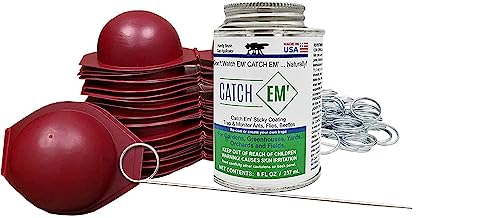
Kit Comes with; (25) Apple Maggot Traps, (25) wire hangers, and (2) 8-oz. cans of Catch EM sticky coating (with brush applicator)

Fit for Heavy Infestation & Commercial Use:You will receive 500 pcs sticky traps for gnats and 500 pcs twist ties, a great deal. Sticky trap bulk is ideal for large gardens, greenhouses, farms, warehouses, or severe indoor pest problems. No need for frequent restocking—a cost-effective, long-term pest control solution
Frequently Asked Questions
How Long Is the Aphid Life Cycle?
The aphid life cycle typically spans 7 to 8 days, though lifespan variability occurs across species. Environmental influences and factors, along with natural predators, impact reproduction rates, which can escalate pest control challenges.
Where Do Aphids Lay Their Eggs?
Green Peach Aphids typically lay their eggs on the undersides of host plant leaves, utilizing seasonal variations and reproductive strategies, ensuring ideal aphid egg locations for survival, as the eggs hatch into nymphs in spring.
Can I Use Dawn Dish Soap to Get Rid of Aphids?
Yes, a soapy solution with Dawn dish soap can effectively control aphids using organic methods. Proper dilution tips guarantee plant safety. Treatment frequency should be regular, applied early morning or late evening for best results.
How Long Do Aphid Infestations Last?
Aphid infestations can linger like a stormcloud, varying from several weeks to months. Effective aphid population control, informed by infestation signs and bolstered by natural predators, preserves plant health while minimizing the environmental impact of pesticide alternatives.


