As an Amazon Associate, we earn from qualifying purchases. Some links on this site are affiliate links at no extra cost to you. Our recommendations are based on thorough research and editorial judgment.


How Household Clutter Attracts Pests

Household clutter is like an open invitation for pests. It creates cozy hiding spots and supplies food crumbs for ants and cockroaches. Piles of newspapers and cardboard are perfect nesting materials for rodents, while damp areas attract silverfish. Even that neglected corner behind the couch can turn into a pest playground. But don’t worry! Tidying up can keep those unwanted guests at bay, and there’s so much more to explore on how to protect your home.
Key Takeaways
- Clutter provides hiding spots for pests, offering them protection from predators and making infestations harder to detect.
- Food debris, especially in kitchens, attracts foraging pests like ants and cockroaches looking for easy meals.
- Damp areas with clutter create favorable conditions for pests like termites and silverfish, as they thrive in moisture.
- Cardboard boxes and old newspapers serve as nesting materials for rodents and breeding sites for crawling insects.
- Unsealed food containers and filled trash bins in cluttered spaces invite a variety of pests seeking sustenance.
Why Pests Are Attracted to Clutter
When clutter takes over a home, it becomes an open invitation for pests. Piles of old newspapers and unused clothes create cozy hiding spots for critters like rodents and insects. Food debris, often overlooked in the corners, can attract ants and cockroaches looking for a snack. Believe it or not, even a crumb can turn into a buffet! Moisture builds up in cluttered areas, fueling the growth of pests like termites. Additionally, cardboard boxes provide warm nesting spots, making pests feel right at home. To help mitigate these issues, consider using solar pest repellers, which offer an eco-friendly and humane method to deter pests without relying on harmful chemicals.
How Clutter Contributes to Specific Pest Problems

Cluttered spaces often turn into a paradise for pests, creating unique problems that can catch any homeowner off guard. For instance, piles of newspapers can become cozy nests for rodents, letting them hide while they breed. In cluttered kitchens, spills and food debris serve as a buffet, attracting cockroaches in droves. Meanwhile, unattended clothing creates the perfect environment for bed bugs to spread throughout your home. Excess paper in damp areas? That’s like a welcome mat for silverfish, drawn in by the starch. Finally, cluttered areas often conceal signs of pests, allowing ants and spiders to multiply unseen. Keeping things tidy isn’t just about aesthetics; it’s about keeping your home pest-free! Additionally, strategic placement of Japanese beetle traps at least 30 feet away from plants can effectively manage beetle populations without drawing them closer to your garden.
Recommended Products

Heavy-Duty Galvanized Steel: Built from durable galvanized metal for long-lasting performance indoors or outside. Resistant to rust, dents, and weather exposure, making it ideal for everyday utility use.

Quality Storage Bins: This 8-pack of storage containers with lids provides endless storage and organization for closets, garages, bedrooms, and attics
Common Areas Where Clutter Leads to Pest Problems

Many households unknowingly create perfect habitats for pests by allowing clutter to accumulate in key areas. Cluttered environments, like kitchens, often attract cockroaches and mice due to leftover food particles and unwashed dishes. Attics and storage rooms filled with forgotten treasures become ideal nesting spots for rodents, hidden from daily life. Garages and sheds, cluttered with boxes or old tools, often go undisturbed, giving pests a cozy refuge. Low-traffic corners or behind furniture can turn into breeding grounds, as pests thrive in undisturbed spaces. Even pantries with unsealed food containers or misplaced items invite a variety of insects. Affordable electronic mouse traps provide effective rodent control without breaking the bank, making them an excellent choice for households facing pest problems. Don’t worry—clearing out clutter can lead to a pest-free haven and restore peace of mind!
Recommended Products

HUMANE, HIGH VOLTAGE SHOCK: Once rodents enter the Rat Zapper trap, it delivers a continuous shock for 2 minutes to humanely kill mice and average-size rats

One Trap for All Rodents: No need to waste time choosing separate traps for rats or mice. This outdoor mouse traps is specially designed to target multiple rodent types. Thanks to its specially designed waterproof outer casing, you can place it wherever rodents are active—indoor or outdoor—ensuring maximum catch efficiency and fast, hassle-free pest control
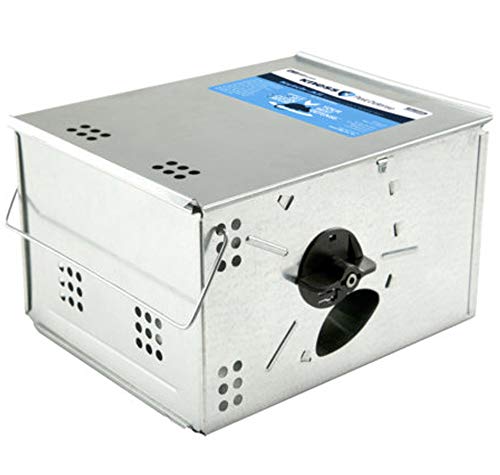
Catches multiple mice in one setting
Tips to Reduce Clutter and Prevent Pests

To keep pests at bay, tackling household clutter is essential. Start by decluttering your kitchen and dining areas, as crumbs can invite unwanted guests. Use sealed plastic containers instead of cardboard boxes to store food securely. This simple step can keep your food safe from pests. Don’t forget to empty trash regularly and clean those bins; no one likes old leftovers! Also, check for leaks and improve ventilation to prevent damp spots where moisture-loving pests thrive. Finally, seal any cracks around doors and windows to limit entry points. Safety for pets and children must be prioritized when choosing pest control solutions to ensure a non-toxic environment at home. By following these tips, you can effectively reduce clutter and keep your home pest-free. If problems persist, consider reaching out for professional pest control services. Always better safe than sorry!
Recommended Products
![Glotoch 24oz [1 Pallet-8350 Pack] Meal Prep Containers Reusable with Lids, Food Storage Containers Microwave,Freezer,Dishwasher Safe, Leakproof & BPA Free Durable Plastic Bento Box To Go Take Out](https://m.media-amazon.com/images/I/512IoxugSrL._SL500_.jpg)
Package includes: 8350 Food Containers + 8350 Lids

Metal caps offer the widest range of temperature tolerances and are very resistant to fracture from impact

**FULL AND FUNCTIONAL - The cups can easily be sealed with Hammonts automatic can sealing machine. The machine is not included with this purchase. We recommend the use of the machine as the bottles are conveniently and easily sealed with it.**
The Role of Paper and Cardboard in Pest Infestations

Papers and cardboard can be the silent hosts of pest infestations. Piles of old newspapers and cardboard boxes offer cozy nesting spots for unwelcome guests like cockroaches and silverfish. These pests are known to munch on the starch found in paper products. Rodents, too, love clutter; they are notorious for using cardboard boxes as their personal nesting materials. Dark, damp areas filled with paper create perfect breeding grounds for pests. By reducing paper clutter, you not only clear your space but also lessen pest attraction. Shifting to digital storage is a savvy move that decreases hiding spots. Remember, a tidy home is a happy home—so let’s kick those pests to the curb! Consider using products like ADAMS Plus Carpet Powder for effective indoor flea control to further reduce pest problems.
Recommended Products

ZappBug The Oven 2 XL Large Bed Bug Heater | Real Reviews | Time-Tested | Excellent Customer Service
Efficient: Heats large items above 120℉ 50℃

SWITCH TO FULL AUTO: Flip the lever and this rifle empties 25 rounds in about a second. It gives you the choice between taking slow, aimed shots or letting loose at 1400 rounds per minute to see what it can really do.

🌻Large Dual-Chamber Compost Tumbler — Continuous Composting System:This 45-gallon dual chamber compost bin lets you cure compost on one side while adding fresh scraps to the other. No waiting between batches. Perfect for backyard gardens, raised beds, and small households seeking a continuous composting solution.
When Professional Pest Control Makes Sense
Clutter not only invites pests but can also mask serious infestations, making them hard to spot. When your home becomes a jumbled mess, infestations can grow unchecked. In these cases, professional pest control makes sense. Experts can easily find nests hidden under piles, solving issues DIY methods often leave behind. They target breeding areas directly, providing thorough pest management that goes beyond your typical homemade traps. Additionally, these professionals seal entry points, preventing pests from making a triumphant return after treatment. Ultimately, engaging their help means you gain guidance that keeps your home pest-free despite any clutter accumulation. Remember, “A cluttered home is a pest’s playground”—don’t let your mess be their ticket in!
A professional pest control service might also recommend the use of plant-based options as safer alternatives, especially in homes with kids and pets, while ensuring effective pest elimination.
Recommended Products

DUAL-LAYER METAL ROOF - Our hardtop gazebo features a dual-layer roof with inner netting to allow better air circulation. Instead of fabric or polycarbonate material, the galvanized steel panels are firmer to withhold harmful UV rays, strong wind and snow to protect you in all weather. Three hooks inside the roof can be used to hang fans, lights and decorations.

【Durable Double Roof】Experience superior strength with our rust-resistant galvanized steel roof, designed to withstand heavy snow, strong winds (up to 38mph), and extreme weather. The double-roof structure ensures optimal heat insulation and ventilation, while blocking 99% of harmful UV rays for a cool, shaded retreat.

Size: 10' X 12' gazebo with 24 bulbs outdoor hanging lights. You can improve the atmosphere of outdoor activities through 8 lighting remote control at night.
Key Takeaways for a Pest-Free Home
How can one keep their home pest-free amidst the chaos of daily life? Start by reducing clutter. Pests love hiding spots, and clutter provides just that. A stack of old newspapers? Perfect for cockroaches. Next, make sure all food containers are sealed tightly. Leftovers in an unsealed container are an open invitation for pests. Regularly decluttering not only eliminates nesting spots but also helps you find hidden crumbs that attract unwanted guests. Don’t forget those pesky paper products! Store them in a dry, organized manner to avoid moisture buildup that pests enjoy. Finally, consider early pest control actions. A proactive approach turns your home into a fortress against pests—no one’s getting in without an invite! For those tending to plants, using neem oil sprays can effectively manage pests like aphids and spider mites, ensuring your home and garden remain pest-free.
Frequently Asked Questions
Does Clutter Attract Pests?
Ironically, while keeping clutter types like newspapers and clothes can feel cozy, it actually attracts pests, enhancing their behavior. Effective prevention tips include regular cleaning and organization to deter infestations before they arise.
Why Does Clutter Attract Roaches?
Clutter attracts roaches due to its potential as a nesting site, concealed food sources, and increased moisture levels. Effective clutter prevention is essential for pest control, as it disrupts cockroach behavior and limits their habitat.
Why Am I Getting Roaches When My House Is Clean?
Despite a seemingly pristine environment, hidden corners may harbor roaches. Employing effective cleaning strategies, utilizing roach prevention tips, and exploring pest control solutions can reveal the unseen vulnerabilities, ensuring that cleanliness triumphs over unwanted guests.
Does Hoarding Attract Roaches?
Hoarding attracts roaches due to the accumulation of material providing hiding spots and food sources. Effective prevention strategies focus on decluttering and maintaining cleanliness to deter urban pests from thriving in such environments.