As an Amazon Associate, we earn from qualifying purchases. Some links on this site are affiliate links at no extra cost to you. Our recommendations are based on thorough research and editorial judgment.

How Beneficial Insects Control Garden Pests Naturally

Beneficial insects like ladybugs and lacewings are your garden’s little heroes. They feast on pests like aphids, keeping them in check. Ladybugs can munch through thousands of aphids in their lifetime! To attract these allies, plant native flowers and avoid harsh pesticides that harm them. A healthy garden filled with diverse plants creates a welcoming habitat. It’s like throwing a party for your garden’s best friends. Stick around, and you’ll uncover more tips on enhancing your garden’s pest control.
Key Takeaways
- Beneficial insects like ladybugs and lacewings consume large quantities of harmful pests such as aphids, providing effective natural pest control.
- Parasitic wasps help control pest populations by laying eggs inside harmful insects, ensuring food for their larvae while eliminating pests.
- Praying mantises and spiders prey on various garden pests, contributing to a natural balance and reducing pest numbers in the garden.
- By planting diverse native flowering plants, gardeners can attract and sustain beneficial insects that aid in natural pest management.
- Avoiding harsh pesticides protects beneficial insects, allowing them to thrive and efficiently control pest populations naturally.
The Role of Beneficial Insects in Pest Management
In the world of gardening, where pests can feel like uninvited guests at a party, beneficial insects step in as the helpful allies. These tiny predators, like ladybugs and lacewings, actively hunt harmful bugs, keeping your garden ecosystem balanced. Lacewing larvae are especially impressive, munching through up to 200 aphids in just one week! To attract these natural pest control experts, consider planting native plants. They offer essential food sources, like nectar and pollen, which keep beneficial insects coming back. When you embrace diverse plants, you enhance habitats for these champions that help to control pests. Just remember: lay off the pesticides! Protecting beneficial insects allows them to work their magic—keeping your garden vibrant and healthy. Green Lacewings and Ladybugs adapt well to various environments, both indoors and outdoors, which makes them excellent choices for enhancing pest management in diverse garden settings. Happy gardening!
Recommended Products
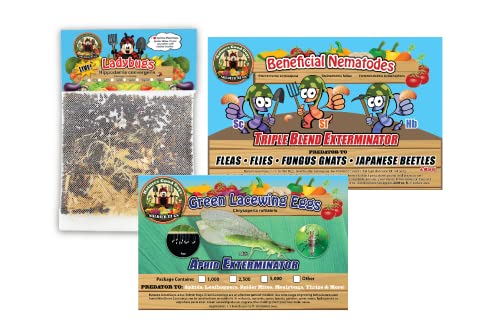
Natures Good Guys, Live Ladybug Garden Pack

Ladybugs are general predators that feed on a variety of slow-moving insects including Aphids, Moth eggs, Mites, Scales, Thrips, Leaf Hoppers, Mealybugs, Chinch Bugs, Asparagus Beetle larvae, Whitefly and others

Ladybugs are general predators that feed on a variety of slow-moving insects including Aphids, Moth eggs, Mites, Scales, Thrips, Leaf Hoppers, Mealybugs, Chinch Bugs, Asparagus Beetle larvae, Whitefly and others
Common Beneficial Insects and Their Prey
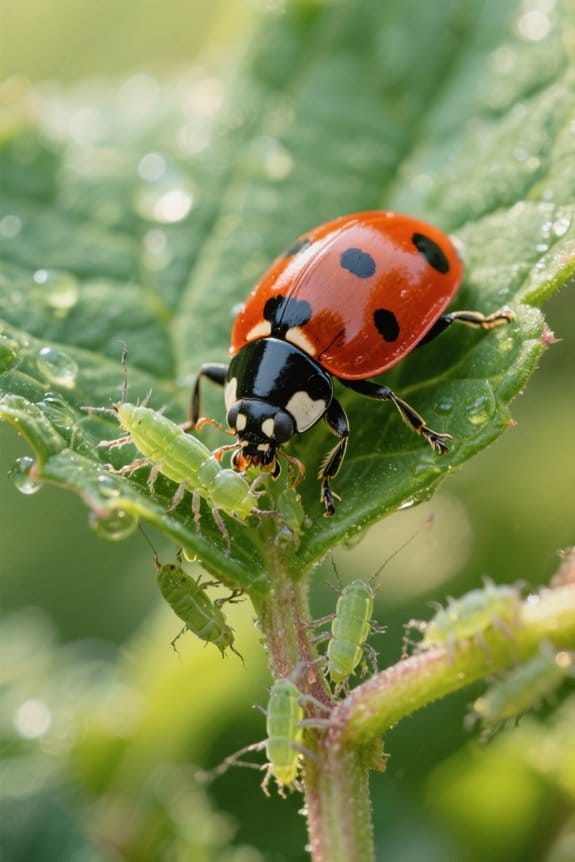
While many gardeners battle pests alone, common beneficial insects can lend a helping hand. Ladybugs, for instance, are well-known beneficial bugs that can devour up to 5,000 aphids in their lifetime. Think of them as tiny pest control bodyguards! Lacewing larvae, often called “aphid lions,” munch on around 200 aphids each week. Parasitic wasps take a different approach, laying eggs inside caterpillars and aphids to guarantee their young have a meal. Meanwhile, praying mantises feast on a variety of garden pests, including caterpillars and flies. Spiders, though not insects, are also natural predators that help keep pests in check. Embracing these allies not only protects plants but brings balance to your garden ecosystem. Additionally, beneficial nematodes are eco-friendly, targeting soil-dwelling pests and promoting ecological balance.
Recommended Products
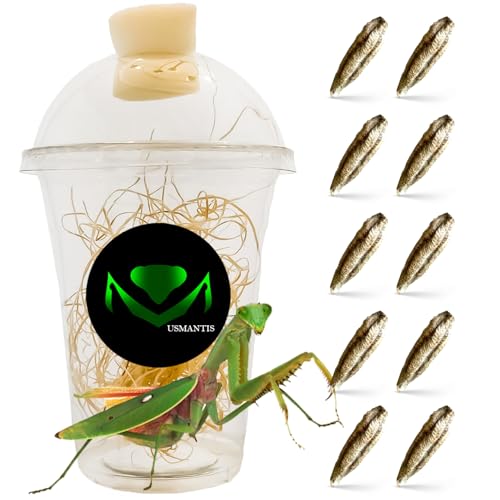
Discover the Fascinating Life Cycle: Hatch your own Tenodera angustipennis mantis nymphs from an ootheca (egg case). This unique species, native to Asia and parts of Oceania, offers a captivating opportunity to observe their development from egg to adult. Each ootheca can produce 10–150 nymphs, making it a rewarding experience for nature lovers and educators alike.

Easy to apply and can be use around humans and pets

Sustainably Sourced Ootheca: Chinese mantis ootheca (egg cases) are ethically sourced from fields in the USA, ensuring each case is fresh and viable. These mantis species have thrived in the ecosystem for over 125 years from 1896 and classified as “Naturalized” offering an eco-friendly addition to gardens and educational projects.
How to Attract Beneficial Insects to Your Garden
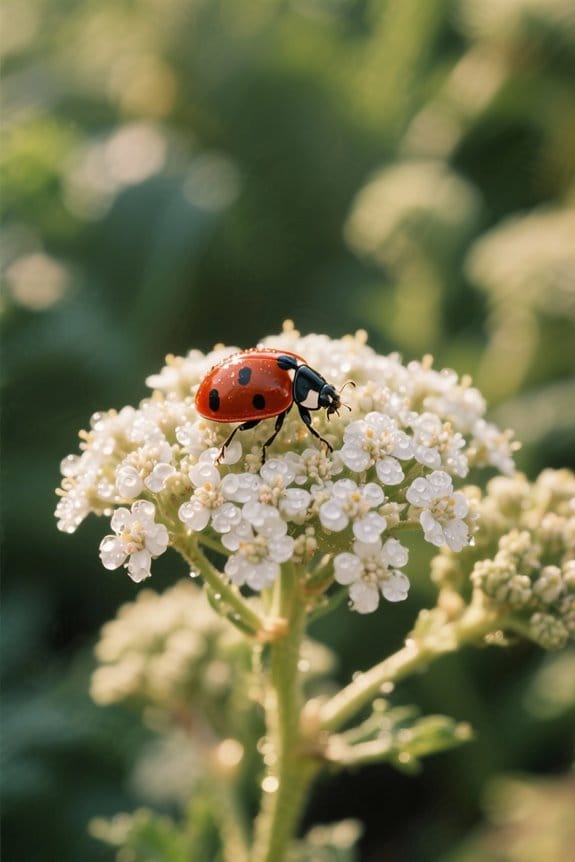
Attracting beneficial insects to a garden can feel like a tall order, but with the right strategies, it’s as manageable as pie. Start by planting native flowering plants like yarrow and asters. These provide essential pollen and nectar that keep beneficial bugs buzzing. A diverse garden with various plants enhances natural predators, creating a balanced ecosystem for effective pest control. Don’t forget to add water sources and habitats, such as brush piles, to support these helpful insects. Also, avoid broad-spectrum pesticides; they’re like an unwelcome party crasher! Finally, consider companion plants, like marigolds near veggies, to repel pests while inviting beneficial insects in for a friendly visit. Additionally, using eco-friendly options reduces chemical exposure for plants, pets, and humans, contributing to a sustainable gardening practice. You’ll soon have a garden buzzing with life!
Recommended Products

BULK 5 POUNDS (5x ONE POUND BAGS): Embark on a wildflower journey with our generous five pounds of seed, bursting with over 80,000 pure live seeds! Transform 4,000 square feet into a vibrant haven for nature.

🌸This exclusive selection of 9 varieties of annual and perennial flower seeds provides gorgeous and easy-to-grow wildflower seeds . Wildflower seeds bulk for planting in your garden, farm, or field. Our Southeast Wildflower Seed Mix is specially formulated to thrive in the southern states of the USA including Georgia, Alabama, the Carolinas, Florida, Louisiana, Mississippi, & more.

You will receive (6) 2-cubic foot bags per purchase.
Planting for Pollinators and Natural Predators
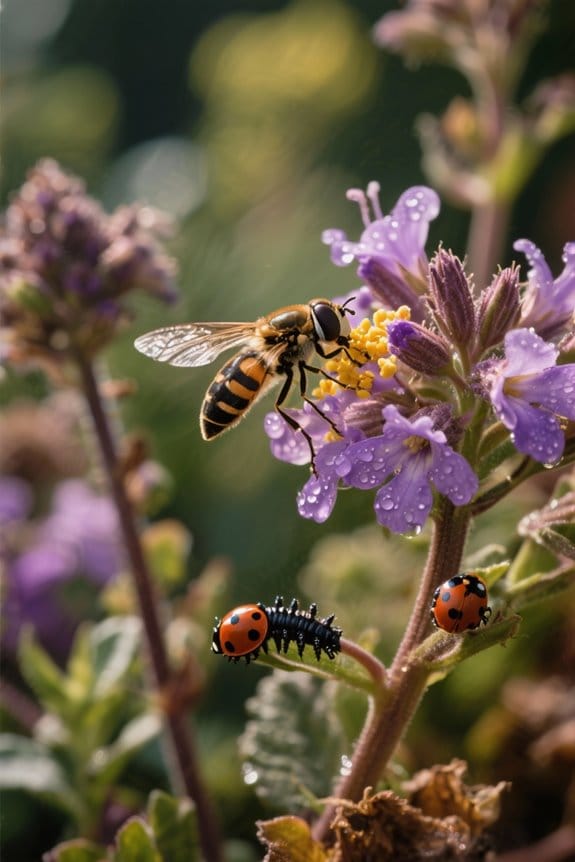
Creating a welcoming environment for pollinators and natural predators can transform any garden into a thriving ecosystem. To achieve this, start by planting a variety of native flowering plants like yarrow and asters, which attract beneficial insects such as ladybugs and bees. These creatures are essential for natural pest control. Incorporate marigolds and dill to not only draw in beneficial insects but also repel pesky pests. Continuous blooming from spring to fall increases your garden’s appeal to natural predators. Utilize companion planting techniques to mix compatible species, ensuring resilience in your garden. By providing habitats like brush piles and shallow water, you’re guaranteed to attract natural predators and nurture a vibrant, flourishing garden that keeps pests at bay. Consider using organic pest control solutions to safely manage pest populations without harming beneficial insects, supporting an eco-friendly garden environment.
Recommended Products

Native Perennial Wildflower Mix: Grow a curated blend of North American native wildflowers that provide vibrant, season-long blooms year after year.

100% Pure, Non-GMO Seeds - No fillers, favorites only! Includes 27 easy-to-grow species: Cornflower Tall Blue, Siberian Wallflower, Chinese Houses, Coreopsis Lance Leaf, Sweet William, Foxglove, Purple Coneflower, Annual Dames Rocket, Rose Mallow, Toadflax/Spurred Snapdragon, Scarlet Flax, Lemon Mint, Alpine Forget Me Not, Five Spot, Baby Blue Eyes, Evening Primrose, Annual Phlox Red, Catchfly, Shirley Mixed
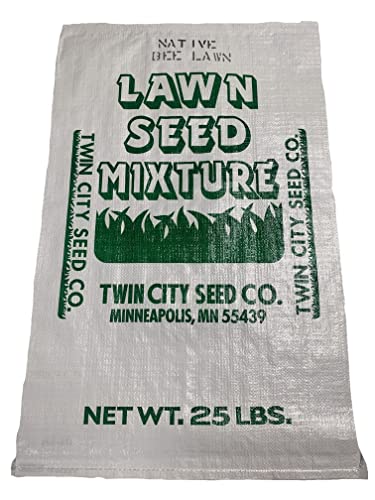
Be Bee Friendly: The Bee Lawn Mix gives residents a chance to help and give pollinating insects (60 + bee species) a food source in their own, aesthetically beautiful, home lawn
Creating a Ecosystem for Beneficial Insects
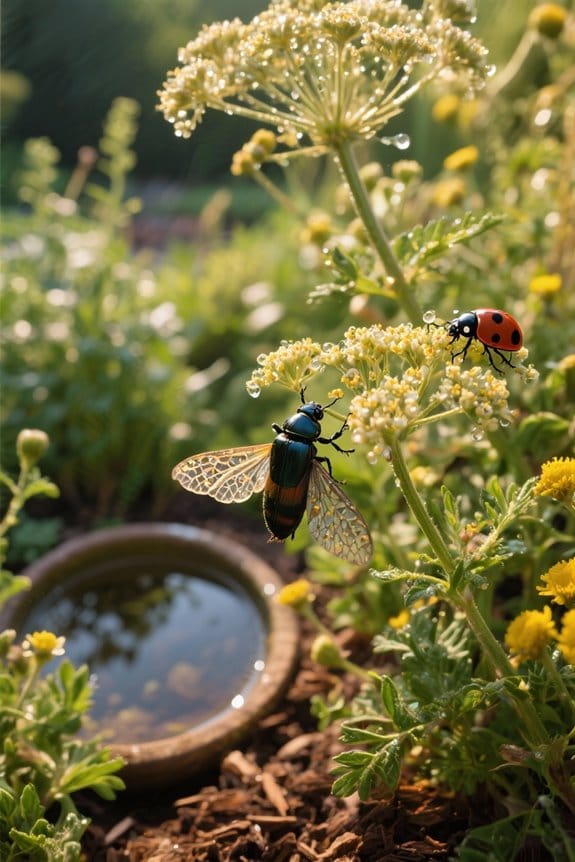
To foster a thriving ecosystem for beneficial insects, gardeners can take practical steps that invite nature’s helpers into their space. Start by planting diverse plants with native flowers; they provide essential nectar and pollen for insects like ladybugs and lacewings. Create habitats by leaving brush piles or untouched soil areas, where these beneficial insects can thrive and breed. Water is important too, so consider adding small, shallow puddles to quench their thirst. Flowering plants that bloom all season keep your allies fed and happy. Remember, using organic pesticides is necessary; they won’t harm these helpful creatures. After all, a garden without allies is like a ship without a sail—good luck making it to shore! Additionally, for households dealing with unwanted pests, eco-friendly alternatives like MouseX can help maintain a balance by using naturally derived ingredients.
Avoiding Pesticides to Protect Natural Allies
Beneficial insects thrive in an ecosystem free from harsh chemicals. By avoiding pesticides, gardeners protect their natural allies. These little helpers, like ladybugs or lacewings, are essential for effective pest control. When chemical sprays enter the scene, they don’t just target troublesome bugs; they harm beneficial insects too. This can lead to more pests in the long run, which is a bit like trying to fix a leaky roof with a bucket—ineffective and frustrating! Instead, focus on organic options. Resources are available to guide gardeners in managing pests while keeping ecosystems balanced. Promoting biodiversity helps create a resilient garden. Remember, a thriving garden is built on teamwork, and your beneficial insects are keen to lend a hand. For those interested in eco-friendly solutions, natural alternatives like neem oil or garlic spray are recommended to maintain garden health without harming beneficial insects.
Utilizing Companion Planting for Enhanced Benefits
How can gardeners make the most of their planting space while keeping pests at bay? Utilizing companion planting is a great start! By placing plants like basil and marigolds alongside your crops, you can naturally deter pests. Garlic, for instance, emits scents that create a natural barrier against intruders. Pairing vegetables such as corn with beans not only boosts growth but also fosters diverse habitats. Plus, flowering companions attract pollinators and beneficial insects like ladybugs, which love munching on pests. This clever planting method leads to healthier plants, enhancing resilience. Remember, a diverse garden is a happy garden. With a little planning, you’ll be well on your way to a thriving and pest-free paradise. Happy planting! Additionally, incorporating practices like Integrated Pest Management helps prevent resistance and ensures a healthy balance in the garden ecosystem.
Recommended Products


You'll LOVE our Tukmaria (Basil Seeds) by Rani Brand--Here's Why:

36 HEIRLOOM FLOWER AND WILDFLOWER SEED VARIETIES – Annual and perennial mix with zinnia, lavender, poppy, echinacea, milkweed, marigold, and sunflower for pollinator gardens, cut flowers, colorful borders, and wildflower displays
Observational Strategies for Managing Pest Populations
Observing plants regularly is a gardener’s secret weapon against pests. Daily checks for at least two weeks help to monitor for pest problems like aphids or caterpillars. Identifying life stages of beneficial insects, such as larvae or adults, allows better use of natural predators. You might even spot ladybugs doing their thing! Using tools, like white paper, can help catch tiny flying pests, letting you respond before they become a bigger headache. By evaluating the severity of infestations, you can decide when to use organic treatments or let nature do its magic. With informed pest management strategies, gardeners can cultivate vibrant gardens while keeping those pesky critters at bay. After all, a little observation goes a long way! For effective pest management, consider utilizing natural and non-toxic solutions to minimize environmental impact while controlling pest populations sustainably.
Frequently Asked Questions
What Are the Benefits of Controlling Garden Pests Naturally?
In a vibrant garden, natural pest control nurtures ecosystem balance. Beneficial insects enhance garden health, promoting sustainable gardening through organic methods. This holistic approach reduces chemical reliance, fostering biodiversity and resilient plant life, essential for overall garden vitality.
What Is the Best Natural Insecticide for Vegetable Gardens?
The best natural insecticide for vegetable gardens includes garlic spray, neem oil, and homemade insecticidal soap. These DIY insecticide recipes enhance vegetable pest management while attracting beneficial bugs through organic gardening techniques and companion planting strategies.
How to Get Rid of Bugs in a Vegetable Garden Naturally?
To naturally eliminate bugs in a vegetable garden, one can employ natural pest control methods, encourage beneficial insects, practice companion planting, utilize DIY remedies, and maintain organic gardening practices to support ecosystem balance and plant health.
How Do Organic Farmers Keep Bugs Away?
Organic farmers keep bugs away through crop rotation, companion planting to attract beneficial predators, and using pheromone traps. They also employ natural repellents and adhere to organic certifications to guarantee sustainable pest management practices.


