As an Amazon Associate, we earn from qualifying purchases. Some links on this site are affiliate links at no extra cost to you. Our recommendations are based on thorough research and editorial judgment.


Essential Oils for Household Insect Deterrence

Essential oils offer a natural way to keep household pests at bay. Lavender oil can soothe moths and ants, while peppermint oil acts as a natural insecticide. Just remember, proper dilution is essential to avoid skin irritation. Mix lemon eucalyptus oil with coconut oil for a delightful mosquito repellent. It’s easy and effective! Just like Grandma used to say, “A few drops can save the day!” Stick around to uncover more practical tips and recipes.
Key Takeaways
- Essential oils like lavender and peppermint confuse insect senses, making them effective natural repellents for household use.
- Thyme oil has been found to repel mosquitoes and houseflies more effectively than synthetic repellents like DEET.
- DIY insect repellent recipes can be easily created by mixing essential oils with carrier oils for safe application on the skin.
- Proper dilution of essential oils is crucial to prevent skin irritation and ensure safe use around children and pets.
- Look for 100% pure, organic essential oils with third-party testing to ensure quality and effectiveness against household pests.
Understanding Essential Oils and Their Benefits
Essential oils can be a game changer for those seeking natural pest control solutions. Rich in insect-repelling properties, these concentrated plant extracts provide an eco-friendly alternative to synthetic pesticides. Many essential oils, like lavender and peppermint, work as effective repellents by confusing insect senses. You won’t just repel unwanted critters; you’ll also enjoy pleasant aromas throughout your home. Consider this: using essential oils can turn your pest problem into a fragrant success! Remember, however, to dilute them properly, as undiluted oils can irritate your skin. The benefits of essential oils extend beyond pests; they can be effective against bed bugs, too. With even thyme outshining conventional repellents, embracing nature’s power is a win for you and the environment. Organic solutions generally minimize harm to beneficial insects, ensuring a balanced ecosystem in your garden.
Top Essential Oils for Repelling Household Insects

When it comes to keeping household insects at bay, some plant-based oils really shine. Lavender oil is a fabulous option, repelling moths and ants while adding a calming scent to your linens. Basil oil is your go-to for repelling mosquitoes, especially in wet weather, and it can even control pesky dust mites indoors. Don’t overlook thyme oil; it’s highly effective against mosquitoes and houseflies, often touted as more potent than DEET. Peppermint oil is another strong contender, acting as a natural insecticide that soothes those irritating bites. Finally, eucalyptus oil serves as an eco-friendly solution, effectively deterring sandflies. Together, these essential oil insect repellents make for effective, natural pest control in any home. In addition to essential oils, ultrasonic pest repellers provide a chemical-free pest control solution for homes.
Recommended Products

NOURISHING VITALITY- Experience the rejuvenating power of our top Essential Oil Blends set. Crafted with pure, undiluted essential oils, each blend offers an aromatherapy boost for your well-being. From combating fatigue to refreshing your home environment, these expertly formulated blends are your go-to solution for holistic health support.

LAVENDER: A Calming Retreat, the perfect scent for busy days. Indulge in the serenity of Lavender. This soothing fragrance captures the essence of a tranquil garden, with delicate notes of lavender petals and lavandin, balanced by the warm, woody undertones of eucayptus and cedarwood.

How Essential Oils Work Against Pests

To repel unwanted pests effectively, knowing how essential oils work is key. Essential oils contain volatile compounds that confuse pests’ senses, leaving them disoriented. For example, eucalyptus essential oil can disrupt their ability to search for food. Certain oils, like menthol in peppermint and eugenol in clove, even provide insecticidal properties, effectively acting as a natural pest deterrent. Research shows oils like thyme repel mosquitoes better than synthetic options like DEET. Additionally, DIY pest repellents using oils such as lemongrass are simple to create with proper dilution for topical application. Remember, a little goes a long way! So, if you ever feel bugged, reach for those essential oils and keep your home happy and pest-free! Neem oil sprays, known for their effectiveness against a variety of pests, can be a great addition to your pest management toolkit.
Safety Precautions When Using Essential Oils

Using essential oils can be a wonderful way to naturally repel insects, but safety must come first. Proper dilution is crucial; always mix essential oils with a carrier oil like coconut or olive oil to avoid skin irritation. If you have sensitive skin, perform a patch test on a small area. Wait 24 hours to verify no adverse reactions occur. It’s best for pregnant women, infants, and those with sensitive skin to consult a healthcare professional. Don’t forget to keep your essential oils out of reach of children and pets. Finally, remember that some oils, like bergamot, can be phototoxic. So, applying these before sun exposure is a big no-no! Safety precautions guarantee an enjoyable and natural pest-repelling experience. For those considering alternative pest control methods, non-toxic formulations found in certain fly traps offer a safe and effective solution.
DIY Essential Oil Insect Repellent Recipes

Crafting homemade insect repellents can feel like uncovering nature’s hidden treasure. With just a few essential oils, anyone can create effective solutions for pesky insects. For instance, mixing 10 drops of Lemon Eucalyptus Oil with 2 tablespoons of coconut oil provides excellent mosquito protection. If you favor a more classic option, try combining 10 drops of Citronella Oil with 2 tablespoons of jojoba oil for a natural barrier against insects. For a citrusy twist, blend 10 drops of Lemongrass Oil with 2 tablespoons of sweet almond oil. Remember, ensuring proper dilution is key for safety when applying to skin. Remember, these DIY insect repellent recipes can be customized to match personal preferences and specific pest targets! Additionally, consider the 99.9% kill rates of certain commercial-grade products if you need more robust solutions for broader applications.
Recommended Products

AUTOMATIC YARD CARE: the patented Sprinkler Magician system works through your existing sprinklers to automatically apply a whole range of products to all lawns and gardens. From our potent Mosquito Magician concentrate, to natural fertilizers, and even animal repellents, this system will automatically and accurately manage your entire yard!

WHOLE SUMMER SOLUTION: With a commercial grade gas powered backpack fogger and 2 gallons of potent Mosquito Magician concentrate, you can spray an average property 20 - 30 times. The 2 supplied gallons cover up to 256,000 sq feet, enough to last most customers right through the whole summer – bug free!!

BEST NATURAL SOLUTION TO DEFEAT MILDEW, MITES AND MOLD - Crop Control is hands down the BEST choice to prevent and cure Powdery Mildew, Spider Mites, Russet Mites, Broad Mites, Botrytis, Grey Mold, Aphids, fungal and parasitic species on plants. Uses plants natural defense systems to defend with zero harsh chemicals or toxins.
Effective Application Methods for Essential Oils
Creating your own insect repellent is just the start of the journey. To effectively apply essential oils for pest control, remember to dilute them in a carrier oil like jojoba or coconut. This not only guarantees safety on your skin but also enhances their ability to repel insects. For household use, blend oils like peppermint, lavender, and tea tree with water in a spray bottle. This mixture works wonders for surface disinfection and deterring pests. An atomizer can also diffuse oils in your living space, creating a pleasant, pest-repelling ambiance. Just don’t forget, regular reapplication—every few hours—is key, especially outdoors. Emphasizing child-resistant packaging in pest control products ensures added safety when using sprays or essential oils around children and pets. Store your oils in dark glass containers out of sunlight to keep them potent.
Recommended Products

Large (treats 4 acres outdoors, 1,800 sq. ft. indoors): 1 Gallon Cedarcide Original (w/ Empty Quart), 1 gallon Outdoor Bug Control (w/ Hose End Sprayer), and 4 bags of Cedar Granules

COMMERCIAL GRADE PRODUCT: Commercial grade 4-Gallon Backpack with Viton Rubber Seals powered by a 20-volt Li-Ion rechargeable battery pack that runs for 2 hours on a charge. Fill the tank with water and add 6 oz of the supplied Mosquito Magician concentrate for each 1 gallon of water. Makes enough to fill the sprayer 5 times and treats a large property up to 10 times.

Eco-Friendly Practices With Essential Oils
While many people turn to chemical sprays for pest control, embracing essential oils provides an eco-friendly alternative that’s both effective and aromatic. Oils like lavender and eucalyptus not only deter insects but also fill the home with wonderful scents. You can easily make a repellent spray using natural ingredients, such as peppermint oil, which is tough on pesky mosquitoes. Just remember, always dilute these essential oils in water or a carrier oil, ensuring safety for skin and the environment. Plus, many essential oil containers are recyclable, which is a bonus for eco-conscious households. With these sustainable practices, you can ditch the harsh chemicals, inviting nature’s fresh aromas into your space while keeping unwanted critters at bay. Beneficial insects support a balanced ecosystem in the garden, and using essential oils can complement these natural pest control methods.
Common Household Pests and Recommended Oils
Many homeowners face the pesky problem of unwanted insects making themselves at home. For a fragrant solution, try Lavender essential oil. It repels moths and ants while leaving a soothing scent. If mosquitoes and houseflies are bothering you, Peppermint oil serves as a natural insecticide, thanks to its high menthol content. Tea Tree oil is great for tackling fleas, lice, and ticks in your cleaning regimen. Eucalyptus oil also offers invigorating relief, effective against blood-sucking sandflies. Finally, don’t overlook Clove oil. It’s another strong player in preventing outbreaks from a variety of household pests. Using these essential oils not only fights pests but also brings delightful fragrances into your home. A win-win, right? For those interested in maintaining a pesticide-free environment, consider the organic gardening standards that insecticidal soaps adhere to, ensuring safety for food crops up to harvest day.
Recommended Products
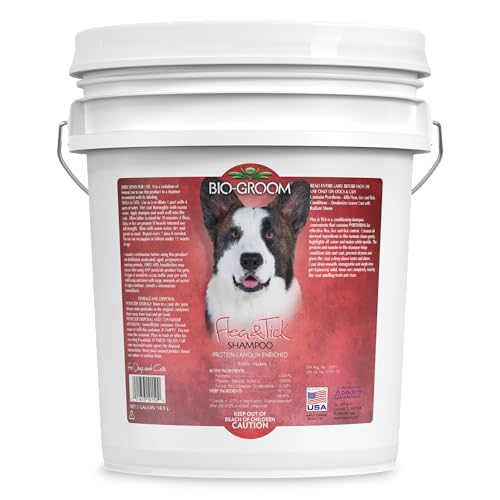
EFFECTIVE FLEA TREATMENT FOR CATS – Our natural, fast-acting Pyrethrin Flea Shampoo provides a strong resistance to insects for both dogs and cats. An effective tick remover for dogs when diluted

KILLS & REPELS. A preventative and a treatment, this plant-powered spray is handcrafted with natural essential oils. Kills mosquitoes, ants, fleas, ticks, roaches, flies, crickets, japanese beetles, no-see-ums, gnats, and more. Safe alternative to conventional pesticide sprays, baits, ant granules, zappers or foggers when used as directed.

LAB PROVEN TO KILL & REPEL BUGS. Plant powered pest protection that works. Meets the same effectiveness standards required for conventional flea and tick yard treatment and preventatives. This pest repellent spray made with plant based active ingredients is proven to protect your pets and family from fleas, ticks, and mosquitoes. Kills flea eggs and adults. An alternative to conventional pesticide sprays and outdoor bug zappers.
Where to Buy Quality Essential Oils
Where can one find quality essential oils that actually work? Start by checking out reputable retailers, both online and in-store. Brands like Young Living, doTERRA, and Plant Therapy offer certified pure oils. When browsing, make certain the oils are labeled 100% pure and organic—no additives or sneaky synthetic ingredients. Health food stores are a goldmine for these, often with friendly staff who can help you navigate the selection. For online shopping, websites like Amazon, Eden’s Garden, and Mountain Rose Herbs provide a variety, complete with customer reviews to guide you. Additionally, always look for third-party testing to verify the oils are potent and pure. After all, you want your insect deterrents to really do their job! Consider using peppermint oil repellents as a natural solution for keeping pests at bay, with effectiveness lasting up to 30-90 days.
Recommended Products

Quality - We produce our Dried Ginger Root essential oil using pure, natural, and raw ingredients.

ETHEREAL ESSENCE- Envelop yourself in the captivating allure of our Age Defy Essential Oil Blend. With a sophisticated blend of woodsy and floral aromas, this scent is an olfactory delight that transcends time. The enchanting fragrance not only pleases the senses but also evokes a serene ambiance.

BEST VALUE - This large gallon container is the best value for DIYers making soaps, candles, lotions, shampoos
Frequently Asked Questions
How to Use Essential Oils to Repel Bugs in Home?
To repel bugs at home, one can create DIY insect repellent using essential oil blends. Incorporating insect-repelling plants provides safe household alternatives for natural pest control while enhancing the environment with their pleasant aromas.
Which Essential Oil Repels the Most Bugs?
Peppermint oil is renowned for its broad-spectrum efficacy in repelling various insects. Additionally, lavender oil, eucalyptus oil, citronella oil, and tea tree oil also provide strong deterrent properties against common household pests, enhancing overall protection.
What Did Native Americans Use to Repel Mosquitoes?
In a hypothetical village, indigenous practices thrived, where native remedies like the smoke of cedar effectively deterred mosquitoes. This mosquito lore showcased herbal techniques emphasizing plant-based repellents, harmonizing with nature’s bounty for protection and wellness.
What Smell Do Bugs Hate the Most in the House?
Bugs detest strong scents, particularly peppermint and eucalyptus, which offer repellent properties. Lavender’s effectiveness and tea tree advantages further enhance deterrence, while citronella candle benefits create a fragrant barrier, warding off unwanted household pests effectively.