As an Amazon Associate, we earn from qualifying purchases. Some links on this site are affiliate links at no extra cost to you. Our recommendations are based on thorough research and editorial judgment.
Diversity in Garden Design for Pest Control

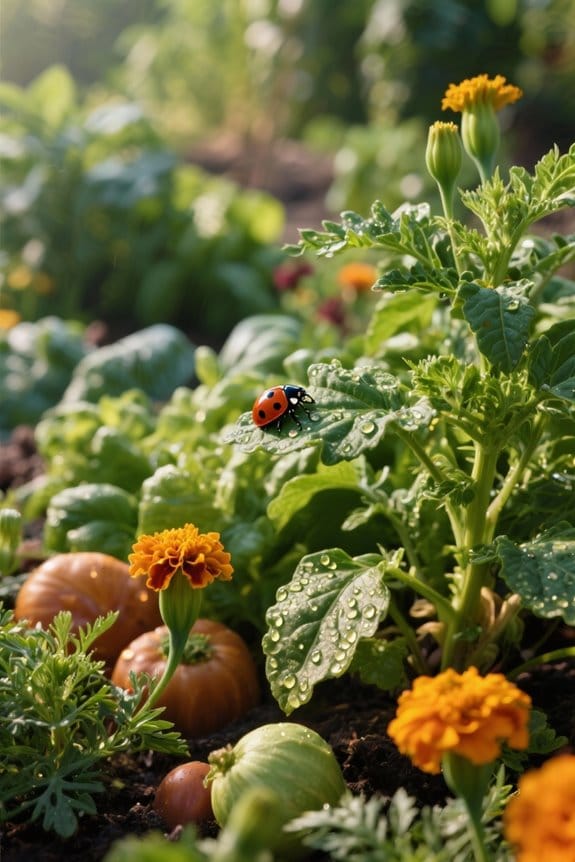
Diversity in garden design is a gardener’s best friend when it comes to pest control. Mixing various plants creates habitats for beneficial insects that keep pesky pests at bay. For example, pairing marigolds with zucchini can stop troublesome root-knot nematodes in their tracks. Herbs like basil and dill not only repel harmful insects but also attract the critters we want around. So, build a lively garden—you’ll not only fend off pests but create a thriving ecosystem. There’s so much more fun to uncover!
Key Takeaways
- Increasing plant diversity confuses pests and makes it harder for them to find food sources, leading to reduced pest populations.
- Mixing companion plants such as herbs and flowers attracts beneficial insects while repelling harmful ones, enhancing natural pest control.
- Including native plants in the garden supports local ecosystems and provides habitats for natural pest controllers, improving overall garden health.
- Continuous blooming flowers ensure a reliable nectar source for pollinators, further supporting the ecological balance and pest management in the garden.
- Utilizing diverse plant species and sustainable practices minimizes reliance on chemical pesticides, fostering a healthier gardening environment.
The Role of Biodiversity in Pest Management
When it comes to creating a thriving garden, biodiversity plays a pivotal role in pest management. Increasing plant diversity helps confuse stubborn pests. When plants vary, pests struggle to identify their food sources. Including flowers, herbs, and vegetables provides habitats for beneficial insects. These allies, like lady beetles and lacewings, become natural enemies to pesky nuisances. Companion planting is another fantastic technique. Fragrant herbs like basil and mint can repel harmful insects while attracting the good guys. This leads to healthier ecosystems and happier gardeners. Plus, a diverse garden reduces reliance on chemical or organic pesticides, promoting a balanced approach. So, mix it up! Your garden will thank you with vibrant blooms and a lively assortment of critters. Introducing beneficial nematodes can further enhance your garden’s health by targeting soil-dwelling pests and promoting ecological balance.
Creating an Ecologically Balanced Garden
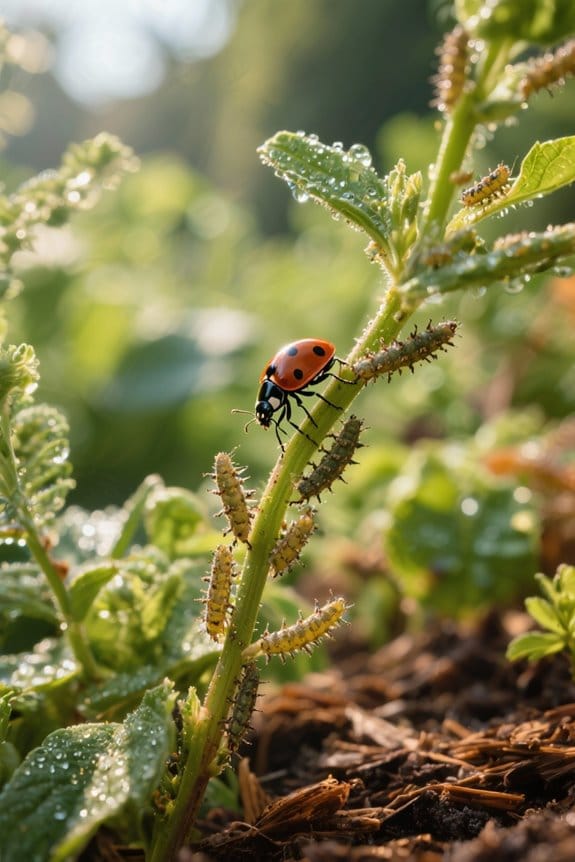
Creating an ecologically balanced garden goes hand in hand with fostering biodiversity. A diverse garden full of different plant species provides essential food sources for beneficial insects. These natural pest controllers, like lady beetles and lacewings, help keep your garden thriving. By incorporating native plants, you create a habitat that supports these valuable allies. Varying plant heights adds structural diversity, making your garden an inviting environment for predators needed for effective pest control. Keep blooming flowers throughout the growing season to guarantee pollinators and helpful insects always have nectar. Remember, skipping chemical pesticides is wise! Keeping predators safe leads to a healthy ecosystem. As they say, “A happy garden is a winning garden!” Your plants will thank you! Additionally, organic pest control solutions generally minimize harm to beneficial insects while effectively managing pests, making them an ideal choice for maintaining garden health.
Inspiring Plant Combinations for Diverse Gardens
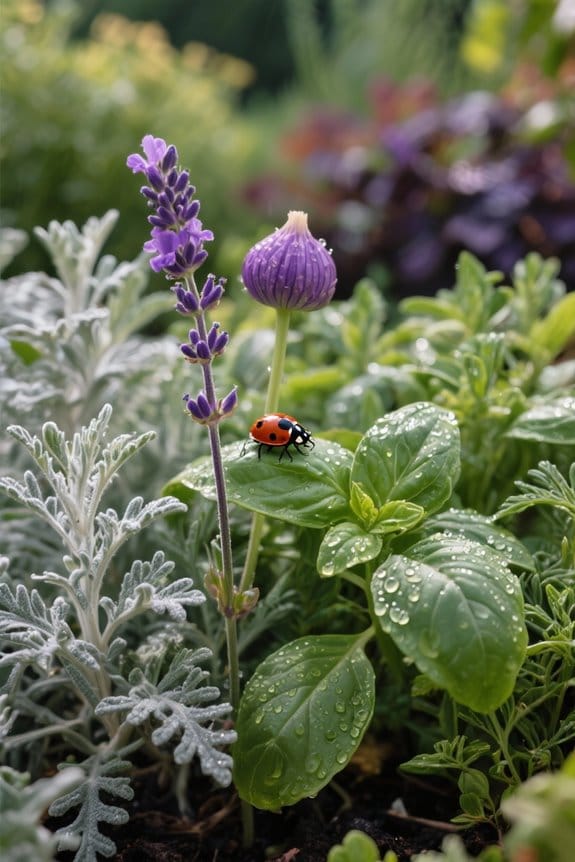
Diverse gardens thrive not just on the variety of plants but on the clever combinations of them. Creating vibrant plant communities is key. Pair herbs like basil and dill with colorful flowers such as marigolds and nasturtiums. These combinations attract beneficial insects, promoting natural pest control. Mixing legumes, brassicas, and flowering perennials works wonders too, confusing pests and reducing populations without harsh chemicals. Consider companion plants like mint and tansy; these deter harmful insects while inviting pollinators. Research shows that planting marigolds near zucchini keeps squash bugs at bay. With a diverse range of native herbs and flowers, gardeners can manage pest outbreaks effectively, enhancing the resilience of their crops. Remember, strategy in planting can lead to a thriving garden! Moreover, organic pest control solutions like Bonide Captain Jacks can be integrated with these plant combinations to protect beneficial insects while focusing on targeted pest management.
Understanding Plant Families to Enhance Biodiversity
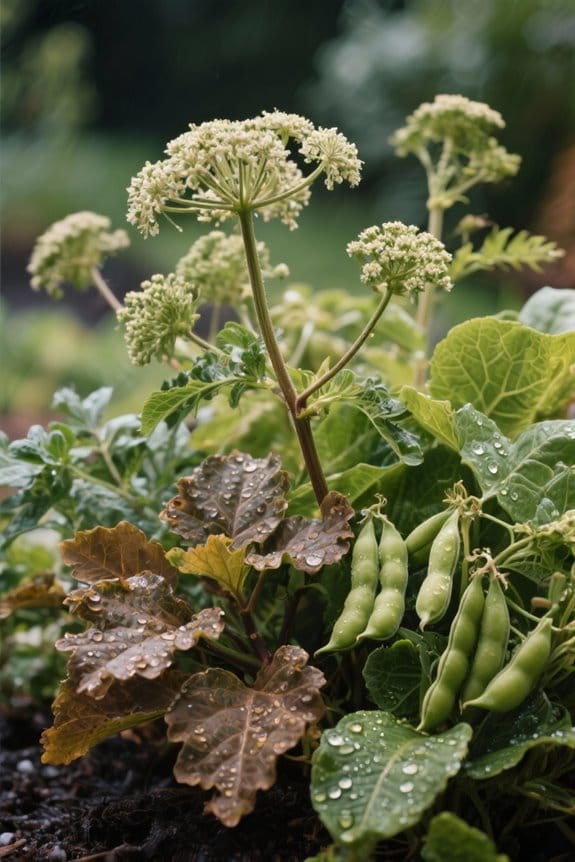
Understanding plant families is essential for cultivating a flourishing garden brimming with biodiversity. By mixing plants from different families, you reduce disease risks. For example, keeping peas away from other legumes keeps unwanted pests at bay. Aim to incorporate at least five of the ten biodiversity plant groups; this attracts beneficial insects, critical players in natural pest control. Think about companion planting, such as adding herbs with your veggies. These plants can confuse pests and lure in helpful critters. A study showed thyme can keep cabbage worms away—who knew? Incorporating beneficial insects like Green Lacewings can also enhance your garden’s health by targeting specific pests and reducing reliance on chemical treatments. So, explore the diversity in your garden. Embrace these families to create a balanced, thriving ecosystem where both plants and insects can happily coexist. Happy planting!
Recommended Products

PREMIUM WESTERN RED CEDAR - Crafted from high-quality Western Red Cedar, naturally valued for its durability, dimensional stability, and attractive appearance in outdoor garden settings.

【Durable Material--0.8mm Thickness】Our metal planter raised bed is made of 0.8mm (22-gauge) thickened galvanized sheet. The wave structure can withstand high pressure without loosening, sturdy enough for long-lasting outdoor use. And the powder coating is not only beautiful but also rust-proof and corrosion-proof, much better protects the flower bed, thereby enhancing its durability

【Durable Material--0.8mm Thickness】Our metal planter raised bed is made of 0.8mm (22-gauge) thickened galvanized sheet. The wave structure can withstand high pressure without loosening, sturdy enough for long-lasting outdoor use. And the powder coating is not only beautiful but also rust-proof and corrosion-proof, much better protects the flower bed, thereby enhancing its durability
The Benefits of Companion Planting
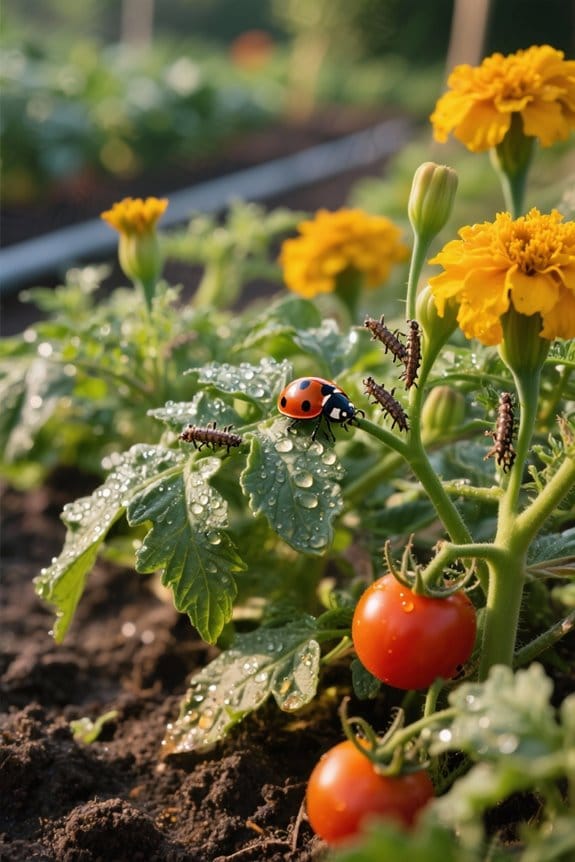
Companion planting offers a wealth of benefits that can transform any garden into a thriving ecosystem. By mixing various plants, you create greater diversity that enhances growth and pest control. For instance, planting marigolds alongside zucchini can fend off pesky root knot nematodes, boosting your harvest. Pairing herbs like basil with flowers is another smart move, as basil repels harmful insects while flowers attract beneficial insects. It’s a win-win for natural pest management! Plus, herbs like dill and cilantro confuse pests, keeping them at bay. With thoughtful experimenting, like adding thyme to deter cabbage worms, you can customize strategies suited to your garden. Insect vacuums provide a humane, effective solution for pest control, making them a valuable tool alongside companion planting. Remember, a little creativity in companion planting can go a long way in preventing garden frustrations!
Recommended Products
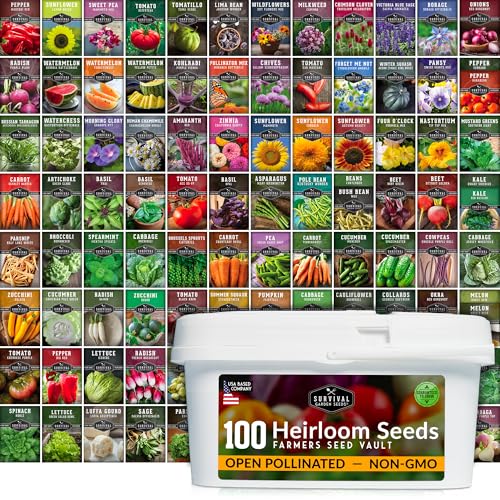
100 HEIRLOOM SEED PACKETS – Bulk collection survival seed vault of non-GMO heritage vegetable, herb, and fruit seeds for planting a self-sufficient Victory Garden in most USDA zones
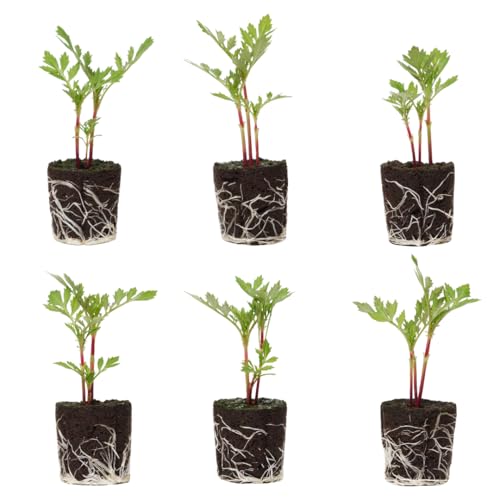
We grow a variety of edible seasonal seedlings (aka plugs/starts/transplants) that will flourish in your soil or hydroponic garden.
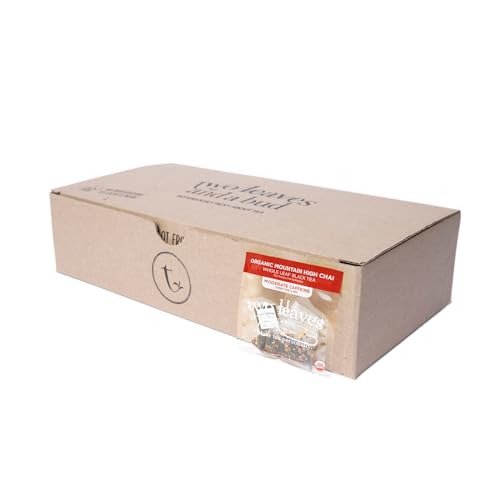
Delicious and Organic Chai Tea Bags - The foundation of this organic chai tea is top-quality, whole leaf black tea. Then we add whole spices like cinnamon, ginger, and cloves for a bold, yet balanced blend.
Designing for Beneficial Insects
Blending a variety of plants brings numerous benefits, and creating a garden environment that attracts beneficial insects is just as important. Incorporating native plants is key, as they provide essential pollen and nectar for these helpful critters. A diverse garden design, mixing different plant forms, offers the habitats beneficial insects need. Plus, grouping plants together saves energy for foraging, making life easier for them. Don’t forget to plan a bloom calendar! This guarantees flowers are available from early spring to late fall. Adding shallow water sources, like terra-cotta saucers with pebbles, helps keep butterflies and bees hydrated. Steering clear of hybrid plants maintains a thriving community of beneficial insects that enhance natural pest control. A wise gardener knows: diversity is the spice of life! For effective pest management, consider using insecticidal soaps that are eco-friendly and safe for use on edible plants.
Practical Tips for Sustainable Gardening
While it might seem challenging to start a sustainable garden, many find that these practical tips can make the process enjoyable and rewarding. Begin by incorporating different plants from at least five biodiversity plant groups. This confusion among pests can greatly reduce disease spread. Raised beds are a great option. They allow greater mixing of different plants and enhance garden health. Implement Environmental Pest Management strategies alongside diverse planting to create natural pest control. After harvesting, fill empty spots with different family plants to maximize yields and keep pests at bay. Avoid planting same-family crops together; this minimizes disease risks. Diatomaceous earth, a chemical-free solution, is an effective addition to your pest management strategy. As they say, “Variety is the spice of life!” Your garden will flourish with a little diversity.
Engaging Your Community Through Biodiversity Gardening
When a community embraces biodiversity gardening, it fosters not just growth but a sense of connection among its members. Organizing events like workshops and plant swaps can turn a simple garden into a vibrant hub for sharing knowledge. By planting native species, gardeners create natural habitats for beneficial insects that help with pest control. More than just beautifying the area, these gardens improve local ecosystems and soil health. Schools and local groups can join this journey, teaching kids the importance of biodiversity conservation. After all, as gardeners often say, “If you want to grow a community, start with a plant!” So, let your community garden flourish—everyone will reap the benefits together! One effective method for maintaining a thriving garden is incorporating Integrated Pest Management practices, which focus on sustainable long-term solutions.
Frequently Asked Questions
What Is the 70/30 Rule in Gardening?
The 70/30 rule in gardening emphasizes achieving ideal garden ratios through appropriate plant arrangement, ensuring nutrient balance by incorporating design strategies that support ecological gardening, thereby enhancing harvest timing and overall garden resilience.
How Does Biodiversity Help With Pest Control?
Amidst a colorful tapestry of flora, biodiversity nurtures ecological balance. Companion planting fosters habitats for natural predators, while pest-resistant plants weave resilience, reducing outbreaks and restoring gardens to harmonious ecosystems thriving with vibrant life.
Does Biodiversity Reduce the Need for Pesticides?
Biodiversity greatly reduces the need for pesticides by fostering natural ecosystems. Habitat diversity attracts beneficial insects, supports organic farming practices, and enhances methods like crop rotation and companion planting, ultimately promoting healthier agricultural systems.
What Is an Example of Cultural Control in Pest Management?
An example of cultural control in pest management includes employing crop rotation, companion planting, and intercropping techniques to enhance landscape diversity and habitat manipulation, fostering natural enemies that mitigate pest populations effectively.


