As an Amazon Associate, we earn from qualifying purchases. Some links on this site are affiliate links at no extra cost to you. Our recommendations are based on thorough research and editorial judgment.


Door and Window Sealing Techniques

Sealing doors and windows is essential for energy efficiency and comfort. Look for visible gaps or drafts, as these can let air escape and raise bills. Use weather stripping or caulk to close those pesky openings. For best results, inspect seams regularly and replace worn seals. A little upkeep can save you big—up to 30% on heating and cooling costs! Curious about other sealing techniques? Keep going to discover more practical tips and tricks.
Key Takeaways
- Use weather stripping, such as adhesive or compression types, to seal gaps around doors and windows effectively.
- Apply sealants like silicone or latex with a caulk gun to fill larger gaps and cracks for better air retention.
- Employ soft rubber gaskets on electrical outlet covers to reduce air leaks in those areas.
- Regularly inspect and maintain seals, replacing any damaged weather stripping or caulk as needed to ensure efficiency.
- Follow a thorough indoor and outdoor sealing process, including removing old materials and applying new sealants for lasting protection.
Importance of Sealing Windows and Doors
When it comes to home comfort, those little gaps around windows and doors can be a big deal. The importance of sealing windows and doors cannot be overstated. Air leaks lead to wasted energy, driving up your heating and cooling bills. By using weather stripping, homeowners can achieve proper sealing, ensuring warm air stays in during winter and cool air during summer. This improves energy efficiency and can make your wallet smile a little wider. Plus, a well-sealed home can keep out unwanted outside pollutants, enhancing indoor air quality. Remember, a happy HVAC system means less maintenance and a longer lifespan. In other words, proper sealing doesn’t just keep the elements out; it adds value to your home too! Additionally, sealing can help prevent the entry of pests, as garden netting and barriers do for flower gardens, providing an extra layer of protection against unwanted intrusions.
Common Signs of Air Leaks
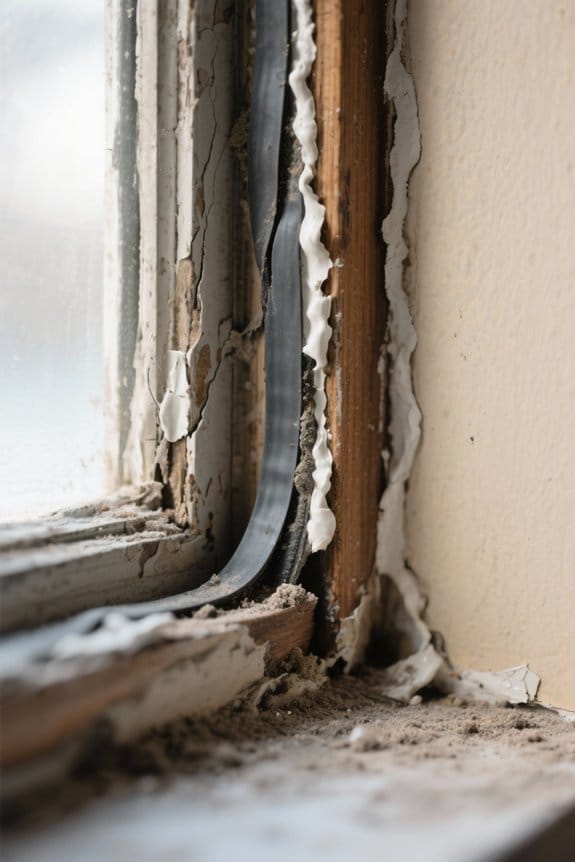
Have you ever wondered if those pesky drafts around your windows and doors might be sneaking in without an invitation? Common signs of air leaks are often found in visible gaps around window or door trim. These openings can allow drafts and energy loss, making your home less comfortable. You may even notice outside odors creeping in, indicating inadequate sealing. Peeling paint around frames can also signal moisture issues from air leaks, requiring a closer look at potential repairs. Regularly checking for these signs can help prevent drafts that contribute to 2%–5% air infiltration in your home. Remember, a little attention to sealing windows and doors now can save big on those energy bills later! Additionally, preventive measures for rodent control such as sealing openings and maintaining cleanliness can also help to deter unwanted pests that may find their way through the same air leaks.
Tools and Materials Needed for Sealing
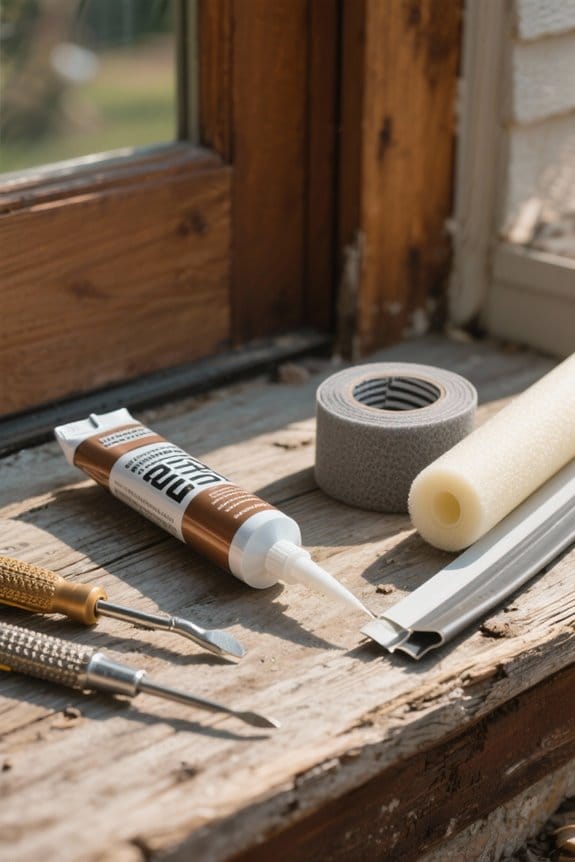
To tackle those pesky drafts effectively, having the right tools and materials is key. Start with weather stripping, which can be either adhesive or compression types. A utility knife and measuring tape will guarantee your cuts are precise and fit perfectly. Don’t forget sealants like silicone or latex, essential for filling those annoying gaps. A caulk gun makes applying sealants easy, giving you even coverage without the mess. When it’s time to remove old materials, a pry bar and putty knife will make your job smoother. Finally, keep some cleaning supplies handy. A clean surface helps adhesive stick, making your sealing efforts last longer. Remember, a well-sealed home can save you money and headaches! Additionally, installing door draft stoppers not only blocks cold air and noise but can also significantly reduce energy costs.
Recommended Products

Flood Protection for Doorways & Small Openings Up to 4 Ft Wide: Designed for front doors, back doors, basement windows, stairwells, and low-level residential entry points prone to flooding.

𝗣𝗥𝗘𝗠𝗜𝗨𝗠 𝗤𝗨𝗔𝗟𝗜𝗧𝗬 𝗦𝗢𝗟𝗜𝗗 𝗣𝗢𝗟𝗬𝗖𝗔𝗥𝗕𝗢𝗡𝗔𝗧𝗘 - Advaning PA Series Incorporates a 80+% UV Protectant, Solid Sheet of Polycarbonate Independently Tested to Hold Loads of 550 lbs. without Shattering - Unlike Similar Products with Hollow Sheets which hold Moisture and Become Brittle Over Time.

Kits include a pair of soft upper doors with latching sliding glass windows
Indoor Sealing Steps
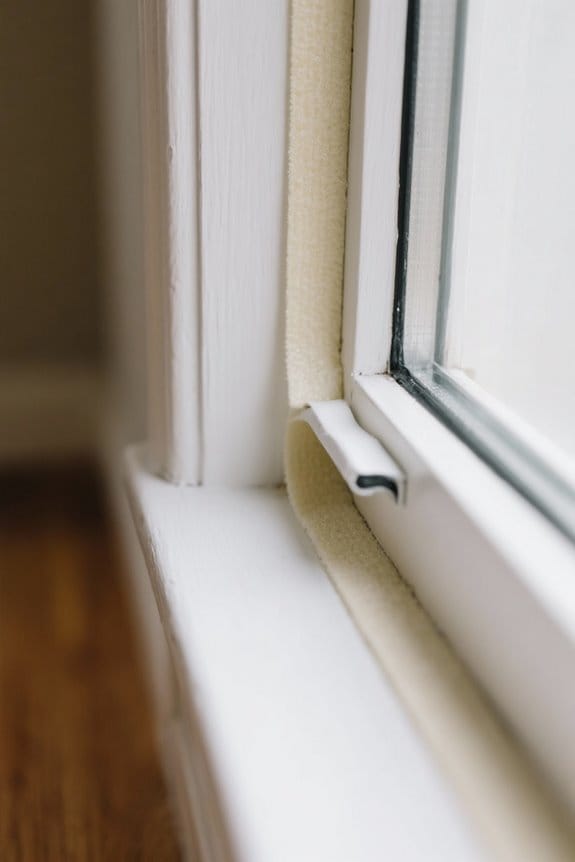
Sealing indoor doors and windows can seem like a challenging task, but fear not! Start by carefully removing the interior trim around your door or window. This allows access to the sealing area without messing up the framework. Next, take out any loose or damaged insulation in the gap. A tight seal is essential! Fill the gaps between the frame and wall with DAP Touch ‘n Seal No-Warp Foam, making sure it fills every nook and cranny. Once it dries, use a utility knife to trim excess foam for a neat finish. Finally, apply DAP Alex Flex Premium Molding & Trim Sealant to address any remaining gaps. Voilà! You’ve enhanced insulation and stopped those sneaky drafts! For optimal pest control, consider using eco-friendly options like Wondercide, which are safe for indoor environments and non-toxic to children and pets.
Outdoor Sealing Steps
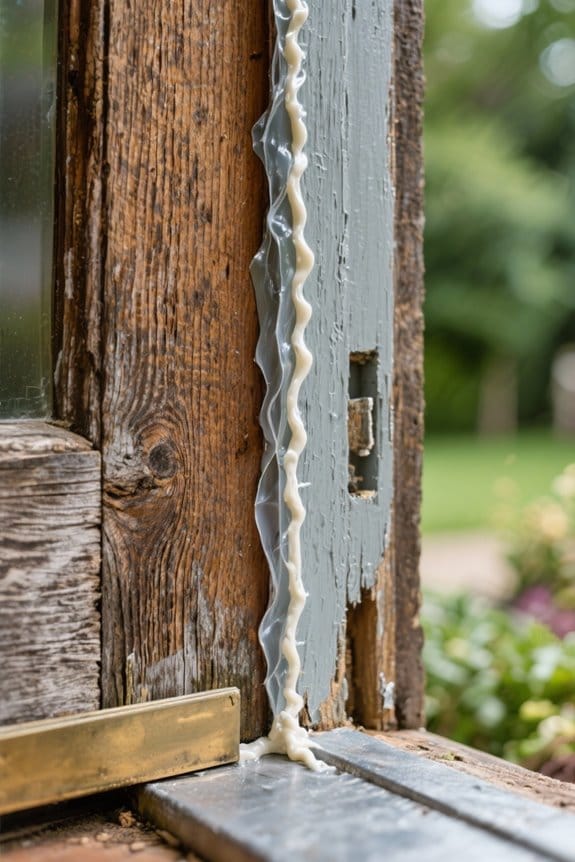
Wondering how to protect your home from the elements? Start with a thorough inspection around your doors and windows. Look closely at the gaps between the window frame and siding. Remove any old sealant to guarantee the new one sticks well. Fill in gaps and cracks that are no wider than 2 inches and ½ inch deep. A product like DAP Dynaflex Ultra Advanced Exterior Sealant works wonders here. After sealing, wipe away any excess with a damp cloth. This keeps things tidy and helps the sealant cure properly. Don’t forget, you can paint over it in about an hour! Finally, check your work after bad weather—keeping everything properly sealed is key for long-lasting protection. Additionally, ant bait stations can be strategically placed near doors and windows to prevent ant infestations that could compromise your sealing efforts.
Recommended Sealants and Products
When it comes to sealing windows and doors, choosing the right product can make all the difference. For a reliable seal, the DAP AMP Advanced Waterproof Window Sealant is a top choice due to its 100% weatherproof formula. If durability is your goal, DAP Dynaflex Ultra offers all-weather protection and mold resistance. To seal any gaps effectively, No Warp Window & Door Sealant, a premium expanding foam, guarantees a long-lasting finish. DAP Dynaflex 230 Sealant is perfect for flexibility and waterproofing around windows and doors. Don’t forget about weatherstripping for a snug fit! Plus, using the right applicators can help you caulk to seal with precision. These recommended sealants will make your home more energy efficient and comfortable. For additional pest control measures, consider using Ortho Home Defense Max Indoor Insect Barrier for its effective pest protection and ease of application.
Recommended Products

Welcome to a Spacious Sun Room - The Domi wall-mounted sunroom beckons with a generous interior space, measuring 20.4ft in length, 12ft in width, and 8.4ft in height. This expansive room is designed to create the ideal environment for relaxation and entertainment, allowing you to bask in natural light while enjoying moments of leisure and socializing.

All-Weather Durability: Pro-Tect tested and proven to withstand up to 4,200 pounds or 30 inches of snow load, and winds up to 100 mph (product must be anchored as specified in the Backyard Discovery instruction manual)
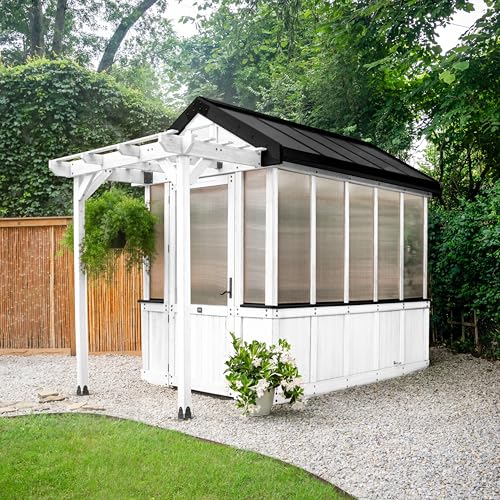
All-Weather Durability: Pro-Tect tested and proven to withstand up to 3,700 pounds or 30 inches of snow load, and winds up to 100 mph (product must be anchored as specified in the Backyard Discovery instruction manual); Patent pending
Techniques for Sealing Windows
No one enjoys the chill of winter sneaking through drafty windows. To effectively seal windows and doors, start by identifying irregularly shaped gaps. Use foam tape for these tricky spots; it’s a simple DIY project that can block unwanted drafts. For non-operable windows, apply temporary caulking in winter, but remember to remove it come spring to restore functionality. When sealing your windows, it’s essential to install weatherstripping on movable parts for a snug fit. For double-hung windows, adhesive-backed foam weather stripping works wonders along the sashes. If faced with large gaps between frames and walls, don’t despair—consider using a backer rod before caulking. With these techniques, winter’s chill will be less of a nuisance! To ensure your home remains comfortable and pest-free, consider non-toxic and pet-safe gel baits for an additional layer of protection.
Recommended Products

CAN REPLACE MECHANICAL FASTENERS - eliminate drilling, grinding, refinishing, screwing, spot welding and clean-up in many applications
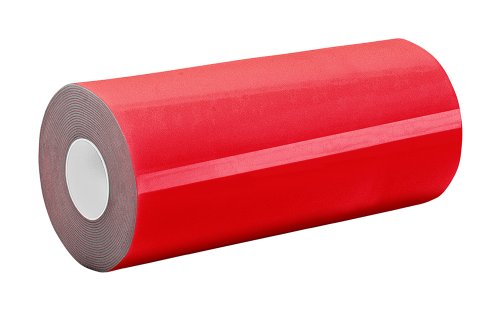
Eliminates drilling, grinding, refinishing, screwing, welding, and clean-up

Premium Aluminum Frame & Glass OptionsOur circular window features a sturdy aluminum frame available in black/white, paired with 5mm tempered glass in three stylish options: crystal clear for unobstructed views, fluted for privacy, or wavy for artistic light diffusion - combining durability with aesthetic flexibility.
Techniques for Sealing Doors
Sealing doors is just as important as tackling those pesky drafty windows. A door sweep at the bottom of exterior doors is essential. It blocks cold air and guarantees a tight seal with the threshold. Additionally, applying weatherstripping to the sides and top of door frames creates an airtight seal that boosts energy efficiency. Foam tape can fill in those tricky uneven gaps around doors, reducing air leaks considerably. Remember, the door sweep should glide over the threshold smoothly; if it’s dragging, something’s off! Consider adding extra weatherstripping around doorjambs for an even more comfortable home. All these steps will keep the warmth in and the chill out, making you feel right at home—even when it’s freezing outside! Using eco-friendly pest control options can also contribute to a safer and more sustainable home environment while sealing doors effectively.
Recommended Products

[Super High Quality Rubber] – Rubber Sheet Warehouse is a leading global distributor of rubber products with over 30 years of experience. Our rubber is manufactured right here in the USA and our quality is second-to-none. We fulfill orders for all shapes and quantities.

Complete Installation Kit: each package includes a roll of 40 in X 90 ft roll-up garage door insulation material in a crisp white color, extra-long heat-resistant double-sided tape and seam tape, screws and matching washers, and a utility knife; These elements ensure fit for your garage door

Long Enough for Adjustment: the door weather stripping measures about 0.57 inch in width, long enough to meet your needs of door's cutout, which is flexible to fit the slots from 0.35 inch to 0.59 inch; The door window weatherstrips are suitable for slots from 0.35 inch to 0.59 inch and not contain adhesive; Please confirm the slot you need to seal before ordering
Addressing Other Air Leaks
Although many homeowners focus on windows and doors, other sneaky air leaks can wreak havoc on energy efficiency. Electrical outlets can contribute to 2%–5% of air infiltration. Sealing them is a simple DIY project. Just install soft rubber gaskets over the covers to keep the cold air out.
Don’t forget wall penetrations for cables, vents, and pipes—those guys need sealing, too! Use foam to prevent air from sneaking in. Check your chimneys, flues, and ducts; they can be major culprits. High-temperature caulk is your best friend for sealing gaps around chimneys—this will guarantee a proper seal that withstands heat. Consider using professional strength aerosol sprays like Pro Strength Adhesive Remover Aerosol for quick action on stubborn residues during sealing projects. A little attention to these areas can considerably boost your home’s energy efficiency. So, get sealing!
Recommended Products

BUILDING CODE COMPLIANCE – seals openings through fire barriers where mechanical services pass through

KIT INCLUDES: One 5 Gallon of Black Waterproof Sealant, One 4 pack of 10.2 Ounce Caulk, and One Roll of 4"x50' Seam Tape. PROTECTIVE FINISH FOR - Flat roofs, metal roofs, sloped roofs, planter boxes, foundations, sheds, basements, metal, wood, concrete and more.

TESTED AND LISTED: For through-penetrations up to 3-hours in accordance with ASTM E814 (UL 1479) and CAN/ULC S115. Provides L-Rating (smoke seal)
Maintenance for Sealed Windows and Doors
Maintaining sealed windows and doors is a task that often gets overlooked, but it can make a world of difference in your home’s comfort and energy bills. Regularly inspect the weather stripping around each window or door for wear or damage. Even minor deterioration can lead to air leaks that inflate energy costs. Aim to check the seals at least twice a year, especially during seasonal changes. Clean away dust and debris to help the sealing materials function effectively. If you spot cracks in caulking, reapply sealant to prevent moisture intrusions. Remember, neglecting maintenance could increase heating and cooling costs by up to 30%. A little care now saves a lot on your bills later!
Related Home Improvement Projects
When it comes to home improvement, a little effort can go a long way. Tackling related projects can further boost your home’s energy efficiency. Consider winterizing windows and doors by sealing gaps with the right sealant and adding insulation. It’s like putting a cozy blanket over your home! Insulating rim joists and stud wall cavities addresses those sneaky heat losses. Glazing windows and restoring tired frames can enhance both appearance and efficiency—talk about a two-for-one deal! For DIY aficionados, using lightweight spackling and joint compounds helps with those finishing touches. Remember, enhancing your home doesn’t have to feel overwhelming; think of it as sprucing up your living space while saving on energy bills—everyone loves that! For homes with pets and children, using tamper-proof designs in your pest control methods can ensure safety while maintaining effectiveness.
Frequently Asked Questions
How to Properly Seal Doors and Windows?
To properly seal doors and windows, one should compare insulation materials, select suitable weather stripping options, use appropriate adhesive sealant types, apply DIY sealing techniques, and incorporate seasonal maintenance tips while avoiding common sealing mistakes for improved efficiency.
What Is the Best Sealant for Around Windows and Doors?
“Don’t put all your eggs in one basket” when selecting the best weatherproof sealant around windows and doors. Consider durability, environmentally friendly options, application techniques, and common sealing mistakes to guarantee a cost-effective, successful project.
How to Make Windows and Doors Airtight?
To make windows and doors airtight, utilize effective weather stripping materials, implement proper window installation techniques, correct common sealing mistakes, and explore door insulation options along with moisture control solutions for ideal energy efficiency tips.
How to Seal Drafts Around Doors and Windows?
To seal drafts effectively, use draft detection methods to identify gaps, apply weather stripping types, consider adhesive tape options, utilize insulation foam, employ caulking tips and techniques, and enhance insulation with thermal curtains for ideal results.