As an Amazon Associate, we earn from qualifying purchases. Some links on this site are affiliate links at no extra cost to you. Our recommendations are based on thorough research and editorial judgment.

Climate Change Effects on Pest Ranges

Climate change is shaking up pest populations. Pests like the codling moth are coming out earlier, sometimes nearly a month sooner! Warmer weather helps them survive better and spread further. Farmers face tougher battles with these bugs, spending more on insecticides to protect their crops. It can feel frustrating, but by adopting better pest management practices, you can fight back. Curious about how to tackle these challenges? There’s more to explore on strategies that work!
Key Takeaways
- Climate change leads to earlier pest emergence, with pests appearing up to 28 days sooner in spring than in previous years.
- Warmer conditions expand overwintering areas for pests, complicating pest management efforts for farmers.
- Increased temperatures enable pests to reproduce more generations per season, heightening their potential for crop damage.
- Climate change contributes to the rise of pesticide resistance, exacerbating economic losses for farmers and necessitating new management strategies.
- Engaging local communities in pest monitoring and management enhances resilience against climate-induced pest outbreaks.
Overview of Climate Change and Insect Pests
As climate change continues to alter our environment, its impact on insect pests is becoming increasingly evident. Climate warming is allowing pests, like the codling moth and peach twig borer, to appear earlier in spring. Imagine that! In just a few decades, these pests could pop up nearly 28 days sooner than before. This means farmers might battle increased pest populations and shorter crop cycles, leading to rising production costs. Range shifts due to warming are also expanding the overwintering areas of pests, making pest management strategies tougher. Invasive species may swoop in, outcompeting native pests and creating chaos. While the challenges are real, residual insecticides typically last from weeks to months, offering a potential tool in developing adaptive pest management practices to counteract these shifts. After all, “Where there’s a will, there’s a way!”
Mechanisms of Pest Range Expansion

Understanding the mechanisms behind pest range expansion can feel like unraveling a complex puzzle, but it’s essential for effective pest management. Climate change leads to increased temperatures, allowing pest species like the diamondback moth to expand their geographic range dramatically. Warmer conditions disrupt their life cycles, making them emerge earlier, sometimes up to 28 days sooner. This change means more time for population growth and a greater chance of year-round survival. Pests once seasonal now become permanent residents, creating new challenges. Surprisingly, 94% of significant pests respond to climate warming. While this sounds alarming, being aware of these patterns can help in managing pest outbreaks effectively. After all, knowledge is your best pesticide! Additionally, using eco-friendly products like Summit Mosquito Dunks can help target pest life stages effectively without harming the environment.
Impact on Agricultural Production

Crop production faces tough challenges as climate change alters pest dynamics. Rising temperatures are set to bring pests like the codling moth and peach twig borer earlier each spring. Imagine a pest party that starts 28 days ahead of schedule—far from fun for farmers! This early emergence disrupts pest management, forcing growers into more frequent interventions. The economic impact of climate change on agriculture and food is significant, especially for walnut and peach industries in California. More pests mean higher costs for insecticides and management practices. As these pests multiply quicker, specialty crop damage could soar, threatening sustainability. While the challenges are real, adapting strategies can help farmers navigate these tough waters. It is crucial for farmers to combine multiple products for effective pest control, as different methods can enhance results and lead to a quicker resolution for severe infestations. Stay informed, and you’ll steer through!
Recommended Products

CONTROLS MANY INSECTS IN MANY SETTINGS - This insect treatment spray controls caterpillars, leafminers, codling moths, tent caterpillars, gypsy moths, trips, borers, fire ants, and more. This pest control can be used on outdoor ornamentals, lawns, vegetables, and with citrus and fruit trees.
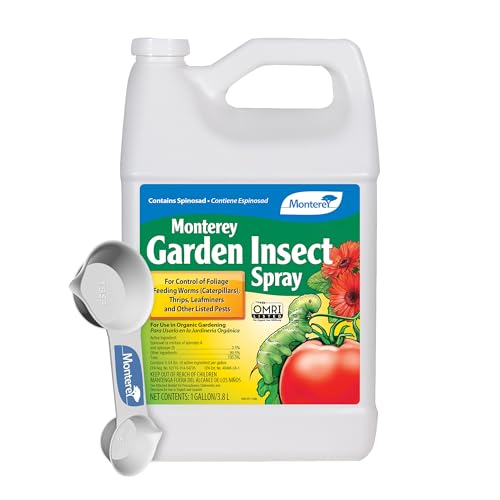
CONTROLS MANY INSECTS IN MANY SETTINGS - This insect treatment spray controls caterpillars, leafminers, codling moths, tent caterpillars, gypsy moths, trips, borers, fire ants, and more. This pest control can be used on outdoor ornamentals, lawns, vegetables, and with citrus and fruit trees.

KILLS & REPELS. A preventative and a treatment, this plant-powered spray is handcrafted with natural essential oils. Kills mosquitoes, ants, fleas, ticks, roaches, flies, crickets, japanese beetles, no-see-ums, gnats, and more. Safe alternative to conventional pesticide sprays, baits, ant granules, zappers or foggers when used as directed.
Changes in Pest Biology and Ecology

Climate change isn’t just a nuisance for farmers; it’s shaking up the entire biology and ecology of pests. Rising temperatures lead to earlier seasonal appearances. Pests may emerge up to 28 days earlier, which can be a real headache! These “range expansions” allow pests like the codling moth to thrive, creating more generations in a single season. Almost all studied insect pests are feeling the heat, with many showing increased damage potential. Changes in their life cycles and interactions with other species also affect ecosystems. While this presents challenges, understanding these dynamics is vital for effective biological control measures. Remember, with awareness and adaptation, we can tackle these pests together! Additionally, organic pest control solutions provide eco-friendly options to manage these expanding pest populations without harming beneficial insects.
Economic Implications for Farmers

As farmers face the growing impact of pests, financial challenges begin to mount. Rising pest populations, like the codling moth in California, threaten millions in crop damage. Increased pest control efforts are necessary but come with higher costs. For instance, using more insecticides to combat pests like the peach twig borer means more spending. This economic impact can strain specialty crop growers and affect jobs in agriculture. Thankfully, awareness can lead to preventive measures. Investing in sustainable practices today can help mitigate future losses. Additionally, considering non-toxic options such as traps can help manage pest populations without harmful chemicals. Remember, while pests may be pesky, farmers have the power to adapt. “Every cloud has a silver lining!” With smart strategies, they can weather these challenges and keep their farms thriving.
Recommended Products

What We Catch – Attracts and traps mosquitoes, biting flies, house flies, moths, no-see-ums, June beetles, wasps, yellow jackets, stink bugs, gnats, and biting midges

✅ Specifically Designed for Moles – Identical to our top-rated gopher traps but sized perfectly for mole tunnels (2" W × 1" H × 4.5" L).
✅ Powerful & Humane Gopher Control – Designed to instantly eliminate gophers directly in their tunnels. No bait required, just effective trapping every time. These traps are NOT for use on moles!
Adaptive Pest Management Strategies
While pests may seem like an insurmountable challenge, farmers can turn the tide with adaptive pest management strategies. Global warming brings about shifting pest patterns, like the oriental fruit moth appearing earlier in the season. It’s essential to adjust monitoring methods and trap placements based on these changes. Planting pest-resistant crops helps too. Think about it: a fortified orchard can mean fewer pests! By enhancing forecasting and combining biological controls with traditional pesticides, farmers can effectively manage pest populations while minimizing environmental harm. Utilizing beneficial insects enhances sustainable gardening practices and reduces the reliance on harmful chemical pesticides. Collaboration with research institutions turns complex findings into practical solutions. So, embrace these strategies, and remember: a stitch in time saves nine—address pests before they become a full-blown invasion!
Recommended Products

Organic

SUPER CONCENTRATE MAKES 1,000 GALLONS - Earth's Ally 3 in 1 Plant Spray Super Concentrate creates 1,000 gallons of multi-purpose pest and fungus spray that works as an insecticide, miticide and fungicide. The formula effectively controls insects and common plant diseases with a synergistic blend of botanical oils.

𝐏𝐨𝐰𝐞𝐫𝐟𝐮𝐥, 𝐀𝐥𝐥-𝐏𝐮𝐫𝐩𝐨𝐬𝐞 𝐏𝐞𝐬𝐭 𝐂𝐨𝐧𝐭𝐫𝐨𝐥: Eliminator Insecticide and Fungicide Concentrate tough away and controls mildew, fungus, mold, aphids, spider mites, whiteflies, fungus gnats, thrips, mealybugs, flies, and more – ideal for gardens, crops, greenhouses, and residential spaces.
Role of Biodiversity in Pest Control
In the ongoing battle against pests, biodiversity serves as a powerful ally for farmers. Diverse crops can confuse pests, making it harder for them to find their favorite foods. This naturally lowers pest populations and protects crops. Studies reveal that higher plant diversity can cut pest numbers by up to 50%. That’s a huge win! Integrated pest management approaches, like crop rotation and intercropping, harness biodiversity effectively. This not only enhances resilience but also reduces the need for chemical pesticides. Remember, more natural enemies, like predators and beneficial insects, mean fewer pests to worry about. Released beneficial insects like Green Lacewings and Ladybugs can drastically reduce pest populations by targeting specific pests. As they say, “Nature is the best farmer.” Embracing biodiversity isn’t just smart; it’s your secret weapon against pests!
The Importance of Research and Data
When tackling the complex issue of pest management in a changing climate, understanding research and data proves essential. Studies show that 94% of important pest species are responding to warming temperatures. This means predicting their behavior requires smart research and accurate data. The mixed responses of 55% of assessed species show why local conditions matter. For example, the diamondback moth’s survival can be explained by winter temperatures. So, if we discern these climate variables accurately, we can tackle pest problems better. Historical trends of warming remind us: knowledge is power! By gathering robust data, farmers and scientists can develop resilient strategies, ensuring that pests don’t take over the farm while we’re busy trying to play catch-up. Additionally, organic pest control solutions provide an eco-friendly approach, reducing risks to beneficial insects and the environment.
Climate Change and Pesticide Resistance
As climate change continues to shift pest behaviors, it also plays a significant role in increasing pesticide resistance. The diamondback moth, for example, has evolved to resist over 97 different insecticides, leading to substantial economic losses in agriculture. This is no small issue—think $4-5 billion annually!
With pests adapting to become permanent residents instead of transient visitors, pesticide resistance rises. Warmer temperatures allow these pests to thrive year-round, making it easier for them to resist pesticides. Each 1°C increase could expand the diamondback moth’s range by about 2.2 million km. While these challenges may feel overwhelming, understanding them helps develop effective strategies for pest management. After all, knowledge is power, especially in the face of pesky foes! Additionally, slow-acting ingredients in cockroach control solutions allow for spreading among colonies, making them effective even in changing climates.
Recommended Products

BROAD-SPECTRUM CONTROL – Fast-acting insecticide concentrate for ants, spiders, and other nuisance pests. Delivers quick knockdown with residual control for indoor and outdoor pest management, including home perimeters, garages, basements, and entry points.

ALL-IN-ONE INSECTICIDE: Professional product begins working within minutes of exposure backed by multiple active ingredients.

Controlled Release Insecticide: Broad-spectrum power, controlling insects inside and outside; SmartCap microencapsulation technology delivers a long residual and a mobile lethal dose that will attach to and move with the insect
Community Involvement in Pest Management
Community involvement in pest management is vital for effective agricultural practices. Engaging local communities helps tackle the challenges pests face, especially with climate change stirring things up. When locals monitor pest populations, they can spot outbreaks early and guarantee timely responses. By embracing Integrated Pest Management, farmers blend local knowledge with scientific insights, creating tailored solutions. It’s like cooking; you mix the right ingredients for a delicious dish! Collaborative efforts can even lead to developing pest-resistant crops, promoting local adaptation against unpredictable pest dynamics. Educational outreach initiatives involving communities are significant too. They spread the word about climate-smart pest management strategies and motivate everyone to join in. Humane traps ensure the safety of captured animals, promoting ethical pest control while addressing pest issues with minimal harm. So let’s roll up our sleeves and work together for a thriving agricultural future!
Future Directions for Pest Management Under Climate Change
Steering the future of pest management requires a blend of innovation and adaptability. Farmers must adjust practices according to shifting climatic conditions. For example, trapping dates need to change to catch early risers like the oriental fruit moth. Planting pest-resistant crops is a smart move to reduce pest impacts while boosting crop production. Monitoring pest movement can help identify those pesky critters before they become a major problem. Building models to predict pest ranges will lead to proactive strategies, not just reactive ones. Collaboration among researchers, farmers, and agricultural stakeholders is essential. By sharing knowledge and strategies, they can navigate the challenges of pests in a warming world. After all, teamwork makes the dream work!
Recommended Products


CLOTHES MOTH TRAPS – Pheromone-infused sticky boards attract and trap clothes moths in closets, wardrobes, and drawers; each pack contains 6 pre-baited traps for effective moth control.

CONTAINS ATTRACTANT: Attracts and traps moths and other pests
Frequently Asked Questions
How Can Home Gardeners Prepare for Emerging Pest Threats?
Home gardeners can prepare for emerging pest threats by selecting pest resistant plants, practicing seasonal planting, maintaining soil health, and employing integrated practices that combine crop diversity, organic methods, and diligent monitoring of pest populations.
What Role Do Predatory Insects Play in Pest Management?
Predatory insects are integral to pest management, utilizing predator-prey dynamics in biological control strategies. They stabilize insect population fluctuations, contributing considerably to ecosystem balance importance by naturally regulating pest populations and reducing reliance on chemical controls.
How Do Pests Adapt to Urban Environments Due to Climate Change?
In a city transformed by rising temperatures, pests adjust rapidly. Urban pest behaviors showcase climate adaptability traits, shifting migration patterns amidst city heat islands, as they thrive in human environments once deemed inhospitable.
Are There Natural Pest Control Methods That Work Effectively Against New Pests?
Natural pest control methods, such as biological control, companion planting, microbial agents, and pheromone traps, can effectively combat new pests. These strategies harness ecological relationships, promoting balance in ecosystems while minimizing chemical usage.
How Does Climate Change Impact Pest-Related Human Health Risks?
Ironically, as climate warms, pests thrive, increasing pest-borne diseases. This vector adaptation poses severe public health implications. Building climate resilience becomes essential for mitigating health risks linked to shifting pest populations and their evolving threats.