As an Amazon Associate, we earn from qualifying purchases. Some links on this site are affiliate links at no extra cost to you. Our recommendations are based on thorough research and editorial judgment.

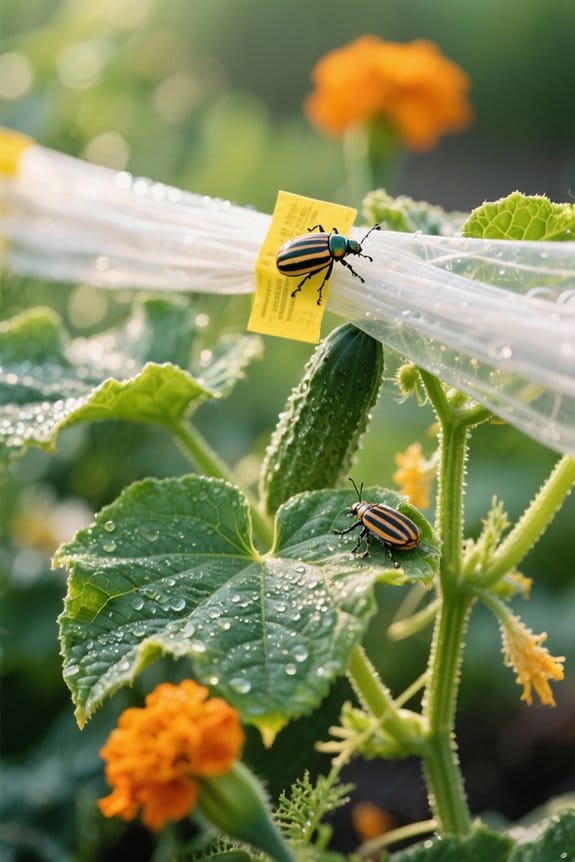
Cucumber Beetle Prevention Strategies

Cucumber beetles can wreak havoc in your garden, but don’t fear! Start by inspecting your plants for the telltale yellow-green bodies with spots and those pesky “shot-holes” on leaves. Use reflective plastic to repel these sneaky pests and consider floating row covers to shield young plants. Crop rotation disrupts their life cycle, while beneficial nematodes serve as tiny pest snatchers. Keep an eye out, and you’ll be on your way to a healthier garden before you know it. Curious about more tips?
Key Takeaways
- Start monitoring for cucumber beetles in early spring, checking for distinctive yellow-green bodies with black spots or stripes and signs of feeding damage.
- Implement crop rotation to disrupt cucumber beetle life cycles and reduce their populations in your garden.
- Use reflective plastic or floating row covers to repel beetles while protecting young plants and allowing pollinator access.
- Plant perimeter trap crops to divert cucumber beetles away from main crops, enhancing overall pest control effectiveness.
- Apply organic insecticides like pyrethrin or neem at the right times, ensuring multiple applications for sustained control throughout the growing season.
Understanding Cucumber Beetle Biology
Cucumber beetles might seem like tiny pests, but they can wreak big havoc on your garden. These pesky insects, including striped and spotted varieties, love munching on cucurbit plants. After hibernating in crop residues, adults emerge in June to lay beetle eggs at the plant’s base. Once those eggs hatch, the larvae damage roots, leading to weakened plants. The striped cucumber beetle is particularly sneaky, often carrying bacterial wilt, which can wilt your young plants when temperatures drop. While older plants can survive some damage, younger ones are at higher risk of yield loss. Understanding cucumber beetle biology is key to managing cucumbers effectively and protecting your precious garden from significant losses. It’s essential to consider organic pest control solutions to minimize harm to beneficial insects while managing cucumber beetles. Remember, a little prevention goes a long way!
Identifying Cucumber Beetle Infestations

Recognizing the signs of cucumber beetle infestations is key to keeping your garden healthy and thriving. These pesky beetles emerge in early spring, making regular checks vital. Look for their distinctive yellow-green bodies with black spots or stripes while inspecting your cucumber plants. If you see “shot-holes” on the leaves, that’s a sure sign of trouble. Don’t forget to check the undersides of leaves, where beetles like to lay their eggs. Being vigilant during early spring and summer will help catch infestations before they wreak havoc. A little watchfulness goes a long way! After all, as they say, “An ounce of prevention is worth a pound of cure!” Keep those beetles at bay, and your plants will thank you. It’s also important to consider organic pest control methods that are safe and effective, ensuring your plants remain healthy without harmful residues.
Natural Enemies and Biological Controls

The garden can feel like a battlefield when cucumber beetles appear, but nature has its soldiers ready to help. Natural predators, like wolf spiders and ground beetles, play an essential role in biological control. These allies can considerably reduce cucumber beetle feeding on cucurbit plants. A diverse population of predators is crucial for effective pest management, especially in organic farming systems. You can also count on parasitoids like tachinid flies and braconid wasps, which specifically target striped cucumber beetles. Additionally, consider beneficial partners such as fungal pathogens and entomopathogenic nematodes, which can combat beetle larvae. By embracing these natural enemies, you can establish a more sustainable and effective approach to controlling cucumber beetle populations without heavy reliance on chemicals. Introducing beneficial insects enhances sustainable pest management, reducing the need for chemical pesticides and promoting a balanced ecosystem.
Effective Organic Cultural Controls

Taking proactive steps can greatly reduce the chances of cucumber beetle infestations in your garden. One effective method is laying down reflective plastic. This simple trick confuses and repels beetles, helping your plants flourish. Utilizing crop rotation also disrupts the beetle’s life cycle, making it hard for them to thrive year after year. Don’t forget about floating row covers; these protect young plants without blocking pollinators. You can also use perimeter trap cropping, where you plant attractive cucurbit varieties around your primary crops—think of it as a buffet for the beetles, leaving your main harvest safe. For additional protection, consider using organic pest control solutions like Bonide Captain Jacks, which is effective against a wide variety of insects while being safe for beneficial species. Remember, a mix of these strategies is your best bet for effective pest control! Happy gardening!
Recommended Products

🌞 Boosts Light Levels by up to 70% The built-in reflective Light-Booster lining amplifies available sunlight and reflects it back onto your plants—improving photosynthesis and boosting growth. Healthier, more robust plants are just a step away.

Permaflect can be wiped clean for long-lasting reflectivity

US Energy Products - 4' x 8.5' Roll (34 Sqft)1/4 inch Double Sided Metalized Foam Core Insulation
Utilizing Physical and Mechanical Control Methods

Effective cultural controls set the stage for further pest management. To control cucumber beetles, consider employing various physical and mechanical methods. Start by using beneficial insect netting as a physical barrier around young plants to protect them while still allowing light and moisture in. You can also apply diatomaceous earth around the base of plants. This creates an abrasive barrier that deters cucumber beetle movement. Additionally, placing cucumber beetle traps and lures early in the season helps monitor and capture adult beetles before they multiply. Finally, row covers provide another layer of protection for the most vulnerable plants. Some gardeners prefer iron phosphate-based solutions as they offer a non-toxic approach effective against many pests. With these strategies, you’d be well on your way to having a thriving garden without pesky cucumber beetles!
Recommended Products

BULK ROLL - The extensive 5ft x 4920 ft of plant netting trellis provides coverage for large-scale gardening projects, ensuring comprehensive support for a variety of growing setups whether for personal garden use or commercial.

PROFESSIONAL BULK ROLL FOR LARGE-SCALE GROWING - This 4ft x 3280ft (48" x 39,360") trellis netting roll delivers over 15,000 sq ft of continuous plant support, mounted on a sturdy cardboard reel for tangle-free unrolling and precise cuts. The 4ft width is sized perfectly for standard raised beds, indoor grow tents, and low-profile horizontal scrog applications. Thermoplastic product subject to +/-5% variations in size.

Spacious Crop Cages- Our ultra long tunnel crop cage measures 12.3 feet in length and 4.1 feet in width, with height options of 4.1 feet or 6 feet. the weight is around 16 pounds,easy to carry and portable,designed to cover large raised beds
Organic Chemical Control Options
While enjoying the thrill of a blossoming garden, few things can be as frustrating as dealing with cucumber beetles. For those seeking organic solutions, several effective organic insecticides exist. Pyrethrin and neem are powerful choices, but multiple applications might be necessary to keep those pesky beetles at bay. Azera combines the strength of both, providing a dual-action you can trust. Just be mindful—while pyrethrin is effective, it can also affect helpful garden insects. Consider biological control options, like Beauveria bassiana, though results may vary in the field. Products like Pyganic® and BotaniGard® MAXX can also be used, with pricing that ranges considerably. Remember, a little patience and persistence can lead to a flourishing garden free of cucumber beetles! For comprehensive pest control, Natria insecticidal soaps offer affordability and effectiveness, maintaining safety until harvest day.
Recommended Products

Easy to apply and can be use around humans and pets

CONTROLS MANY INSECTS IN MANY SETTINGS - This insect treatment spray controls caterpillars, leafminers, codling moths, tent caterpillars, gypsy moths, trips, borers, fire ants, and more. This pest control can be used on outdoor ornamentals, lawns, vegetables, and with citrus and fruit trees.

Control diseases and insects in your garden with Captain Jack’s Fruit Tree Spray Concentrate! Use on a variety of listed fruits, nuts and citrus plants.
Implementing Crop Rotation Strategies
Implementing crop rotation strategies can be a game-changer for gardeners battling cucumber beetles. By rotating cucurbit crops—like cucumbers and squash—with non-cucurbit plants such as beans or corn, you can disrupt the beetles’ life cycle. This makes it harder for them to find their favorite plants. Aim for a three to four-year rotation plan. By planting cucurbits every third year, you’ll greatly cut down overwintering beetle populations. Timing your rotations is vital; consider planting early-season crops that precede cucurbit planting. This helps you dodge those pesky beetles when they emerge in spring. And remember to monitor those beetles before and after your rotation—it’s a great way to see how well your strategy is working! Additionally, consider using eco-friendly options like ultrasonic technology to complement your crop rotation efforts and further deter pests from your garden.
Recommended Products

Covers an area up to 10,000 square feet; 2,500 square feet per speaker!

【Motion Sensor Design】PIR motion detector system detected movements, then deer repellent emits powerful ultrasonic sound and flashing LED strobe light to deter animals from your protected area.The ultrasonic animal repeller outdoor device has a certain deterrent effect on deer, squirrels, cats, dogs, snakes, moles, gophers, chipmunks, skunks, raccoons, and rabbits. Please check the manual for details.

【Stop Raccoons, Deer & Squirrels Humanely】 This ultrasonic defender uses 18-45KHz soundwaves (silent to humans) and 1300-lux strobe flashes to safely drive pests away. Most users notice fewer animal visits within 3-7 days as critters learn to avoid your property. Proven 92% effective in lab tests – protects your flower beds and trash cans without harmful chemicals!
The Role of Beneficial Nematodes
Beneficial nematodes are like tiny, undercover agents in the fight against cucumber beetles. These microscopic warriors, especially the Steinernema species, target the larvae and eggs of cucumber beetles lurking in the soil. By diving into a beetle larva’s body, they release bacteria that multiply and take down their host within days—talk about a quick exit! Utilizing beneficial nematodes can help manage cucumber beetle populations effectively, reducing the need for harsh chemicals. Timing is key; they work best when soil temperatures are between 60°F and 85°F. As biological control agents, beneficial nematodes also enhance soil health and biodiversity, making farming a little more sustainable and less of a pest! Think of them as nature’s pest control—and it beats spraying any day! Optimal release timing is crucial for the effectiveness of beneficial insects, ensuring they are integrated into the ecosystem at the right moment for maximum pest control benefits.
Recommended Products

Beneficial Nematodes Species: HB + SC + SF

The microscopic beneficial nematodes hunt down and kill over 230 different pests, a great alternative to chemical pesticides.
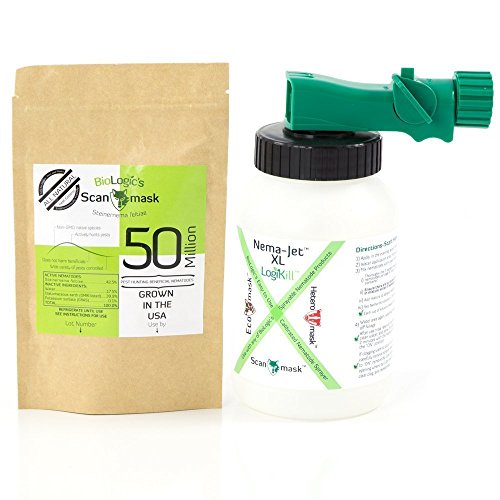
The microscopic beneficial nematodes hunt down and kill over 230 different pests, a great alternative to chemical pesticides.
Monitoring and Early Detection Techniques
Keeping a watchful eye on cucumber beetle populations is crucial for preventing a full-blown infestation. Regular monitoring should begin early, especially in late spring and summer. Look for distinctive “shot-hole” feeding damage on leaves, and don’t forget to check the undersides where these sneaky beetles might hide. Setting up traps and lures can help spot them early, stopping them before they settle in. Establish a scouting schedule to inspect your plants frequently. Early detection is critical; catching cucumber beetles early means you can intervene promptly, reducing the risk of bacterial wilt. Keeping records of sightings and damage will smooth out your future management strategies. Remember, a vigilant gardener can often outsmart those pesky beetles! For effective pest control, consider non-toxic options, like traps, which can capture cucumber beetles without using chemicals.
Frequently Asked Questions
How to Keep Cucumber Beetles Away?
To keep cucumber beetles away, one should consider natural repellents, practice companion planting, utilize crop rotation, and implement physical barriers like row covers. These methods effectively disrupt beetle populations and protect vulnerable crops.
What Can You Put on Cucumber Plants to Keep Bugs Away?
To keep bugs away from cucumber plants, one can use natural repellents like neem oil and essential oils, along with companion planting strategies that enhance biodiversity, creating an unfavorable environment for harmful insects.
What Is the Best Spray for Cucumber Beetles?
Research indicates that crop rotation can reduce pest populations by up to 50%. For cucumber beetles, natural remedies like insecticidal soap and organic pesticides such as neem oil are often considered effective spray options for control.
How Do I Get Rid of Cucumber Beetles Without Harming Bees?
To eliminate cucumber beetles without harming bees, one can use natural repellents like companion planting and diatomaceous earth. Organic pesticides can also be applied, ensuring they are safe for beneficial insects throughout the growing season.