As an Amazon Associate, we earn from qualifying purchases. Some links on this site are affiliate links at no extra cost to you. Our recommendations are based on thorough research and editorial judgment.

Garden Layout Strategies for Pest Management

To create a pest-resistant garden layout, start by selecting resilient plants, like marigolds and basil. Practice companion planting to support healthy growth and ward off pests. Maintain rich, healthy soil with organic matter to nourish your plants. Good garden hygiene is essential; regularly clean up debris that attracts bugs. Incorporate natural pest control methods, such as beneficial insects and neem oil. And don’t forget about crop rotation to keep pests on their toes. There’s more to explore!
Key Takeaways
- Incorporate companion planting to create synergistic plant combinations that repel pests and enhance growth, like pairing basil with tomatoes.
- Design your garden layout to include trap crops, such as nasturtiums, which lure pests away from valuable plants.
- Utilize spatial diversity in plant placement to boost biodiversity, making the garden more resilient to pest outbreaks.
- Implement crop rotation to disrupt pest life cycles and prevent soil nutrient depletion, promoting healthier plants.
- Plant pest-repelling varieties near vulnerable crops to naturally deter harmful insects and reduce reliance on chemical controls.
Choose Resistant Plants
Choosing the right plants can make a world of difference in your garden. By selecting pest-resistant plants like marigolds, lavender, and mint, you create a natural environment that can greatly reduce pesky insect populations. These plants can deter specific pests, too; for example, basil loves to keep aphids and mosquitoes away while promoting stronger tomato growth. Integrating these varieties boosts biodiversity, making your garden more resilient against pest outbreaks. Regular reassessment of strategies enhances garden health, integrating planting methods that protect beneficial insects. Remember to take into account your local climate for ideal plant health. Embracing these options leads to less reliance on chemical pesticides, paving the way for organic pest control. Ultimately, you’ll cultivate a healthy garden that thrives naturally, leaving more time to enjoy the fruits of your labor—figuratively and literally!
Practice Companion Planting
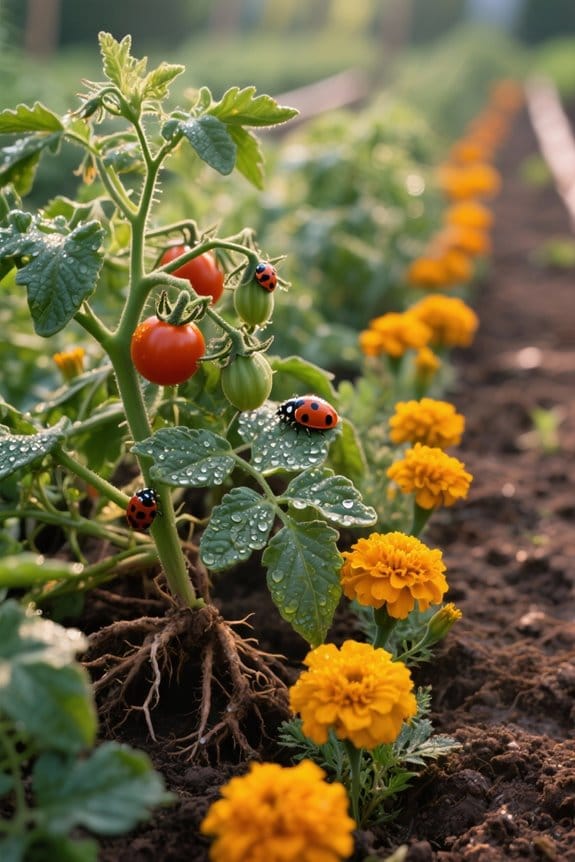
Imagine your garden buzzing with life and thriving in harmony. Companion planting can transform how you manage pests. For instance, pair basil with tomatoes to ward off pesky aphids. You can bring in beneficial insects by planting marigolds, which attract ladybugs. They’re like your garden’s little superheroes!
Some plants serve as trap crops. Nasturtiums, for example, lure away pests to protect your prized veggies. This pest management approach not only boosts biodiversity but also enhances overall soil health. Green Lacewings are effective against aphids, leafhoppers, spider mites, mealybugs, and thrips, making them a valuable addition to your garden. Researching which plants work well together gives you tailored pest control methods for your garden’s unique conditions. Think of it as creating your garden’s dream team—each plant supporting the other, making your plot of land a vibrant, pest-resistant paradise!
Maintain Healthy Soil
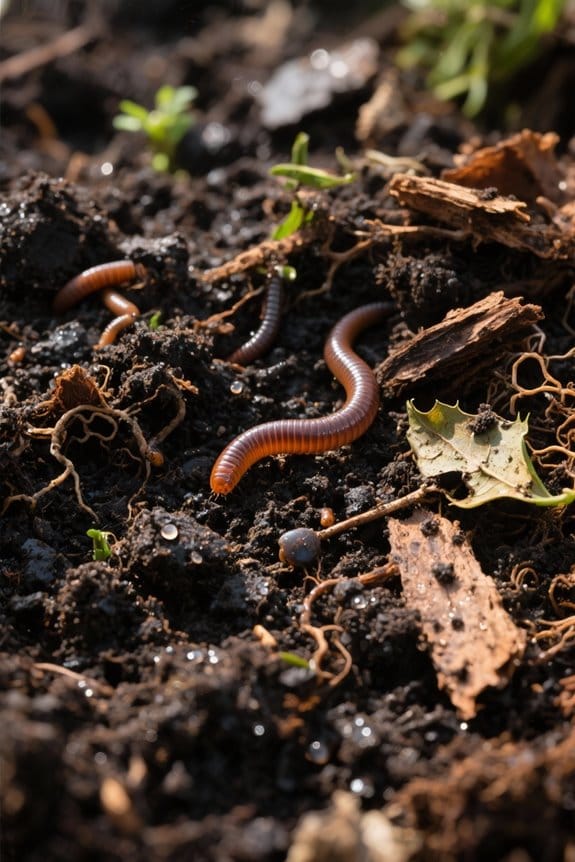
While it may seem tempting to focus solely on the plants themselves, maintaining healthy soil is truly the foundation of a successful garden. Healthy soil enriches with organic matter, like compost, which boosts plant growth and enhances pest resistance. Regular soil testing can guide you on nutrient levels, so you can tweak amendments for ideal conditions. Keep an eye on soil moisture, as too much or too little can lead to pesky issues like root rot. Incorporating diverse materials, such as worm castings, increases fertility and microbial activity, helping plants fend off pests. Finally, proper soil preparation through aeration and mulching creates an inviting space for roots while reducing humidity, making it less appealing to unwanted infestations. Organic pest control solutions generally use natural ingredients, reducing risks associated with synthetic chemicals, which is beneficial for maintaining healthy soil. Happy gardening!
Recommended Products

IMPROVES SOIL STRUCTURE & NUTRIENT AVAILABILITY- GS Plant Foods Humic Acid Soil Amendment supports healthy soil by enhancing cation exchange capacity and helping the root zone access existing nutrients in the soil more efficiently. Derived from high-quality Leonardite.

Natural & Organic Blend: 40-quart bag is made from a mixture of natural peat and composted animal manure, providing a high-nutrient boost for your plants

EASY-SETUP DESIGN – User-friendly structure allows fast assembly and convenient operation for beginners and experienced composters alike. DURABLE & WEATHER-RESISTANT BUILD – Made from sturdy, high-quality materials designed for long-lasting indoor or outdoor use in various climates.
Practice Good Garden Hygiene
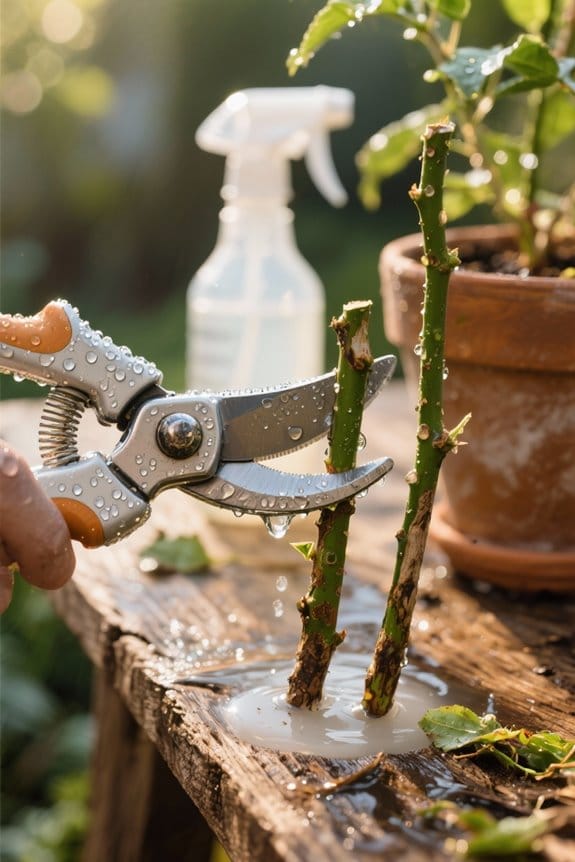
To keep a garden thriving, practicing good hygiene is essential. Regularly removing dead plant material prevents pests from setting up shop. Think of it as tidying your home; a clean garden is less inviting to garden intruders. Promptly collect fallen leaves and debris, as they can harbor both pests and diseases. Always inspect your tools before use to stop pests from hitching a ride. Crop rotation is another smart strategy; changing planting locations disrupts pest lifecycles and limits infestations. Maintaining healthy soil with organic matter promotes robust plant growth, making them less tempting targets for pests. Good garden hygiene creates a healthy habitat for natural predators, ensuring effective pest management. So, keep it tidy, and your garden will thank you! For ongoing pest control, consider combining natural sprays with ultrasonic repellents to enhance effectiveness.
Recommended Products

Ready-to-Use for All Planting Needs: This general-purpose potting mix is ready to use out of the bag, making it perfect for both indoor and outdoor planting without any additional preparation


Horticultural Grade Vermiculite: Premium organic fine vermiculite, ideal for potting soil for orchids, indoor plants, and succulents. Enhances water retention and nutrient availability for robust growth.
Provide Proper Watering

Proper watering is the cornerstone of a flourishing garden. Aim to water at the base of plants, keeping leaves dry to fend off pests and diseases. Morning watering works best, allowing moisture to soak in before the sun sizzles it away. Using drip irrigation can save time and deliver water where it’s needed most—right at the roots! Adjust your watering frequency based on soil moisture levels to prevent overwatering, which can lead to root rot and invite unwanted guests. In addition to proper watering techniques, employing insecticidal soaps can help control pests without harming the environment. Finally, maintain good drainage in garden beds. Standing water is a welcome mat for pests. As the saying goes, “You can’t make a garden grow with a puddle!” Proper watering sets the stage for healthy, vibrant plants.
Use Natural Pest Control Methods
Maintaining a healthy garden often feels like a battle against unwelcome guests, but worry not—there are natural ways to keep pests at bay! Introducing beneficial insects like ladybugs and lacewings can effectively target aphid populations without harsh chemicals. Planting pest-repelling varieties such as marigolds and lavender not only deters harmful insects but also boosts biodiversity. Natural pest control sprays, including neem oil or garlic solutions, work wonders without harming those friendly bugs. IPM uses a range of tactics, like crop rotation, to disrupt pest life cycles. Don’t forget to use row covers; they shield plants while allowing air and sunlight to nourish them. Eco-friendly pest control solutions like sticky traps and natural insecticides provide safety while minimizing environmental impact. With these strategies, your garden can thrive despite those pesky invaders!
Install Physical Barriers
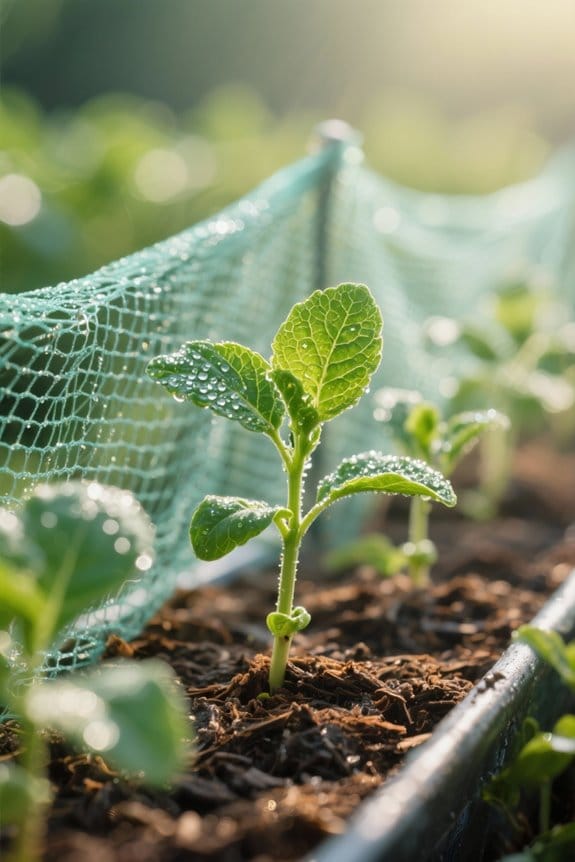
Gardeners fighting pests often find that while natural methods are helpful, adding physical barriers can be a game changer. Using row covers can shield crops from pesky insects while letting in sunlight and moisture. Netting over fruit trees keeps birds and larger pests away, yet still invites pollinators. Don’t forget sturdy fences or chicken wire; they effectively deter rabbits and deer from your vegetable garden. For flying insects, placing sticky traps near entrances reduces their numbers before they feast on your plants. Cloches or plant jackets not only protect sensitive seedlings but also create a cozy microclimate, giving them a warm start. With these physical barriers, you can enhance your Integrated Pest Management (IPM) strategy and safeguard your garden. Row covers, made from breathable fabrics like polypropylene, are essential for protecting plants from frost and pests while ensuring air and moisture circulation.
Recommended Products

Optimal 50% Sun Shade: This shade cloth for plants provides 50% shading, reflecting harsh sunlight. The white sunshade fabric keeps your garden bright and cool without darkening the area

Cooling Patio Sun Shade: Designed for daily use, this 50% shade cloth softens sunlight. Enjoy a comfortable and cool resting area with our sun shades outdoor patio without blocking all light

Heavy Duty Material: Made of high-density polyethylene, our white shade cloth features reinforced edges and rust-resistant grommets. This tear-resistant sun shade net ensures lasting outdoor protection for your yard or pergola without fraying
Rotate Crops
Crop rotation is a simple yet effective strategy that brings numerous benefits to any garden. By rotating crops each season, gardeners can disrupt life cycles of pests, helping to reduce the number of pesky infestations. Each plant family has unique nutrient needs and pest attractants, so moving crops at least 3 to 5 families apart helps maintain soil health. This method not only protects against plant diseases but also supports beneficial insects that thrive in diverse environments. To keep track, consider a planting schedule—it’s like a map for your plant journeys! Remember, growing the same crop in the same place year after year is a recipe for disaster. Mix it up, and soon you’ll see happier plants and fewer pests! Additionally, using neem oil sprays can enhance pest management by targeting pests like aphids and spider mites, ensuring your rotated crops remain healthy and resilient.
Regular Inspection
Keeping an eye on the garden is an essential habit that pays off in spades. Regular inspection should happen at least once a week to catch any pest activity early. Focus on the undersides of leaves, where sneaky pests often hide out. Look for abnormal plant growth, wilting, or discoloration; these could spell trouble. Don’t forget the beneficial insects! They help keep the garden in balance, so celebrate their presence. Keeping a garden journal is a savvy move—document pest sightings and plant responses. This way, you can make informed adjustments to your pest management strategies over time. Remember, “A stitch in time saves nine,” especially when it comes to keeping your plants healthy and thriving! Utilizing natural pest management can reduce the use of chemical pesticides and contribute to a more sustainable garden ecosystem.
Frequently Asked Questions
What Is the 70/30 Rule in Gardening?
The 70/30 rule in gardening emphasizes a 70/30 balance of food crops to flowering plants, enhancing garden diversity. This approach promotes beneficial insects, supports soil health, encourages companion planting, and reduces pest attraction through natural pest management.
How to Build a Pest Proof Garden?
To build a pest-proof garden, one can implement physical barriers, incorporate pest-resistant plants through companion planting, utilize raised beds, practice crop rotation, and maintain regular garden hygiene while considering organic pesticides for extra protection.
How Do You Landscape to Discourage Rodents?
To discourage rodents, effective landscaping integrates rodent deterrents through habitat modification. Strategies include utilizing natural barriers, companion planting with strong-scented plants, and thoughtful garden layout to reduce shelter while enhancing wildlife management practices.
What Is the Best Way to Layout a Garden?
In a time when gardens thrived like enchanted forests, effective layout required careful plant spacing, companion planting, raised beds, strategic crop rotation, varied garden zones, moisture management, and diligent soil health practices for flourishing growth.