As an Amazon Associate, we earn from qualifying purchases. Some links on this site are affiliate links at no extra cost to you. Our recommendations are based on thorough research and editorial judgment.

Why Row Covers Work Against Flying Pests

Row covers work against flying pests by creating a protective barrier around your plants. These lightweight fabrics let sunlight and moisture in but keep pesky critters like aphids and beetles out. Think of them as cozy blankets for your veggies! When you install them right, they also help manage humidity and temperature. Just like a well-fitted hat on a sunny day, they keep plants comfy. Stick around, and you’ll discover more tips for maximizing your garden’s health.
Key Takeaways
- Row covers act as a physical barrier, blocking flying pests like aphids and beetles from reaching plants.
- The breathable fabric allows sunlight and moisture to penetrate, promoting plant health while deterring pests.
- By creating a warmer microclimate, row covers enhance growth, making plants more resilient against pests.
- Timed removal of covers allows pollinators access while keeping pests contained, balancing plant health and pest control.
- Regular maintenance and inspections of row covers help prevent tears that could allow pest infiltration.
Overview of Row Covers
Row covers can be a gardener’s best friend, providing essential protection against those pesky flying pests. Made from lightweight, breathable fabrics like spun-bonded polypropylene, these covers act as a shield against insect pests such as aphids and beetles. Imagine running a cozy little blanket for your plants! They let in sunlight and moisture while keeping your crops safe. When installed right after planting, row covers can promote growth by creating a warmer microclimate—perfect for tender seedlings. They can remain in place until your plants start to flower, ensuring that unwanted pests are kept at bay. Just remember, regular maintenance is key. After all, a happy, healthy garden doesn’t just happen; it’s cultivated! Additionally, incorporating beneficial insects like ladybugs can complement row covers by providing natural pest management, reducing the reliance on chemical pesticides, and promoting a balanced garden ecosystem.
Benefits of Using Row Covers for Pest Control
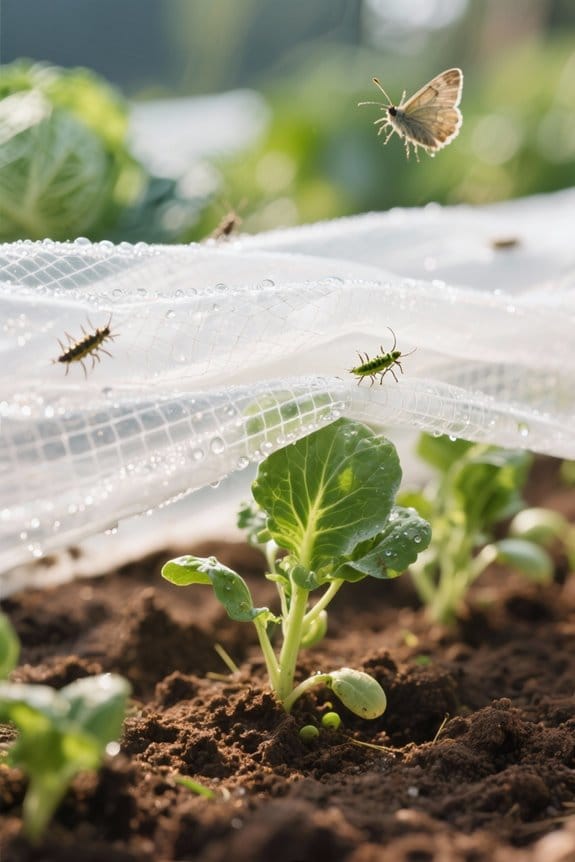
Utilizing row covers for pest control can drastically improve the health of any garden. These covers act as a physical barrier, blocking flying pests like aphids and cabbage moths. Without these pests, the need for harsh chemical pesticides diminishes, making organic gardening easier and more sustainable. During vital growth periods in spring and fall, row covers provide essential protection and can considerably boost crop yields. Plus, some clever techniques, such as timed removal, allow pollinator access while still keeping those pesky insects at bay. Think of row covers as a cozy blanket for plants, creating a safe space where they can thrive and grow without worry. Who wouldn’t want that for their garden? Organic solutions like Trifecta Crop Control and Diatomaceous Earth offer additional layers of protection, ensuring that pest management remains both effective and eco-friendly.
Recommended Products

11.6FT. SPRAY COVERAGE: The 7-nozzle folding boom delivers over 11 feet of spray coverage using air-induction technology to reduce drift, ensuring even liquid distribution across pastures, crops, food plots, and large properties—even in BREEZY CONDITIONS.

MAINTENANCE SPRAYER: The perfect option for even spraying of pest controlling and fertilizing liquid substances across large areas, this ATV sprayer helps in the maintenance of large commercial and agricultural spaces.

COMPLETELY COVERS YOUR PLANTS & ALLOWS THEM TO BREATHE: The smaller sizes work great for smaller or individual plants and shrubs, the larger sizes work great for wrapping trees or used as row covers. They are made from industrial grade non woven polypropylene fabric, making the fabric permeable and allowing your plants to breathe, but effectively trapping heat and keeping your plants warm.
How Row Covers Protect Against Specific Pests

Gardeners know that pests can be relentless. Row covers are a fantastic solution to protect plants from pests like squash bugs and cabbage loopers. They act as a barrier, allowing light, moisture, and air while excluding common garden pests. Early in the season, these covers greatly reduce pest pressures and can keep your crops safe without chemical sprays. Imagine a lightweight fabric that stops those pesky leafmining flies from laying eggs on your precious plants. Simply place insect netting over your crops to keep them safe. Just remember to remove the covers during bloom so pollinators can do their work. Using row covers might just be the secret weapon you need to grow a thriving garden this season! Additionally, breathable fabrics like polypropylene are essential in these covers, ensuring air and moisture circulation while protecting your plants effectively.
Recommended Products

Spacious & Comfortable High Back: Thoughtfully crafted 29.3" high backrest and 27.5" deep seat offer superior lumbar support, higher than standard sizes, suitable for all heights for extended sitting; The 4.1" high-resilience sponge foam cushion adds plush comfort, while the sturdy frame supports up to 500 lbs per seat, ensuring exceptional stability and long-lasting durability

Heavy Duty Material: Made of high-density polyethylene, our white shade cloth features reinforced edges and rust-resistant grommets. This tear-resistant sun shade net ensures lasting outdoor protection for your yard or pergola without fraying

UV PROTECTION: Woace shade sails provide 98% UV protection and 90% shading for your garden, creating a cool space. They are designed to provide a peaceful and comfortable outdoor environment, encouraging you to relax and enjoy, allowing you to fully embrace outdoor activities without worries.
Installation Techniques for Effective Pest Defense

Effective installation of row covers can be a game changer for protecting your precious plants. Start by draping row covers directly over your plants or using hoops to keep them elevated. This prevents tightness against the foliage. Next, remember to secure the edges with soil, sod pins, or landscape staples. Loose edges may invite unwelcome flying pests. It’s wise to install covers immediately after planting to shield against early pests and create a cozy microclimate for your plants. Also, don’t forget to check for damage regularly; even a tiny tear can invite trouble. Products like neem oil serve dual purposes as both insecticides and fungicides, which can be used in conjunction with row covers for enhanced pest protection. So, wrap your plants with the care they deserve, and you’ll soon see how effective these techniques can be for your pest management efforts!
Recommended Products
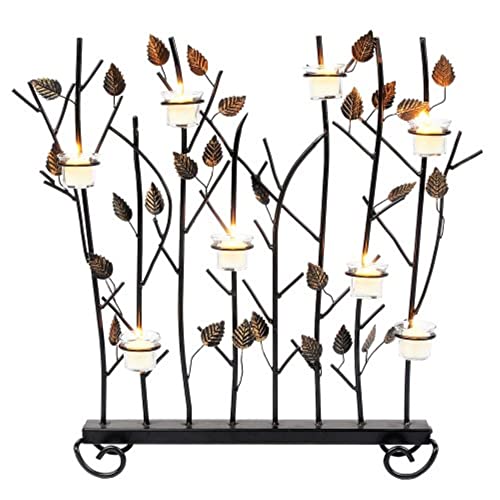
Summer Screens add beauty and interest to the fireplace and a touch of romantic firelight after a summer sunset

【Heavy-Duty 6 Mil Polyethylene】Made from high-density polyethylene, greenhouse plastic sheeting features a 6 mil thickness and UV stabilization to resist tearing, punctures, and sun damage. Built to last, it protects plants and equipment from wind, rain, frost, and heavy snow.

Durble Mesh and Frame- Our Plant mesh cover use dia<3mm netting gram weight is 96g/m²,16mm strong round steel tube frame,keep your plant safe prevents any bird and small animals
Managing Airflow and Moisture Under Row Covers

While row covers can be a gardener’s best friend, managing airflow and moisture underneath them is essential for keeping plants happy and healthy. These covers need to be snug, but not too tight. This allows air to flow freely, preventing nasty mold from sneaking in. Regularly check for tears; a small hole can mess with moisture levels and compromise plant growth. Consider using drip irrigation or soaker hoses beneath your row covers. This keeps moisture steady without the hassle of removing the cover every time. Properly managed, row covers retain moisture while promoting airflow, especially during those sizzling hot weather days. Think of it as providing your plants with a cozy, breathable blanket! Additionally, insecticidal soaps offer an eco-friendly solution for managing pests without compromising the health of your plants.
Seasonal Timing for Maximum Effectiveness
Timing can make all the difference when using row covers to protect plants from flying pests. For best results, install row covers soon after planting. This is especially important during early spring and late fall when pest activity is at its peak. However, keep an eye on your flowering crops! You’ll want to remove the covers right before or during bloom to let pollinators do their magic. A clever tip is to alternate removing the lightweight covers for a few hours each day—particularly in the morning when pollinators are buzzing about. With good seasonal timing and careful management, growers can greatly reduce pest populations and enhance plant health. Just imagine your garden thriving while pests select other targets! Consider introducing beneficial insects like Green Lacewings to complement your pest management strategy, as they are effective against aphids, leafhoppers, and more.
Maintenance and Care of Row Covers
Once row covers have been successfully timed with planting and blooming, the focus shifts to their maintenance and care. Proper maintenance is key to ensuring longevity. Start by cleaning row covers after each season. This helps prevent disease transmission. Make sure they’re completely dry to avoid mold. Each time before reuse, inspect for damage. Even small holes can let sneaky pests infiltrate your plants. When it’s time to store row covers, keep them in a cool, dry spot for better protective qualities. During the growing season, check on them regularly. Adjust them to stay snug but not too tight, as this can help avoid restricting plant growth. Remember, a little upkeep goes a long way in pest protection! For effective pest control indoors and outdoors, consider using Home Defense Max Insect Killer, which provides a comprehensive bug barrier.
Recommended Products

Hortomallas 119inx4920ft Trellis Net is the most effective and economical way to support climbing vegetables and heavy crops

TOUGHEST MATERIAL: Our woven polypropylene sand bags are built to endure the elements. All DURASACK Heavy Duty Sand Bags and tie strings are treated with a UV inhibitor so they can stay intact after prolonged sun exposure
COMPLETELY COVERS YOUR PLANTS & ALLOWS THEM TO BREATHE: The smaller sizes work great for smaller or individual plants and shrubs, the larger sizes work great for wrapping trees or used as row covers. They are made from industrial grade non woven polypropylene fabric, making the fabric permeable and allowing your plants to breathe, but effectively trapping heat and keeping your plants warm.
Alternative Options for Pest Management
When it comes to protecting crops from flying pests, gardeners have several effective alternatives to evaluate. Agricultural insect netting is a fantastic choice. This durable option uses fine mesh netting to block pesky aphids and whiteflies while allowing light and moisture through. It offers effective exclusion of pests that helps maintain crop health. Plus, it aligns perfectly with organic pest management principles by reducing the need for chemical insecticides. Regular maintenance is key; a quick inspection can prevent tears, ensuring your plants stay safe for the long haul. Think of it this way: a little extra care now saves you from doing battle with pests later. So, consider using agricultural netting for a healthier, happier garden! Additionally, eco-friendly options like Bonide Captain Jacks and Kates Peppermint Oil Bug Spray offer effective pest control while ensuring safety for beneficial insects and humans.
Recommended Products

Grow Strong Plastic Trellis Netting 5 x 4920 ft is the most effective and economical way to support climbing vegetables and heavy crops using its versatile polypropylene mesh.

Optimal Plant Protection: This shade cloth for garden reflects harsh heat and diffuses light. It protects delicate plants from scorching without blocking essential sunlight for healthy growth

Optimal 50% Sun Shade: This shade cloth for plants provides 50% shading, reflecting harsh sunlight. The white sunshade fabric keeps your garden bright and cool without darkening the area
Frequently Asked Questions
Do Row Covers Protect From Pests?
Row covers effectively protect against pests, serving as insect barrier fabrics that enhance garden pest management. These floating row covers utilize pest exclusion strategies, complementing organic pest control and benefiting from mulch while promoting plants for repelling harmful insects.
What Are the Benefits of Row Covers?
Row covers offer seasonal protection, enhance crop yield, and provide weed suppression. They regulate temperature, retain moisture, stimulate plant growth, and improve soil health, while also preventing diseases, ensuring resilient, thriving crops throughout the growing season.
What Are the Disadvantages of Row Covers?
Row covers pose disadvantages including temperature sensitivity causing heat stress, moisture retention leading to diseases, airflow restriction impacting plant health, installation challenges, potential pest attraction, and costs related to maintenance and replacements.
What Ground Cover Deters Pests?
Certain ground cover types, like clover and mint, serve as natural repellents, while pest-resistant plants such as nasturtiums attract beneficial insects. Employing companion planting and mulching techniques enhances landscape barriers against pests while promoting organic methods in gardening.


