As an Amazon Associate, we earn from qualifying purchases. Some links on this site are affiliate links at no extra cost to you. Our recommendations are based on thorough research and editorial judgment.

Companion Flowers That Deter Garden Pests

Companion flowers can be your garden’s best friends in pest control. Marigolds repel pesky aphids with their unique scent. Nasturtiums, on the other hand, draw aphids away from your precious beans and cucumbers, acting as traps. Plant some lavender to keep flies at bay and watch as beneficial insects, like ladybugs and bees, flock to your blooms. Together, these flowers create a beautiful and balanced ecosystem. Stick around, and you’ll discover even more secrets to a thriving garden!
Key Takeaways
- Marigolds repel aphids and Mexican bean beetles, protecting surrounding vegetables in the garden.
- Chrysanthemums effectively combat spider mites and nematodes, acting as a natural pest deterrent.
- Nasturtiums function as trap crops, attracting aphids away from beans and cucumbers.
- Lavender’s aroma deters flies and mosquitoes, contributing to a more pleasant gardening experience.
- Planting asters can enhance aesthetics while deterring a variety of garden insects.
The Role of Companion Flowers in Pest Management
When it comes to pest management in gardens, companion flowers play an essential role. These vibrant blooms can attract beneficial insects while helping to repel pests. For instance, marigolds emit compounds that deter nematodes, enhancing the health of neighboring vegetables like tomatoes. Nasturtiums act as trap crops, drawing aphids away from more valuable plants. This strategic positioning of flowers creates a live barrier against pests, making your garden look lovely while protecting your veggies. Additionally, planting calendula and cosmos increases biodiversity, inviting helpful insects like ladybugs into the fray. Beneficial insects such as live ladybugs effectively tackle pests like aphids, reducing the need for chemical pesticides and promoting a balanced ecosystem. With these simple strategies, organic gardening becomes easier, and you can enjoy the beauty of your garden while keeping pests at bay—now, that’s a win-win!
Recommended Products
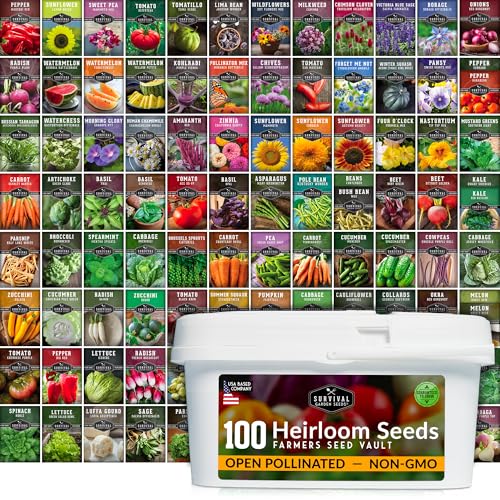
100 HEIRLOOM SEED PACKETS – Bulk collection survival seed vault of non-GMO heritage vegetable, herb, and fruit seeds for planting a self-sufficient Victory Garden in most USDA zones

100% Pure, Non-GMO Seeds – No fillers, just the real deal! This variety of Hollyhock should be planted 1/4" deep and 18-36" apart during spring or fall with expected maturity in the second year.
Delicious and Organic Chai Tea Bags - The foundation of this organic chai tea is top-quality, whole leaf black tea. Then we add whole spices like cinnamon, ginger, and cloves for a bold, yet balanced blend.
Effective Flowers for Deterring Common Garden Pests

Companion flowers not only boost the beauty of a garden but also fortify the defenses against pesky pests. Marigolds are champions in this regard, repelling aphids and Mexican bean beetles with their powerful thiophenes. Plant them alongside your tomatoes and peppers for a protective boost. Similarly, chrysanthemums serve as formidable warriors against spider mites and nematodes. Nasturtiums take a different approach, attracting aphids away from more valuable plants, effectively saving your beans and cucumbers. Lavender brings a delightful aroma while keeping flies and mosquitoes at bay. Finally, aster borders not only look lovely but also deter a variety of insects. Organic solutions like Diatomaceous Earth provide additional pest control options for eco-friendly gardening, ensuring safety for kids and pets. Together, these flowers make your garden a less inviting place for pests, allowing your plants to thrive beautifully.
Recommended Products


PREMIUM MATERIALS: The life of a real marigold is short; Why not chose an alternative one; The artificial marigolds are made of silk and plastic, durable for years and remain vivid; The stem is flexible and easy for flower arrangement; These will be your great best decoration in the festival- such as Diwali Halloween Christmas
Creating Habitats for Beneficial Insects

Creating a garden that welcomes beneficial insects can feel like a stroll through nature’s best-kept secret. Companion planting with flowering plants like cosmos and alyssum draws in friendly pollinators like bumble bees and syrphid flies. These insects are essential for pest management. Adding diverse plantings, including flowers and herbs, creates cozy spots for natural predators like ladybugs and lacewings. They thrive on pests, enhancing biological pest control without harsh chemicals. Scents from marigolds and lavender can confuse pesky insects, keeping them at bay. By integrating flowering plants, you improve both the beauty of your garden and its ecosystem. Think of it as adding charm to your garden while inviting delightful little helpers. Who wouldn’t want that? Green Lacewings are particularly effective against aphids, leafhoppers, spider mites, mealybugs, and thrips, making them invaluable allies in your pest management strategy.
Recommended Products

Efficient Drainage System: Designed to withstand unpredictable outdoor weather, this backyard greenhouse features a sloped roof and a built-in drainage gutter system to effectively channel rainwater away and prevent pooling.

EASY TO USE: 4-pack Michigan Peat General All-Purpose Premium Potting Soil is ready to use right out of the bag with no additional mixing

BEST NATURAL SOLUTION TO DEFEAT MILDEW, MITES AND MOLD - Crop Control is hands down the BEST choice to prevent and cure Powdery Mildew, Spider Mites, Russet Mites, Broad Mites, Botrytis, Grey Mold, Aphids, fungal and parasitic species on plants. Uses plants natural defense systems to defend with zero harsh chemicals or toxins.
Strategic Planting Techniques for Optimal Pest Control

A well-planned garden can be a powerful ally in the battle against pests. To deter pests effectively, consider planting companion plants like marigolds and nasturtiums among your vegetables. These flowers create a natural barrier, making it tougher for pest insects to invade. Employ strategic layering—tall flowers like geraniums can go on the north side of raised beds, ensuring your shorter vegetables get enough sun. Trap cropping is another fun technique; plant nasturtiums to lure pests away from precious crops. Remember proper spacing! Aim for 6-8 inches in containers and 12-18 inches in raised beds to keep air flowing. Most importantly, maintain health by regularly inspecting your plants. A happy garden is a pest-free garden, after all! Additionally, using chemical-free cleaning methods like steam cleaners can aid in maintaining a healthy garden environment by avoiding harmful substances.
Recommended Products

Hydrating, Skin-Nourishing Herbal Balm: Every ingredient is carefully selected to support skin comfort and hydration. Our plant-based formula absorbs quickly to help soothe delicate skin. Formulated with botanicals to provide a calming effect on sensitive areas. Designed for external application in the morning and evening as part of your self-care routine. Hemroad cream to help ease discomfort and promote a refreshing sensation in areas prone to dryness or irritation.

Seed that have been exposed to a Cobalt-60 source are used to demonstrate the effects of varying degrees of radiation

Perennial; A burst of color for your garden
Testing and Adjusting Flower Combinations
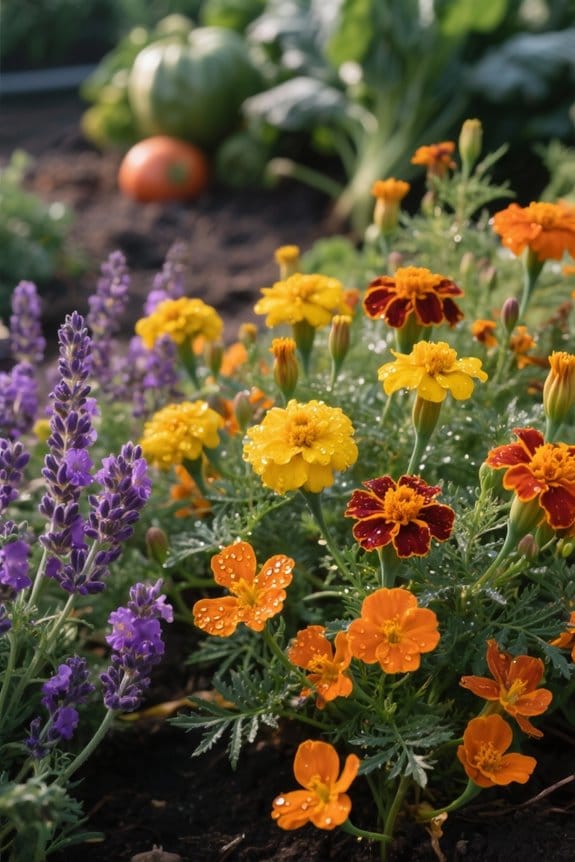
Testing flower combinations can be quite the adventure in gardening. Each local soil and climate can drastically change how well plants repel pests. For instance, marigolds near zucchinis fend off squash bugs effectively. Meanwhile, thyme excels at keeping cabbage worms at bay. By observing these outcomes, gardeners can tweak their strategies. It’s about finding what works best through testing! Pairing basil and thyme is another winning combo against pesky armyworms. If one mix fails, don’t sweat it. Adapt your garden! This journey is filled with trial and error but think of it as gardening’s version of a scavenger hunt. Enjoy the process, learn from your observations, and you’ll find those strategic flower combinations that keep pests away! Additionally, using durable materials like fiberglass mesh in your garden screens can enhance pest deterrence by providing long-lasting barriers.
Additional Benefits of Companion Flowers in the Garden
While gardeners often seek ways to fend off pests, they might be surprised to discover the additional perks of companion flowers. These flowers not only enhance beauty in the garden but also attract beneficial insects. Ladybugs and bees help with pollination and natural pest control. This diverse plant ecosystem boosts soil health, creating a resilient environment. For instance, lavender and cosmos can deter specific pests while inviting friendly pollinators. By using companion flowers, gardeners can reduce pest populations and minimize reliance on chemical pesticides. This organic approach not only nurtures healthier ecosystems but also leads to a more enjoyable gardening experience. Remember, a vibrant garden isn’t just pretty; it’s a thriving world of good bugs and happy plants! By integrating eco-friendly features into garden practices, such as companion planting, one can support both the environment and biodiversity.
Best Practices for Maintaining Companion Plant Relationships
To guarantee thriving companion plant relationships, it’s essential for gardeners to stay vigilant and proactive. Regularly monitoring the health of companion plants helps maintain their pest control effectiveness and guarantees they attract beneficial insects all season. Set them apart properly—6-8 inches in containers and 12-18 inches in raised beds—for healthy growth and improved airflow. Remember, a diverse range of plants makes for a balanced ecosystem, inviting various helpful critters. Strategically positioned companions around your vegetable rows not only enhance pest-repelling effects but also boost garden aesthetics. Don’t shy away from interplanting herbs with your veggies; it could lead to improved outcomes. As they say, “Gardening makes you feel good—just keep your plants happy!” Consistent monitoring and application of insecticidal soaps aid in maintaining a thriving, pesticide-free garden environment.
Recommended Products

𝐏𝐨𝐰𝐞𝐫𝐟𝐮𝐥, 𝐀𝐥𝐥-𝐏𝐮𝐫𝐩𝐨𝐬𝐞 𝐏𝐞𝐬𝐭 𝐂𝐨𝐧𝐭𝐫𝐨𝐥: Eliminator Insecticide and Fungicide Concentrate tough away and controls mildew, fungus, mold, aphids, spider mites, whiteflies, fungus gnats, thrips, mealybugs, flies, and more – ideal for gardens, crops, greenhouses, and residential spaces.

Nuke Em Reduces insect populations of certain plant pests including Spider Mites, Whitefly, Aphid and Powdery Mildew

Product used as a sprayable or drench application on ornamentals in nursery, greenhouse and landscapes
Frequently Asked Questions
What Flowers Are Good for Pest Control in the Garden?
Marigolds offer benefits by repelling pests, while nasturtiums divert insects from main crops. Lavender enhances garden comfort, chrysanthemums prove effective against various pests, and cosmos attract beneficial insects, contributing to a balanced ecosystem among garden flowers.
What Is One Companion Flower That Helps Deter Pests?
Marigolds, the superheroes of the garden, boast extraordinary benefits in pest deterrence. Through companion planting, their aromatic flowers repel harmful insects, enriching garden health while adding vibrant colors, ensuring an insect-free haven among diverse flower varieties.
What Companion Plants Repel Pests?
Companion plants like marigolds provide benefits against aphids, while nasturtiums attract pests away. Lavender possesses properties that repel flies, chrysanthemums feature pyrethrins for broader pest control, and geraniums, borage, cilantro, dill, and catmint further enhance deterrent effects.
What Flowers Repel Bugs in Vegetable Garden?
“An ounce of prevention is worth a pound of cure.” Marigolds and nasturtiums deter pests, while lavender and borage attract beneficials. Incorporating geraniums, petunias, and rosemary enhances protection, showcasing the diverse benefits of companion flowers.


