As an Amazon Associate, we earn from qualifying purchases. Some links on this site are affiliate links at no extra cost to you. Our recommendations are based on thorough research and editorial judgment.

Difference Between Beneficial Insects and Garden Pests

Beneficial insects are like nature’s little helpers. They pollinate flowers and keep pesky pests at bay. Think of ladybugs munching on aphids—it’s teamwork at its finest! On the flip side, garden pests are the troublemakers. They suck the life out of plants and can spread diseases. Identifying the difference is essential for success in your garden. With some clever strategies, you can attract helpful insects and manage the bad ones. Stay tuned to discover how!
Key Takeaways
- Beneficial insects, like bees and ladybugs, support plant health through pollination and pest control, while garden pests, like aphids, harm plants.
- Approximately 97% of insect species are beneficial or benign, contrasting with specific pests that damage crops and spread diseases.
- Beneficial insects promote biodiversity and ecosystem health, whereas garden pests can cause stunted growth and even plant death.
- Beneficial insects often serve as natural predators or parasites to harmful pests, helping maintain ecological balance in gardens.
- Strategies to encourage beneficial insects include planting diverse flora, while garden pests necessitate management measures to protect plants.
Defining Beneficial Insects
In the world of gardening, beneficial insects can be thought of as nature’s little superheroes. These remarkable creatures play three main roles: pollinators, predators, and parasites. Common beneficial insects, like ladybugs, are dedicated predators of harmful pests such as aphids. Imagine ladybugs in capes, swooping down to save your plants! Insects are either buzzing about as crucial pollinators, like bees and butterflies, or quietly maintaining balance as parasites. Approximately 97% of insect species are beneficial or benign, contributing to pest control and soil health. By diversifying plants in your garden, you can attract a variety of beneficial insects. This not only aids in biological pest control but also enhances your garden’s ecosystem health. Utilizing beneficial insects enhances sustainable gardening practices and reduces the reliance on harmful chemical pesticides. Embrace these little heroes—they’re on your side!
Recommended Products

Can be used indoors and outdoors

Can be used around humans, plants, and pets and don't make webs!

This pack contains 11 Beetles, 3 Cicadas, and 1 Giant Scorpion specimen from Vietnam. Each specimen has been carefully handcrafted using real taxidermy, preserving their natural shape and color. The cicadas are sourced from natural causes, leading to variations in their size and species. They are individually packaged and can be disassembled for use in teaching, photography, or decoration.
Understanding Garden Pests
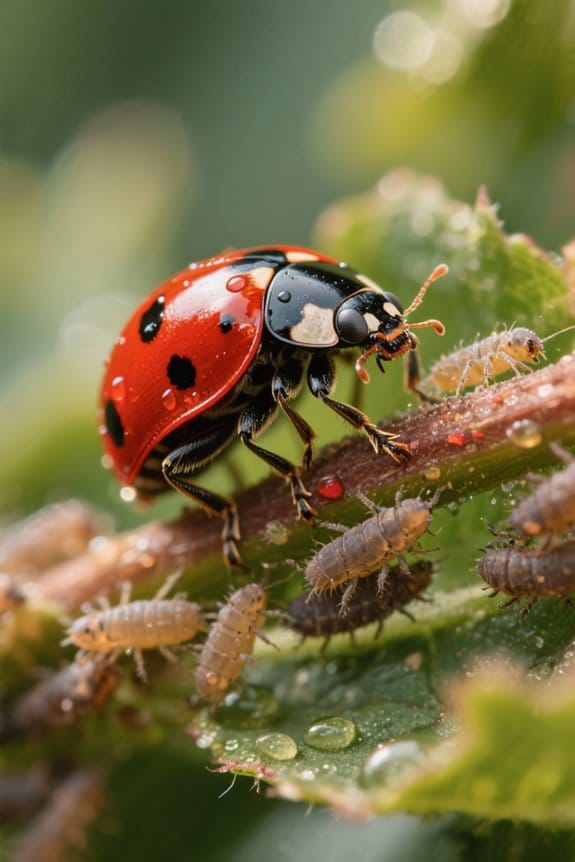
Every gardener knows the battle against those pesky invaders. Garden pests can wreak havoc on your beloved plants, causing stunted growth and even death. Common culprits like aphids, Japanese beetles, and mealybugs feast on your flowers and veggies, quickly multiplying and threatening plant health. Unfortunately, some pests even spread diseases, just like mosquitoes do to humans. To succeed, you must identify pests early on. Knowing beneficial insects vs garden pests can make all the difference. Predatory insects help maintain a natural balance, feasting on harmful pests. Remember, not every insect is your enemy; many insects are beneficial and essential for a thriving garden. Introducing beneficial insects like Green Lacewings can enhance garden health and improve pest management by targeting specific pests such as aphids, whiteflies, and spider mites. So, arm yourself with knowledge and wage your war wisely!
Roles of Beneficial Insects in Ecosystems

Beneficial insects are essential allies in any gardener’s quest for a thriving ecosystem. They play key roles in pollination, ensuring that flowers are fertilized and plants can produce food. Bees and butterflies are the superheroes of plant diversity! Predatory insects, like ladybugs, munch on pesky aphids, helping to control pest populations. This keeps the garden healthy and balanced. Parasitoid wasps take a different approach, laying eggs within harmful caterpillars to naturally manage their numbers. Ground beetles, those nighttime ninjas, feast on slugs and snails that threaten crops. All these beneficial insects promote garden health and enhance biodiversity. A diverse ecosystem not only supports plants but also creates a beautiful place for wildlife. It’s like nature’s own gardening team! Implementing organic pest control solutions can help protect these beneficial insects while managing garden pests.
Recommended Products
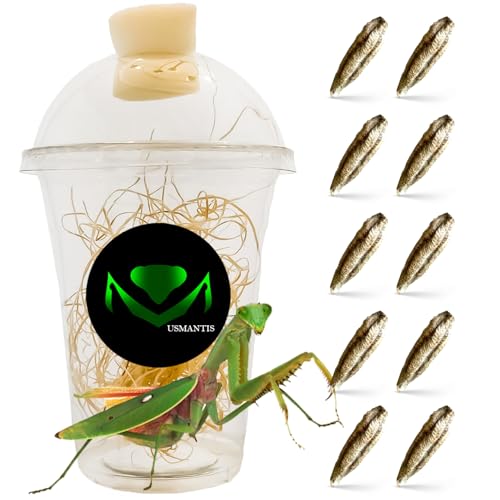
Discover the Fascinating Life Cycle: Hatch your own Tenodera angustipennis mantis nymphs from an ootheca (egg case). This unique species, native to Asia and parts of Oceania, offers a captivating opportunity to observe their development from egg to adult. Each ootheca can produce 10–150 nymphs, making it a rewarding experience for nature lovers and educators alike.

EASY TO USE: 10-pack Michigan Peat General All-Purpose Premium Potting Soil is ready to use right out of the bag with no additional mixing
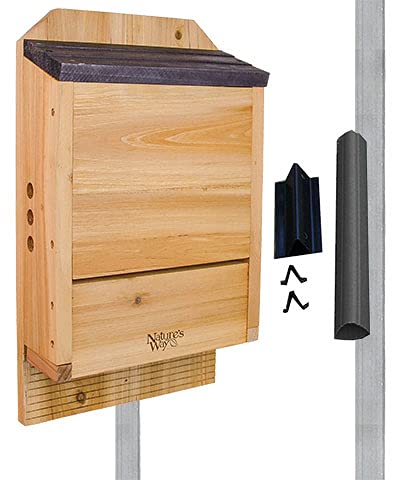
BAT HOUSE AND POLE PACKAGE – Add a beneficial wildlife feature to your yard with this complete bat house and pole package. Designed to create a dedicated roosting spot in the garden, this set includes the shelter and pole components needed for placement, making it a convenient option for establishing a backyard bat habitat.
Identifying Common Garden Pests

While beneficial insects can be the gardeners’ best friends, common garden pests can quickly turn into uninvited troublemakers. Among these pesky foes are aphids, tiny bugs that suck the life out of plants, causing leaf curl. The tomato hornworm is notorious for munching through tomato and pepper plants like a hungry teenager at a buffet. Then, there are stink bugs, which pierce plant tissues and can lead to sad, distorted fruits. Don’t forget about whiteflies! They love hiding on leaf undersides, causing yellowing with their feeding frenzy. Finally, mealybugs, with their cotton-like appearance, excrete honeydew that promotes mold growth. Identifying these garden pests early is vital to preventing damage and saving your beloved plants. Many ant traps utilize active ingredients like Fipronil, which create a chain reaction to eliminate entire ant colonies effectively.
Recommended Products

𝐏𝐨𝐰𝐞𝐫𝐟𝐮𝐥, 𝐀𝐥𝐥-𝐏𝐮𝐫𝐩𝐨𝐬𝐞 𝐏𝐞𝐬𝐭 𝐂𝐨𝐧𝐭𝐫𝐨𝐥: Eliminator Insecticide and Fungicide Concentrate tough away and controls mildew, fungus, mold, aphids, spider mites, whiteflies, fungus gnats, thrips, mealybugs, flies, and more – ideal for gardens, crops, greenhouses, and residential spaces.

AgroMagen, GrowSafe Bio-Pesticide, Organic and Natural Miticide, Fungicide and Insecticide (5.2 Gal)
Only effective on spider mites (two-spotted mites, broad mites, russet mites), whiteflies, aphids, powdery mildew, and downy mildew

PROTECTS PLANTS FROM MOISTURE LOSS: Stops winter damage, reduces drought stress, planting/transplanting stress and more. Dries to a soft, flexible clear film to lock in moisture. Professional grade.
Impact of Beneficial Insects on Garden Health
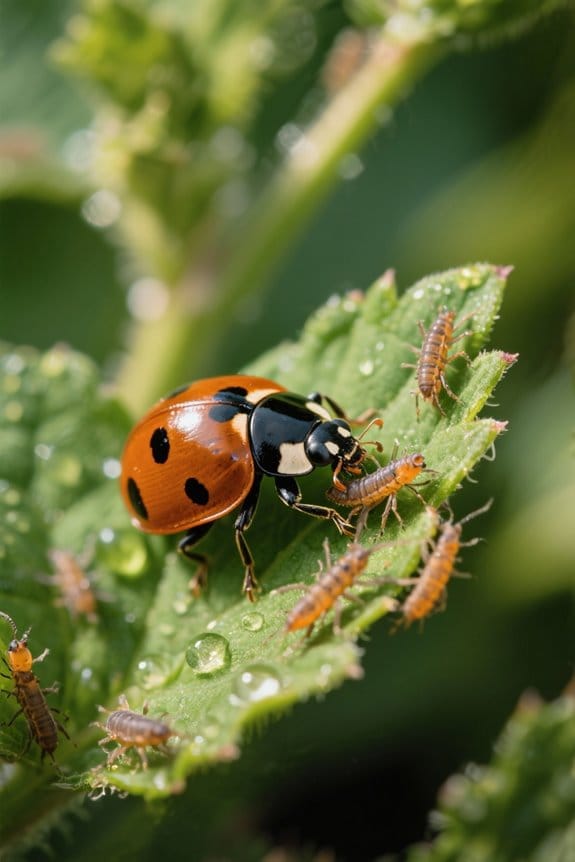
Although gardening can feel like a battle against uninvited pests, introducing beneficial insects into the mix can turn the tide in your favor. Beneficial insects, like ladybugs and lacewings, actively manage harmful insects such as aphids and whiteflies. By keeping these pests in check, they promote healthy plants. Meanwhile, pollinators like bees and butterflies enhance garden output by fertilizing flowers, leading to more fruits and seeds. Parasitic wasps even lay eggs inside caterpillars, effectively controlling pest populations. This diverse insect population not only supports pest management but also improves soil quality. Organic pest control solutions offer eco-friendly options that reduce chemical exposure for plants, pets, and humans. Ultimately, fostering beneficial insects leads to organic pest control, reducing chemical use—making your garden a thriving and vibrant ecosystem. Happy gardening!
Recommended Products

5 Praying Mantis Egg Cases - Live Praying Mantis & 1,500 Ladybugs

Three Immersive Projects Included in One! Learn about butterfly and ladybug metamorphosis and ant behavior all at once! Insect Lore’s Summer Bug Camp includes a Butterfly Garden with live baby caterpillars, Ladybug Land with live ladybug larvae, and Ant Mountain with live Western Harvester Ants, 3 sets of life cycle figurines, 3 STEM Journals, and all necessary supplies. 3 Different Kits, 3 Different Insects, Limitless Learning.

TWO IMMERSIVE PROJECTS – Learn about butterfly and ladybug metamorphosis at the same time! Compare and contrast both life cycles to spark curiosity in the natural world. Insect Lore’s Life Cycle Lessons bundle includes a Butterfly Garden with 10 live baby caterpillars, Ladybug Land with 20 live ladybug larvae, two engaging STEM Journals, and all necessary supplies. 2 Different Kits, 2 Different Insects, Limitless Learning!
Strategies for Encouraging Beneficial Insects
Creating a welcoming environment for beneficial insects can transform any garden into a thriving sanctuary. Start by planting diverse native flora to create habitats that attract these essential allies. Flowering plants that bloom throughout the season provide a continuous food source for both pollinators and predatory insects. Incorporating features like insect hotels or brush piles offers necessary shelter for beneficial insects. Embrace organic pest management methods, such as handpicking pests, to protect your valuable garden helpers while managing pests. Additionally, practice companion planting by aligning pest-susceptible plants with those that draw beneficial insects. Think of it as building a tiny insect community—an ecosystem where every bug plays its part. With these strategies, your garden will not only thrive but flourish! For managing household pests, consider pet-safe ant bait stations that effectively eliminate ant colonies without risking the safety of pets and children.
Recommended Products

【TRANSPARENT DOME TENT】Transparent material, which will allow you to enjoy a 360 degree view of the outdoors. PVC allows for a warm and relaxing outdoor space for you and your family.

WALK-IN GREENHOUSE: Portable, outdoor greenhouse ready to build out of the box. Peak design offers the ideal space for growing plants, starting seeds, and extending growing seasons

60 SECOND SETUP: Set up your outdoor gazebo effortlessly in just 60 seconds—no tools or complex assembly required. Spend more time enjoying the outdoors!
Frequently Asked Questions
What Is the Difference Between Pests and Beneficial Insects?
Insects: heroes or villains? Pests wreak havoc on gardens, demanding pest control methods, while beneficial insects support ecological balance through pest identification techniques and organic gardening practices. Mastering insect life cycles enhances effective pest management strategies, ensuring thriving habitats.
What Are Beneficial Insects in the Garden?
Beneficial insects in the garden include pollinator species, such as bees, and pest control agents like ladybugs. They enhance soil health, support organic gardening, and promote healthy insect lifecycles through techniques like companion planting and beneficial nematodes.
What Is the Difference Between an Insect and a Pest?
Insects are diverse organisms with specific anatomy and life cycles, while pests exhibit detrimental behavior that affects ecosystems. Effective pest management involves understanding their ecological roles and identifying harmful species amidst a rich biodiversity of beneficial insects.
What Is the Definition of a Beneficial Insect?
A beneficial insect is any species that contributes positively to ecosystem balance, aiding in pollination importance, pest control, and biodiversity enhancement, while providing insect benefits like natural fertilizers through predatory insects in sustainable gardening practices.


