As an Amazon Associate, we earn from qualifying purchases. Some links on this site are affiliate links at no extra cost to you. Our recommendations are based on thorough research and editorial judgment.

Early Detection Methods for Garden Infestations

Early detection is essential for keeping garden pests at bay. Regular inspections are key; check twice a week to spot trouble early. Look for signs like discoloration on leaves and pesky insects hiding under them. Using a hand lens can help you see tiny culprits clearly. Engaging beneficial insects, like ladybugs, can add a layer of protection. Remember, a little pest damage might be tolerable, but don’t let them take over. Learn more ways to fortify your plants next!
Key Takeaways
- Conduct garden inspections at least twice a week, focusing on the undersides of leaves and new growth to identify potential infestations early.
- Perform inspections during early mornings or late afternoons, taking advantage of dew and shadows to enhance visibility of pests.
- Utilize a hand lens with 10X magnification for close examination of tiny pests and signs of damage.
- Employ sticky or pheromone traps to monitor pest populations and inform your management decisions effectively.
- Maintain a garden journal to document pest observations, trends, and actions taken for better management over time.
Importance of Early Detection
Recognizing garden infestations early is like catching a cold before it spreads. Early detection plays a crucial role in preserving plant health. Regular monitoring of your plants, at least twice a week, helps spot pest activity before it escalates. Look for signs like discoloration or deformities—they’re often clues that pests are lurking. Don’t forget to check the undersides of leaves; sneaky pests like aphids and spider mites love hiding there. By identifying damage early, gardeners can choose the right pest control methods, such as water sprays or introducing natural predators. Some pest control products offer long-lasting barrier options, providing up to 12 months of protection and reducing the frequency of chemical applications. This approach aligns with integrated pest management, reducing the need for chemical treatments. Timely action keeps your garden thriving, and that’s the ultimate goal!
Optimal Times for Garden Inspections

Ideal times for garden inspections can make all the difference in catching pests early. Early mornings and late afternoons are the best times. In the cool morning air, the dew on leaves highlights pests and damage. Late afternoon offers the advantage of shadows, making insect movements easier to spot. Regular inspections should be performed at least twice a week during the growing season to prevent infestations from escalating. Don’t forget to check the undersides of leaves; many sneaky pests, like aphids and spider mites, love to hide there. Think of it as a game of hide-and-seek — but you want to be the one finding them first! With some diligence, you can keep your garden thriving and pest-free. Organic solutions generally minimize harm to beneficial insects, ensuring that your garden ecosystem remains healthy and balanced.
Key Areas to Examine During Inspections

To keep a garden healthy and lively, regular inspections are essential. Start by inspecting the undersides of leaves. Many pests, like aphids, prefer to hide there. Look for any discoloration or deformation, as these signs often indicate pest damage. Don’t forget to check the stems and new growth too; their tender nature makes them attractive to pests. Keep an eye out for webbing between branches or near the base of plants, which often signals spider mites. Conduct these inspections at least twice a week for early detection of pest activity. Remember, a small problem today can save you from a big headache tomorrow. For an eco-friendly solution, consider using insecticidal soaps to manage soft-bodied pests like aphids effectively. Happy gardening!
Signs of Pest Infestation

How can a gardener tell if pests are invading their beloved plants? Regular monitoring is key. Checking under leaves at least twice a week helps expose hiding insects like aphids. Look out for signs of damage, too. Yellowing leaves and distorted growth signal sap-sucking pests weakening your plants. If you spot visible webbing, it’s time to investigate; spider mites can wreak havoc quickly. Ants on your plants? They often protect aphids for their sweet honeydew, a clear sign of pests nearby. Finally, holes or ragged edges on leaves typically mean caterpillars or beetles are munching away. Identifying these signs early allows for effective control, saving your garden from serious damage and distress. Stay vigilant! Incorporating beneficial insects like Ladybugs and Green Lacewings can help manage pest populations naturally, reducing the need for chemical interventions and promoting a healthier garden ecosystem.
Recommended Products
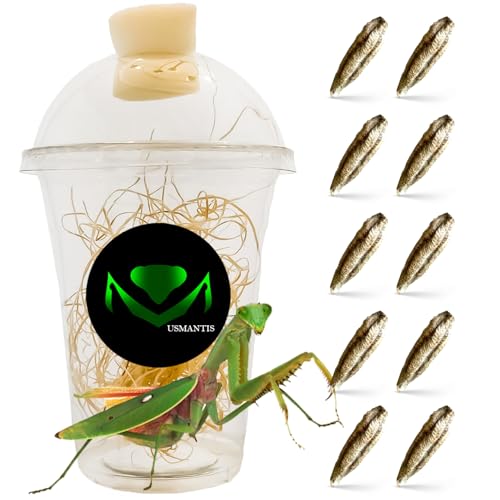
Discover the Fascinating Life Cycle: Hatch your own Tenodera angustipennis mantis nymphs from an ootheca (egg case). This unique species, native to Asia and parts of Oceania, offers a captivating opportunity to observe their development from egg to adult. Each ootheca can produce 10–150 nymphs, making it a rewarding experience for nature lovers and educators alike.

Easy to apply and can be use around humans and pets

KILLS & REPELS. A preventative and a treatment, this plant-powered spray is handcrafted with natural essential oils. Kills mosquitoes, ants, fleas, ticks, roaches, flies, crickets, japanese beetles, no-see-ums, gnats, and more. Safe alternative to conventional pesticide sprays, baits, ant granules, zappers or foggers when used as directed.
Tools for Effective Monitoring

Gardening isn’t just about planting seeds and watering plants; it’s also about keeping a watchful eye for trouble. Regular inspections, at least twice a week, are essential. Focus on the undersides of leaves, stems, and any new growth to spot pesky pests early. A hand lens with at least 10X magnification can help you inspect tiny invaders more closely. To aid monitoring efforts, consider using traps like sticky or pheromone traps. They catch pests effectively and alert you to infestations. Keeping a garden journal is also crucial. Documenting pest damage and noting insect excrement shows trends over time. Incorporating color photos helps in identifying culprits. Many pest control solutions, like neem oil, serve dual purposes as both insecticides and fungicides, while also providing leaf shine treatment. Remember, a proactive gardener is a happy gardener!
Recommended Products

The bigeye is an oversized magnifier with a 5 inch Acrylic lens includes a set of 10 bigeye magnifiers (HU-20AMMU)


Fits easily in a single or double sink
Common Garden Pests to Look For
It’s surprising how many common garden pests sneak into backyards, causing havoc without a gardener even noticing. Aphids, those tiny, soft-bodied nuisances, love to hang out on leaf undersides. They suck plant sap and multiply quickly, so early detection is key. Then there are spider mites. These little critters favor hot, dry weather and leave behind webbing and discolored leaves. Caterpillars, the munching stage of moths, can chew through your greens in no time! Whiteflies flit about, sucking up sap and leaving yellowing leaves in their wake. Scale insects are sneaky, too, appearing as little bumps. Utilizing beneficial insects like ladybugs can help naturally control these pests by reducing reliance on chemical pesticides. Keeping a close eye on your plants prevents these pests from turning your garden into their buffet. Happy gardening!
Recommended Products

SUPER CONCENTRATE MAKES 1,000 GALLONS - Earth's Ally 3 in 1 Plant Spray Super Concentrate creates 1,000 gallons of multi-purpose pest and fungus spray that works as an insecticide, miticide and fungicide. The formula effectively controls insects and common plant diseases with a synergistic blend of botanical oils.

𝐏𝐨𝐰𝐞𝐫𝐟𝐮𝐥, 𝐀𝐥𝐥-𝐏𝐮𝐫𝐩𝐨𝐬𝐞 𝐏𝐞𝐬𝐭 𝐂𝐨𝐧𝐭𝐫𝐨𝐥: Eliminator Insecticide and Fungicide Concentrate tough away and controls mildew, fungus, mold, aphids, spider mites, whiteflies, fungus gnats, thrips, mealybugs, flies, and more – ideal for gardens, crops, greenhouses, and residential spaces.

EFFECTIVE SPIDER MITE, POWDERY MILDEW & PLANT DISEASE CONTROL – Natural miticide and spider mite killer effective against two-spotted spider mites, broad mites, russet mites, whiteflies, aphids, powdery mildew, and downy mildew on vegetables, flowers, houseplants, indoor plants, ornamentals, and garden crops.
Damage Identification and Classification
A keen eye for damage can save a garden from total chaos. Damage identification is essential for effective monitoring. Chewing pests leave visible holes, while sucking pests cause yellowing and stunting. You might spot frass or honeydew—pest excrement that reveals their presence. Look closely at your plants, especially the undersides of leaves where spider mites often hide. These tiny troublemakers can spin webs that are easy to miss. Regular weekly inspections help track pest populations and identify damage early. Remember, the sooner you act, the better! As the saying goes, “An ounce of prevention is worth a pound of cure.” Staying vigilant can transform potential pest damage into simply a bump in the gardening road, not a detour! Utilizing non-toxic options for pest control is crucial to maintaining the health and safety of your garden ecosystem.
Integrating Monitoring With Pest Management
Monitoring a garden isn’t just about noticing the signs of trouble; it also plays a critical role in effective pest management. Regular garden monitoring involves inspecting plants at least twice a week. By checking the undersides of leaves and developing fruits, you can catch early signs of infestations. Knowing your common pest species aids in identifying damage quickly. This way, you can implement timely pest management strategies. Don’t forget to track and record damage weekly. This practice will reveal pest population increases and guide your next steps. Incorporating eco-friendly pest control solutions can enhance your monitoring efforts by reducing chemical exposure and safeguarding beneficial insects. So, think of monitoring as your garden’s first line of defense – after all, “an ounce of prevention is worth a pound of cure!” Happy gardening!
Recommended Products
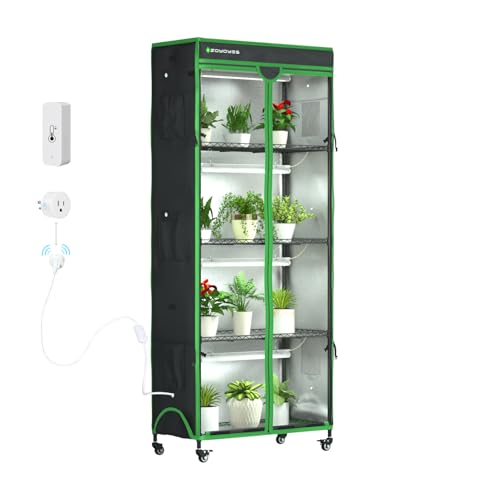
Patented Design for Consumer Protection: ZOYOYES Plant Growth System Suite features a patented design that ensures quality and reliability for indoor gardening enthusiasts
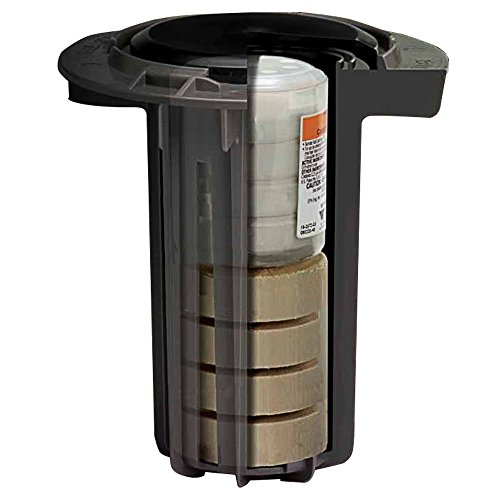
Includes one CASE of TBS systems: 10 x Advance Termite Inspection Cartdrdge (TIC), 10 x TBS station, 10 x wood block for monitor
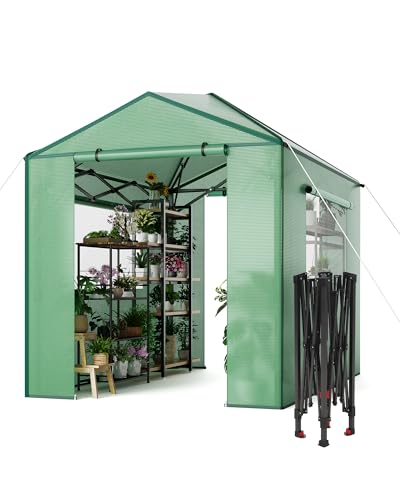
Heavy-Duty PE Cover: The greenhouse is constructed with a high-density PE cover featuring reinforced double-wire weaving, providing exceptional durability and strength. This design ensures superior resistance to tearing while offering waterproof, UV-resistant, and thermal insulation properties, creating an ideal environment for plant growth in all weather conditions.
Tolerance Levels for Pests in the Garden
While it may feel alarming to discover pests in the garden, not all invaders are equal. Some pests, like aphids, can be tolerated in small numbers without harming healthy plants. Establishing tolerance levels is essential. Gardeners should regularly monitor pest populations and consider both damage severity and the presence of beneficial insects. These helpful critters often regulate pest populations on their own, meaning sometimes no intervention is needed. It’s vital to keep an eye on pest presence, as healthy plants can withstand more stress, allowing them to bounce back. When pest levels cross that established tolerance threshold, it’s time to act. Remember, a wise gardener knows when to let nature run its course—and when to roll up their sleeves. Integrated Pest Management (IPM) practices can play a crucial role in determining when and how to intervene sustainably in your garden.
Cultural Practices to Enhance Plant Health
Healthy plants are like sturdy houses, which need a strong foundation to withstand any storm. To build that foundation, implement cultural controls that promote a healthy garden. Start with proper watering practices; keep moisture levels consistent, as both drought and sogginess can stress plants. Ascertain adequate spacing between your plants to allow airflow, prevent humidity, and discourage pesky pests. Regular pruning is also key; removing dead leaves not only tidies up but improves light and air circulation. Be cautious with fertilizers—overdoing it can lead to tender plants that pests love. Finally, maintain a clean garden environment by clearing debris. Remember, a tidy garden is a happy garden, and happy plants resist infestations like champions! Additionally, consider attracting beneficial insects to your garden, as they can naturally help control pest populations and enhance overall garden health.
Recommended Products


TRIED AND TRUSTED PGR: Pramaxis MEC contains 11.3% trinexapac-ethyl; the same active ingredient as Primo Maxx Plant Growth Regulator. For more than 30 years, trinexapac-ethyl has been the active professional turf managers trust for improved turfgrass quality and growth management.

Engaging Beneficial Insects in the Garden
Engaging beneficial insects in the garden can feel like bringing in an army of tiny allies. By integrating beneficial insects, you create a natural balance that aids in reducing pest populations. For example, ladybugs and lacewings feast on aphids and whiteflies. Planting flowers like dill and cosmos attracts natural predators, boosting your garden’s pest management ecosystem.
Providing shelter and minimizing pesticide use helps sustain these allies. Parasitic wasps target harmful larvae, offering effective biological control. Regularly monitoring and identifying beneficial insects guarantees you understand their crucial roles. The combination of these practices promotes healthier plant growth and reduces reliance on harsh chemicals. Just remember, a healthy garden often feels like living in a ‘bug’s life’—without the drama!
Frequently Asked Questions
How to Identify Garden Pests?
Identifying garden pests involves conducting visual inspections for symptoms like yellowing leaves and webbing. Understanding pest life cycles, recognizing seasonal patterns, and noting the presence of natural predators enhance the ability to manage common garden pests effectively.
How to Identify a Plant Infestation?
A plant infestation reveals itself through drooping, discolored foliage, wilting stems, and web formation nestled among the leaves. Uneven growth and pest droppings serve as silent warnings of an unseen menace lurking within the garden.
Can Dawn Dish Soap Be Used as an Insecticide?
Dawn dish soap possesses insecticidal properties effective for pest control. To guarantee soap solution effectiveness, one must follow safety precautions and application techniques, diluting appropriately and testing on plants before full application to avoid damage.
What Is the Best Control Measure for Garden Pests Is Prevention?
Like a sturdy fortress, prevention stands as the best control measure for garden pests. Utilizing pest prevention strategies, such as companion planting benefits and natural deterrent ingredients, alongside seasonal garden upkeep, maintains plant health effectively.