As an Amazon Associate, we earn from qualifying purchases. Some links on this site are affiliate links at no extra cost to you. Our recommendations are based on thorough research and editorial judgment.

Soap and Water Solutions for Various Pests

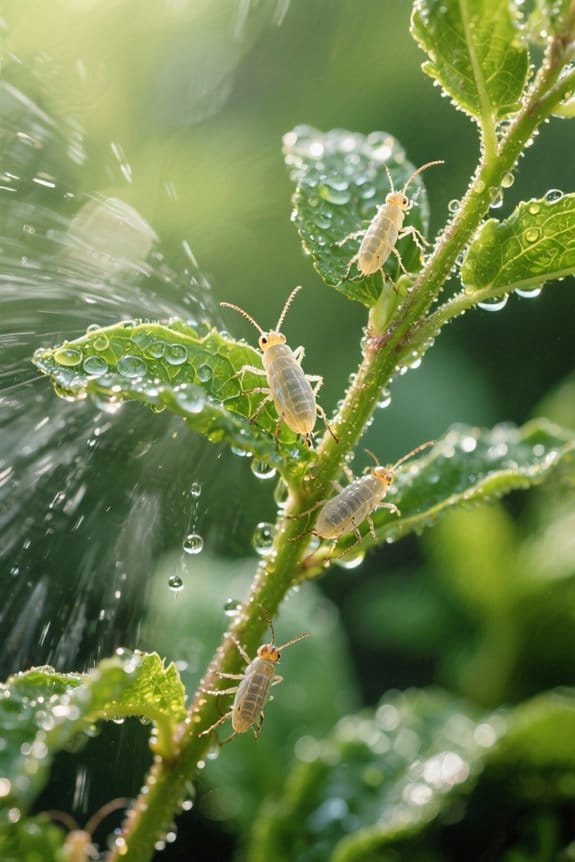
Soap and water solutions can be a gardener’s best friend against pests. Mix 2.5 tablespoons of liquid soap with a gallon of water for a simple insecticidal spray. Aim for soft-bodied bugs like aphids, which won’t know what hit them! Just remember to test on a small area before going all out. And hey, timing is key—apply during cool mornings. For more clever tricks and recipes, there’s plenty more to explore!
Key Takeaways
- Insecticidal soap is formulated to target soft-bodied pests like aphids and mealybugs by disrupting their cell membranes.
- A homemade insecticidal soap can be created by mixing 2.5 tablespoons of liquid soap and oil in 1 gallon of warm water.
- Apply solutions during cool, slow-drying conditions, preferably in the early morning or evening to prevent plant stress.
- For effective pest control, reapply soap weekly and monitor plant reactions to avoid phytotoxicity.
- Use a soapy-water flush technique with lemon-scented dish soap to draw pests to the surface for easier monitoring.
Understanding Insecticidal Soap
Insecticidal soap can be a gardener’s best friend. These soaps work effectively against soft-bodied insects like aphids and mealybugs. Made from potassium salts of fatty acids, they disrupt insect cell membranes, leading to dehydration and suffocation. For best results, make sure you soak the insects thoroughly. The great news? Insecticidal soaps are biodegradable and safe for food crops—no waiting needed after application! However, caution is essential. Overuse can also harm beneficial insects, so test it on a small area first. Apply it during slow-drying conditions to avoid plant damage. Remember, your garden journey can be filled with bumps, but with the right tools, you can keep pests at bay! Keep calm and soap on! Eco-friendly options like Trifecta Crop Control Insecticidal Soap are ideal for those looking for natural solutions.
How to Make Homemade Insecticidal Soap

Creating homemade insecticidal soap can be a simple and effective way to tackle pesky garden bugs. Start by mixing 2.5 tablespoons of liquid soap with 2.5 tablespoons of vegetable oil in one gallon of warm water. This soap mixture can help with pest management without causing plant damage. Alternatively, combine one tablespoon of liquid soap and a teaspoon of garlic or ground red pepper to enhance effectiveness. It’s essential to use garden-specific soaps, like Castile soap, to protect your plants. Always test a small area first, as some plants can be sensitive. When applied thoroughly, homemade insecticidal soap is like a superhero for your garden, ready to zap those unwanted pests! To ensure safety, it’s important to consider the environmental impact of your pest control methods.
Recommended Products

CROP, GARDEN & HOUSEPLANT INSECT CONTROL. Trifecta Crop Control plant based formula targets spider mites, aphids, whiteflies, fungus gnats and other soft bodied pests on indoor and outdoor plants. Safe for edible crops and biodegradable.
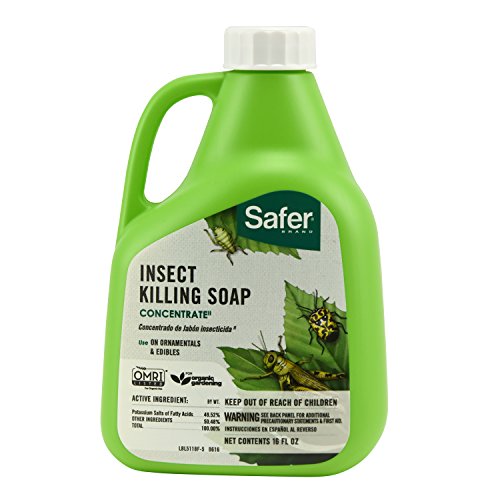
Protect Plants from Insects - Kills a variety of soft-bodied insect pests, including aphids, mealybugs, whiteflies, leafhopper, spider mites, and more

STUNNING: The Cereus forbesii 'Spiralis' is a rare and visually striking architectural cactus, boasting tall, columnar, blue-green, spiral stems that branch out in a candelabra-like arrangement.
Traditional Insecticidal Soap Recipe

Pest problems can feel overwhelming for any gardener. A traditional insecticidal soap recipe offers a simple solution. Mix 2.5 tablespoons of vegetable oil and 2.5 tablespoons of liquid soap into a gallon of warm water. This soap solution effectively targets soft-bodied pests like aphids and spider mites. When applying directly, make sure to thoroughly coat the insects for the best results. You see, the soap suffocates and dehydrates pests by breaking down their protective membranes. But don’t let it dry too quickly! For organic gardening standards, it’s important to use all-natural ingredients like those found in Natria insecticidal soaps. Reapply weekly if pests stick around, and always test on a small plant area first to avoid any uninvited plant drama. A little diligence can go a long way in your pest control journey. Keep gardening with hope!
Recommended Products

EFFECTIVE SPIDER MITE, POWDERY MILDEW & PLANT DISEASE CONTROL – Natural miticide and spider mite killer effective against two-spotted spider mites, broad mites, russet mites, whiteflies, aphids, powdery mildew, and downy mildew on vegetables, flowers, houseplants, indoor plants, ornamentals, and garden crops.

ALL-IN-ONE INSECTICIDE: Professional product begins working within minutes of exposure backed by multiple active ingredients.

INSECT KILLER: 12 Month Tree & Shrub Protect & Feed kills Japanese Beetles, Emerald Ash Borers, Adelgids, Leafminers, Aphids, and other listed insects that damage trees and shrubs
Easy Insecticidal Soap Recipe

When tackling soft-bodied pests, an easy insecticidal soap recipe can be a gardener’s best friend. To whip up this effective solution, mix 1 tablespoon of mild dish soap with 1 quart of warm water. This simple soap mixture combats insects without harsh chemicals. It’s essential to shake it well before use and test it on a small area of your plant first, just to play it safe. Remember that the soap concentration should fall between 1-2% to protect your greenery. Apply the solution early in the morning or late in the evening to avoid scorching your plants. Reapply weekly or as needed to stay on top of those pesky pests. For more persistent pest issues, consider using neem oil sprays, which are effective against a variety of pests like aphids and spider mites. Happy gardening!
Recommended Products
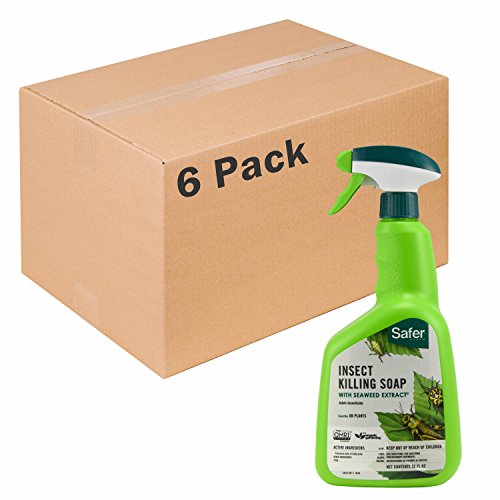
Targets & kills aphids, earwigs, grasshoppers, Harlequin bugs, leafhoppers, mealy bugs, mites, plant bugs, psyllids, sawfly larvae, soft scales, spider mites, squash bugs, blossom trips & whiteflies
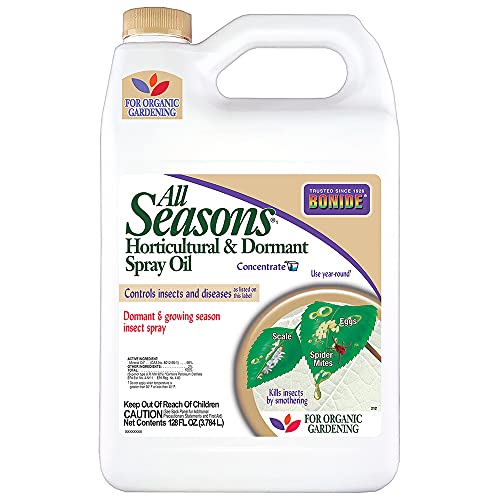
Control insects and diseases in your home garden with All Seasons Horticultural & Dormant Spray Oil Concentrate; use year-round to control listed insects and diseases

3 GARDEN PRODUCTS IN 1: Fungicide, insecticide & miticide product kills eggs, larvae and adult stages of listed insects and prevents fungal attack of plant tissues
All-Around Pest Repellent Recipe

Gardening can be a delightful journey, filled with the beauty of growing plants. To ward off pesky soft-bodied insects like aphids and spider mites, consider an all-around pest repellent. This simple recipe combines 1 tablespoon of liquid soap with 1 quart of warm water, and adds a teaspoon each of garlic and apple cider vinegar for an extra punch. Soap sprays disrupt the cell membranes of these insects, aiding your pest management without harmful chemicals. Just remember, regular application is key, especially after rain or if new pests appear. Always spot test a small area before widespread use to avoid any plant surprises. Happy gardening! You’re on your way to a thriving, healthy garden! Additionally, using organic ingredients in pest repellents can ensure the safety of your garden while promoting ecological health.
Application Methods for Insecticidal Soap
Though it may seem challenging, applying insecticidal soap can be an easy and effective way to combat those bothersome garden invaders. To start, prepare a solution with a 1 to 2% concentration of soap – that’s about 1 to 2 teaspoons of dish soap per pint of water. Next, apply the insecticidal soap thoroughly on affected plant surfaces. Make sure it coats those soft-bodied pests for effective pest control. Timing is key; early morning or cool evening hours work best. Don’t forget, repeat applications might be necessary to keep those uninvited guests at bay. Insecticidal soaps are effective against a variety of pests including thrips and are safe up to harvest day, requiring contact with insects to be effective. And for larger pests, consider using a bucket of soapy water to gently drown any handpicked invaders. Keep your garden free of pests!
Timing and Frequency of Applications
Timing and frequency of insecticidal soap applications are essential for effective pest control. It’s vital to monitor plants regularly for new insect populations. Spotting pests early allows you to take action just in time. If you spray when no insects are present, you might as well be spraying water. The soap only works when it directly touches the pests. Plan on reapplying weekly until the problem is tackled. For best effectiveness, apply during slow-drying times like early morning or late evening. This strategy minimizes plant damage and boosts impact. Remember, you want to get the soap on the bugs, not the leaves! Consistent monitoring of usage and reapplication is essential for sustained results. Keeping to this schedule means you’ll be on the path to a pest-free garden before you know it.
Safety Precautions When Using Insecticidal Soap
When using insecticidal soap, it’s important to keep safety in mind. Always follow the label instructions to prevent phytotoxicity, as misapplying soaps can damage sensitive plants. Avoid applying insecticidal soap when temperatures exceed 90°F or if plants are under drought stress; this increases the risk of harm. Before widespread application, test a small area to see how the plants respond. And don’t forget to wear gloves! Some folks might develop rashes from contact with the soap solutions—yikes! Remember, you want to thoroughly coat the pests, but avoid excessive runoff that can hurt your plants and the environment. A little precaution goes a long way, making gardening safer and more enjoyable! Additionally, consider trying natural and eco-friendly solutions like neem oil or garlic spray, which can provide effective pest control without the use of harsh chemicals.
Plant Sensitivity and Safety Tips
While many gardeners hope to conquer pests with soap solutions, it is important to remember that some plants, like hawthorn and sweet pea, can be sensitive to these treatments. Such sensitivity may lead to phytotoxicity if not handled carefully. To protect these vulnerable plants, start with a small test area to check for adverse reactions. Dilution is key! Use the lowest recommended concentration of insecticidal soap to minimize risks. Aim to spray during cool morning hours; this helps prevent damage. Don’t forget to monitor how your plants respond after treatment. Think of it as a delicate dance. You wouldn’t rush onto the dance floor without warming up, right? The same goes for effective pest management—start slow and observe before diving in! Introducing beneficial insects, such as ladybugs, can enhance overall garden health by providing natural pest control and reducing the need for chemicals.
Misunderstandings About Soap Use in Pest Management
Many gardeners commence on the journey of pest management with the belief that all soaps are created equal. However, household dish soaps are actually detergents meant for cleaning. Using them in the garden can be risky. They may strip away a plant’s protective layers, causing unintentional damage. Plus, many folks don’t realize that soaps don’t just target bad insects; they can also harm beneficial insect populations, crucial for a healthy garden. Registered insecticidal soaps are designed specifically for pest control and are gentler on plants. Beware of unregulated DIY soap mixtures that might cause phytotoxic effects. Just remember, not all soaps are garden-friendly—even the bubbly ones! Stick to EPA-approved products to keep your garden thriving. For those considering other pest control methods, weather-resistant materials in traps can ensure effectiveness even in various outdoor conditions.
Soapy-Water Flush Monitoring Technique
Engaging in a soapy-water flush is a simple yet effective way to monitor pests in your garden. To perform this monitoring technique, mix 1-2 tablespoons of lemon-scented dish soap with 1-2 gallons of water. Pour it over a one-square-yard area and watch as insects emerge. This method irritates their exoskeletons, bringing them to the surface for easier detection. You might spot annual bluegrass weevils or chinch bugs, which means your garden needs attention. Importantly, this technique reduces reliance on chemical pesticides. It typically takes 5-10 minutes to see results, so be patient. If you don’t see enough insects, try a second flush. Remember, in the world of gardening, early detection is key!
Frequently Asked Questions
What Is the Best Homemade Insecticidal Soap Recipe?
The best homemade insecticidal soap combines 2.5 tablespoons of vegetable oil and 2.5 tablespoons of liquid soap in a gallon of water, providing effective soap mixtures and pest prevention strategies for organic gardening benefits. Always test applications first.
What Does Putting Irish Spring Soap in Your Yard Do?
Placing Irish Spring soap in the yard serves as a fragrant pest deterrent, offering eco-friendly benefits. Garden tips suggest its use may attract beneficial insects while simultaneously protecting plants, though careful application is essential to avoid potential harm.
Does Soap Keep Pests Away?
Soap does not keep pests away; its effectiveness lies in direct contact, acting as a pesticide. While it serves as a natural deterrent, careful application is essential for both environmental safety and garden health in pest control.
Can You Use Vinegar and Dawn as Insecticide?
“Curiosity killed the cat,” but homemade insecticides like vinegar and Dawn can pose risks. While vinegar benefits pests, Dawn’s effectiveness is limited. Safer insecticidal alternatives offer better pest control without harming plants, ensuring safer gardening practices.