As an Amazon Associate, we earn from qualifying purchases. Some links on this site are affiliate links at no extra cost to you. Our recommendations are based on thorough research and editorial judgment.


Seasonal Migration of Garden Pests

Seasonal migration of garden pests happens as they search for food, water, and shelter. Mosquitoes, ants, and rodents often invade urban areas, especially when food is scarce. If pests overwhelm your garden, they can stress your plants and reduce yields. Thankfully, keeping your space clean and sealing entry points can help deter these unwanted visitors. A few clever strategies can protect your garden from pests, ensuring it remains healthy and productive. Stick around to discover more effective solutions!
Key Takeaways
- Seasonal migrations of pests, driven by food and water availability, can lead to increased infestations in gardens.
- Rising temperatures and milder winters enhance pest survival and activity, particularly in springtime gardens.
- Common migratory garden pests include mosquitoes, ants, stinging insects, and tomato hornworms, each identifiable by specific traits.
- Effective preventive measures include sealing entry points, maintaining cleanliness, and regular monitoring for early pest detection.
- Natural predators and organic control methods, such as beneficial insects and crop rotation, help manage pest populations sustainably.
Why Do Pests Migrate?
Pests migrate for several reasons, and understanding these can help gardeners protect their plants. One of the main factors is the search for food sources. When supplies dwindle, pests head to greener pastures. Water availability also plays an essential role; they seek out areas where moisture is abundant, just like anyone longing for a revitalizing drink on a hot day. Additionally, many insects look for shelter, hiding in dense vegetation to escape predators and harsh weather. Finally, breeding needs can prompt migration, as pests travel to ideal spots for laying eggs. So, if you notice a sudden influx of creepy crawlers, remember, they’re just following their basic instincts—much like us when we spot a buffet! An effective way to manage pest migration is through chemical-free pest control methods, which not only protect plants but also align with eco-friendly practices.
Common Summer Pests That Migrate

As summer rolls in, an array of common pests rises to the occasion, often migrating to find the perfect environment for their survival. Mosquitoes, for example, travel from wetlands to urban areas, keen to sip on blood meals. Ants, those tiny food-hunters, leave their colonies in search of picnic leftovers. Rodents, like mice and rats, seek refuge in homes and gardens when food gets scarce outside. Stinging insects, such as wasps and hornets, buzzing around may find food sources nearby, creating risks for outdoor fun. Even flies make their migration, moving from decaying matter to human settlements, lured by easily accessible food. To manage these pests effectively, consider using mosquito control solutions that repel or kill mosquitoes while being safe for pets and the environment. So, brace yourself! This summer, your backyard might feel more like a pest’s paradise.
How to Prevent Pest Migration

Preventing the migration of unwanted pests into your garden or home can feel like an uphill battle, but with a few proactive steps, it doesn’t have to be. Start by sealing all entry points, like cracks around windows and doors. Think of it as putting up “pest-free” signs! Remove standing water sources to cut down on pesky mosquitoes. Maintaining a clean environment helps deter pests; a tidy home discourages those sneaky ants and flies. Installing screens on doors and windows creates a solid barrier against pest activity. Finally, natural repellents like citronella and lemongrass can work wonders in your garden. With these steps, you can effectively prevent migration and enjoy a pest-free sanctuary in your home and garden! Additionally, using RatX all-natural pellets can provide a non-toxic solution to manage rodent activity by ensuring active placement and regular monitoring.
Impact of Pest Migration on Gardens

When garden pests begin their seasonal migrations, the impact can feel overwhelming. As temperatures rise, pests like mosquitoes and ants swarm into gardens, seeking food and water. This surge can stress plants, particularly when aphids and tomato hornworms show up uninvited. They can sap the health of your garden, leading to poor yields. Stinging insects, like wasps and hornets, may also invade urban areas, putting pets and people at risk. While it sounds intimidating, there are effective ways to manage these pests. Sealing entry points and eliminating standing water can help. Maintain cleanliness in your garden, and you’ll be less likely to host unwanted guests. Remember, a little preparation goes a long way in protecting your garden! It’s also beneficial to use eco-friendly options like non-toxic spider traps to manage spider infestations without harming the environment.
Climate Change and Its Effect on Pest Behavior

While the garden thrives with the promise of spring, climate change quietly reshapes pest behaviors in unexpected ways. Rising average temperatures lead to early pest activity, meaning those little critters may start munching on your plants before you know it. Milder winters let more pests survive, causing increased pest populations. Altered weather patterns also create stress in plants, leaving them more vulnerable. For instance, aphids could enjoy more generations in a single season. If you notice any pest problems, remember that it’s not just you—climate change plays a role. Stay vigilant and keep your garden healthy. As the saying goes, “An ounce of prevention is worth a pound of cure,” so don’t let the little buggers win this season! Additionally, using effective pest control methods, such as the BASF Advance Carpenter Ant Bait Granules, can help you manage infestations and protect your garden’s health.
Do Warmer Winters Mean More Pests?
Have you ever wondered why your garden seems to be buzzing with more pests these days? Warmer winters, especially in urban areas, can cause pests to survive better and emerge earlier. This means that insects like mosquitoes and ticks thrive in those humid conditions, leading to more uninvited guests in your garden. Additionally, native insects typically manage temperature changes well, while introduced pests may disrupt local ecosystems. A shift in warmer temperatures can confuse the natural cycles that keep pest populations and their natural enemies in check. Consequently, you might find more pests than you expect. Don’t worry, though; understanding these changes allows you to prepare and safeguard your garden against these pesky intruders! To combat this, many gardeners are turning to organic pest control solutions, which are safe for kids and pets, to maintain a healthy garden ecosystem.
How Insects Survive Winter
As winter approaches, insects face a tricky challenge: how to survive the cold. Many insects enter a dormant state, slowing their metabolism to conserve energy. Some even produce cryoprotectants to prevent their bodily fluids from freezing. Others take migration to heart, moving to warmer regions and avoiding the chill altogether. However, unpredictable weather patterns can be a real bugbear. Cold-blooded insects may struggle if temperatures fluctuate drastically. Warmer winters might lure some insects out of hiding too early, leading to mismatches with available food and a higher risk of mortality. It’s a balancing act – both frustrating and fascinating. Understanding these survival strategies helps gardeners appreciate even the tiniest beneficial insects that brave the elements. After all, survival is a team effort! Incorporating beneficial nematodes into your garden can help manage soil-dwelling pests, promoting ecological balance even during challenging seasons.
Gardening Considerations for Pest Management
Pest management in the garden can feel like a never-ending game of whack-a-mole, where just when one pest is dealt with, another pops up. To effectively protect your garden, regular monitoring is key. Keeping an eye on plant health allows for early intervention, which is essential. Maintain a tidy space by clearing away debris and dead plants; a clean garden means fewer pest habitats. Consider planting decoy crops to distract pests from your main plants. Also, invite beneficial insects like lady beetles and lacewings to naturally control pesky populations. Finally, utilize statewide integrated pest management strategies, like rotating crops yearly. Disrupting pest life cycles helps guarantee healthier plants and a more fruitful harvest. Spinosad effectively targets thrips while being safe for beneficial insects. Happy gardening!
Recommended Products

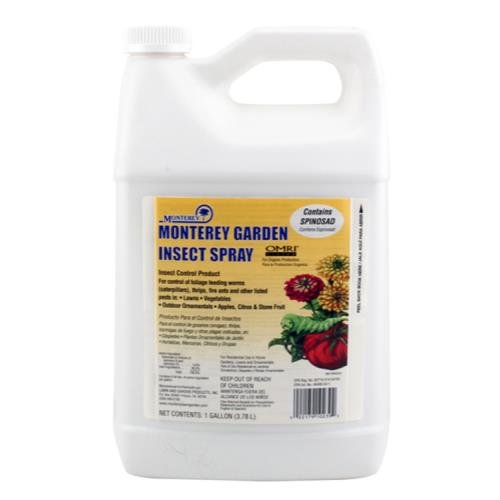
Offers quick kill – insect pests exhibit symptoms in minutes resulting in rapid cessation of plant/turf damage. Control is evident within one to three days

CONTROLS MANY INSECTS IN MANY SETTINGS - This insect treatment spray controls caterpillars, leafminers, codling moths, tent caterpillars, gypsy moths, trips, borers, fire ants, and more. This pest control can be used on outdoor ornamentals, lawns, vegetables, and with citrus and fruit trees.
Identification and Monitoring of Common Pests
While gardening can be a joy, it frequently comes with its share of pesky visitors. Early spring heralds the arrival of common pests like tomato hornworms, recognizable by their green bodies and horn-like projections. Keep an eye out for their frass—it’s a sure sign of trouble! Carpenter ants can sneak in, too; if you spot sawdust-like shavings in cracks and crevices, you may have a nest nearby. Melon aphids leave sticky residues beneath leaves, causing distortion and leaving behind sooty mold. To stay one step ahead, regular monitoring is essential. Use sticky traps and keep a garden journal to track pest sightings and plant health. Remember, a vigilant gardener is a victorious gardener! For effective pest control, Diatomaceous Earth products offer a chemical-free solution that is safe for pets and children, ensuring a healthier garden environment.
Strategies for Controlling Tomato Pests
Effective strategies for controlling tomato pests can make a world of difference in a gardener’s experience. Regular monitoring is essential; catching pests early is key to avoiding those devastating pest attacks. For instance, handpicking tomato hornworms and using Bacillus thuringiensis (Bt) on younger caterpillars can save your plants. If you notice stink bugs, try reducing weedy areas and handpicking them off. During mild winters, pests may stick around longer, so stay vigilant. Physical barriers like row covers can also keep pests at bay during critical growth periods. Incorporating beneficial insects like Green Lacewings can also enhance pest management by targeting specific pests such as aphids and whiteflies, reducing the need for chemical treatments. Remember, the sooner you act, the less damage you’ll face. In the words of a wise gardener, “An ounce of prevention is worth a pound of tomatoes!” Stay proactive and watch your harvest thrive!
Effective Aphid Management Techniques
A gardener’s efforts can quickly be undermined by a sudden aphid invasion. Monitoring plants regularly for aphid presence is key to keeping them at bay. If you catch them early, you can prevent leaf distortion and curling. Consider using water sprays; they can dislodge those pesky aphids without harming beneficial insects. Insecticidal soaps and rosemary oil are excellent organic options that protect your garden’s allies. Plus, eliminating weedy areas can reduce habitats that favor these invaders. With the right techniques, you can maintain your garden’s health and avoid the heartbreak of an aphid colony takeover. Remember, a proactive gardener is a happy gardener! So, keep an eye out and let those plants thrive!
Natural Predators and Organic Control Methods
Natural predators and organic control methods can be a gardener’s best friends when it comes to managing pesky pests like aphids. For instance, lacewing and syrphid fly larvae are effective in reducing aphid populations. Parasitic wasps also help by laying eggs inside aphids, leading to their demise—a take-out order that benefits your garden!
Additionally, organic control methods like insecticidal soaps or rosemary oil can manage pests without harming beneficial insects. Biological insecticides like Bacillus thuringiensis specifically target caterpillars without affecting helpful organisms. Planting flowers that attract beneficial insects creates a thriving ecosystem in your garden. Embrace these natural strategies, and you’ll find that nurturing your plants can be fun—like having nature’s little bodyguards on duty!
Recommended Products

CROP, GARDEN & HOUSEPLANT INSECT CONTROL. Trifecta Crop Control plant based formula targets spider mites, aphids, whiteflies, fungus gnats and other soft bodied pests on indoor and outdoor plants. Safe for edible crops and biodegradable.
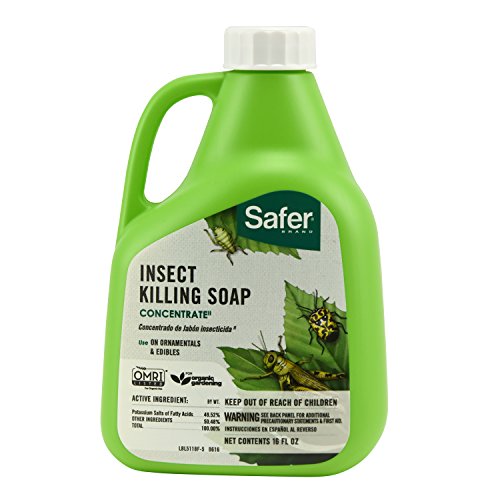
Protect Plants from Insects - Kills a variety of soft-bodied insect pests, including aphids, mealybugs, whiteflies, leafhopper, spider mites, and more

100% PURE, UNDILUTED SEED OIL: Extracted from the seeds of the Neem tree via a Cold Pressed method. This oil is delivered in its most concentrated, unadulterated state, providing maximum botanical purity for cosmetic use.
Frequently Asked Questions
How to Get Rid of Overwintering Garden Pests?
To eliminate overwintering garden pests, one should utilize pest control methods like removing plant debris, sealing entry points, employing natural deterrents through companion planting, and covering soil with physical barriers, following essential gardening tips for success.
Do Bugs Go Away in October?
Bugs don’t vanish like magic in October; instead, their behavior shifts. As seasonal changes occur, pests prepare for winter by seeking warmth indoors, indicating that many remain active, requiring proactive pest management to prevent infestations.
What Animal Is Eating My Garden at Night?
Nocturnal pests such as raccoons, deer, rabbits, and rodents are common culprits causing garden damage at night. Wildlife identification is essential to determine which animals are responsible for specific signs of disturbance and destruction.
Do Bugs Go Away in September?
Ironically, while September suggests an exit for bugs, many pests actually thrive. Fall pest behavior showcases surprising September bug trends, as insects adjust their activity and find refuge indoors, defying the notion of disappearing entirely.