As an Amazon Associate, we earn from qualifying purchases. Some links on this site are affiliate links at no extra cost to you. Our recommendations are based on thorough research and editorial judgment.

Dealing With Squash Vine Borers Organically

To tackle squash vine borers organically, start by covering your plants with lightweight row covers until blossoms appear. This keeps pesky moths away. Regularly inspect for wilting leaves or yellow frass at the base. If you spot larvae, gently slice the vine open and remove them, then bury the wound in soil. Applying Bacillus thuringiensis (Bt) can also work wonders. Remember, a diverse garden with beneficial insects can be your best ally against these pests. Want to explore more strategies?
Key Takeaways
- Use lightweight row covers to protect squash plants from adult moths from planting until flowering begins.
- Regularly apply Bacillus thuringiensis (Bt) and insecticidal soap to target squash vine borer larvae effectively.
- Hand-pick adult moths and introduce trap crops like Hubbard squash to divert pests away from main crops.
- Encourage beneficial insects, such as lacewings and parasitic wasps, to naturally manage squash vine borer populations.
- Monitor plants regularly for signs of infestation and maintain soil health through compost and proper watering practices.
Understanding Squash Vine Borers
Understanding squash vine borers can feel like deciphering a secret code in your garden. These sneaky pests, the larval stage of clear-winged adult moths, can lay up to 250 eggs! When those eggs hatch, the larvae will burrow into your plant stems, causing havoc. They feast on nutrients, weakening or even killing your squash plants. With their orange and dark grey coloration, these moths can easily be mistaken for paper wasps, giving them an edge against predators. Effective pest management is essential. Keeping your garden clean and inspecting plants early helps catch infestations before they escalate. Remember, a well-prepped garden is a happy garden. Just think of it as giving those pesky borer invaders a good old-fashioned eviction notice! To protect your garden, consider using organic pest control solutions that are safe for families and pets, ensuring minimal harm to beneficial insects while effectively managing pests.
Identifying Signs of Infestation
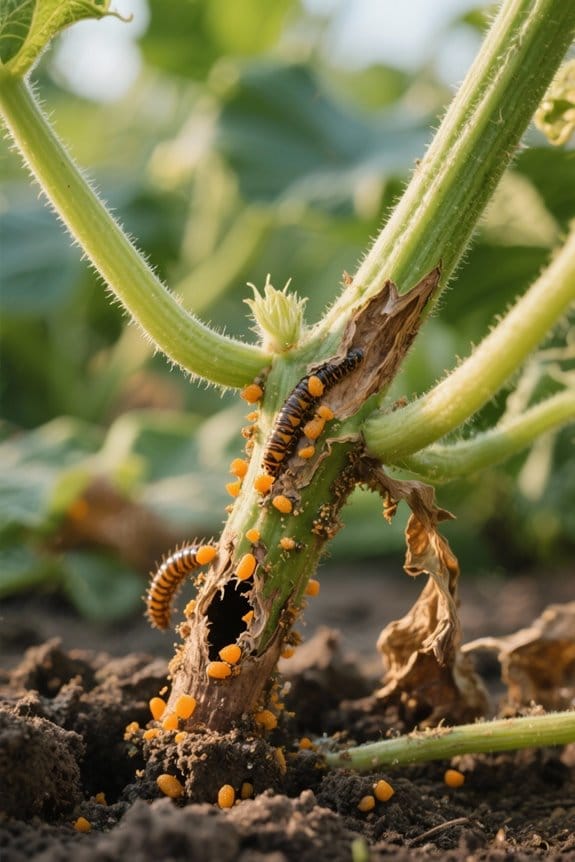
Noticing the first signs of a squash vine borer infestation can feel like trying to catch a thief in the night. Early indicators include the wilting of leaves on squash plants, which may mimic water stress. If you see yellow frass—chewed plant material—at the base of the stems, that’s a clear signal of trouble brewing. Quick action is essential because, as the larvae feed, they can cause a rapid decline in plant health. Pay attention to holes at the base of the plants; these often lead to the creamy, brown-headed larvae munching away inside. If you spot these signs, don’t fret! Early detection can make all the difference in saving your squash plants from doom. To manage the infestation naturally, consider using an insecticidal soap that targets soft-bodied pests for effective control.
Recommended Products
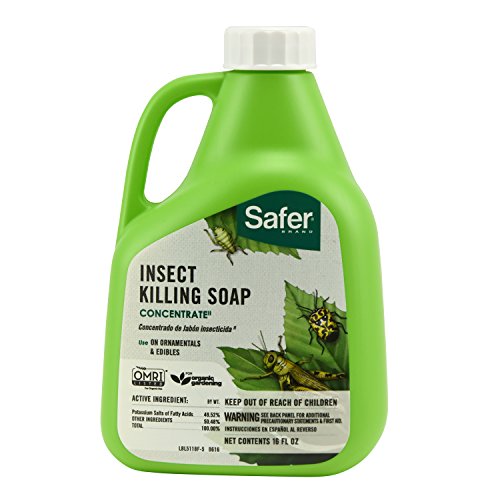
Protect Plants from Insects - Kills a variety of soft-bodied insect pests, including aphids, mealybugs, whiteflies, leafhopper, spider mites, and more

CROP, GARDEN & HOUSEPLANT INSECT CONTROL. Trifecta Crop Control all-natural, plant-based formula effectively combats destructive spider mites, aphids, whiteflies, fungus gnats, and other soft-bodied pests on indoor and outdoor plants. Our biodegradable, eco-friendly solution is safe for use on edible crops, without chemical residues. Our gentle yet potent plant spray suffocates and dehydrates pests without harming beneficial insects or the environment, making it ideal for organic gardening.

Leaves a natural shine
Preventive Measures to Protect Your Garden
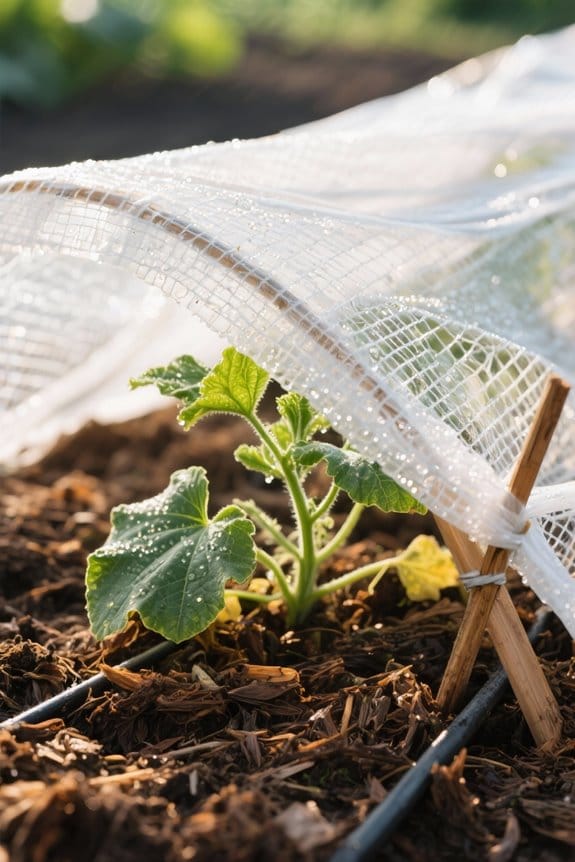
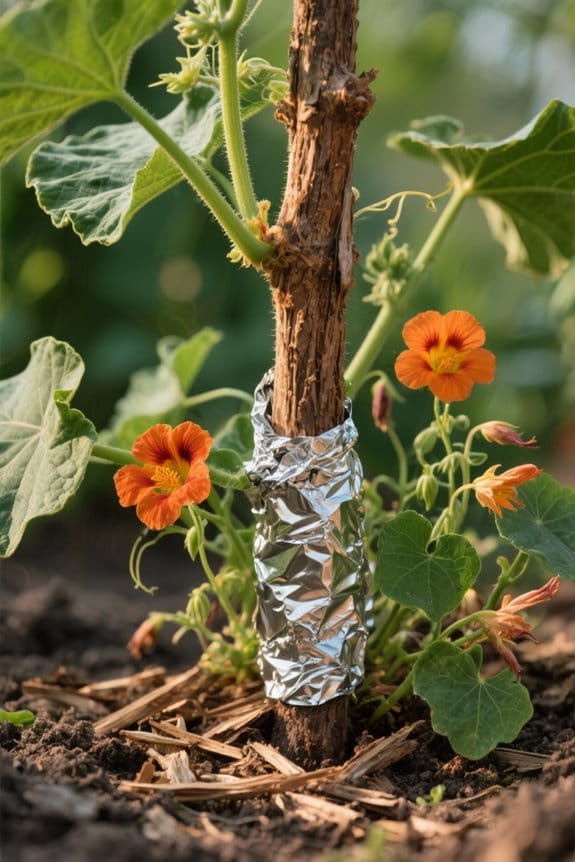
To protect your garden from squash vine borers, implementing a few simple strategies can make a world of difference. Start by using lightweight row covers like Agribon 15 from planting until the flowers bloom. This keeps pesky moths at bay while still allowing pollination. Regularly inspect your plants for brown, flattened eggs and squish them or submerge them in soapy water to prevent crop devastation. Wrapping plant stems with materials like tin foil or pantyhose can deter those sneaky egg-layers. Additionally, keep your soil clean of fallen leaves and debris for effective insect control. Finally, consider replanting new squash crops every 2-3 weeks. If one batch gets hit, you’ll have others still thriving in your garden! For an eco-friendly approach, consider using a chemical-free method to disrupt the breeding cycle of harmful insects in your garden.
Monitoring and Removal Techniques
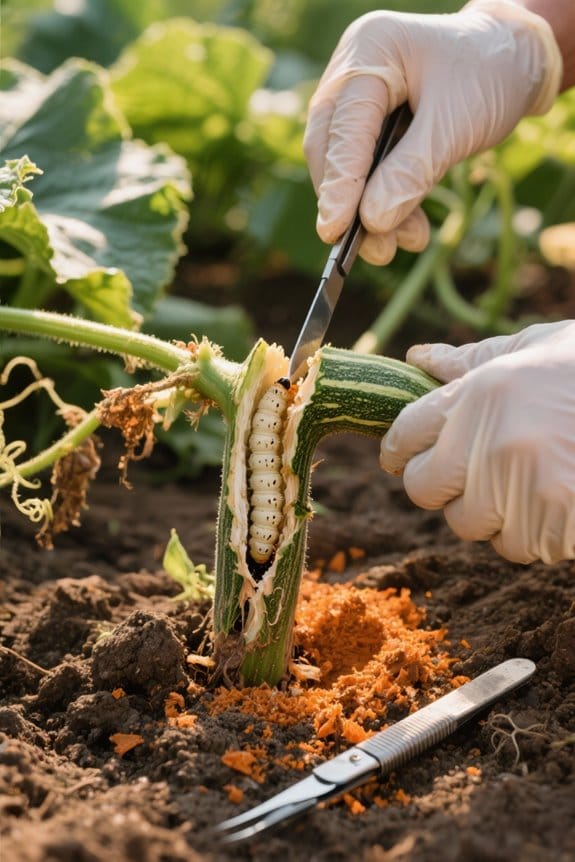
Regularly monitoring squash plants is essential for keeping squash vine borers at bay. Early mornings and dusk are the best times for this. Look for any signs of wilting or frass, which could indicate an infestation. If you find larvae, it’s time to act! Carefully slit the vine with a sharp knife and remove the pest, then cover the area with soil to help it heal. For added mini-mission success, inject Bacillus thuringiensis (Bt) into the stem, targeting those sneaky larvae directly. Weekly applications of insecticidal soap at the base can also smother eggs and keep those insect pests in check. Organic gardening standards are maintained by using insecticidal soaps with all-natural ingredients, ensuring a pesticide-free garden. With these control methods, you’ll have your squash plants thriving and smiling again! Happy gardening!
Crop Management Strategies for Long-Term Success
After taking steps to monitor and manage squash vine borers, the focus can shift to long-term crop management strategies that keep these pests at bay for good. Regular crop rotation is essential; avoid replanting cucurbits in the same spot for at least three years. This breaks the life cycle of squash vine borers effectively. Lightly cultivate your garden soil in fall and early spring to expose pupae to natural predators. Consider trap cropping, too; plant Hubbard squash to lure borers away from your prized varieties. Finally, choose resistant squash varieties like Green Striped Cushaw and Butternut. You’ll see improved resilience in your garden. Remember, a healthy garden is a happy garden, so keep an eye out and stay proactive! Additionally, introducing beneficial insects such as ladybugs can enhance natural pest management, reducing the need for chemical pesticides.
Recommended Products

Protect Squash, Zucchini, Pumkpin and similar plants from invasive Squash Vine Borer damage. Natural and 100% safe for edible gardens

Organic Control Methods and Materials
Confronting squash vine borers can feel like an uphill battle, but there are effective organic control methods that offer real hope. One excellent option is Bacillus thuringiensis (Bt), a natural bacterium that targets the squash vine borer specifically. For those pesky eggs and larvae, regular applications of insecticidal soap can work wonders by smothering them at the base of plants. Consider incorporating lightweight row covers, which act as a barrier to keep these invaders at bay. Using trap crops like Hubbard squash can divert squash vine borers from your prized plants. Together, these strategies form a solid organic pest management plan, proving that with a little effort, you can take back control of your garden. Many BT products are OMRI Listed, ensuring they meet USDA organic standards and are safe for beneficial insects like bees. Happy gardening!
Importance of Planting Timing
Successfully managing squash vine borers requires more than just effective control methods; it starts with planting timing. In northern climates, consider planting squash in early July. This timing allows plants to mature before the adult moths are flying around laying their eggs. If you’re in southern regions, aim for early to mid-August to avoid peak borer activity. Robust plants are less likely to fall victim to pest damage. Remember, the earlier you plant, the stronger their root systems will be. So, when growing squash, think ahead: timing matters! Avoid nail-biting moments later in the season by getting your squash into the ground when it’s safe, and you’ll reap the rewards of a borer-resistant harvest. Additionally, using organic pest control solutions can help protect your plants from borers without harming beneficial species, contributing to a sustainable garden.
Encouraging a Diverse Ecosystem in Your Garden
A thriving garden brimming with life can make all the difference when it comes to squashing those pesky vine borers. Organic growers know that fostering a diverse ecosystem is essential. By maintaining various crops—vegetables, fruits, and flowers—you can attract beneficial insects and pollinators. Think of marigolds, which not only cheer up the garden but also help repel certain pests. Regularly rotate crops to disrupt pest life cycles; squash vine borers can’t establish strong populations if they can’t find their favorite snacks! Create brush piles for birds and predatory beetles—they’ll help control pest numbers. With these steps, your garden can morph into a vibrant sanctuary that keeps those vine borers at bay, allowing your plants to thrive. Introducing beneficial insects like Green Lacewings can enhance garden health by targeting specific pests, reducing the need for chemical treatments, and promoting a healthier ecosystem.
Frequently Asked Questions
How to Get Rid of Squash Vine Borers Organically?
Ninety percent of gardeners face squash vine borer issues. Effective squash cultivation methods include using organic insecticides, applying mulch, and implementing companion planting tips. Understanding the borer life cycle enhances management strategies for healthier plants.
How Do Farmers Prevent Squash Vine Borers?
Farmers prevent squash vine borers through effective pest management strategies, including crop rotation, companion planting, organic mulching, and implementing preventive measures like row covers and stem wrapping to deter the pests from infesting their crops.
What Herbs Repel Squash Vine Borers?
Basil, mint, and thyme emerge as heroic defenders in the garden, while marigolds and dill join forces through companion planting, acting as natural pesticides. This dynamic duo enriches garden maintenance and enhances plant rotations, thwarting squash vine borers.
Can You Save a Plant From Squash Vine Borers?
Yes, a plant can be saved from squash vine borers. Preventative measures and timely damage assessments enable recovery strategies, while recognizing early signs can enhance plant resilience against infestations and increase the chances of successful recovery.