As an Amazon Associate, we earn from qualifying purchases. Some links on this site are affiliate links at no extra cost to you. Our recommendations are based on thorough research and editorial judgment.
Using Diatomaceous Earth Safely in Gardens

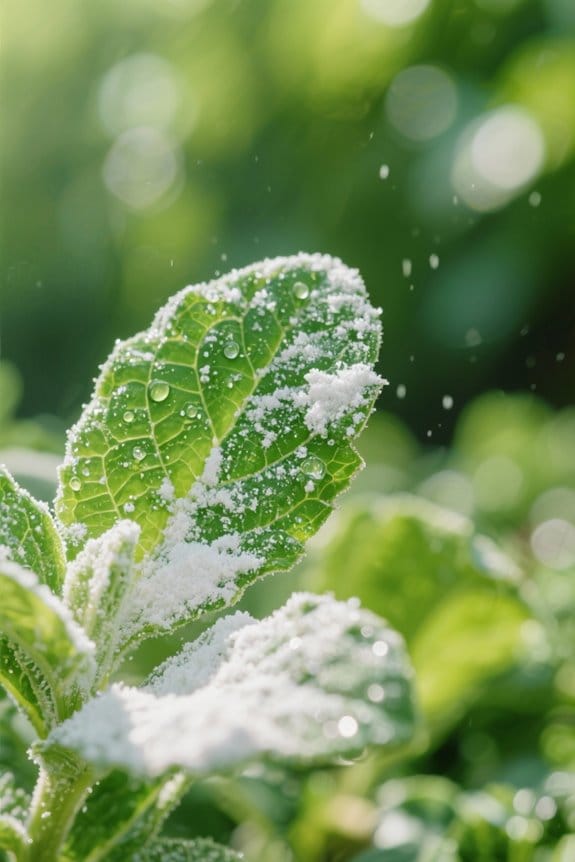
Using diatomaceous earth (DE) safely in gardens can be effective with a few precautions. Always apply it when plants and soil are dry to prevent clumping. Sprinkle a fine layer around plants, focusing on the base where pests crawl. Remember, DE can harm beneficial insects, so avoid flowering plants during bloom. Make sure to reapply after rain or watering, as moisture deactivates its powers. Keep an eye on your garden’s health, and you’ll learn more about optimizing DE usage.
Key Takeaways
- Apply diatomaceous earth (DE) only when plants and soil are dry for optimal pest control effectiveness.
- Use a mask and gloves during application to prevent inhalation and skin contact with fine dust.
- Target application around the base of plants to minimize impact on beneficial insects like pollinators.
- Avoid using DE on flowering plants to protect butterflies and bees from dehydration.
- Keep children and pets away during and immediately after application to ensure safety.
What Is Diatomaceous Earth?
Diatomaceous earth (DE) is like nature’s little secret weapon for gardeners. It’s a fine powder made from fossilized remains of tiny algae called diatoms. These diatoms have been collecting for ages and, when processed, turn into a dust-like substance, known as food-grade diatomaceous earth. This type is safe for home gardens and is even approved by the UK Soil Association. DE works wonders against pests like aphids and slugs, dehydrating them by damaging their exoskeletons. Just remember, it’s not a magic wand! Regular application is key, especially since DE loses its punch when wet. HARRIS Diatomaceous Earth is a highly praised option among gardeners for its versatility and effectiveness. So, keep it dry, and you’ll be enjoying a pest-free garden in no time! It’s as easy as pie—well, almost!
Is Garden Safe Diatomaceous Earth Organic?

When considering pest control options for a garden, many people wonder if the products they use are truly organic. Food-grade diatomaceous earth (DE) is an excellent option for organic gardening. It is derived from fossilized diatoms and is free of harmful chemicals, making it safe for your plants. The UK Soil Association even approves food-grade DE for garden use. While it’s effective in pest control, keep in mind it has a lower sustainability score compared to neem oil. Still, food-grade DE enhances plant health without synthetic additives. Organic gardening standards emphasize using natural solutions like food-grade DE to maintain a pesticide-free environment. So, if you’re looking for a natural and organic solution for pests, food-grade DE can be a wise choice. After all, it’s a garden treat, not a trick!
Using Diatomaceous Earth Against Garden Pests

In the battle against garden pests, food-grade diatomaceous earth (DE) proves to be a trusty sidekick. This organic pest control helps tackle soft-bodied nuisances like aphids and pesky fungus gnats. When applying diatomaceous earth, sprinkle a fine layer around the base of your plants. This creates a protective barrier, preventing unwanted guests from munching on your greens. Just remember, moisture deactivates DE, so reapply after rain or watering—think of it as giving your garden a spa day! For potting mix, use DE as a dry top dressing and wait for it to settle. Always wear a mask and gloves while applying because who wants to play with dust? Keep your garden safe, and enjoy your bountiful harvest! Additionally, consider using OMRI listed products to ensure that no harmful additives are present in your pest control approach.
Recommended Products
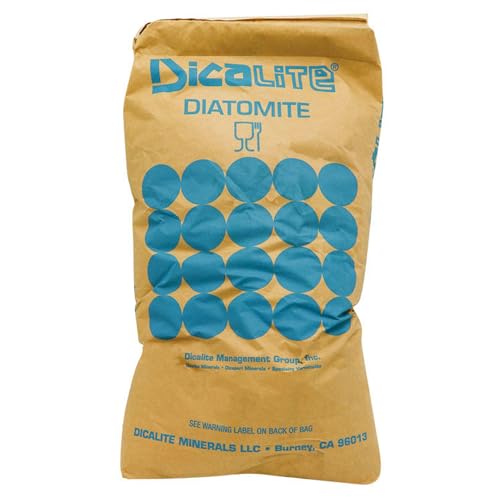
ORGANIC & EFFECTIVE HIVE PEST CONTROL: Unlock the future of organic hive protection with our beehive pest control; Say goodbye to hive beetles, ants, and other pests using the power of microscopic particles, all without harmful chemicals
Free Applicator - Shaker Bottle
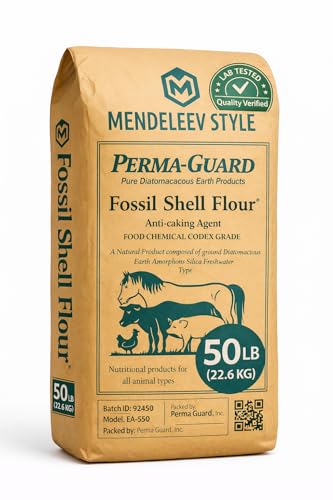
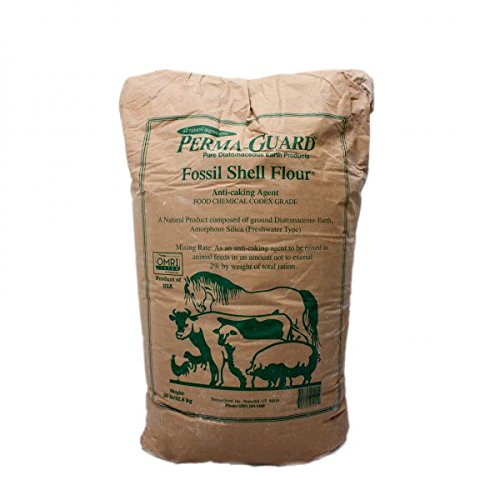
100% Freshwater Diatomaceous Earth (DE) – ultra-fine fossil shell powder for multi-purpose use: livestock, poultry, pets, gardens, storage.
Slugs and Vine Weevils

Gardeners often encounter slugs and vine weevils as unwelcome guests in their green spaces. Using Diatomaceous Earth (DE) can help keep these pesky garden pests at bay. DE works by creating a sharp barrier that damages the soft bodies of slugs and vine weevils, leading to dehydration. To be effective, sprinkle a fine layer of DE around the base of plants prone to slug attacks. Just remember—a wet layer won’t work! Reapply after rain or watering, as moisture diminishes its protective power. Slugs tend to avoid areas treated with DE, making it a smart choice for organic pest control. Think of DE as the bouncer of your garden, keeping unwanted guests outside! For an alternative pest control method, consider using an eco-friendly insect vacuum to humanely capture and remove pests without harming the environment.
Recommended Products

ORGANIC SLUG AND SNAIL CONTROL - Sluggo is one of the best snail and slug control products to protect your plants from snail and slug damage. Use in lawns, gardens, greenhouses, ornamentals, vegetables, fruits, berries, citrus and crop plants.

Controlled release pellets.

Diatomaceous Earth. Animal Health Supplies
Aphids

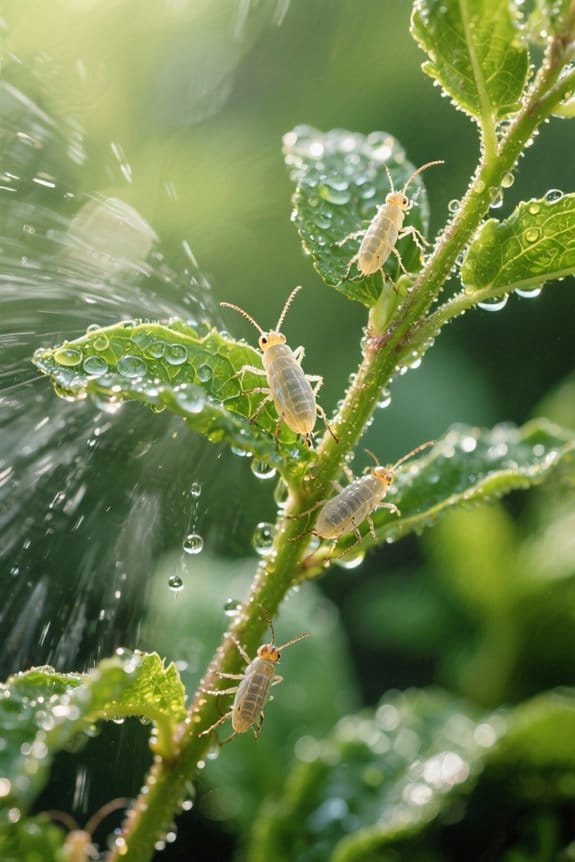
Aphids can quickly turn a thriving garden into a frustrating challenge. These tiny pests love to suck the life out of your plants. Luckily, diatomaceous earth (DE) serves as a reliable ally. When you dust DE onto the affected plants, it creates a dry barrier that dehydrates aphids upon contact. Aim to apply it on dry days; moisture can ruin its magic! Aim to protect both plants and the environment by choosing eco-friendly pest control methods. Take care to apply DE directly on the leaves and stems, avoiding beneficial insects. Regular checking is essential. After rain or watering, you’ll want to reapply it. The good news? Food-grade DE is safe around edible plants. With this natural approach, you can keep your garden thriving and those pesky aphids at bay!
Fungus Gnats
Fungus gnats can be a nagging nuisance for any plant lover. These tiny pests thrive in moist soil, making potted plants a prime target. Applying DE, or diatomaceous earth, can effectively combat fungus gnats. Simply sprinkle a thin layer on the soil’s surface where the larvae hide. This natural powder works by dehydrating these pesky bugs upon contact. Remember, for the best results, keep the DE layer dry and reapply after each watering. If you spot those little flies buzzing around, don’t fret! Regular monitoring helps catch infestations early. With little effort and some food-grade DE, you can safeguard your plants without harsh chemicals. As gardeners say, “It’s just a little dirt!” That dirt can do wonders! Many organic solutions also minimize harm to beneficial insects, ensuring your garden ecosystem remains balanced.
Ants
When it comes to gardening, ants can truly test a gardener’s patience. These little critters can ruin your plants and make your efforts feel futile. Luckily, diatomaceous earth (DE) can assist. To combat ants effectively, apply DE as a thin layer around their entry points and nests. The tiny, abrasive particles do their job, damaging their exoskeletons and causing dehydration. Remember, it’s safe to reapply after watering or rain, so your barrier stays strong. Using food-grade DE guarantees you won’t harm beneficial insects or pets, making it ideal for organic gardening. Keep an eye on ant activity, and stay vigilant. With these steps, you can maintain a pest-free garden and watch your plants thrive, becoming nature’s little miracle. Plant-based formulas offer safer pest control options for families and pets, ensuring your garden remains both beautiful and safe.
DE Application Methods
Diatomaceous earth (DE) can be a gardener’s best friend when it comes to pest control. For effective DE application methods, sprinkle it evenly on soil surfaces, especially around the base of plants. Mixing DE into the soil before planting guarantees better pest protection and nutrient distribution. When applying DE to leaves, make sure it’s dry to prevent clumping—remember, damp DE is like soggy cereal! A shaker or salt shaker can help you target hard-to-reach spots with ease. Just avoid applying DE to wet soil, as moisture lessens its effectiveness and leads to clumps. With these control methods in mind, you’ll keep your garden thriving and pest-free, ready for a bountiful harvest. Regular monitoring of infestation enhances control efforts and ensures timely intervention against pests. Happy gardening!
Recommended Products

QUALITY & ORGANIC : Prescribed for Life Organic Fossil Shell Flour Food Grade is 100 percent Diatomaceous Earth, no added ingredients. Its' organic and A-grade quality helps support sustainability worldwide.


100% Freshwater Diatomaceous Earth with absolutely no additives or fillers
Is Diatomaceous Earth Safe?
For many gardeners, the question of safety when using diatomaceous earth (DE) often arises. Food-grade DE is approved for organic use, making it a friendly option for your plants. However, when applying DE, it’s important to wear a mask, as inhaling dust can irritate the respiratory tract. While DE is non-toxic to humans and wildlife, it is non-selective. This means caution is crucial; it can affect beneficial insects if not used judiciously. Pesticide-free options enhance safety for households, similar to the eco-friendly benefits of using DE. Always opt for food-grade DE to avoid harmful additives lurking in non-food grade products. Keeping kids and pets away during application allows the dust to settle safely. Remember, using DE responsibly can make your garden thrive without the need for harsh chemicals!
Is Diatomaceous Earth Safe for Butterflies, Bees and Other Beneficial Insects?
How safe is diatomaceous earth for butterflies and bees? While it can be an effective pest control option, DE has sharp edges that can harm beneficial insects. If applied directly to flowering plants, it can damage the exoskeletons of pollinators, leading to dehydration and death. To keep your garden thriving with natural predators like butterflies and bees, avoid using DE near blooms or during their blooming periods. Instead, consider targeted application methods. You can minimize potential harm by monitoring flowering times and using DE wisely. A little caution goes a long way! Remember, a garden buzzing with life is the ultimate goal, and with careful use, you can protect both your plants and the helpful insects that support them. Utilizing beneficial insects can enhance sustainable gardening practices and reduce the reliance on harmful chemical pesticides.
Diatomaceous Earth: Organic Pest Control
When pests invade a garden, it can feel like a full-blown invasion. Diatomaceous earth (DE) offers a reliable organic pest control solution approved by the UK Soil Association. This fine powder works wonders on soft-bodied pests like slugs, aphids, and fungus gnats. When applying DE, it acts as a barrier, drying and dehydrating these unwelcome visitors on contact. To be most effective, it’s best to apply DE in dry conditions, and remember to reapply after rain or irrigation. While food-grade DE is safe for humans and pets, breathe easy, but avoid inhaling the dust. Protect valuable beneficial insects too—nobody wants to wage war on their garden allies. Get ready to enjoy pest-free plants!
Recommended Products

Multi-Use Garden Solution – Enhance soil texture and plant vitality using diatomaceous earth - across outdoor beds, planters, and pots. Supports natural balance and promotes strong root development for thriving garden growth all seaso
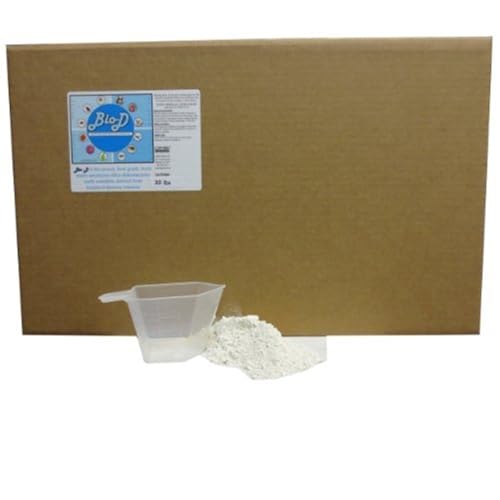
PUREST FOOD GRADE QUALITY: Bio-D is freshwater amorphous silica diatomaceous earth sourced exclusively from fossilized diatom remains. Food Chemical Codex Grade, CAS No. 61790-53-2. Safe for use around the home, garden, and animals.

✅ OMRI Listed for Organic Use – Certified by the Organic Materials Review Institute, ensuring compliance with strict organic standards for safe gardening and farming.
How to Properly Apply Diatomaceous Earth
Applying diatomaceous earth (DE) effectively can feel like a superpower in the battle against garden pests. To get the best results, it’s essential to apply DE when both the plants and soil are dry. Using a shaker or a house paint brush makes for an even dusting, particularly around the base of plants to ward off crawling invaders. Be cautious and avoid applying DE on flowering plants; after all, we want to protect our buzzing friends! Remember to wear goggles when applying to shield your eyes from fine particles. After every watering or rain, reapply DE to keep up its effectiveness. Monitoring for clumping is vital, as clumps can hinder DE’s pest-killing powers. Happy gardening!
Recommended Products

Supports Healthy Feathers & Skin: You will receive 2 bags (20 pounds each), made with food-grade diatomaceous earth and calcium montmorillonite clay, this dust bath absorbs excess oils, keeping your flock’s plumage clean.

Our customers tell us every day – There's no substitute for Celatomwhen it comes to filter aids for swimming pool filters. For over 50 years, EP Minerals' Celatom has been the worldwide choice for swimming pool and spa filtration products.
Frequently Asked Questions
Is It Safe to Use Diatomaceous Earth in the Garden?
Diatomaceous earth is safe for garden use when applied correctly. Application methods should guarantee it targets pests while minimizing exposure to beneficial insects. Adhering to safety precautions enhances its effectiveness in pest control without significant risk.
What Are the Downsides of Diatomaceous Earth?
Like a fine mist, diatomaceous earth poses downsides such as health concerns, including respiratory irritation, and environmental impact stemming from its mining. Its effectiveness wanes quickly and may disrupt beneficial insect populations in local ecosystems.
What Is the Difference Between Garden Safe and Food Grade Diatomaceous Earth?
The difference between garden safe and food-grade diatomaceous earth lies in their applications; the former is used for pest control methods externally, while the latter is safe for internal consumption and organic gardening practices.
What Happens to Diatomaceous Earth When It Gets Wet?
When diatomaceous earth gets wet, the effects of moisture diminish its effectiveness in pest control. Clumping occurs, obstructing its ability to penetrate insect exoskeletons, necessitating reapplications once it dries to restore its pest-fighting properties.