As an Amazon Associate, we earn from qualifying purchases. Some links on this site are affiliate links at no extra cost to you. Our recommendations are based on thorough research and editorial judgment.

Slug Control Methods for Wet Climates

Slug control in wet climates can feel like a battle, but there are effective strategies to help keep these pesky creatures at bay. Start by attracting natural predators like birds and toads. Use traps, such as shallow cups of beer or halved citrus fruits, to catch slugs at night. Additionally, consider applying diatomaceous earth around vulnerable plants to create a barrier. Keep your garden tidy and inspect regularly. With a little patience and effort, you can outsmart those slimy intruders! Discover more helpful tips ahead.
Key Takeaways
- Create diverse planting arrangements to confuse slugs and enhance the presence of natural predators in wet climates.
- Implement traps like beer traps or halved citrus fruits to effectively lure and collect slugs at night.
- Maintain garden cleanliness by removing debris and fallen leaves which can harbor slugs and facilitate their movement.
- Utilize organic baits and diatomaceous earth as eco-friendly methods to manage slug populations without harming the ecosystem.
- Monitor environmental conditions and adjust management strategies based on humidity and temperature, especially during peak slug seasons.
Understanding Slug Behavior and Habitat

While it may seem intimidating to understand slugs, their behavior and habitat are quite fascinating. Slugs thrive in moist climates, often being most active during the night. They love weedy or wooded areas that provide a perfect habitat for slugs, especially after it rains. The gray field slug, an invasive species, can cause trouble in gardens due to their strong reproductive rates; each slug might lay 300-500 eggs! Their slimy trails and droppings can be spotted in areas with high slug populations. Knowing where they flourish helps in managing them effectively. With the right approach, you can balance your garden ecosystem and keep these little critters in check. After all, even slugs deserve a place, just maybe not in your lettuce patch! Some of the best affordable garden slug control solutions include products like Ortho Bug-Geta and Monterey Sluggo Plus, which are effective and safe for pets and wildlife.
Identifying Slug Damage in the Garden

Identifying slug damage in the garden can feel like trying to solve a mystery. Look closely at your plants for distinct chew patterns—ragged holes with smooth edges on leaves and stems signal a slug’s feast. Young seedlings are especially vulnerable and can vanish in severe infestations. Shallow pits on tubers and roots indicate that slugs are feeding on plant tissues beneath the surface. You might also notice slime trails glistening in the morning light, serving as clear markers of their nocturnal antics. Additionally, keep an eye out for slug droppings, which resemble small, sausage-shaped pebbles. Recognizing these signs early can help you tackle the problem before it spirals out of control. Consider OMRI-listed organic baits to ensure safe control of slugs in your garden. Happy gardening, detective!
Encouraging Natural Predators for Slug Control

After spotting those pesky signs of slug damage, many gardeners wonder how to keep their green space thriving. One effective strategy involves encouraging natural predators like birds, frogs, and toads to aid in slug control. By creating habitats in your garden, such as overturned pots for toads or wild areas for snakes, you can attract these helpful creatures. Tilling the soil not only exposes slugs but also invites birds to feast on them. A diverse ecosystem is key; mixing plants provides food for predators while confusing slugs. Regularly check your garden and support these predator populations to maintain the balance. After all, a thriving garden without chemicals is the dream—let nature do the heavy lifting! Utilizing beneficial insects enhances sustainable gardening practices, reducing reliance on chemical pesticides and supporting a balanced ecosystem.
Effective Trapping Methods for Slugs

Effective trapping methods can make a noticeable difference in managing slug populations. Various traps can effectively capture these pesky slugs and help maintain a healthy garden. For instance, placing halved citrus fruits in your garden serves as natural attractants, drawing slugs in for easy removal. Shallow plastic containers filled with stale beer are another effective choice, enticing slugs with their aroma. Don’t forget about wooden boards or roofing shingles — they provide daytime refuge. Setting up pitfall traps with water-filled plastic cups can help you monitor population fluctuations. Cardboard or black plastic sheets create covered areas for slugs to hide, making collection easier. With a bit of patience, these methods can keep your garden thriving, leaving you with fewer slugs and more smiles. An eco-friendly alternative to chemical pest control is using insect vacuums, which offer a humane way to manage various pests without harm.
Recommended Products

Practical Garden Protection: this set includes 10 reusable slug and snail traps, providing enough coverage to help manage slug and snail activity across your garden; Ideal for reducing plant damage and protecting flowers, vegetables, and garden beds in a simple, practical way
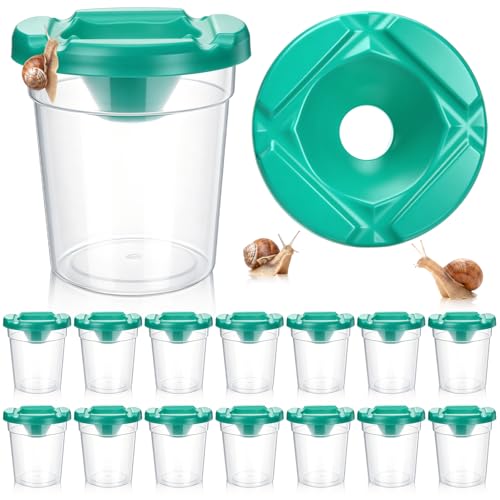
Effective Snail Control: the 16 pcs snail and trap pack offers a solution for reducing pest populations in your garden or farm; These outdoor traps are crafted to ensure maximum pest Container, providing garden protection; By utilizing these traps, you safeguard your plants, vegetables, and even garden decorations from unwanted damage, making them a pivotal part of your garden maintenance routine

Dark Green Slug Trap
Utilizing Beer Traps for Slug Collection
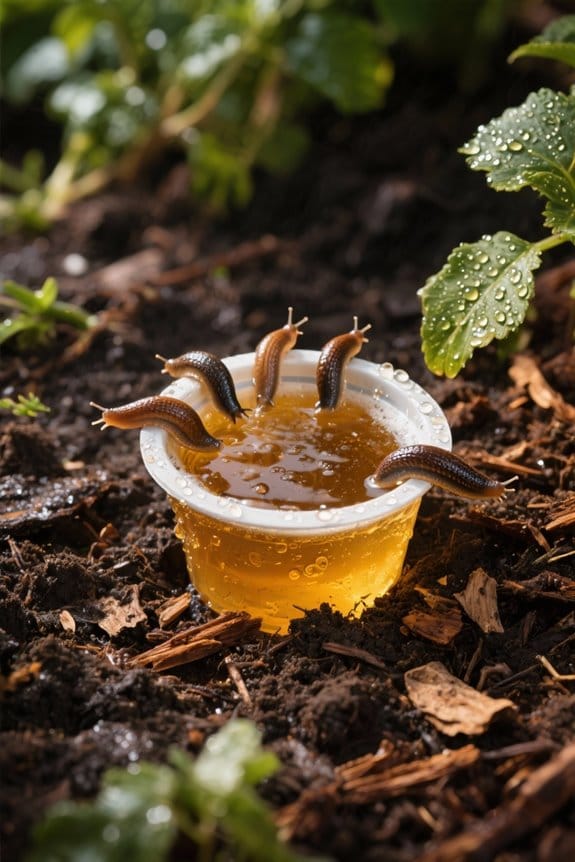
One delightful way to tackle a slug invasion is by utilizing beer traps. These clever little containers help attract slugs because of the fermentation scent in beer. To set them up, bury shallow plastic cups flush with the soil, leaving just a bit of the lip exposed. Pour in some leftover beer, and voilà! You’ll have an inviting swimming pool for those pesky slugs. Position the traps in the evening, as slugs are most active at night. Remember to check them regularly and refill after rain to keep the traps effective. You don’t want to attract beetles into your mezcal bar! Allowing slugs easy access without interruption can enhance your collection efforts and keep your garden thriving. Some gardeners also find success by combining beer traps with copper mesh barriers, which add a physical layer of slug deterrence.
Recommended Products

Polish your bath’s aesthetic with a decorative p-trap that perfectly matches Delta Faucet finishes
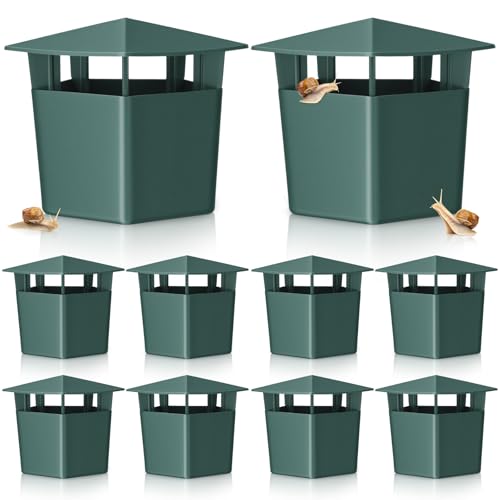
Practical Garden Protection: this set includes 10 reusable slug and snail traps, providing enough coverage to help manage slug and snail activity across your garden; Ideal for reducing plant damage and protecting flowers, vegetables, and garden beds in a simple, practical way
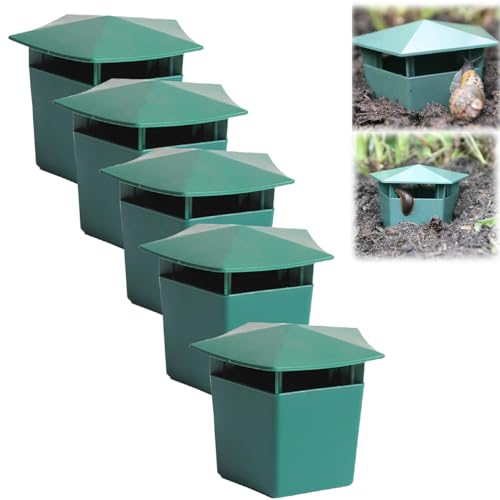
🐌Durable and Safe Material: Crafted from high-quality PP plastic, this snail trap is odorless, waterproof, weatherproof, and long-lasting, ensuring it remains effective in protecting your plants.
Physical Barriers: Copper and Eggshells
While beer traps can be an amusing method for slug control, physical barriers like copper and crushed eggshells offer a straightforward and effective alternative. Wrapping copper wire around your plants can create a tiny electric shock. Slugs, sensitive to this, tend to steer clear. On the other hand, a protective ring of crushed eggshells around seedlings creates a rough path that slugs struggle to cross. Plus, they provide calcium to the soil—talk about a two-for-one deal! These barriers effectively reduce slug activity, keeping your plants safe from those slimy intruders. Just remember to inspect your copper barriers regularly; their effectiveness may wane over time. With a bit of care, you can make slugs think twice before munching on your garden. Organic pest control solutions like Diatomaceous Earth can also be considered for their safety and effectiveness in managing various garden pests.
Organic Baits: Iron Phosphate and Other Options
When it comes to keeping pesky slugs at bay, organic baits offer a safe and effective option. Iron phosphate is a top slug killer for gardeners focused on organic production. It works by interrupting a slug’s ability to feed, leading to death in about 5 to 7 days. You can find popular products like Sluggo and Escar-Go, which are safe for pets and beneficial insects. The application is best done in the evening, and you should reapply every 10 to 14 days until you notice control. While it may take longer than chemical options, iron phosphate keeps your garden safe from pest damage and supports sustainable practices, especially in wet weather. Additionally, utilizing non-toxic options, like traps, can be an effective way to manage pests without harming the environment. Happy gardening!
Implementing Diatomaceous Earth as a Barrier
To tackle the pesky problem of slugs, many gardeners find that implementing diatomaceous earth (DE) as a barrier can be a game changer. This natural powder, made from tiny fossilized organisms, works wonders in wet climates. When slugs crawl over DE, its abrasive texture dehydrates their soft bodies, preventing damage to your precious plants. Creating a 1 to 2-inch barrier around vulnerable plants greatly reduces slug activity. Just remember, DE is most effective when dry, so don’t forget to reapply after rain or watering. It’s a safe, non-toxic option for gardeners worried about pets or kids. With a little patience and persistence, you’ll be saying goodbye to those slimy nuisances before you know it! Additionally, using a powder duster can help ensure precise and effective application of diatomaceous earth in hard-to-reach areas.
Timing and Maintenance for Effective Slug Control
How does one effectively time and maintain slug control for a thriving garden? First, monitor slug activity, especially during wet weather. When temperatures rise above 50°F and humidity is high, slugs come out at night. It’s wise to implement slug control measures before planting vulnerable crops, particularly in early spring and the peak months of September and October. Regular maintenance is also essential. Check your garden often for slime trails and damaged foliage, and intensify control methods as plants start to grow. Use organic baits every 10 to 14 days during high slug pressure. Eco-friendly options reduce chemical exposure for plants, pets, and humans, making them a great choice for slug control. Keeping your garden clean and minimizing debris can help! Remember, a little maintenance goes a long way in keeping those pesky slugs at bay!
Exploring Slug-Resistant Plant Varieties
Garden enthusiasts often find themselves in a tug-of-war with slugs. Exploring slug-resistant plant varieties can be a savvy strategy. Consider adding strong-scented herbs like lavender and rosemary. These aromatic oils repel slugs, aiding your garden’s defenses. Native species such as Astrantia and Lady’s Mantle also thrive, resisting those pesky pests while enhancing beauty. Featuring marigolds in your garden acts as a decoy, drawing slugs away from more vulnerable plants. Ground cover plants like creeping thyme or ajuga create dense foliage, making it hard for slugs to thrive. Beneficial insects like Green Lacewings can also play a role in pest management, helping to maintain a balanced ecosystem and further reducing slug populations. By diversifying plant selections with these resilient varieties, you’ll create a confusing environment for slugs and keep your garden flourishing. Remember, happy plants mean fewer slug battles!
Frequently Asked Questions
How to Get Rid of Slugs When It Rains?
To manage slugs during rain, one can utilize beer traps, diatomaceous earth, copper barriers, and salt applications. Additionally, encouraging natural predators and habitat modification, alongside essential oils, can further reduce their presence effectively.
What Is the Best Deterrent for Slugs?
The best deterrent for slugs includes copper barriers and crushed eggshells for texture discomfort, while iron phosphate provides a non-toxic solution. Natural predators and essential oils can enhance control, though salt treatment is less advisable.
Do Slug Pellets Work When Wet?
Slug pellets retain effectiveness in wet conditions, contrasting with less resilient alternatives. However, environmental considerations, timing of application, and factors influencing efficacy must be assessed alongside slug bait comparisons to achieve ideal results during rain.
Do Coffee Grounds Really Repel Slugs?
Coffee grounds can be effective natural slug repellents, promoting contrasting slug behavior. Their application can enhance soil health, but results may vary based on environmental factors and slug populations, requiring regular refreshment to maintain benefits.