As an Amazon Associate, we earn from qualifying purchases. Some links on this site are affiliate links at no extra cost to you. Our recommendations are based on thorough research and editorial judgment.
Thrips Damage Recognition and Response

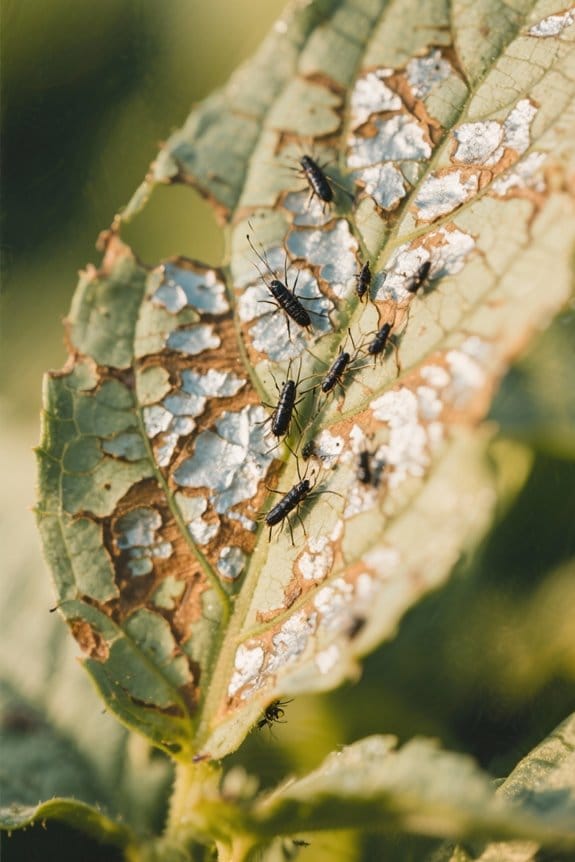
Thrips can sneak in and cause trouble for your plants. Look for stippling or silver streaks on leaves and curled new growth. Black specks on the undersides? That’s a sure sign of thrips. Use sticky traps to keep an eye on them. If you catch them early, consider natural predators like minute pirate bugs. They do wonders! Don’t worry; more ways to tackle these pests are up ahead.
Key Takeaways
- Look for stippling, silvery streaks, curled leaves, and black specks on undersides to identify thrips damage early.
- Monitor new growth and flowers regularly for signs of thrips infestation and related damage.
- Use sticky traps to detect adult thrips and assess population levels weekly.
- Introduce natural predators like Amblyseius swirskii and Orius insidiosus to biologically control thrips.
- Apply low-toxicity insecticides after flowering to manage thrips without harming beneficial insects.
Identification of Thrips Damage
When gardeners first notice the telltale signs of thrips damage, it can feel like a sneaky ambush. Thrips are small pests that cause damage by feeding on leaf cells. Look for stippling or silvery streaks on the leaves. Infested leaves may have black specks of fecal matter, especially on the undersides. New growth is particularly at risk. You might see leaf curling, dimpling, or even stunted growth. Flowers aren’t safe either; you may spot browning patches or petals that drop before blooming. Consistent monitoring is essential, as thrips can be tricky. Finding them early can save your garden. So grab a magnifying glass—catching these sneaky pests early is half the battle! Remember, every garden has its challenges. To effectively manage thrips, gardeners can rely on organic insecticides, ready-to-spray, ensuring safety for both vegetables and flowers.
Spotting the Signs of Infestation
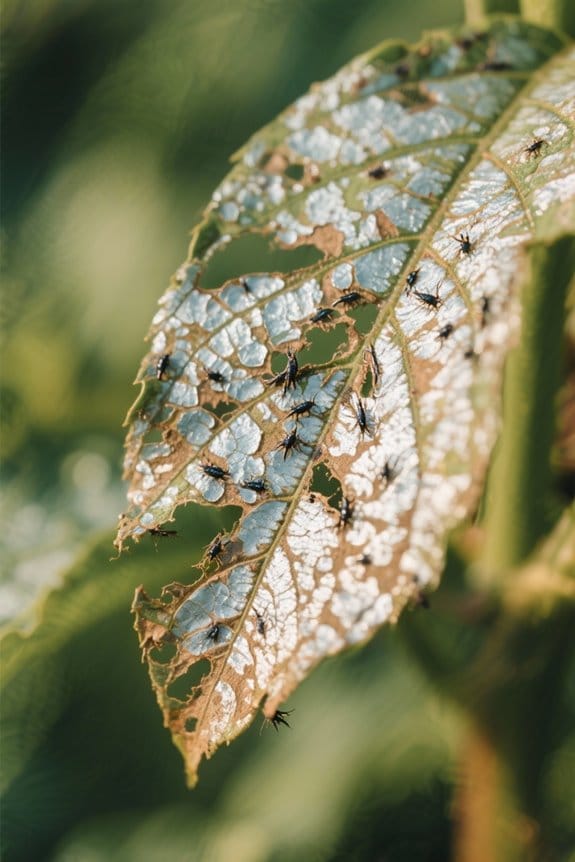
Noticing the early signs of thrips infestation can feel like playing detective in your own garden. Look closely at your plants, especially the new growth. Curled leaves are a clear sign, often revealing the plant’s distress due to thrips feeding on tender tissues. Check the undersides of the leaves for silver streaks and tiny black fecal specks, which are telltale signs of thrips damage. Don’t forget to gently unroll affected leaves—if you spot translucent larvae less than 1 mm long, you’ve got a significant infestation. Regular monitoring is essential; focusing on these areas can help you catch the damage before it spreads. Remember, early detection is key to keeping your plants thriving and healthy! For a humane and effective pest control solution, consider using electric traps that are environmentally friendly and align with ethical treatment of animals.
Monitoring Techniques for Thrips
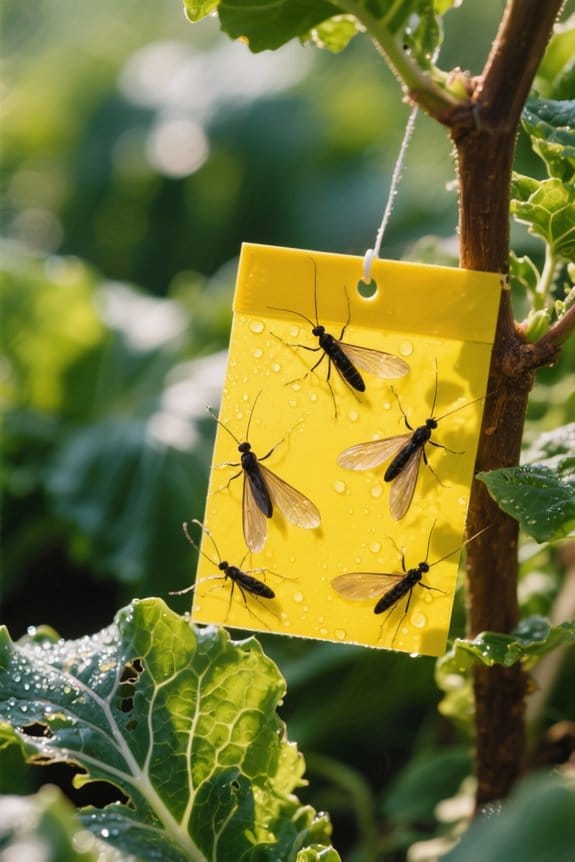
Effective monitoring techniques for thrips can make a world of difference in protecting your plants. Use sticky traps to monitor adult thrips and check them weekly. This helps you keep track of activity and informs treatment decisions. If you see silver streaks or black specks on new leaves, it’s time to take action. A simple soapy water solution can help dislodge thrips, allowing you to better identify them and assess how bad the infestation is. Regular monitoring of new leaves and flowers is essential, as this is where thrips do the most damage. Historical data on thrips counts can establish personalized damage thresholds, ensuring timely intervention when populations exceed acceptable limits. Don’t let these tiny pests ruin your garden! Introducing beneficial insects like ladybugs can also help manage thrips populations naturally, reducing the need for chemical pesticides.
Recommended Products

Fit for Heavy Infestation & Commercial Use:You will receive 500 pcs sticky traps for gnats and 500 pcs twist ties, a great deal. Sticky trap bulk is ideal for large gardens, greenhouses, farms, warehouses, or severe indoor pest problems. No need for frequent restocking—a cost-effective, long-term pest control solution

Long-lasting, weather-proof traps attracts all kinds of flying insects and pests

Double Sided Stickiness for Maximum Catch:Our yellow sticky traps feature a double-sided design, effectively trapping a variety of flying pests, including fungus gnats, whiteflies, aphids, leaf miners, fruit flies, and other small flying insects. The vibrant yellow color naturally attracts pests, providing all-day protection for your plants.
Natural Control Methods
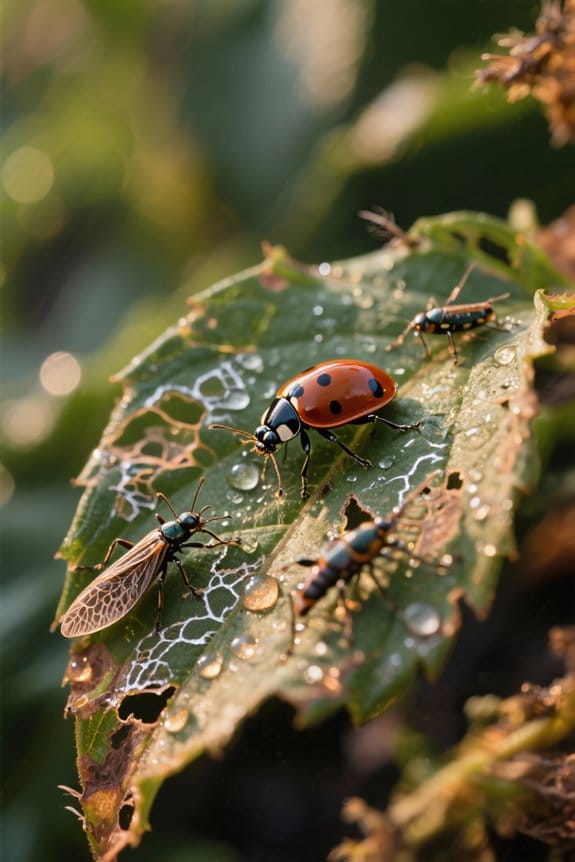
Endeavoring for a thriving garden can feel like an uphill battle, especially when dealing with pesky thrips. Fortunately, employing natural enemies like predatory mites and minute pirate bugs can provide effective biological control. For example, Amblyseius swirskii thrives in warm conditions and targets thrips larvae. Meanwhile, Orius insidiosus takes aim at adult thrips, making them ideal allies. In healthy plant ecosystems, beneficial insects can self-regulate pests, often keeping thrips infestations at bay without human intervention. For indoor plants, consider acclimatizing them outdoors so beneficial insects can work their magic. Using insecticidal soap can also help, but remember, these natural methods reduce the need for harsher chemical interventions. Embrace nature’s champions; success might just sneak up on you! Additionally, beneficial insects like Green Lacewings and Ladybugs adapt well to various environments, which makes them valuable allies in both indoor and outdoor garden settings.
Recommended Products

NATURAL NON-TOXIC FORMULA - Plant-derived mite treatment ingredients designed for use in homes, cars, farms, chicken coops, pens, cages and agriculture, when used as directed.

Can be used indoors and outdoors

These mites are Natural enemies agianst: Two Spotted Spider Mites, Broad Mites, Russet Mites, Rust Mites and More!
Chemical Control Approaches
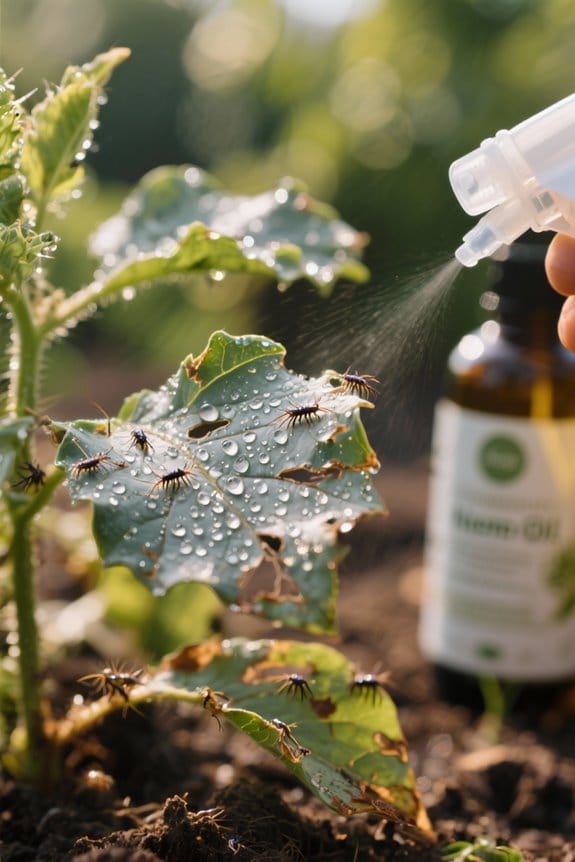
In the quest for a pest-free garden, sometimes even nature’s champions need a little backup. Chemical control of thrips can be tricky. Their damage often shows up late, making timely application of insecticides essential. Choosing low-toxicity options like azadirachtin or insecticidal soaps helps protect your garden’s allies. Systemic insecticides, such as neonicotinoids, can swiftly tackle thrips populations but may harm beneficial insects. As a result, use them sparingly, ideally as soil treatments after flowering. Remember, application timing is everything! Delaying until after blooms shields your pollinators. Continuous monitoring of your plants guarantees you catch issues early. By integrating these chemical methods within a larger plan, you can manage thrips while keeping your garden vibrant and thriving. Happy gardening! Additionally, incorporating eco-friendly solutions like Wondercide Outdoor Pest Control Spray can offer natural protection while ensuring safety for pets and children.
Recommended Products

CROP, GARDEN & HOUSEPLANT INSECT CONTROL. Trifecta Crop Control plant based formula targets spider mites, aphids, whiteflies, fungus gnats and other soft bodied pests on indoor and outdoor plants. Safe for edible crops and biodegradable.
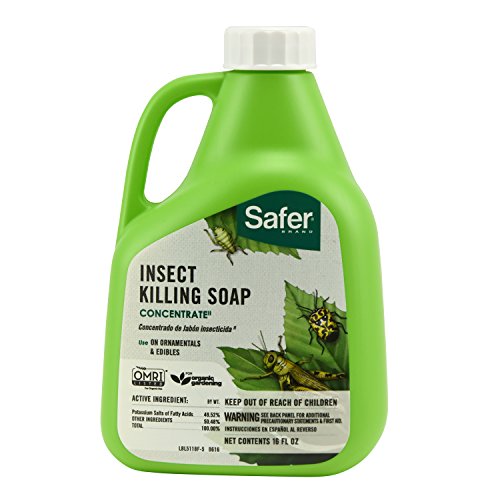
Protect Plants from Insects - Kills a variety of soft-bodied insect pests, including aphids, mealybugs, whiteflies, leafhopper, spider mites, and more

100% PURE, UNDILUTED SEED OIL: Extracted from the seeds of the Neem tree via a Cold Pressed method. This oil is delivered in its most concentrated, unadulterated state, providing maximum botanical purity for cosmetic use.
Integrated Pest Management Strategies
While managing pests can feel like a never-ending battle, Integrated Pest Management (IPM) offers a welcoming solution. IPM combines effective strategies to control thrips populations while keeping your garden happy and healthy. Start with early detection; monitor plants using sticky traps and visual inspections to catch problems before they grow. Cultural practices matter too. By maintaining plant health and clearing away infested debris, you disrupt thrips’ life cycles. When necessary, introduce biological controls, like natural predators such as predatory mites or minute pirate bugs—they’re nature’s little enforcers! If chemical options arise, choose low-toxicity insecticides, like insecticidal soaps. This balanced approach not only tackles thrips but also nurtures your garden’s ecosystem. Gardening doesn’t have to be a fight; it can be a partnership with nature! To enhance your IPM strategy, consider incorporating eco-friendly pest control solutions to minimize environmental impact while effectively managing garden pests.
Frequently Asked Questions
How to Identify Thrip Damage?
Identifying thrip damage involves examining plants for leaf discoloration symptoms, distorted flowers, and unsightly feeding patterns. Effective pest management strategies should include thorough monitoring methods and an assessment of crop susceptibility across various thrip lifecycle stages and environmental factors.
What Are the Damages of Thrips?
Thrips cause visual symptoms like stippling and discoloration, affecting host plants and resulting in crop yield loss. Their feeding patterns can lead to economic impacts, necessitating pest management strategies and promoting resistant plant varieties and organic control methods.
What Are the Identifying Characteristics of Thrips?
Thrips identification relies on distinguishing characteristics such as size, wing shape, and color variations. Understanding thrips species, life cycle, biology, habitats, and treatments aids in effective control and prevention, beneficial insects also help mitigate infestations.
What Is One of the First Signs of a Thrips Infestation?
Like a whisper of trouble, the curling of new leaves signals one of the first signs of a thrips infestation. Early detection aids pest monitoring and reinforces plant health, enabling effective treatments and organic solutions for infestation prevention.