As an Amazon Associate, we earn from qualifying purchases. Some links on this site are affiliate links at no extra cost to you. Our recommendations are based on thorough research and editorial judgment.

Winter Rodent Activity in Homes

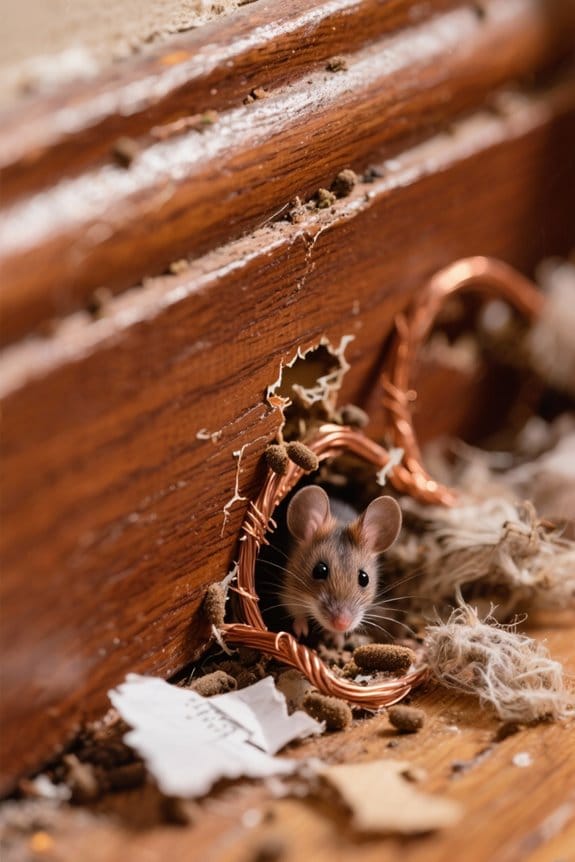
Winter is prime time for rodent activity in homes. Mice and rats dash indoors seeking warmth. They can gnaw through tiny gaps around doors and windows, multiplying quickly if unchecked. Look for droppings that resemble small grains or odd noises at night. Keeping food in airtight containers and sealing entry points can help keep these uninvited guests away. With a little effort, you’ll make your space less enticing to them. Discover essential strategies to keep your home rodent-free as you continue!
Key Takeaways
- Mice commonly seek shelter indoors during winter, preferring warm areas like attics and basements to escape the cold.
- A single pair of mice can lead to an infestation, producing around 200 offspring in a year.
- Signs of rodent activity include droppings, gnaw marks, and musty odors, indicating potential nesting or feeding sites.
- To prevent entry, seal gaps as small as ¼ inch and maintain cleanliness by storing food properly and disposing of clutter.
- Regular home inspections for signs of activity help catch infestations early and maintain a rodent-free environment.
Understanding Rodent Behavior in Winter
Have you ever wondered where all those pesky rodents come from when winter hits? As temperatures drop, mice search for warmth and shelter indoors. Cozy spots like attics and basements become prime nesting areas. They thrive in these warm, insulated spaces, and, believe it or not, a single pair of mice can produce up to 200 offspring in just one year! The lack of food outside during winter drives these little critters to raid your pantry. Sealing cracks around windows and doors is essential to prevent mice from invading your home. Who wants a surprise party with rodents, right? A little prevention goes a long way in keeping your home cozy and mouse-free during the chilly months!
Signs of Rodent Infestation

Ever wonder if those little pitter-pat sounds in your walls mean you have uninvited guests? Signs of rodent infestation can be subtle but noticeable. Look for droppings resembling small brown or black grains of rice. They often appear near food sources. Check for gnaw marks on paper, insulation, or fabric—the telltale signs of mice creating nests. Musty odors and brown smudges on walls indicate regular rodent pathways. If you hear rustling or squeaking at night, it’s time to investigate. Inspect hidden spots like under sinks and in drawers for nests or chewed items. Remember, it’s better to spot these signs early than to share your home with furry roommates. After all, nobody appreciates a surprise guest! Consider using Evolve Rat Birth Control as a safe and non-toxic option to control rat populations, especially if you want to minimize environmental impact.
Common Entry Points for Mice and Rats

Rodent infestations can often be traced back to surprisingly small entry points. Mice and rats can squeeze through gaps as tiny as ¼ inch. This makes it essential to inspect around windows and doors for openings. Utility lines are another culprit; check around pipes and electrical cables where they enter your home. Don’t forget about roofline cracks or damaged soffit vents acting as passageways for these unwelcome guests. Even uncapped chimneys can let rodents scamper in. For effective rodent control, regularly check and seal these entry points. Use steel mesh or reinforced barriers to block their way. Remember, a stitch in time saves nine. Sealing these spots today can save you from a mouse party tomorrow! Additionally, consider using affordable electronic mouse traps indoors to effectively manage any rodents that may already be inside, ensuring a clean and safe environment.
Recommended Products
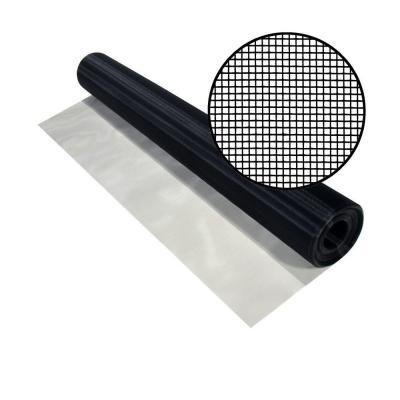
Improved Visibility & Airflow: SeeVue is an improved visibility black window screen mesh, featuring a fine metal wire design to maximize your outward view. The stainless steel mesh screen maintains superior airflow, ensuring your home remains well-ventilated while keeping insects out. Enjoy clearer views and a fresher indoor environment with SeeVue nearly invisible screen.

🐓 SIZE & LENGTH - 16 Gauge Black Vinyl Coated Welded Wire, 1.5-Inch x 1.5-Inch Opening Mesh, 7 ft. / 84-Inch in Height, 100 ft. / 1200-Inch in Length, suitable for home and garden purposes, including property dividers and protective covers, which you can adjust to your specific needs.
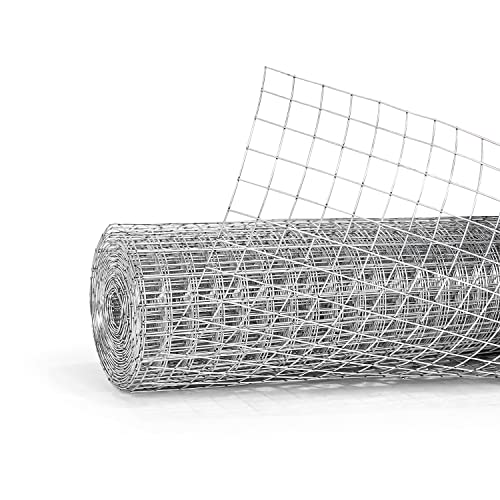
✔ Super Sturdy construction - Made of 10 gauge heavy duty galvanized wire, galvanized before welding providing a double coating for maximum rust resistance, Class 1 galvanized zinc coating for long-life, the galvanized welded wire would be a good choice for everyone
How Cold Weather Attracts Rodents

As winter descends and temperatures plummet, many creatures search for cozy hideaways. Rodents like mice and rats feel the chill too. They hunt for warmth indoors, often slipping into attics or basements. With outdoor food sources dwindling, these pests will invade pantries, looking for a snack—after all, who doesn’t want a warm meal during winter? Their quick reproduction means that once they find a nest, their numbers can grow fast. Soon, you’ll hear scratching noises or find droppings around your home. Sealing those entry points is vital. A pest control company can help you Keep Mice out before they settle in for the long haul. Remember, it’s much easier to prevent an invasion than to evict one! Using natural deterrents like peppermint oil sprays can also help keep these unwelcome guests at bay.
Effective Prevention Strategies

Taking steps to prevent winter rodent invasions can lighten the load during this chilly season. First, keep exterior spaces clean. Remove debris and clutter, trimming bushes that hide nests. Secure your food in airtight containers, so mice don’t contaminate food supplies. Trash bins should close tightly; even the slightest crack invites trouble! Use steel wool to block gaps in windows and doors—rodents can squeeze in through openings as small as a quarter-inch. Also, set traps behind appliances and in attics to catch any sneaky visitors before they turn into unwelcome guests. Consider using eco-friendly alternatives like MouseX Throw Packs and Grandpa Guss Extra-Strength Mouse Repellent Pouches to minimize environmental impact while keeping your home rodent-free. If needed, don’t hesitate to call in professional pest control. They can provide effective, long-term solutions for preventing future rodent activity, easing your winter worries.
Recommended Products

XCLUDER RODENT PROOF OVERHEAD SECTIONAL DOOR SEAL KIT is designed for residential and commercial applications. Kit includes everything needed for installation: retainer, door seal, brush seal, mounting screws and instructions.
XCLUDER RODENT PROOF OVERHEAD SECTIONAL DOOR SEAL KIT is designed for residential and commercial applications. Kit includes everything needed for installation: retainer, door seal, brush seal, mounting screws and instructions.

XCLUDER RODENT PROOF ROLL-UP DOOR SEAL KIT is designed for corrugated, roll-up doors that accept a T-retainer only. Kit includes everything needed for installation: retainer, door seal, brush seal, mounting screws and instructions.
Importance of Sealing All Entry Points
While it might seem harmless to ignore those tiny cracks and gaps around the home, neglecting them can lead to a rodent invasion. Mice can squeeze through openings as small as a quarter inch! To protect yourself, begin by inspecting weather stripping around doors and windows. If you see light peeking through, it’s time for repairs. Filling small cracks with epoxy is straightforward and effective. Don’t forget the gaps around pipes and vents—seal those too with steel wool. For roofs and fascia, fine-grade wire mesh works wonders. Think of it like the sealing of cookies; you want everything snug inside your home! A little effort today can save you from a winter rodent party tomorrow. As part of pest prevention, consider using natural and safe formulations that are pet-friendly and effective against various pests.
Maintaining Cleanliness Around Your Home
Sealing those tiny cracks is just the beginning of keeping rodents at bay. Maintaining cleanliness around your home is equally essential. Start by regularly cleaning outdoor areas; a few stray crumbs of pet food or spilled birdseed can lure curious critters. Trim shrubs and branches that touch your house, making it harder for mice to find openings. Remove outdoor debris like brush piles, as they provide snug nesting spots. Store firewood at least 20 feet away from your home to deter unwelcome guests. And don’t forget about garbage cans—keeping them clean and tightly sealed prevents tempting food leftovers from attracting nibblers. Tomcat Rat and Mouse Killer stations are designed for both indoor and outdoor use, providing an effective solution to manage rodent infestations. With these simple steps, you’re well on your way to a rodent-free winter!
Proper Food Storage Techniques
Proper food storage techniques are essential for keeping your home rodent-free. Start by placing all food items, including pet food, in sealed airtight containers made of thick plastic or metal. This simple step can thwart any hungry rodent. Make certain that trash bins are tightly sealed and regularly cleaned to remove any leftover crumbs that might invite unwelcome guests. And remember to clean up those pesky crumbs and spills immediately, especially in the kitchen. It’s a good idea not to leave pet food out overnight; mice can be quite the midnight snackers! Regularly inspect pantry shelves for signs of rodent activity and dispose of any compromised items. Consider using weatherproof bait stations for additional rodent control, as they are suitable for both indoor and outdoor use. With a little effort, you can keep those furry intruders at bay!
Setting Traps for Immediate Control
Even with careful food storage, sometimes the little critters find a way in. To regain control, position traps in strategic locations. Ideal spots include behind appliances and along walls where mice commonly travel. Using a single bait like a small smear of peanut butter can help avoid trap-shyness before you set them. Space these traps about two to three feet apart to guarantee you cover areas frequently visited by rodents. Remember, the trick is to catch as many as possible! Regularly check your traps at least once a day. This way, you promptly address any captures. Consider snap traps, as they work efficiently for immediate rodent control in residential settings. After all, nobody wants an uninvited housemate! For those looking for humane elimination, high-voltage shock traps can be a suitable option, ensuring a quick and effective solution.
Recommended Products

RAT-SIZE STEEL BAIT STATION: Designed for large rats and effective for significant infestations of mice

6 PACKS OF 72 TRAPS: Max Catch glue traps offer effective pest control for mice, spiders, roaches, and crickets. Perfect for offices and warehouses, these ready-to-use traps come in bulk packaging for easy storage and quick access, ensuring a professional, pest-free environment.

When to Seek Professional Pest Control
When it becomes clear that rodent problems are outpacing home remedies, professional pest control might be the best choice. Signs like droppings or gnaw marks indicate a persistent issue. If previous DIY efforts haven’t worked, it’s time to call in the experts. Early intervention can save you money and hassle by stopping infestations before they escalate. Professional services conduct thorough inspections and locate entry points you might miss. Plus, they use safe, humane methods that protect your family and pets. Remember, ignoring these signs is like inviting unwanted guests to dinner—they’ll just keep multiplying! So, when in doubt, don’t hesitate to seek help. After all, a rodent-free home is a happy home! With the increasing popularity of humane rat traps, many homeowners are opting for stress-free pest control solutions that ensure ethical treatment of animals.
Recommended Products

Sonic Device: The Bird-X Critter Blaster PRO is a sonic device with a control panel to eliminate critters. It uses 8 different customizable digitally recorded harassment sounds that can be played at various intervals to irritate and disorient critters.

Humane Solution: Live‑capture system confines squirrels for responsible relocation. Durable wire construction and a 2‑door entry foster confident approaches and quick, low‑stress containment without poisons.

✔ LOW VISIBILITY … Bird-Flite’s polycarbonate base and Bird Barrier Bond glue are clear, while the thin, stainless steel bird spikes for small birds are hard to see even from short distances.
The Risks of DIY Rodent Control
Relying solely on DIY methods for rodent control can lead to unexpected pitfalls. Many homeowners underestimate the severity of an infestation, missing small signs like droppings or chewed materials. This oversight can worsen the problem, as rodents breed quickly. While store-bought repellents may provide temporary relief, they often don’t seal entry points effectively. Gaps can still allow mice to invade. The risks of DIY rodent control usually outweigh the benefits. Instead, turning to professional pest control services guarantees a thorough inspection and targeted treatment. It’s like calling in the experts for any home repair; sometimes, the DIY approach just doesn’t cut it. Opt for professionals for lasting solutions, and you’ll save time and hassle in the long run.
Long-Term Solutions for Rodent-Proofing Your Home
While some might think sealing a few gaps is all it takes, effective rodent-proofing is a more thorough task. Start by sealing all cracks and gaps as small as ¼ inch with steel wool or epoxy. Don’t forget to regularly inspect and repair door sweeps, window seals, and garage doors. Light gaps invite sneaky intruders. Keep firewood stacked at least 20 feet from the house; that’s where mice love to nest. Additionally, storing food in airtight containers is key. Cleanliness helps too! You want to make your home less inviting for these critters. Finally, periodic professional inspections can catch potential entry points early. It’s like calling in a secret agent to keep your home safe.
Recommended Products
XCLUDER RODENT PROOF OVERHEAD SECTIONAL DOOR SEAL KIT is designed for residential and commercial applications. Kit includes everything needed for installation: retainer, door seal, brush seal, mounting screws and instructions.

INDUSTRY-LEADING PROTECTION: Xcluder Standard 48-inch Rodent Proof Door Sweeps provide industry-leading rodent prevention and peace of mind for any home or business owner.
INDUSTRY-LEADING PROTECTION: Xcluder Standard 36-inch Rodent Proof Door Sweeps provide industry-leading rodent prevention and peace of mind for any home or business owner.
Frequently Asked Questions
Is It Normal for Mice to Be in Your House During Winter?
Yes, it is typical for mice to invade homes during winter. Their behavior is driven by winter survival instincts, as they seek warmth, nesting sites, and food, leading to increased indoor activity and potential infestations.
What Are Three Signs That You Have a Rat Infestation?
A silent storm may brew within a home, signaled by gnaw marks, clusters of droppings, and signs of nesting materials. These behaviors indicate a rat infestation, demanding attention before it spirals into an overwhelming crisis.
What Keeps Mice Out of the House in Winter?
Preventive measures, such as sealing entry points and maintaining outdoor cleanliness, effectively keep mice out of homes during winter. Weather impact encourages rodents to seek shelter, making these precautions increasingly essential as temperatures drop.
What to Do With a Mouse Caught in the House in Winter?
Upon capturing a mouse in a home, akin to a prize-winning trophy, one should use humane traps for removal. Following pest control guidelines, promptly dispose of it, while wearing gloves and ensuring thorough area disinfection.


