As an Amazon Associate, we earn from qualifying purchases. Some links on this site are affiliate links at no extra cost to you. Our recommendations are based on thorough research and editorial judgment.


Physical Removal Vs Chemical Treatment Comparison

When comparing physical and chemical exfoliation, think of one as a gentle scrub and the other as a superhero in disguise. Physical exfoliation, like sugar scrubs, offers instant smoothing but can cause micro-tears. On the flip side, chemical exfoliation uses acids to dissolve dead skin bonds, giving longer-lasting results. It’s like a deep clean for your face! Be mindful of your skin’s needs. Curious about how to choose the right one for you? There’s more to discover!
Key Takeaways
- Physical exfoliation uses abrasive methods for immediate surface smoothing, while chemical exfoliation dissolves dead skin cells for controlled, deeper treatment.
- Chemical exfoliation is effective for concerns like acne and uneven texture, addressing underlying issues beyond surface appearance.
- Physical methods can cause irritation and micro-tears, especially on sensitive skin, while chemical treatments may lead to temporary redness but are generally milder.
- Chemical peels allow customization for different skin types and concerns, whereas physical exfoliation is more standardized and less adaptable.
- Recovery time differs; chemical treatments may require several days for healing, while physical exfoliation provides instant results.
Understanding Exfoliation
While it might seem intimidating at first, understanding exfoliation is simpler than many think. Exfoliation is the process of removing dead skin cells that can dull your complexion. Your skin naturally sheds about 200 million dead skin cells every hour. However, they often pile up, making manual exfoliation necessary. There are two main types: physical exfoliation, which uses tools or abrasive particles, and chemical exfoliation, which employs gentle chemical acids to dissolve those pesky cells. These methods promote skin renewal and make your skincare routine more effective by allowing other products to absorb better. Skincare professionals recommend starting once a week and adjusting based on your skin’s tolerance. Remember, a little care goes a long way toward glowing skin! Similarly, organic pest control solutions offer eco-friendly options that minimize harm to beneficial insects and ensure safety for kids and pets.
What Is Physical Exfoliation?

Physical exfoliation is like giving your skin a good scrub to wake it up. This method, also known as mechanical exfoliation, uses abrasive substances like sugar scrubs or exfoliating gloves to manually remove dead skin cells. The result? Instant smoother skin texture and a brighter glow. But tread carefully! There are risks of irritation, especially on sensitive areas. Too much pressure or harsh products can cause micro-tears, which is not what anyone wants. Remember, this technique works at the surface level, so it may not tackle deeper skin issues like acne or hyperpigmentation. For the best results, choose gentle tools and be mindful of your technique. Your skin will thank you! When selecting the right exfoliator, consider non-toxic materials to ensure safety and prevent adverse reactions.
Recommended Products

Face Cleansing Device --- L&L SKIN EMI face scrub brush is design with 0.6 mm longer and softer touch points and ultra-hygienic silicone brush head, Unique design of 30-degree bevel and 12-round which corrugated provides a thorough cleanse for the better effective facial cleanse.

This special collection includes Epicuren Discovery's exclusive Metadermabolic Protein Enzyme Complex; the core of the Epicuren line.

SPA-LEVEL FACIAL CLEANSING - LUNA 3 cleansing brush gently and effectively cleanses your skin in just 1 minute. Register the device and reward yourself with a luxurious spa treatment that removes all impurities, yet preserves skin elasticity
What Is Chemical Exfoliation?

Chemical exfoliation is like giving your skin a gentle yet thorough cleanse, but without the scrubbing. This method utilizes acids, like AHAs and BHAs, to dissolve the bonds holding dead skin cells together. For those with sensitive skin, it’s a great option, as it offers a controlled level of exfoliation. You’ll find that chemical exfoliation addresses concerns like hyperpigmentation and uneven skin texture while encouraging collagen production. AHAs, such as glycolic acid, are ideal for surface issues, while BHAs, like salicylic acid, dive deeper to treat acne. Unlike physical options that scrub away only the surface, chemical exfoliation can yield longer-lasting results. Think of it as a skin spa day without the harsh scrubbing! In addition to skin care, chemical-free options in mosquito control also provide safer environments, focusing on non-toxic solutions for outdoor spaces.
Recommended Products

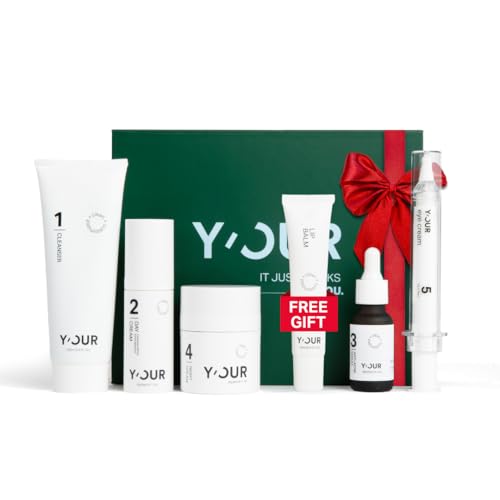
Complete Holiday Routine: Your Moment of Expertise is a limited-edition gift set with six full-size professional-grade treatments plus exclusive tools, designed to deliver brighter, smoother, and firmer skin with visible results.
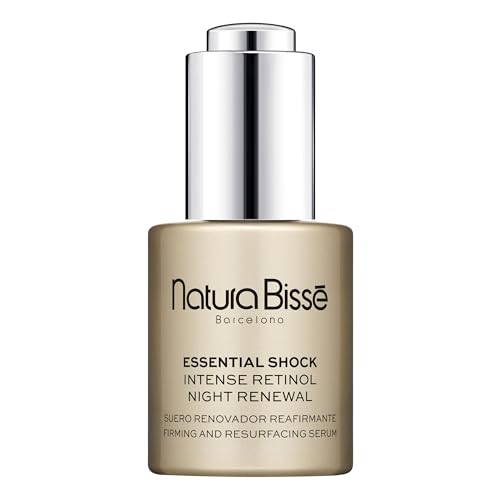
A powerful firming night serum formulated to rejuvenate the skin and improve the appearance of wrinkles and lines. This intensive serum packs a potent cocktail of anti-aging ingredients like retinol, glycolic acid, and bakuchiol.
DEEP-CLEANING CLEANSER: Our glycolic acid-based cleanser unclogs pores and dissolves excess oil while Chamomile and Rosehip oil encourage cell turnover for an enhanced glow.
Mechanism of Action

Exfoliation works wonders for the skin! Mechanical exfoliation uses scrubs, brushes, or tools to physically remove dead skin cells from the surface. This can provide quick results but may irritate sensitive skin, risking micro-tears. In contrast, chemical exfoliation employs acids, like AHAs and BHAs, to dissolve the bonds between those pesky dead skin cells. This method can penetrate deeper, reaching the dermis to promote collagen production and skin renewal. It’s gentle, making it safer for sensitive skin types. While physical exfoliation gives an immediate smoothness, chemical exfoliation supports gradual cell turnover for lasting improvement. So, are you team scrub or team acid? Either way, your skin deserves some love! For those seeking eco-friendly solutions, using natural ingredients in exfoliation products can align with organic gardening standards, promoting sustainability and safety for the environment.
Depth of Treatment

When it comes to skincare, depth of treatment makes a significant difference. Physical exfoliation, while effective for surface smoothing, doesn’t penetrate deeply enough for lasting improvements. On the other hand, chemical treatments like AHAs and BHAs dive deeper into the skin. They dissolve dead skin cells and stimulate collagen production, which is essential for youthful skin. Superficial chemical peels tackle the top layer, addressing minor concerns. Medium peels go a step further, effectively treating issues like hyperpigmentation and acne. The unique depth of treatment allows for customized solutions tailored to individual skin concerns. Think of it as picking the right tool for the job—going deeper often yields better results. After all, skin care is not just skin deep! Additionally, choosing treatments with organic certifications ensures that the products used are free from synthetic chemicals, contributing to safer and more sustainable skincare practices.
Targeted Skin Concerns
Choosing the right treatment for targeted skin concerns can feel overwhelming, but understanding your options is key. Physical exfoliation works wonders for immediate issues, like rough texture and dead skin cells. Think of it as giving your skin a quick scrub. However, it can irritate sensitive skin types, sometimes causing more harm than good. On the other hand, chemical exfoliation, featuring AHAs and BHAs, dives deeper to tackle stubborn problems such as hyperpigmentation and acne-prone skin. These gentle agents unclog pores and dissolve excess oil, often yielding a smoother finish without the risk of irritation. So, whether you’re after instant glow or deeper correction, knowing your skin type can help you choose the best path forward—because we all deserve radiant skin! Additionally, incorporating natural pest control methods in gardening, such as using beneficial insects, can nurture a balanced ecosystem while minimizing environmental harm.
Recommended Products

Instant Glow: Achieve a radiant complexion with our power-packed facial mask skincare formula, blending Glycolic Acid and Hyaluronic Acid to deeply exfoliate and hydrate your skin, unveiling visibly bright, revitalized, and healthier skin in just one application

A powerful at-home peel that utilizes the strength of salicylic, glycolic and lactic acids to help minimize the appearance of dull and uneven skin, help keep pores clean, and reveal a brighter, more youthful look.

GENTLY EXFOLIATES WHILE CALMING SKIN: Multi-tasking face serum gently exfoliates and resurfaces skin while simultaneously calming and hydrating, helping to improve skin tone, texture, and clarity
Suitability and Risks
While both physical and chemical treatments offer great potential for skin improvement, it’s essential to understand their suitability and risks. Chemical peels can be tailored for all skin types, even sensitive skin. However, they may cause temporary redness or irritation. Physical exfoliation, on the other hand, can risk micro-tears in sensitive skin. Recovery time is also a factor; chemical peels can take days to heal, while physical methods offer instant results. It’s vital to monitor your skin reactions after chemical use, as over-exfoliation can occur. In short, choose wisely! Always consider your skin type and needs, and remember: “A little exfoliation can go a long way, but too much can lead you astray!” Additionally, when considering aerosol products for home use, eco-friendly options with natural propellants are available, promoting sustainable choices without sacrificing effectiveness.
Recommended Products
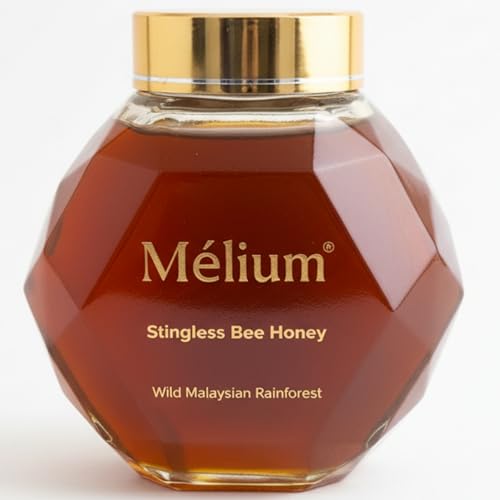
HIGH-STRENGTH ANTIOXIDANT CONCENTRATE: Sourced from the Wild Malaysian Rainforest, our molecular serum delivers over 200 bioactive compounds directly to your skin. This high-potency treatment defends against environmental stressors to promote long-term skin longevity and a radiant, glass-skin glow.

[Skin Soothing] The main ingredient, Centella Asiatica, promptly soothes the damaged skin caused by external irritations

NIOSH-APPROVED: NIOSH, a USA federal government regulatory agency, has tested and approved the FF-400 with 3M cartridges, filters or supplied air systems to help reduce inhaling certain airborne contaminants. NIOSH approved with various 3M cartridges, filters and supplied air systems
Frequently Asked Questions
Recommended Products

COMPLETE CLINICAL SKINCARE ROUTINE A streamlined four-step system designed to cleanse, treat, hydrate, and support healthy-looking skin — morning and night — without unnecessary products or guesswork.


Two Steps to Healthier Skin - this high-performing pair supports healthier skin with minimal effort. Toning Pads exfoliate gently to smooth texture, brighten tone, and keep pores clear, while Overachiever works to calm, strengthen, and improve skin clarity.
Which Is Better, Physical or Chemical Exfoliation?
Chemical exfoliation often outshines physical exfoliation methods, especially for sensitive skin types. Tailored product ingredients enhance long-term skin benefits through gradual application techniques, whereas physical approaches may require cautious frequency and aftercare practices to minimize irritation.
Do Dermatologists Recommend Physical Exfoliation?
Dermatologists recommend physical exfoliation for specific skin types, emphasizing frequency guidelines to mitigate safety concerns. They assess patient preferences and skin sensitivity, favoring methods aligned with product effectiveness and long-term results while considering alternative options.
What Is More Effective, a Chemical Peel or a Laser?
A laser offers deeper treatment benefits, longer results duration, and significant collagen remodeling, while chemical peels provide milder peel strength, shorter recovery time, and lower treatment costs, making both valuable depending on skin type and sensitivity.
What Is the Difference Between a Physical Peel and a Chemical Peel?
Physical peels utilize abrasive materials for surface exfoliation, while chemical peels apply acids for deeper skin benefits. Treatment frequency, safety concerns, recovery time, and cost comparison vary, influencing expected outcomes and suitability across different skin types.