As an Amazon Associate, we earn from qualifying purchases. Some links on this site are affiliate links at no extra cost to you. Our recommendations are based on thorough research and editorial judgment.
Garbage Management Best Practices

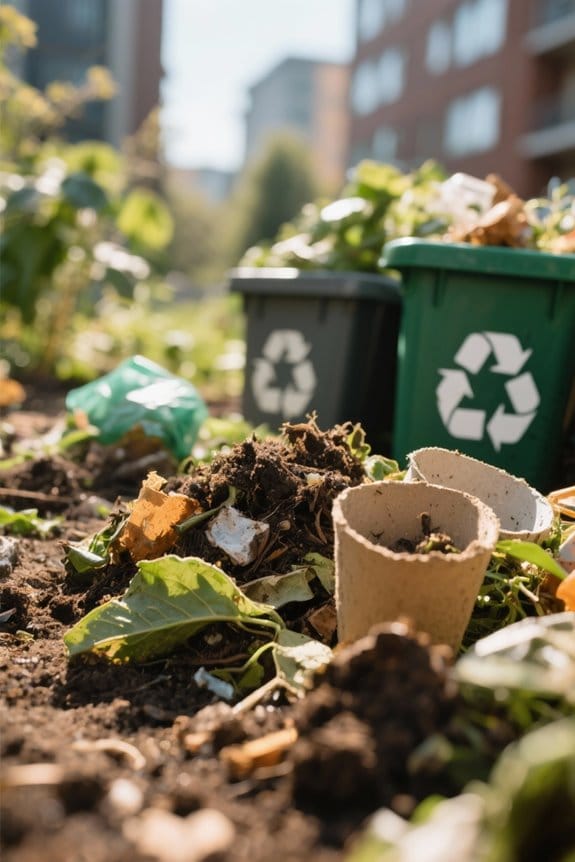
Effective garbage management starts with simple steps. Use less hazardous materials and choose reusable products whenever possible. Composting kitchen scraps can turn that organic waste into nutrient-rich soil instead of filling a landfill. Engaging your community in clean-up events can really spark awareness. Plus, you’ll feel a sense of pride in making your area cleaner. The right strategies can reduce waste and costs. Want to learn more about sustainable practices? There’s plenty more to explore!
Key Takeaways
- Implement community composting programs to effectively manage organic waste, which constitutes 30% of municipal solid waste.
- Encourage the use of reusable products and bulk purchasing to minimize packaging waste and reduce single-use plastics.
- Organize local clean-up events to promote community engagement and educate residents on responsible waste disposal practices.
- Utilize recycling guides and zero waste toolkits to develop tailored waste reduction strategies for homes and businesses.
- Foster partnerships with environmentally responsible organizations to enhance sustainability and increase recycling rates in the community.
Understanding Effective Waste Management
Understanding effective waste management is crucial, especially as the world grapples with an ever-increasing mountain of trash. Each year, billions of tons of municipal solid waste are generated, causing significant pollution. To combat this, communities must prioritize waste reduction initiatives. Simple actions, like utilizing less hazardous materials and choosing reusable products, can greatly reduce waste. Recycling and composting practices can tackle a large chunk of the 292.4 million tons of waste produced in the U.S. annually, benefitting both landfills and our environment. Community engagement is important. Local waste management practices, from clean-up events to educational campaigns, can involve citizens. As they say, “Many hands make light work!” Together, everyone can contribute to environmental protection and responsible waste disposal. Employing eco-friendly solutions such as natural pest control can further enhance efforts to maintain a healthy environment.
Benefits of Sustainable Practices
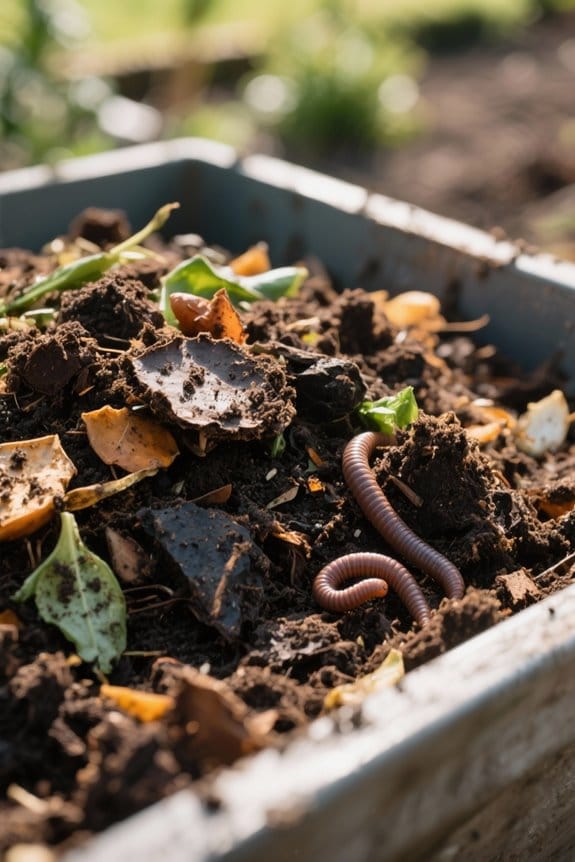
When communities embrace sustainable waste management practices, they release a treasure trove of benefits that can enhance both the environment and local economies. These sustainable practices can notably reduce greenhouse gas emissions and improve recycling rates, diverting over 25% of municipal solid waste from landfills. By focusing on organic waste, like food scraps, communities can also preserve natural resources. Additionally, increasing recycling rates can lead to a remarkable 40% drop in disposal costs. This boosts financial health while enhancing a company’s image, as 72% of consumers prefer to support environmentally responsible businesses. Implementing organic pest control methods can also reduce the environmental impact of gardening, supporting sustainable practices. In the end, implementing these methods not only tackles pollution but promotes a brighter, greener future for everyone involved. A win-win, wouldn’t you say?
Key Strategies for Waste Reduction
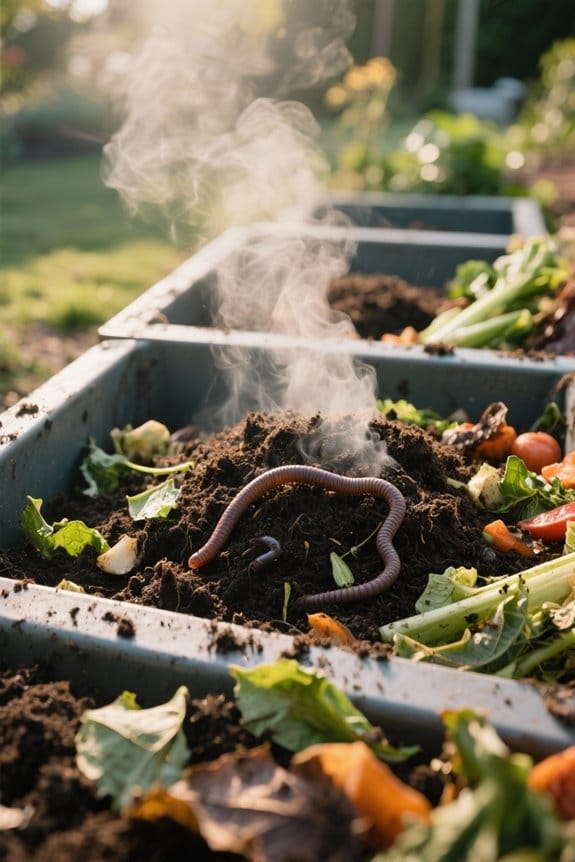
Sustainable practices not only create benefits; they also lay the groundwork for effective waste reduction. To improve waste management, focusing on food waste is key. Start composting those kitchen scraps! Remember, about 30% of solid waste is organic material that can enrich your garden instead of clogging landfills. Local governments can help by offering composting programs, making it easier. When shopping, consider bulk purchases to reduce packaging waste. Also, grab a reusable water bottle and shopping bag—you’ll cut down on single-use plastics while earning eco-friendly points. Repair and repurpose items when possible. It’s like giving your belongings a second life. These strategies not only reduce the amount of waste generated but also foster a healthier, environmentally friendly lifestyle. Introducing beneficial insects for pest control in your garden can further enhance sustainability by minimizing reliance on chemical pesticides, promoting a balanced ecosystem, and supporting biodiversity.
Recommended Products

Time Saver - This tumbler composter is constructed for ease of use and simplicity of rotation. The Jora Composter acts as a compost turner which is simply turned by hand whenever waste is put in. The compost bin outdoor tumbler is divided into two chambers. While one compost container is being filled, the compost in the other chamber matures.

TRANSFORM KITCHEN WASTE INTO PLANT FOOD -WITHOUT LIFTING A FINGER: The FoodCycler Eco 5 is a convenient electric kitchen composter alternative to eliminate food waste. Ideal for busy homes, the Eco 5 does the clean up. It quietly grinds your food waste into plant food, reducing odors, messes, and the amount of trash you take out.

The most beautiful composter in the world. Produces solid and liquid compost.
Engaging the Community
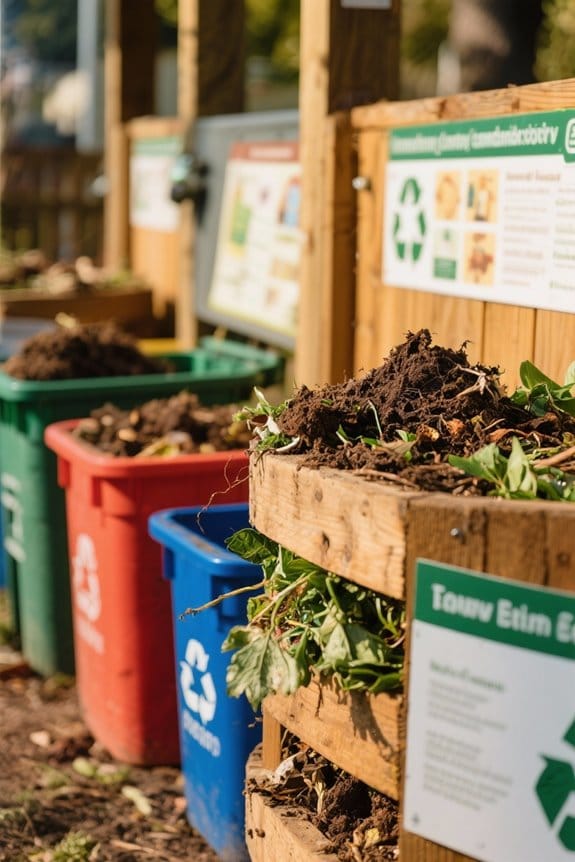
Engaging the community in garbage management can transform neighborhoods into cleaner, greener places. By organizing local clean-up events, residents become active participants in tackling litter while learning about proper waste disposal practices. These events do wonders for clean public spaces! Educational campaigns further promote recycling and composting, boosting community participation and reducing waste. Collaboration with local organizations enhances sustainability efforts, creating tailored solutions that fit community needs. Encouraging residents to report litter hotspots fosters accountability and instills community pride. Utilizing organic methods for waste management can reduce environmental impact and encourage more sustainable practices. Ultimately, everyone benefits when neighbors unite for a common cause. So, gather friends, grab some trash bags, and transform your block! As the old saying goes, “Many hands make light work”—and cleaner streets!
Recommended Products

TOUGH TRASH BAG: With a double stitched bottom and a 100 lb weight capacity, these bags are tear-resistant. Whether you need to clean up bricks, concrete, broken glass; these Sandbaggy demolition bags can take it! We'd call them indestructible, but our legal team wouldn't let us.

HANDS-FREE: Step-on foot pedal enables hands-free operation, optimizing sanitary efforts

Hygienic Waste Management: Designed for high-traffic areas, this trash bin features 4 openings on all sides for convenient, touch-free garbage disposal from multiple directions
Resources for Implementation
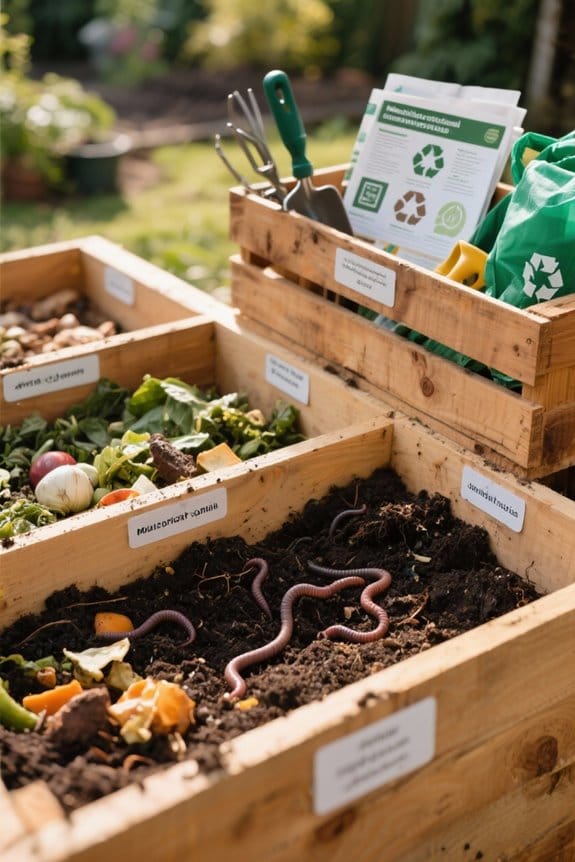
Cleaning up the neighborhood is just the beginning of effective waste management. Implementing best practices can streamline your efforts. Start by accessing the Recycling@Work 10-step guide; it’s a great way to tailor recycling programs for your office. Don’t overlook the Zero Waste Toolkit, which outlines composting initiatives and how to reduce waste effectively. Earth911 is your friend for finding local recycling facilities, making sure recyclable materials don’t end up in landfills. Many local governments offer free waste audits to help identify areas for improvement. By utilizing these resources, you can lower disposal costs while addressing environmental concerns. Remember, every small step contributes to preserving our natural resources and making a positive impact! Consider using professional strength aerosol sprays for efficient cleaning and maintenance, as they offer quick-drying formulas and strong bonding capabilities.
Recommended Products

Three year warranty on exceptionally reliable diaphragm pump


LEAVES STAINLESS STEEL SURFACES SHINING BRIGHT - Sheila Shine Stainless Steel Polish and Cleaner is designed to make stainless steel surfaces look as good as new. The formula used in Sheila Shine helps to easily clean and remove gunk that may be on the stainless steel
Frequently Asked Questions
What Are the 7 R’s of Waste Management?
The 7 R’s of waste management encompass refusing, reducing, reusing, recycling, repairing, repurposing, and rotting. These principles promote sustainable practices, encourage community initiatives, and enhance waste segregation, benefiting the circular economy and minimizing environmental impact.
What Are the 5 Rules of Waste Management?
The five rules of waste management include waste reduction, reuse initiatives, recycling programs, composting methods, and proper disposal. These practices enhance community engagement through educational campaigns, promote policy development, and utilize technology innovations to minimize environmental impact.
What Are the Three R’s of Garbage Management?
The Three R’s of garbage management encompass Reduce Waste, Reuse Bags, and Recycle Paper. By adopting these principles, individuals can refuse plastics, reclaim materials, rethink consumption, repair products, and respect the environment for sustainable living.
What Are the 7 Steps of Handling Waste?
Effective waste management involves seven steps: waste characterization, reduction strategies, segregation methods, recycling techniques, hazardous waste treatment, landfill management, and community awareness, promoting sustainability practices through continuous improvement and informed waste collection systems.

