As an Amazon Associate, we earn from qualifying purchases. Some links on this site are affiliate links at no extra cost to you. Our recommendations are based on thorough research and editorial judgment.


Common Myths About Household Insects Debunked

Common myths about household insects can mislead even the savviest homeowners. For instance, a clean home can still attract pests like bed bugs and ants. Many believe pests won’t survive winter, but they’ll seek warmth indoors instead. Others think ultrasound devices will chase pests away, but that’s a bit of a tall tale—they often fall short. If you’d like to uncover more surprising truths about these pesky critters, keep exploring the facts that foster understanding and action.
Key Takeaways
- Clean homes can still harbor pests; even small food and water sources attract insects like ants and cockroaches.
- Bed bugs are not limited to dirty homes; they seek warmth and can travel via personal belongings.
- Many pests survive winter indoors, and vigilance is required year-round to prevent infestations.
- DIY pest control often fails to address hidden nests; professional services provide longer-lasting solutions tailored to specific pests.
- Ultrasonic repellents are not foolproof; they are less effective over time and should be used with other control methods.
Myth #1: Clean Homes Don’t Have Pests
Many people believe that a clean home is a pest-free home, but that’s simply not true. Cleanliness helps deter pests, but it doesn’t eliminate pest problems. A single crumb or a droplet of water can attract ants or cockroaches. Even the tidiest home can have hidden risks. Think of your home as a fortress; sealing cracks and crevices is like building walls against invasion. Regular maintenance is essential. Store food in airtight containers to reduce potential pest attractions. This isn’t a lost cause! With proactive steps, like cleaning regularly and conducting home inspections, you can keep those pesky invaders at bay. Remember, even the cleanest homes need a little help to stay pest-free—just like champion gardeners need a bit of fertilizer! Using non-toxic glue traps is an effective way to manage pests while ensuring safety for families and pets.
Myth #2: Pests Won’t Survive Winter

When winter arrives, pests don’t simply pack their bags and leave. Many creatures, like stink bugs and spiders, seek warmth indoors to survive. It’s a common misconception that they can’t handle the cold. Some pests, such as ticks, may remain active, surprising homeowners when temperatures hover above freezing. While certain insects might go dormant, they don’t vanish, leading to potential pest infestations in your home. Effective pest management is essential year-round, so don’t ignore those little visitors. Regular professional pest control services can help customize solutions to combat these winter pests. Remember, winter isn’t a vacation for pests, just a new chapter. Stay vigilant, keep the warmth inside—just for you, not for them!
Myth #3: Mosquitoes Only Breed in Large Bodies of Water

Surprisingly, mosquitoes can breed in the smallest amounts of water imaginable—sometimes as little as a teaspoon! Many people believe that large bodies of water are the main culprits, but that’s a common myth. Mosquitoes thrive in standing water found in places like clogged gutters, plant saucers, and even discarded tires. Pest control experts emphasize that adult female mosquitoes only need tiny containers to lay their eggs, which can hatch into larvae within days. To keep your home mosquito-free, it’s important to remove any standing water around your property. Regularly inspect outdoor spaces to catch those sneaky puddles. By taking these simple steps, you can dramatically reduce those pesky populations and enjoy your backyard bug-free! Additionally, consider using eco-friendly solutions like Mosquito Dunks for long-lasting control in standing water areas to prevent breeding.
Myth #4: If You Don’t See Any Pests, None Are There

Just because the kitchen seems quiet doesn’t mean pests aren’t throwing a party in hidden corners. Many pests, like termites and carpenter ants, are masters of disguise. They can lurk for months, gradually causing damage without anyone noticing. Rodents and bed bugs might be happily holed up in attics or behind appliances, invisible yet very much present. Remember, if you don’t see visible pests, that doesn’t mean there’s no pest problem. Regular home inspections are key to early pest control. Catching an infestation early saves headaches later. As the saying goes, “Out of sight, out of mind” is a risky game with pests! Stay vigilant, and your home can remain a pest-free sanctuary! Tomcat Rat and Mouse Killer stations are an effective option for both indoor and outdoor pest management.
Myth #5: Bees Can Only Sting Once

Many people believe that all bees can only sting once, but that’s a common misconception. Honeybees do sting only once because their barbed stingers remain in their target, causing them to die shortly afterwards. However, other species like yellow jackets and wasps can sting multiple times, making them potentially more harmful to humans. This misunderstanding can lead to accidents during outdoor activities. It’s vital to recognize different bee types to manage interactions safely. Knowing how to identify these pests can help you avoid stings. Emphasizing coexistence with these bugs is often the best approach. By understanding bee behavior, you can devise effective pest control treatments that protect both you and these essential pollinators. So, stay informed and enjoy your time outdoors! Additionally, utilizing eco-friendly pest control solutions like solar pest repellers can help maintain a safe and sustainable environment for both humans and wildlife.
Myth #6: Fleas Will Die Without a Host
Fleas are notorious for their resilience and adaptability. Many believe fleas die without a host, but that’s a myth debunked. These tiny pests can actually survive for weeks in a dormant state, making them tricky to eliminate. Adult fleas can lay up to 50 eggs daily, rapidly increasing their population if not checked. To effectively address the root cause, you must understand the flea lifecycle, which includes stages like egg, larva, pupa, and adult. If your home isn’t treated thoroughly, fleas will keep coming back. Regular cleaning and targeted treatments are essential to break this cycle. As they say, “A clean home keeps the fleas from calling it a party zone!” So stay proactive and enjoy a flea-free life. For effective flea control, consider using PetArmor Plus, which offers waterproof flea protection for up to six months.
Myth #7: DIY Pest Control Works Just as Well as Professional Services
When faced with a pest problem, the thought of tackling it with DIY methods may sound appealing. But here’s the catch: DIY pest control often only offers temporary relief. Homeowners might miss the tricky hidden nests or breeding grounds, allowing the pests to bounce back. Professional pest control experts come to the rescue with specialized tools and a trained eye. They accurately identify pests and tailor treatment methods that tackle your specific issues. Sure, DIY might seem cheaper upfront, but professional services can provide results for up to 21 days! For a lasting solution, think about combining DIY techniques with professional help. Remember, sometimes you need a pro to win the battle against those pesky intruders! Additionally, using neem oil sprays as part of your DIY approach can enhance the effectiveness against pests, offering a natural pesticide option that is safe for edible crops when used properly.
Recommended Products


4 roller, 7 GPM pump with adjustable pressure (up to 150 PSI) and dependable 160cc Honda GX160 engine

11.6FT. SPRAY COVERAGE: The 7-nozzle folding boom delivers over 11 feet of spray coverage using air-induction technology to reduce drift, ensuring even liquid distribution across pastures, crops, food plots, and large properties—even in BREEZY CONDITIONS.
Myth #8: All Pest Control Chemicals Are Harmful to My Health
Do all pest control chemicals really pose a threat to health? This is one of the common pest control myths that many people believe. In reality, not all chemicals are dangerous. Many products are designed with safety in mind, especially for household use. Professional pest control products are rigorously tested to minimize toxicity to humans and pets. Trained technicians apply these solutions carefully, following safety guidelines to guarantee a safe and healthy environment. For those who prefer a gentler touch, eco-friendly pest control options are also available. Natural and Safe Formulations like EcoPest and Wondercide utilize plant-based ingredients, ensuring safety for pets and children. Understanding how these treatments work can empower you in protecting your home. So, don’t let fear of chemicals keep you from effective pest management; wisdom is your best defense!
Recommended Products

𝐏𝐨𝐰𝐞𝐫𝐟𝐮𝐥, 𝐀𝐥𝐥-𝐏𝐮𝐫𝐩𝐨𝐬𝐞 𝐏𝐞𝐬𝐭 𝐂𝐨𝐧𝐭𝐫𝐨𝐥: Eliminator Insecticide and Fungicide Concentrate tough away and controls mildew, fungus, mold, aphids, spider mites, whiteflies, fungus gnats, thrips, mealybugs, flies, and more – ideal for gardens, crops, greenhouses, and residential spaces.

BEST NATURAL SOLUTION TO DEFEAT MILDEW, MITES AND MOLD - Crop Control is hands down the BEST choice to prevent and cure Powdery Mildew, Spider Mites, Russet Mites, Broad Mites, Botrytis, Grey Mold, Aphids, fungal and parasitic species on plants. Uses plants natural defense systems to defend with zero harsh chemicals or toxins.
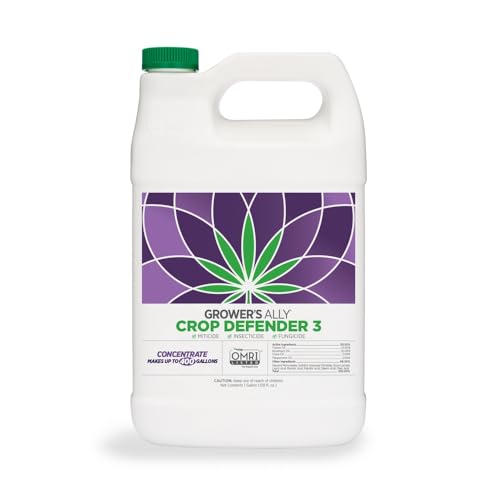
MAXIMIZE YIELDS – Grower’s Ally Crop Defender 3 is a highly effective triple-action crop protection formula intended for weekly use to kill powdery mildew, spider mites, russet mites, thrips, aphids and other soft-bodied insects as well as their eggs on contact.
Myth #9: Bed Bugs Only Infest Dirty Homes
Many people believe that bed bugs only invade messy homes, but this is just a myth. Bed bugs are drawn to warmth, carbon dioxide, and human blood, not cleanliness. They can sneak into clean homes by hitching rides on personal belongings. Imagine picking up a stylish second-hand chair—who knew it came with unwanted guests? Clutter can provide hiding spots, but even spotless spaces aren’t immune to an infestation. Regularly washing bedding and inspecting new purchases are smart moves for everyone. Remember, you could have the tidiest home and still face bed bugs. Don’t let misconceptions delay detection. Stay proactive and informed; your clean home deserves it! And yes, that means inspecting your new sofa—yikes! Just as child and dog-resistant designs enhance the safety of pest control products, being informed about bed bugs ensures your home remains protected.
Recommended Products

Premium Organic Cotton Comfort & Protection - Crafted with two layers of 100% organic cotton stretchable jersey fabric, this pillow encasement offers a soft, breathable feel while providing effective waterproof protection. Designed with a TPU layer, it helps protect against spills, stains and moisture without restricting airflow, making it suitable for everyday use and long term pillow care.
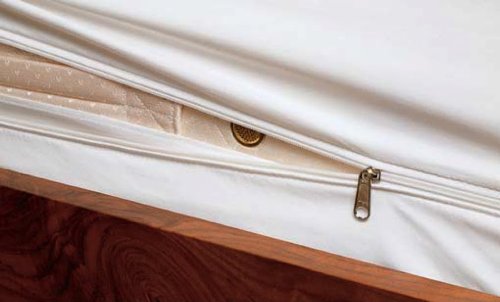
MISSION: ALLERGY brand encasings are specifically recommended by leading Allergy Specialists and university Allergy Departments. Designed by a Board-Certified Allergist.
MISSION: ALLERGY brand encasings are specifically recommended by leading Allergy Specialists and university Allergy Departments. Designed by a Board-Certified Allergist.
Myth #10: Ultrasonic Repellents Are a Foolproof Solution
Ultrasonic repellents promise a pest-free home, but many users quickly discover they aren’t the miracle solution they hoped for. Scientific studies show that pests can adapt to these sounds, resulting in minimal long-term effectiveness. If you’ve ever thought these devices alone would solve all your problems, you might be in for a disappointment! Relying solely on ultrasonic repellents often ends in frustration, as they don’t tackle the underlying infestation. Instead, homeowners are encouraged to combine these devices with other pest control methods, like sealing entry points and using chemical repellents. Remember, reliable pest control involves a thorough approach. So, while ultrasonic devices may offer temporary relief, they shouldn’t be your only strategy. Keep that pest control toolbox well-stocked! Ultrasonic pest repellers can cover areas ranging from 800 to 1,600 square feet, but they may still require additional methods for severe infestations.
Recommended Products

Direct Pest Targeting: High Range for Insects/Bats and Low Range for Rodents.

Easy-too-use electronic pest control without hazardous chemicals or traps
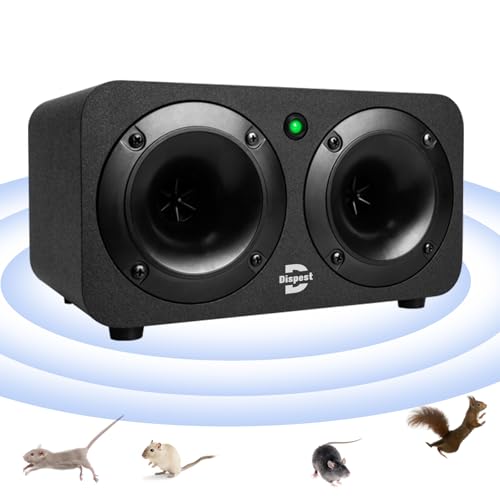
Advanced Technology : Outputting special ultrasonic waves with different frequencies simultaneously. Automatic frequency conversion technology effectively prevent mouse,rodent from adapping and estabilishing immunity . Also using Bionic technology, mimiking a cat's meow,and mouse's distress sounds make the mouse fright and runaway. Only use this function when people Not arround, you can turn the sound off by turn off the red button in the back
Myth #11: Pest Control Is Only Necessary in the Summer
While summer may seem like the prime time for pest control, the truth is that pests can be a year-round headache. Rodents don’t care if it’s chilly outside; they’ll sneak indoors for warmth in the fall and winter. Did you know termites can munch through your house even when it’s freezing? Seasonal variations bring different challenges, like bed bugs in winter or stinging insects in late summer. That’s why effective pest control isn’t just a summer task—it’s a year-round necessity. Regular monitoring and preventive measures can keep those pesky infestations at bay. Remember, “An ounce of prevention is worth a pound of cure!” So, take action now to protect your home from sneaky invaders, whatever the season!
Recommended Products

REPELS DEER AND RABBITS: Deer and rabbits don’t have to eat vegetation for the repellent to be effective—they have a natural aversion to the scent.

PROTECTS PLANTS FROM MOISTURE LOSS: Stops winter damage, reduces drought stress, planting/transplanting stress and more. Dries to a soft, flexible clear film to lock in moisture. Professional grade.
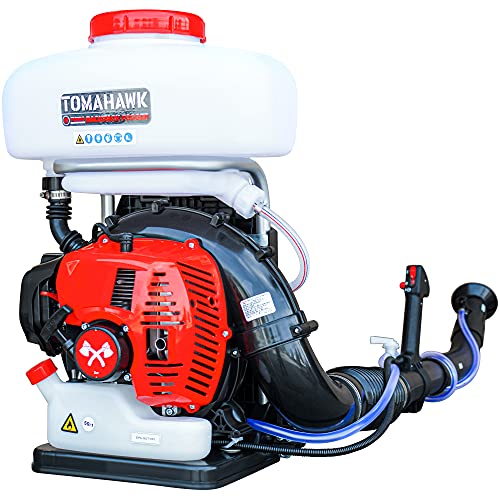
[TURBO BOOSTED] Includes turbo booster with up to 40 ft of vertical spray reach for tall trees and buildings.
Myth #12: All Pests Can Be Eliminated With the Same Treatment
Not all pests are created equal, and treating them as if they were is a common mistake. Each type of pest requires its own treatment strategies. For instance, ants may scuttle away from surface sprays, but termites are crafty and hide deeper in wood. Bed bugs? They need a combination of heat, chemicals, and even some mechanical tricks to wipe out both adults and pesky eggs. Integrated pest management (IPM) focuses on understanding specific pests and their life cycles. Applying a blanket approach can lead to worse infestations, pushing pests to hide even more. Remember, it’s like using a hammer for every job; sometimes, you need a screwdriver. Your pests need the right tools for effective removal!
Frequently Asked Questions
How Can I Prevent Pests From Entering My Home?
To prevent pests from entering the home, individuals should employ preventative measures, including pest proofing tips that seal entry points and establish regular maintenance routines to eliminate potential nesting sites and food sources inside and outside.
What Are Signs of a Hidden Pest Infestation?
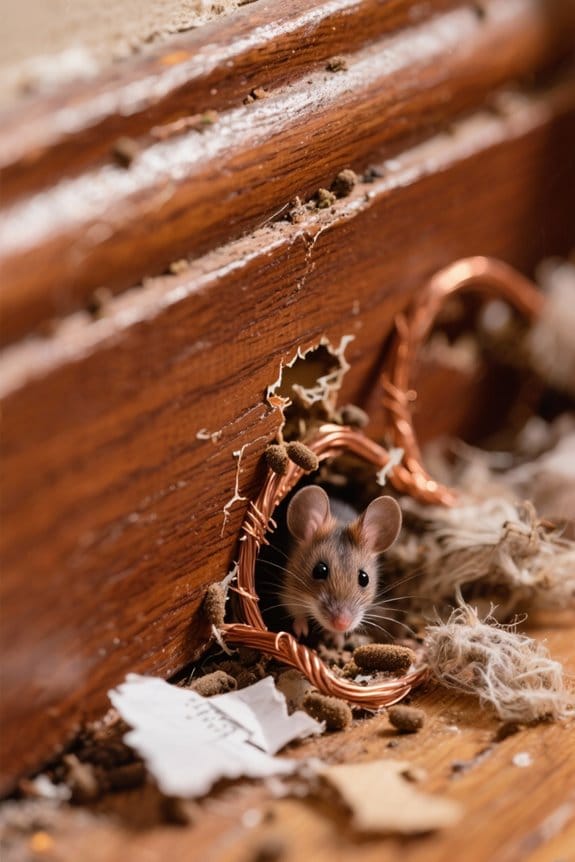
Hidden signs of a pest infestation often resemble a whispering warning. Homeowners might discover pest droppings, hear unusual noises at night, or notice damaged materials, all suggesting invisible invaders silently yearn for a place to thrive.
Are There Eco-Friendly Options for Pest Control?
Eco-friendly options for pest control include natural repellents, chemical alternatives, and pest barriers. These green solutions effectively manage infestations while minimizing environmental impact, promoting healthier living spaces for both residents and surrounding ecosystems.
What Should I Do if I Find Bed Bugs?
Upon discovering bed bugs, one should identify infestation signs, consider various treatment options, and seek professional extermination. Prompt action is essential to prevent the spread and severity of the infestation within the home.
How Often Should I Perform Pest Inspections?
Experts recommend performing pest inspections at least quarterly, with an emphasis on seasonal inspections. While DIY inspections can be helpful, utilizing professional services guarantees thorough assessments and adherence to frequency recommendations for effective pest management.